

By Ryan Epps
Published October 5, 2026
Main Facts
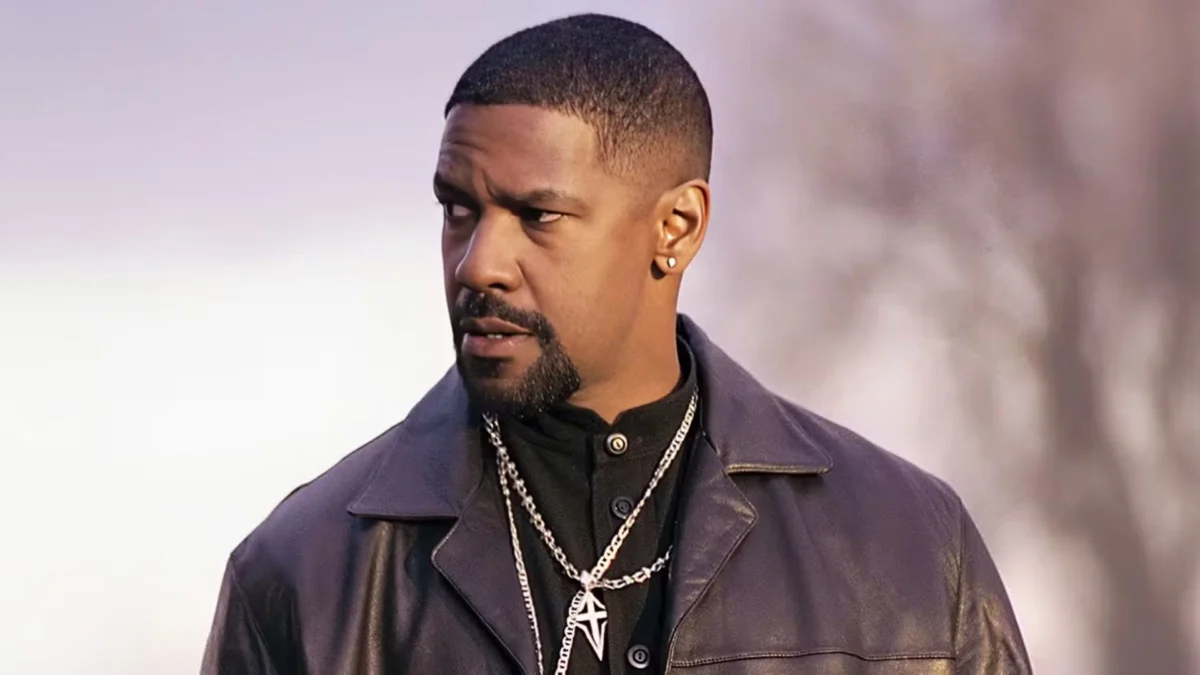
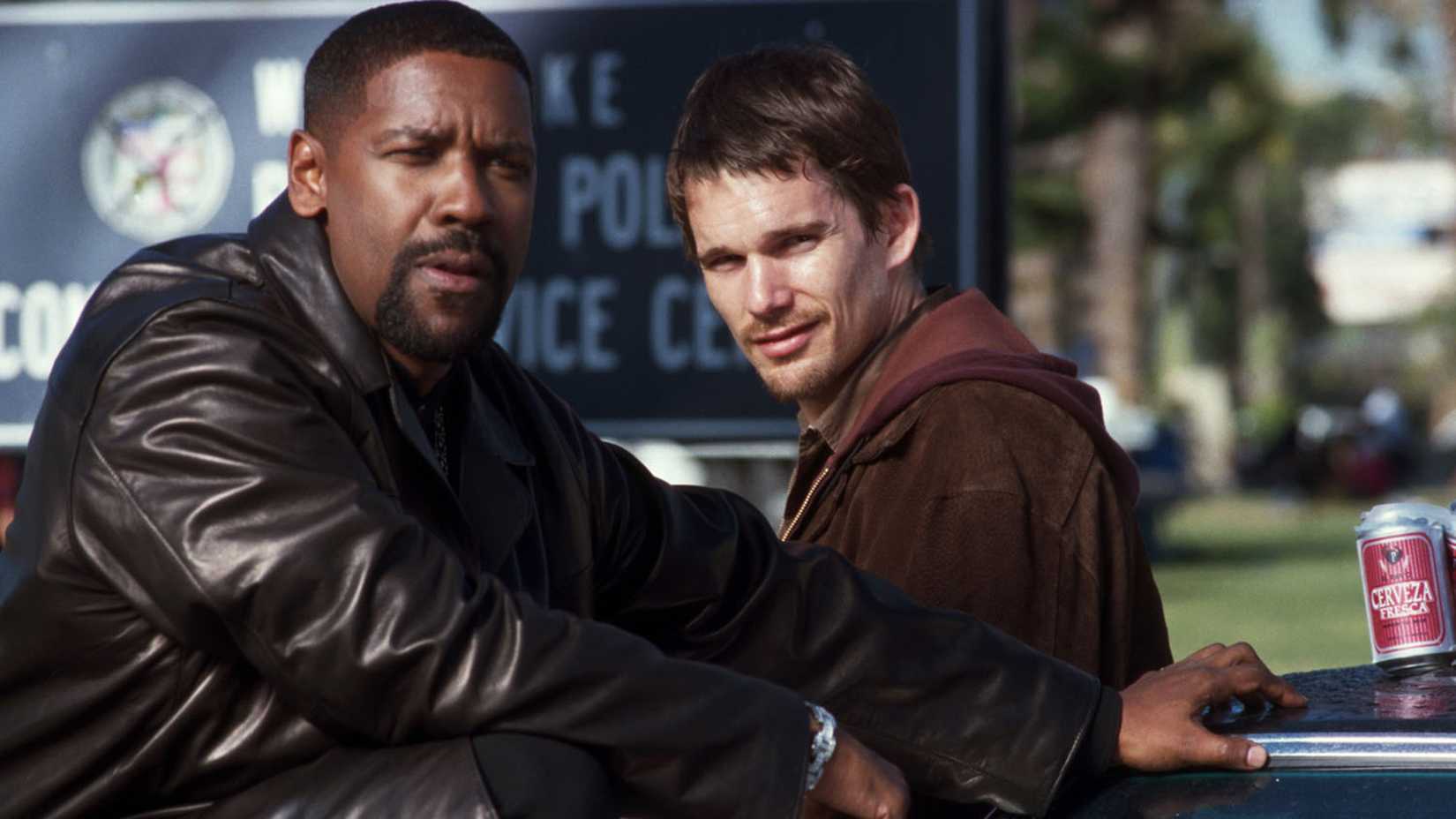
More than two decades after its theatrical release, Antoine Fuqua’s Training Day (2001) retains its status as the absolute gold standard of the urban crime thriller. Written by David Ayer and anchored by career-defining performances from Denzel Washington and Ethan Hawke, the film follows a high-stakes, 24-hour crucible in the Los Angeles Police Department’s narcotics division.
Washington stars as Detective Alonzo Harris, a decorated yet deeply corrupt narcotics officer who takes rookie cop Jake Hoyt (Hawke) on a grueling, psychologically punishing orientation ride-along across the concrete labyrinth of Los Angeles. While cinema is rich with cat-and-mouse character studies—ranging from Michael Mann’s Heat to William Friedkin’s gritty urban dramas—Training Day towers above its peers due to its unflinching exploration of systemic corruption, moral compromise, and the intoxicating, corrosive nature of absolute power.

Chronology: A 24-Hour Descent into the Abyss
The narrative structure of Training Day operates like a classic Greek tragedy compressed into a single diurnal cycle.
Morning: The Illusions of Order
The film opens with a deceptively bright Los Angeles morning. Jake Hoyt, ambitious, idealistic, and dangerously naive, reports for his first day under the command of legendary narcotics detective Alonzo Harris. Sitting behind the wheel of his battered, smoke-belching 1979 Chevy Monte Carlo—his self-described "office"—Alonzo projects an aura of absolute competence, streetwise savvy, and avuncular charm. He feeds Jake a steady diet of harsh philosophical realities, arguing that the streets cannot be policed by the book and that to protect the sheep, one must learn to hunt like a wolf.
Afternoon: The Slipper Slope of Compromise
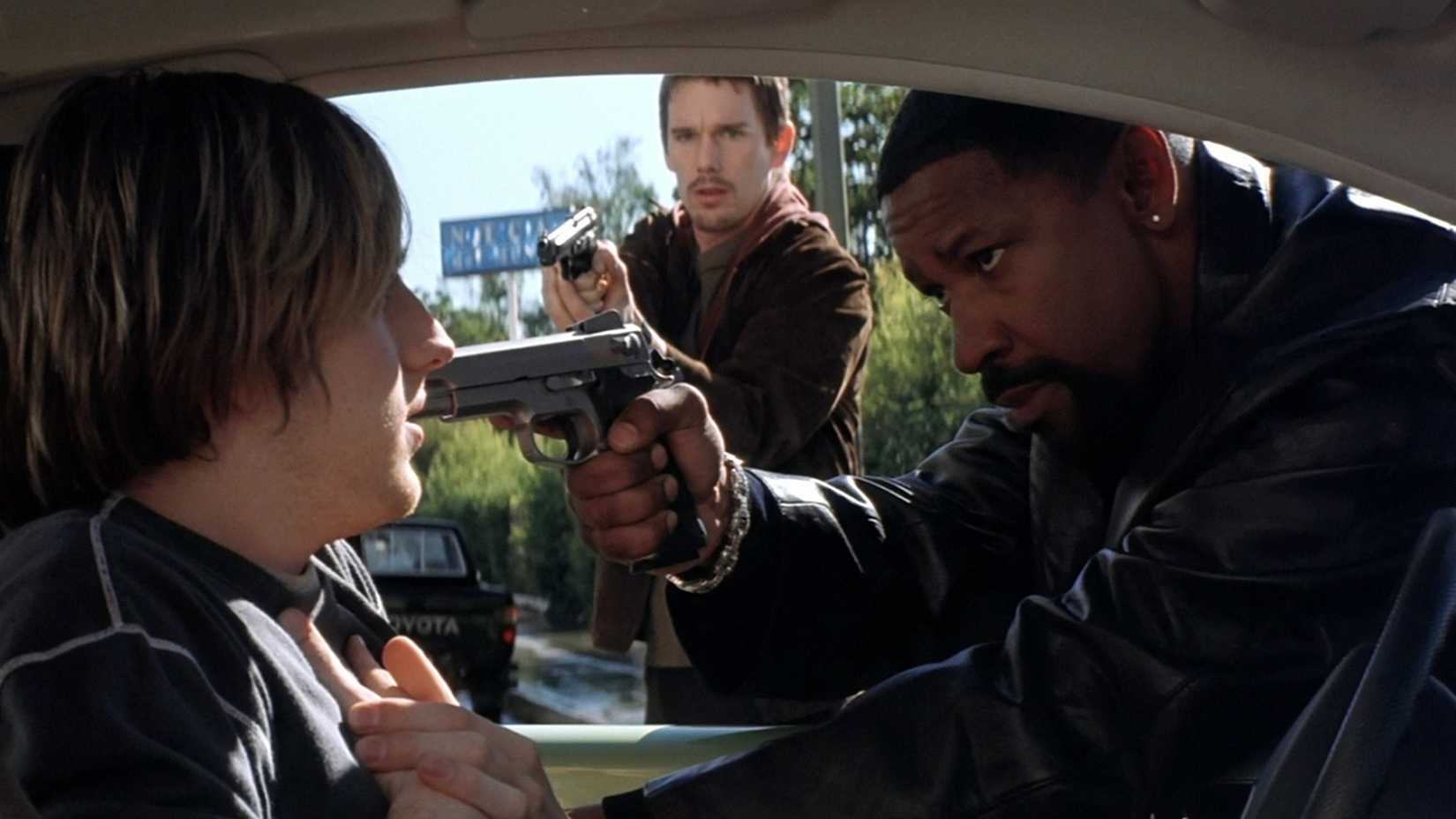
As the sun climbs, the educational facade rapidly disintegrates. Alonzo systematically breaks down Jake’s moral framework, pushing him into escalating ethical violations. From forcing the rookie to smoke a PCP-laced joint under the threat of abandonment to executing warrantless home invasions and extorting local criminals, Alonzo normalizes each incremental descent into lawlessness. Washington plays Alonzo with magnetic, terrifying charisma, ensuring that both Jake and the audience are seduced into believing these transgressions are a necessary rite of passage.

Evening: The Realpolitik of the Underworld
By nightfall, the stakes shift from unsanctioned policing to cold-blooded survival. It is revealed that Alonzo is deeply indebted to Russian mobsters due to his own unchecked greed and hubris. Desperate to liquidate a wealthy, corrupt retired judge to secure the cash needed to settle his debts, Alonzo orchestrates a scenario to frame and execute Jake in the heart of Baldwin Village.
Night: The Reckoning in Baldwin Village
The climax unfolds in a hostile concrete courtyard where Alonzo’s grand illusion finally shatters. Stripped of the protection his badge once afforded and abandoned by the very neighborhood gang members he once manipulated, Alonzo’s smooth bravado curdles into an unhinged, frantic scramble for survival. His legendary, volcanic outburst—“King Kong ain’t got shit on me!”—marks the tragic roar of a cornered predator whose empire of fear has collapsed under the weight of its own corruption.
Supporting Data and Cinematic Context
To understand the enduring cultural footprint of Training Day, one must examine the socio-political and cinematic landscape from which it emerged.
The Real-World Shadow of the Rampart Scandal
Released shortly after the turn of the 21st century, the film drew heavy inspiration from the very real and deeply damaging Rampart scandal of the late 1990s. The scandal exposed widespread corruption, evidence planting, unprovoked shootings, and theft within the LAPD’s Community Resources Against Street Hoodlums (C.R.A.S.H.) anti-gang unit in the Pico-Union district. Washington’s Alonzo Harris served as a cinematic composite of the worst systemic abuses brought to light by the investigation, turning the fictional narrative into an uncomfortably sharp mirror of institutional reality.
Legacy in Modern Pop Culture and Video Games
The blueprint established by Training Day permanently altered how popular culture visualizes the criminal underworld of Los Angeles.
- Rockstar Games’ Influence: The film’s structural DNA is unmistakably baked into the architecture of modern gaming masterpieces. The character of Officer Tenpenny in Grand Theft Auto: San Andreas—voiced brilliantly by Samuel L. Jackson—is a direct thematic descendant of Alonzo Harris, leading a corrupt C.R.A.S.H. unit through a smog-choked, gang-divided caricature of Southern California. Furthermore, the cynical, factionalized topography of Grand Theft Auto V‘s Los Santos owes a massive debt to Fuqua’s hyper-authentic mapping of LA’s invisible borders.
Official Responses and Critical Reception
Upon its release in October 2001, Training Day received widespread critical acclaim, particularly for its searing central performances and unflinching pacing.
- Academy Recognition: Denzel Washington’s performance made history. By stepping entirely away from his traditional heroic archetypes to portray a manipulative, narcissistic villain, Washington earned the Academy Award for Best Actor at the 74th Academy Awards. This marked a historic milestone, making him only the second African American actor to win the award in a leading role (following Sidney Poitier in 1964).
- Ethan Hawke’s Counterweight: Ethan Hawke received a well-deserved Academy Award nomination for Best Supporting Actor. Critics noted that carrying the emotional bedrock of the film opposite a force of nature like Washington required immense technical control and understated resilience.
- Retrospective Critical Consensus: Over two decades later, retrospective reviews continue to praise the film’s timeless relevance. Writing for major cultural publications, critics frequently cite Training Day as the pinnacle of Washington’s filmography, largely because Alonzo Harris remains a villain who "has nothing to prove"—operating entirely without the safety net of a traditional redemption arc.
Implications: The Enduring Power of the "Charismatic Tyrant"
The legacy of Training Day extends far beyond its box office success or award nominations. It fundamentally shifted how cinematic villains are written and perceived.
The Danger of the Smiling Predator
Traditional Hollywood thrillers often rely on shadowy, grotesque monsters hiding in dark alleys to drive narrative tension. Training Day subverted this trope by placing its primary antagonist in broad daylight, wearing a badge, smiling warmly, and offering fatherly career advice. The implication is chilling: the most dangerous threats to civil society are not the outlaws operating on the fringes, but the institutional authorities who weaponize the machinery of justice for personal gain.
The Cost of Integrity
For rookie Jake Hoyt, survival is not measured by the number of arrests made or criminals neutralized, but by his ability to maintain his moral compass in a pressure cooker designed to break him. The film offers a bleak yet ultimately resilient thesis: systemic corruption is a tide that pulls heavily against the individual, but institutional rot can only triumph if those on the inside willingly surrender their soul.
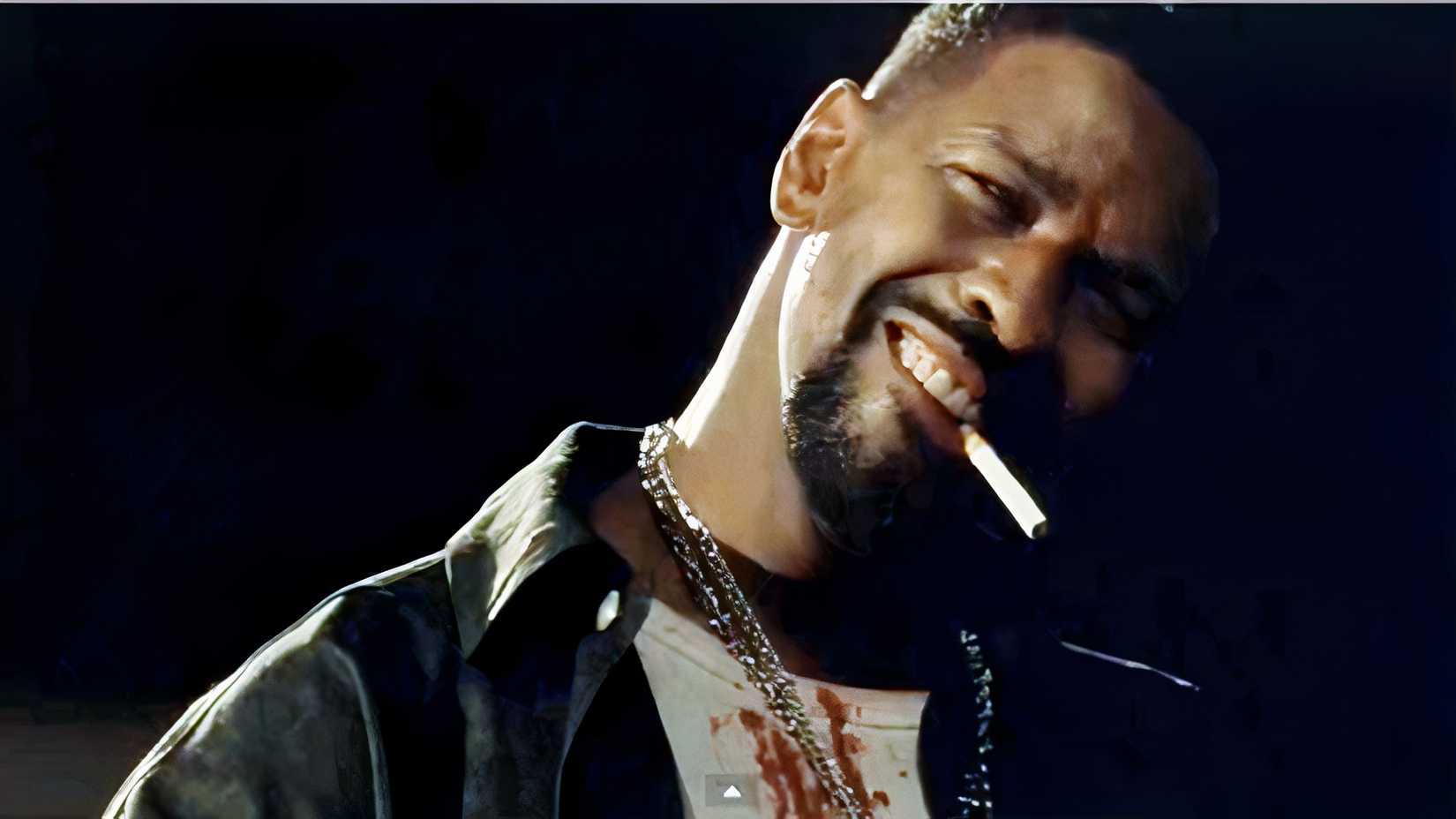
As Training Day remains available for streaming on platforms like The Roku Channel, it continues to serve as an essential masterclass in tension, character duality, and the intoxicating, self-destructive nature of unchecked power. Alonzo Harris stands tall not because he was a king of the streets, but because his dramatic collapse remains one of the most hypnotic descents ever captured on celluloid.

