

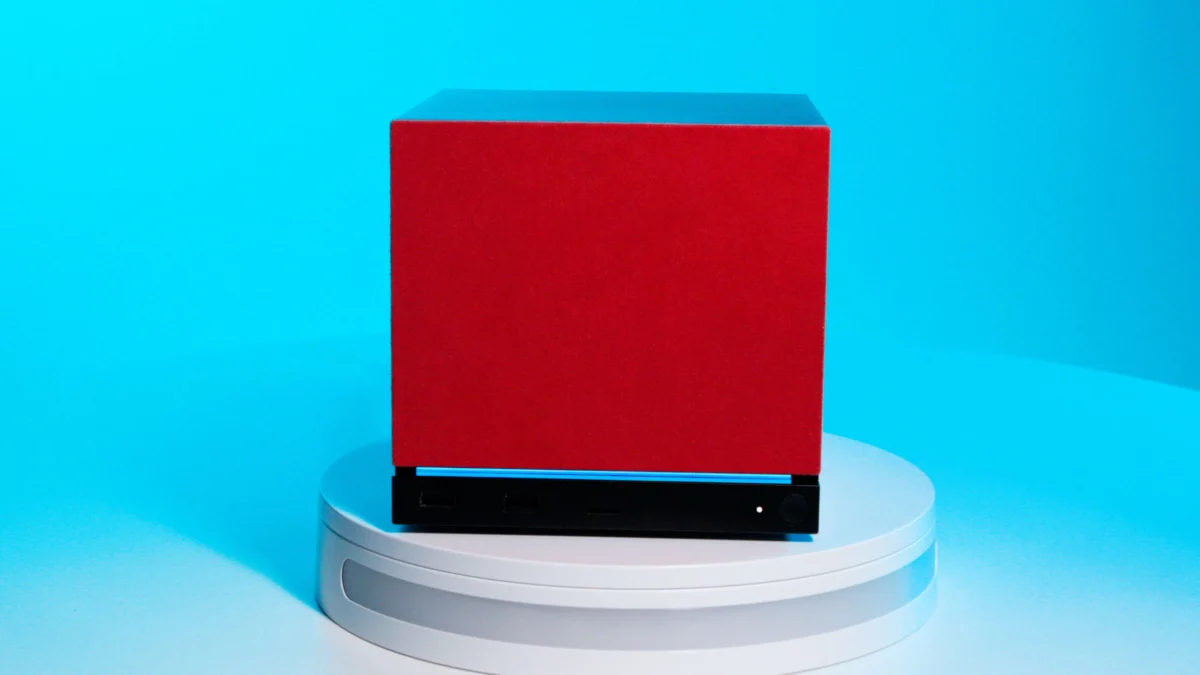
The gaming landscape has shifted dramatically in 2026. As the industry grapples with the fallout of the "AI memory crunch"—a period where the insatiable demand for silicon and high-bandwidth memory by large-scale AI enterprises has left consumer electronics scrambling for resources—Valve has finally pulled back the curtain on its latest hardware play: the Steam Machine.
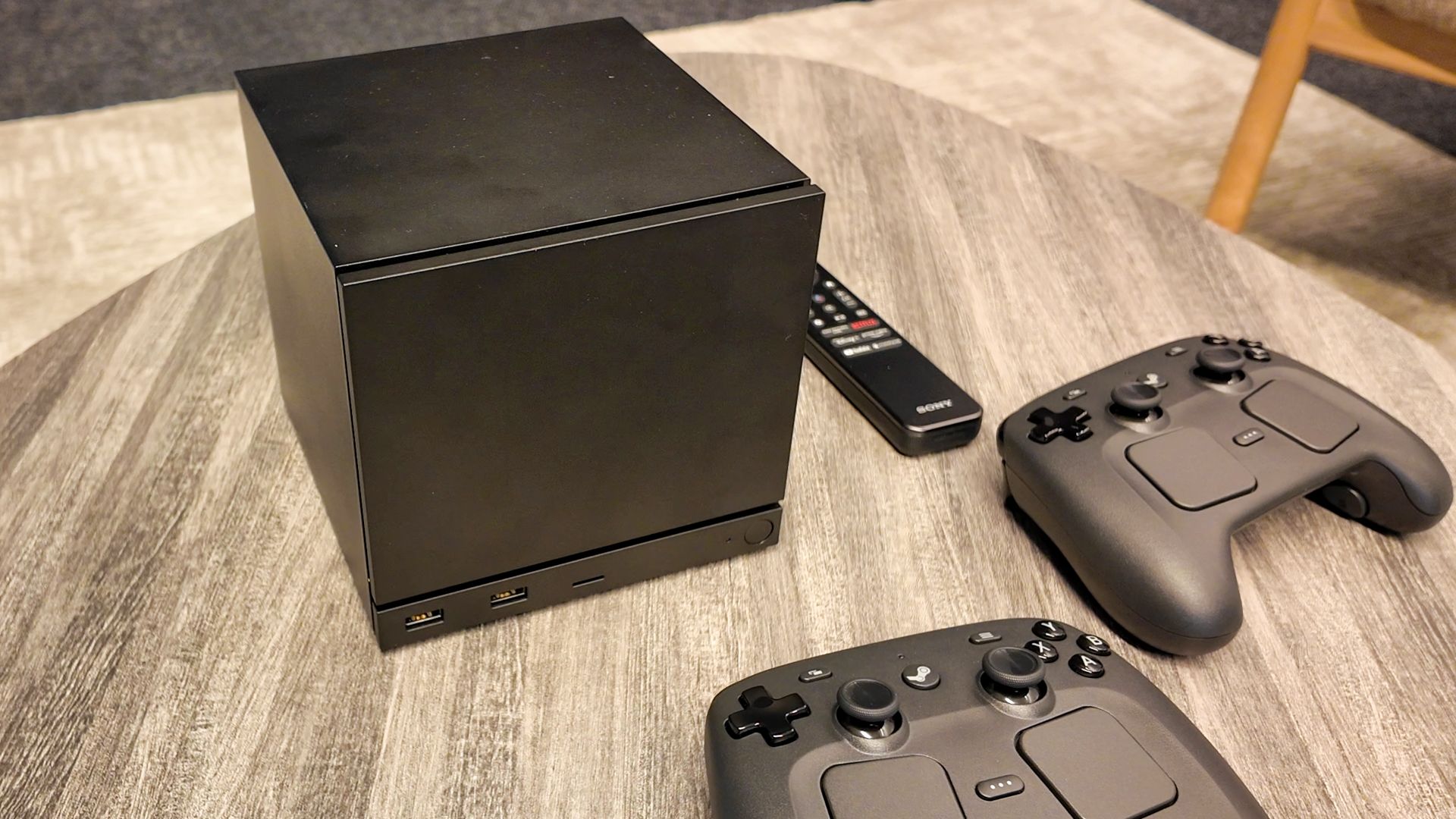
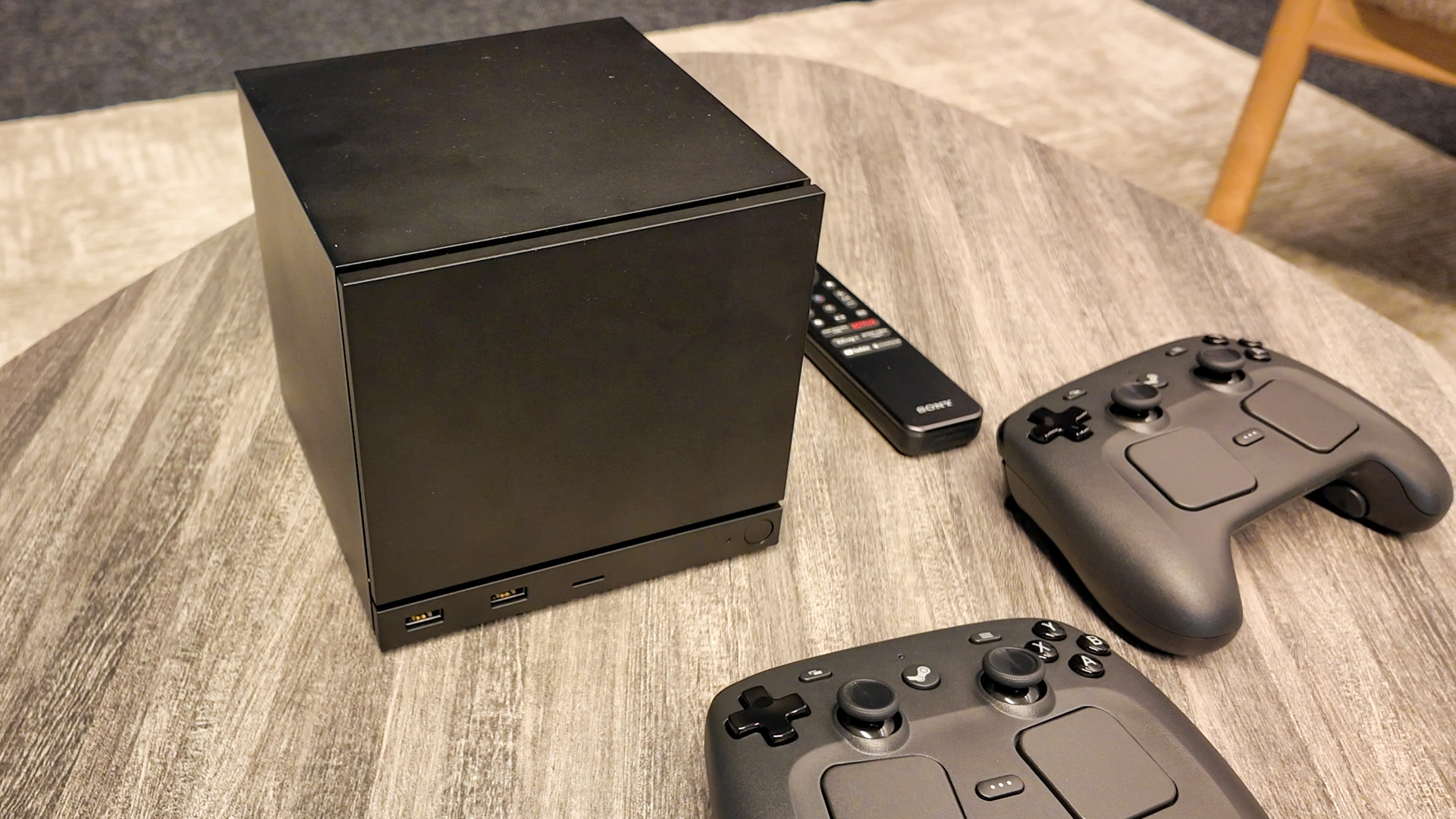
While the device itself is a marvel of industrial design, appearing as a compact, sleek "companion cube" for the living room, initial reactions from early reviewers and the gaming community have been mixed. The core issue isn’t the form factor or the software ecosystem; it is the price-to-performance ratio. Originally conceptualized as an accessible gateway for entry-level PC gamers, the Steam Machine has been pushed into a premium pricing bracket due to the global supply chain crisis.
However, Valve is not resting on its laurels. In a move to salvage the device’s value proposition, the company has confirmed it is working in close, direct collaboration with AMD to bring FSR 4 (FidelityFX Super Resolution) support to the Steam Machine’s RDNA 3-powered architecture. This development, while promising, raises significant questions about the longevity of the platform and the technical realities of modern, machine-learning-driven upscaling.
A Chronology of the Steam Machine Launch
The road to the current Steam Machine release has been anything but straightforward.
- Early 2025: Rumors began circulating about a dedicated, high-performance living room console from Valve, aimed at bridging the gap between the portable Steam Deck and the traditional high-end desktop PC.
- Late 2025: The "AI Apocalypse" hits hardware manufacturing. As memory costs skyrocket, the bill of materials for the Steam Machine rises by over 40%, forcing Valve to shift the product’s positioning from "affordable entry-level" to a "niche premium device."
- Early 2026: Pre-orders for the Steam Machine go live, immediately restricted to a randomized lottery reservation system due to extreme supply constraints.
- May 2026: AMD officially announces the rollout of FSR 4.1—the first iteration of the tech to leverage true machine learning—initially targeting the RX 7000-series graphics cards.
- Current Day: Valve confirms that despite hardware limitations, it is actively developing a tailored FSR 4 integration for the Steam Machine’s custom RDNA 3 chipset.
The Technical Hurdle: Why FSR 4 Matters
The Steam Machine is built upon a semi-custom 28 CU RDNA 3 GPU. By today’s standards, particularly when faced with 4K output on large-format living room televisions, this GPU faces a steep uphill battle. To maintain playable framerates, the device relies heavily on upscaling technologies.
The introduction of FSR 4 is intended to address this by shifting from traditional spatial/temporal upscaling to a machine-learning-based model. Unlike its predecessors, FSR 4 aims to provide image reconstruction that mimics the fidelity of native resolution, significantly reducing the "shimmering" or "ghosting" artifacts often associated with older upscaling techniques.
However, there is a catch. The hardware overhead required to run these ML models is substantial. During recent industry events like Computex, AMD was notably cagey about bringing this tech to RDNA 3.5 architectures—the very chips powering many of today’s gaming handhelds and, by extension, the Steam Machine’s underlying logic. The fact that Valve is in direct talks with AMD to force-fit this capability suggests that the Steam Machine is technically punching above its weight class, requiring custom driver optimization to perform tasks that the architecture was not originally designed to handle at high efficiency.
Official Responses and Industry Outlook
Valve’s official stance remains one of cautious optimism. In a statement provided to the press, the company emphasized that while it cannot provide a firm release date for the FSR 4 patch, the internal testing is moving along.
"We’ve been working with AMD on FSR 4 support for Steam Machine," a Valve representative noted. "We can confirm that it will be coming soon. We can’t say more about timing, but we are excited for users to test it on their Steam Machine press units once it’s available. It should offer a significant improvement in upscaling graphical quality."
This sentiment highlights a critical challenge for the company. They are essentially promising a "software-based hardware upgrade." For the consumer who has already invested a significant amount of money into a system that feels underpowered for the current era of gaming, FSR 4 acts as the "make-or-break" feature. If successful, it could turn the Steam Machine into a viable long-term console. If the overhead is too high, it may just become another piece of hardware that requires constant tinkering to function properly.
The Implications: A Balancing Act for Users
The shift to ML-based upscaling is not without its risks. For owners of the Steam Machine, the integration of FSR 4 represents a "double-edged sword" in three key areas:
1. Performance vs. Fidelity
Because the Steam Machine’s GPU is relatively weak compared to dedicated desktop rigs, the "cost" of running FSR 4—in terms of GPU cycles—might offset the gains in image quality. Users may find themselves in a constant tug-of-war, deciding whether to prioritize the crispness of an AI-upscaled image or the raw frame-per-second count required for fast-paced titles.
2. The Software Compatibility Gap
A common misconception regarding FSR 4 is that it is a "plug-and-play" solution for all games. As it stands, the current list of titles with native support is small, numbering around 20. For the vast majority of games in a user’s Steam library, FSR 4 must be enabled via the Adrenalin Driver software. This raises a massive question regarding SteamOS: how will the Linux-based operating system handle the driver-level injection of FSR 4? If the integration is not seamless, the "console-like" experience Valve aims for will be compromised by technical complexity.
3. The Lifecycle of the Device
If the Steam Machine requires constant, highly specific driver updates from AMD and Valve to stay relevant, what happens when the hardware is officially "legacy"? The reliance on vendor-specific ML models for basic gaming performance suggests that this machine is not a "set it and forget it" console. It is a PC, through and through, and it will require the same maintenance, driver management, and troubleshooting that has kept the DIY PC market complex for decades.
Conclusion: Is the Steam Machine Worth the Wait?
The Steam Machine is a beautiful piece of hardware caught in a historical bottleneck. Its physical design is commendable, but its internal components are being strained by the high-fidelity demands of 2026 software and the absence of affordable high-performance components.
The upcoming FSR 4 update is essentially a lifeline. If Valve and AMD can successfully optimize the machine learning overhead for the RDNA 3 architecture, the Steam Machine could evolve into the device it was intended to be: a compact, capable powerhouse for the living room. However, until that update arrives and until the pricing of memory and silicon stabilizes, the Steam Machine remains a device for the enthusiast—the user who is willing to bet on the future of software-defined hardware rather than the raw power of the silicon sitting on their shelf.
As we wait for the rollout, one thing is certain: the success of this device will be measured not by its launch day, but by how effectively it can adapt to the shifting sands of AI-driven graphics technology. For now, the Steam Machine is a work in progress—a high-stakes experiment in whether software can truly overcome hardware limitations in an increasingly expensive gaming market.

