

Main Facts: A New Era of VR Horror
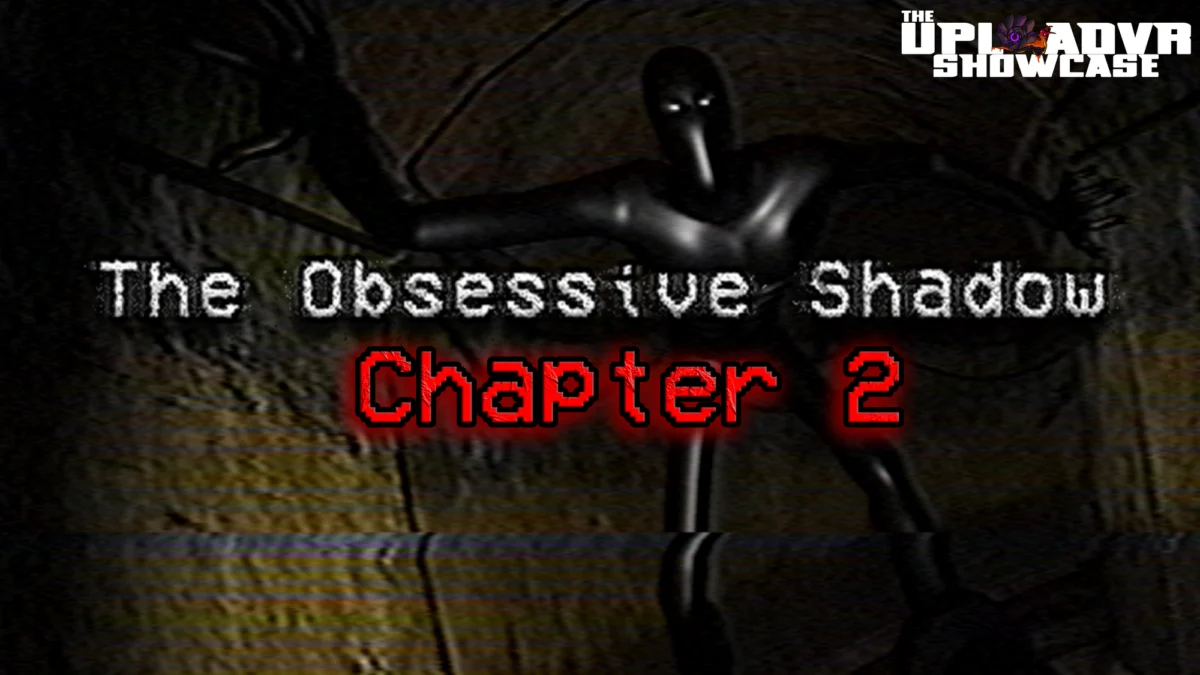
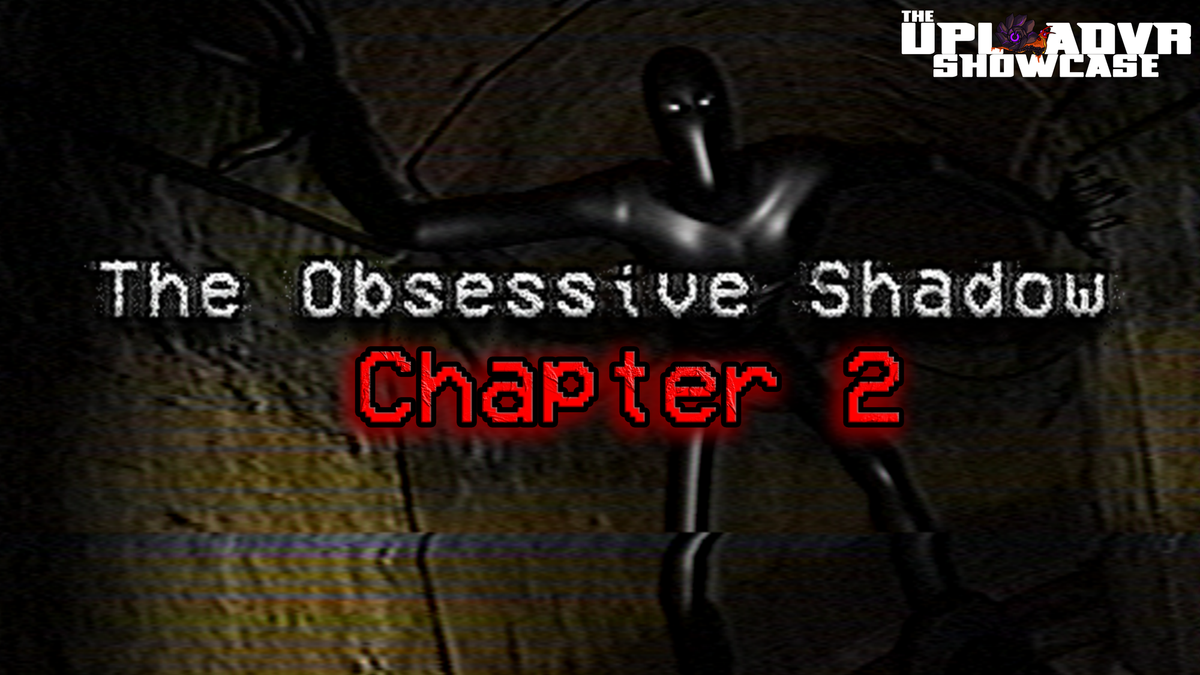
The survival horror landscape received a chilling update today at the UploadVR Summer Showcase, where developers officially unveiled The Obsessive Shadow Chapter 2. Serving as the direct follow-up to the acclaimed 2025 psychological horror hit, Chapter 2 promises to elevate the stakes, moving from the intimate, claustrophobic confines of a single household to the expansive, decaying dread of an abandoned neighborhood.
While the original title focused on the visceral fear of being hunted within one’s own domestic space—a concept further bolstered by the upcoming mixed-reality integration—the sequel pivots to a classic "found footage" aesthetic set in 2006. Players will assume the role of Justin, a sixteen-year-old protagonist whose bravado leads him into a trap of supernatural proportions. Armed only with a digital camcorder and a flickering flashlight, players must survive a night in the desolate streets of Old Diamond Drive. The title is currently slated for a release across all major virtual reality platforms, including PS VR2, Meta Quest, and SteamVR, with a projected launch window scheduled for later this year.
Chronology: From 1980s Domestic Dread to 2006 Abandonment
To understand the gravity of The Obsessive Shadow Chapter 2, one must first examine the timeline established by its predecessor.
The 1980s Foundation
The original Obsessive Shadow (2025) was lauded for its mastery of "home invasion" horror. Set in the mid-1980s, the game centered on the psychological breakdown of a protagonist being stalked by an amorphous, shifting entity. By anchoring the horror in the player’s own familiar environment—or, in the case of the game’s upcoming mixed-reality mode, literally mapping the entity to the player’s physical living room—the developers tapped into a primal fear: that the safest place on earth is no longer secure.
The 2006 Shift
Chapter 2 jumps forward twenty years to the mid-2000s, a period defined by the rise of home video technology and the specific, grainy aesthetic of digital camcorders. The setting, Old Diamond Drive, serves as a narrative bridge; it is the very street where the 1980s haunting took place. Two decades later, the neighborhood has succumbed to decay, becoming a "ghost town" of shuttered windows and overgrown lawns.
The narrative arc begins with a quintessential horror setup: a lost bet. Justin, a teenager seeking to prove his courage, ventures into the neighborhood at night. The transition from the 80s to the 2000s is not merely aesthetic; it reflects the evolution of horror media, moving from the atmospheric slasher tropes of the 80s to the gritty, low-fidelity, high-tension "found footage" style that defined horror cinema in the early 2000s.
Supporting Data: The Evolution of Mechanics and Atmosphere
The reveal trailer showcased during the UploadVR Summer Showcase highlights a significant shift in environmental scale. In the first game, the threat was constant and intimate. In Chapter 2, the threat is environmental.
Expanding the Playable Space
The transition from a single-house interior to a multi-block neighborhood environment introduces new gameplay mechanics. Players are no longer just hiding in closets; they are navigating alleyways, crossing derelict streets, and exploring abandoned houses. This expanded scope requires a more nuanced approach to AI pathfinding. The shadowy creature, which in the first game functioned as a localized stalker, now operates as a persistent hunter across a wider map.
The "Camcorder" Mechanic
The decision to equip Justin with a 2006-era camcorder is a strategic design choice. By forcing the player to view the world through a low-resolution digital viewfinder, the developers are effectively limiting the player’s field of vision and depth perception. This heightens the sense of vulnerability. When the camcorder’s battery runs low or the tape begins to glitch, the player is forced to rely on their flashlight—a mechanic that serves as a beacon for the creature, creating a "risk-reward" loop that is fundamental to the survival horror genre.
Official Responses and Developer Intent
While full developer interviews are pending following the showcase, early statements from the team suggest that The Obsessive Shadow Chapter 2 is designed to address the "feedback loop" created by the original game.
"The goal with Chapter 2 was to take the claustrophobia that our players loved and test how it holds up when the walls are taken away," noted a spokesperson during the reveal. "When you are in a house, you have corners to hide in. When you are on a street in 2006, you have shadows, but no true safety. We wanted to see if the fear would persist when the player is given the illusion of an escape route."
The development team emphasized that the shift to a teenage protagonist was deliberate. By playing as a character with limited combat capability and a reliance on modern (for the time) tech, the game strips away the "power fantasy" often found in VR action titles, reinforcing the helplessness central to the Obsessive Shadow brand.
Implications: The Future of VR Survival Horror
The announcement of Chapter 2 has significant implications for the VR industry at large.
The "Mixed Reality" Precedent
The success of the first game’s mixed-reality update has clearly influenced the development of the sequel. By proving that players are willing to engage with horror that "breaks the fourth wall" of their own homes, the developers have pioneered a new sub-genre of immersive terror. Chapter 2 appears to be the next logical step: scaling the intensity of that experience while utilizing the processing power of newer headsets to render more complex, outdoor environments.
The Return of the "Found Footage" Aesthetic
By leaning into the 2006 setting, the game is signaling a broader trend in VR horror: the use of "period-accurate" digital filters to enhance immersion. In an era of 4K, high-fidelity gaming, the deliberate choice to use pixelated, grainy, and low-light visual styles is a bold artistic statement. It suggests that developers are finding more value in "suggestive" horror—where the player’s imagination fills in the gaps left by the low-resolution visuals—than in hyper-realistic graphics.
Market Positioning
With releases planned for PS VR2, Quest, and SteamVR, the developers are ensuring that The Obsessive Shadow remains a multi-platform powerhouse. By bridging the gap between the high-end fidelity of the PS VR2 and the accessible, standalone portability of the Meta Quest, the game is positioned to reach the widest possible audience of horror enthusiasts.
Conclusion: A Night to Remember
The Obsessive Shadow Chapter 2 is shaping up to be more than just a sequel; it is an expansion of a terrifying universe. By moving the action to the streets of Old Diamond Drive and grounding the experience in the tactile, frustratingly limited technology of the mid-2000s, the developers have crafted a premise that is as nostalgic as it is nightmare-inducing.
As the industry waits for the final release date, one thing is certain: the shadow is no longer confined to the home. It is waiting in the street, in the dark, and behind the viewfinder. For those brave enough to step into Justin’s shoes, the night is going to be very long indeed.
Stay tuned for further updates on release dates, hardware-specific performance metrics, and in-depth developer insights as we approach the launch of The Obsessive Shadow Chapter 2 later this year.

