

By Tech & Industry Desk
Published: September 2026
Main Facts: The Battle That Caught the State’s Attention
The intersection of science fiction and reality took a turbulent turn in San Francisco last week, resulting in swift regulatory intervention. REK, an audacious robotics startup, found itself directly in the crosshairs of the California government after hosting what it aggressively marketed as the world’s first live-action "human versus Terminator robot" combat exhibition.
The event, which featured a physical showdown between a human combatant and an engineered bipedal machine inside a regulation-style fighting ring, quickly went viral. However, the spectacle failed to amuse state authorities. Cix Liv, the founder and CEO of REK, took to social media to publicize a formal cease-and-desist letter issued by the California State Athletic Commission (CSAC).
According to the regulatory body, hosting, promoting, or sponsoring unsanctioned combat sports—particularly those involving experimental hardware and human participants—violates state law. The CSAC explicitly warned the startup that organizing such bouts without a state-issued license constitutes a misdemeanor, effectively shutting down REK’s immediate plans for a recurring combat league.
While tech enthusiasts and sci-fi fans marveled at the footage of a human trading blows with a metallic opponent, state regulators viewed the event through a lens of public safety, occupational health, and legal compliance. The incident has since ignited a broader conversation regarding the regulation of emerging technologies, the boundaries of performance art, and the legal gray areas surrounding autonomous or remote-controlled combat machines.
Chronology: From Garage Concept to State-Level Crackdown
To understand how an underground-style robotics exhibition escalated into a legal battle with the state of California, it is essential to trace the timeline of REK’s ascent and the subsequent regulatory response.
Phase 1: Conceptualization and R&D (Late 2025 – Early 2026)
REK was founded with the explicit mission of pushing the boundaries of mechanical engineering, human-machine interaction, and entertainment. Moving away from traditional industrial applications or academic robotics competitions (such as standard robotic soccer or search-and-rescue simulations), the startup gravitated toward high-impact entertainment. Drawing inspiration from cinematic franchises like The Terminator and Real Steel, the engineering team began developing a ruggedized bipedal robot capable of absorbing physical impacts and delivering calculated counter-force.
Phase 2: The San Francisco Exhibition (September 2026)
Following months of secretive stress-testing and safety modifications, REK finalized plans for a live, closed-door exhibition in San Francisco. Billed as the "World’s First Human vs. Terminator Robot Fight," the event was designed to test the limits of both human athleticism and machine durability.
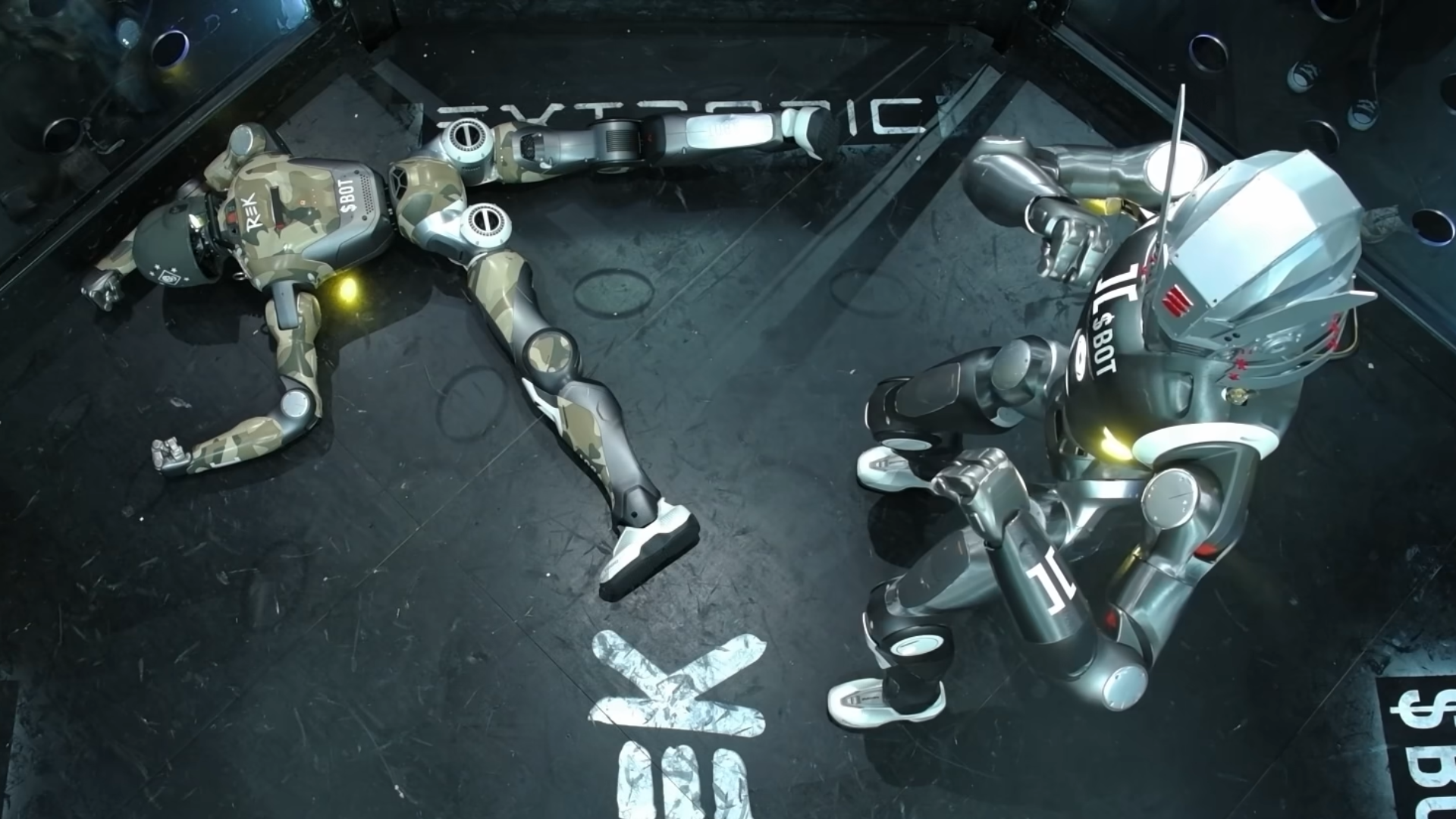
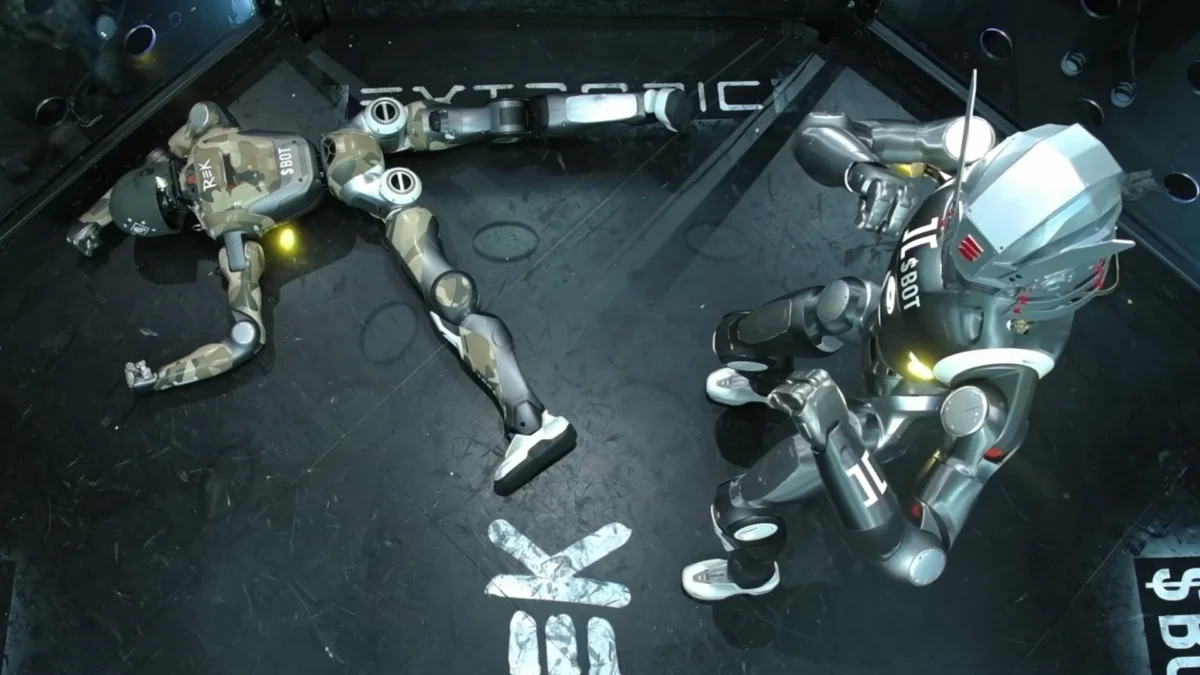
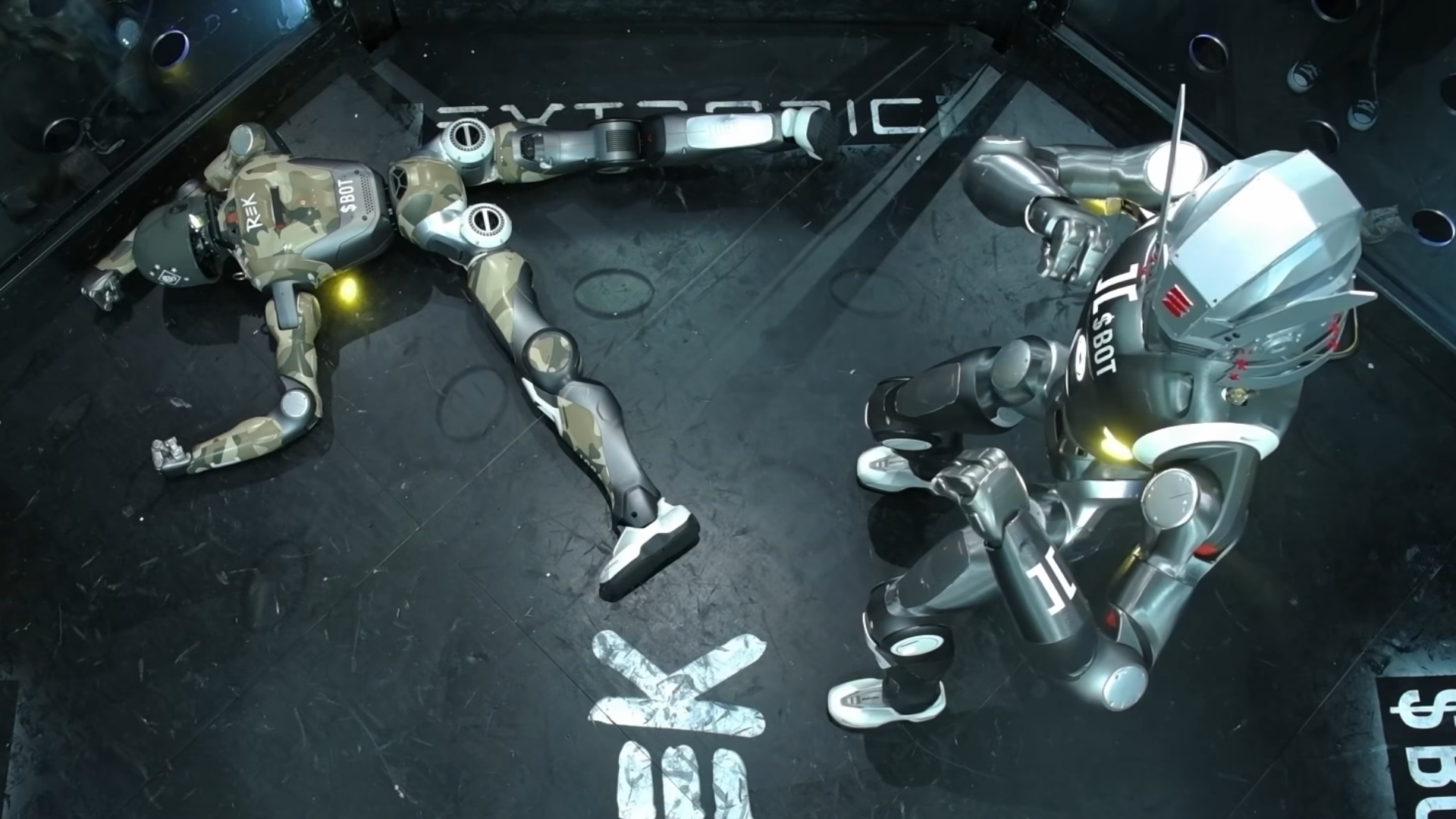
On the night of the event, a packed room of tech insiders, influencers, and media watched as a human fighter stepped into the ring opposite REK’s robotic creation. The bout featured striking, grappling, and high-impact exchanges, culminating in a dramatic knockdown that left the robot incapacitated. Liv promptly uploaded highlights of the match to social media platforms, accompanied by provocative captions questioning whether humanity still stood a chance against rising automation. The video racked up millions of views within hours, capturing global attention.
Phase 3: The Regulatory Hammer Falls (Mid-September 2026)
The viral success of the video proved to be a double-edged sword. While it achieved unprecedented brand visibility for the startup, it also served as high-definition evidence delivered directly to the digital doorstep of state regulators.
Recognizing the event as an unregulated, unsanctioned combat sport operating outside the strict oversight of the Business and Professions Code, the California State Athletic Commission acted swiftly. Within days of the broadcast, REK received an official cease-and-desist order. The document mandated the immediate cessation of all upcoming combat events, prohibited the promotion of similar unsanctioned fights, and underscored that staging combat sports without commission oversight is a criminal misdemeanor in California.
Supporting Data: The Mechanics and Metrics of Mechanical Combat
The spectacle orchestrated by REK was not merely a publicity stunt; it relied on significant engineering milestones, specific regulatory frameworks, and massive digital engagement metrics.
Engineering and Performance Metrics
Building a robot capable of surviving a physical altercation with a human athlete requires an unusual synthesis of materials science, mechanical engineering, and software development. According to technical disclosures released by REK prior to the shutdown:
- Chassis Construction: The robot utilized an aerospace-grade aluminum and carbon-fiber composite frame designed to absorb high-velocity kinetic impacts without fracturing vital internal circuits.
- Actuation: High-torque brushless DC motors and pneumatic actuators provided the machine with rapid limb movement and structural rigidity, allowing it to withstand heavy blows.
- Power Supply: A high-density lithium-polymer (LiPo) battery pack delivered the massive current bursts required for sudden defensive movements and counter-strikes.
- Weight Class: The machine tipped the scales at approximately 180 pounds, placing it in a weight class roughly comparable to a middleweight professional human fighter.
Digital Engagement Metrics
The controversy transformed REK from a niche robotics startup into a household name across tech forums and combat sports communities:
- Viral Reach: The initial fight announcement and highlight reels accumulated over 10 million cumulative impressions across X (formerly Twitter), YouTube, and Reddit within 72 hours of posting.
- Audience Demographics: Engagement analytics indicated a sharp overlap between traditional mixed martial arts (MMA) fandoms and early-adopter tech communities, creating a novel hybrid audience.
The Regulatory Framework
The CSAC operates under the auspices of the California Department of Consumer Affairs. Key statutes governing combat sports in the state include:
- The Boxing Act: Originally formulated to regulate traditional boxing, this legislation has been expanded over decades to cover Mixed Martial Arts (MMA), kickboxing, and any physical combat exhibition where an admission fee is charged or prizes are awarded.
- Licensing Requirements: Promoters, fighters, referees, and medical personnel must be individually licensed by the state. Venues must pass rigorous safety inspections, and certified medical professionals must be ringside at all times.
- Penalties: Holding an unsanctioned professional combat event in California can result in civil injunctions, heavy financial penalties, and misdemeanor criminal charges for organizers.
Official Responses: Silicon Valley Defiance Meets State Bureaucracy
The clash between REK and the California State Athletic Commission highlights a fundamental ideological divide between the fast-moving tech culture of Silicon Valley and the cautious, risk-averse nature of state bureaucracy.
REK’s Perspective: Innovation vs. Red Tape
In statements following the receipt of the cease-and-desist order, representatives for REK expressed a mixture of defiance and bemusement. Founder Cix Liv argued that categorizing a robotics exhibition under traditional boxing and MMA laws demonstrates a severe lack of imagination on the part of regulators.
From REK’s viewpoint:
- Not a Traditional Sport: The event was pitched as a technological demonstration and performance art piece rather than a regulated athletic contest between two human beings.
- The Fighter was Willing: The human participant was a fully briefed, consenting professional who understood the risks associated with testing experimental hardware.
- Stifling Innovation: Startup advocates argue that heavy-handed regulatory responses threaten to drive cutting-edge robotics and entertainment ventures out of California to more permissive states or international jurisdictions.
The State’s Perspective: Public Safety and Legal Consistency
Conversely, the California State Athletic Commission maintained that safety laws cannot be bypassed simply by introducing a mechanical participant. Speaking anonymously through regulatory summaries, state officials emphasized several core principles:
- The Precedent of Injury: Whether a human is fighting another human or a 180-pound machine, the potential for catastrophic physical injury, blunt-force trauma, and structural failure remains high. Unregulated venues lack mandatory ringside physicians, emergency medical transport protocols, and pre-fight neurological clearances.
- Consumer Protection: The state licenses combat sports to ensure fair play, prevent fraudulent setups, and protect audiences and participants from predatory or dangerous promoters.
- The Letter of the Law: Under California law, any organized physical combat exhibition intended for entertainment or profit falls under commission purview. The novelty of the opponent does not exempt organizers from statutory requirements.
Implications: What the REK Incident Means for the Future of Tech and Entertainment
The fallout from REK’s human-versus-robot fight extends far beyond a single legal warning in San Francisco. It serves as a bellwether for how society, the law, and the tech industry will navigate the increasingly blurred lines between humanity and machine automation.
1. The Need for New Regulatory Categories
Current legal frameworks are ill-equipped to handle the rise of advanced robotics in entertainment. Laws written for human boxers and wrestlers do not cleanly apply to autonomous or teleoperated machines. As companies continue to develop bipedal robots, exoskeletons, and combat-capable hardware, lawmakers will eventually need to draft entirely new legal categories that address machine safety, property damage in the ring, and liability when a robot malfunctions.
2. The Migration of Tech Innovation
California has long been the undisputed capital of software and hardware innovation, but regulatory friction has increasingly prompted startups to look elsewhere. Incidents like the CSAC crackdown risk accelerating a "tech exodus," driving experimental hardware companies toward states with friendlier regulatory environments—such as Texas, Florida, or Nevada—or pushing them to host private events entirely offshore.
3. The Commercialization of Sci-Fi Tropes
Despite the legal hurdles, public appetite for human-machine competition is demonstrably massive. The viral success of REK’s exhibition proves that audiences are eager to see how human agility and strategic thinking stack up against computational precision and hydraulic strength. If properly sanctioned and regulated with rigorous safety protocols, robot combat leagues could evolve into the next major spectator sport, bridging the gap between esports, traditional athletics, and Hollywood science fiction.
Conclusion
For now, REK must pause its plans for the ring, navigate the legal complexities of the CSAC’s cease-and-desist order, and decide whether to fight the ruling in court, seek proper licensing, or take its technological marvels across state lines. Whatever path the startup chooses, the day a San Francisco warehouse played host to humanity’s first documented brawl with a terminator-style robot has firmly etched a new chapter in the ongoing narrative of human-machine relations.

