

For years, the "Windows on Arm" ecosystem has been a frustrating paradox for power users and gamers alike. While the architecture promised incredible battery life and efficiency—hallmarks of the mobile experience—it was perpetually held back by a lack of performance-oriented hardware. Historically, the landscape was dominated by Qualcomm’s Snapdragon processors paired with Adreno graphics, or occasionally, experimental configurations using repurposed Mac silicon. However, the paradigm is shifting. With the recent announcement of Nvidia’s RTX Spark, a dedicated Arm-based processor boasting genuine GPU capabilities, the industry is witnessing a potential watershed moment.
Now, fresh reports from the community suggest that this "spark" has ignited a broader movement, proving that high-performance Nvidia GPUs might finally find a permanent home on the Windows on Arm platform.
The Breakthrough: RTX 4060 Meets Arm Architecture
The most compelling evidence of this shift comes from the developer community. As recently highlighted by Windows Latest, a developer known as VoidTech has successfully forced an Nvidia RTX 4060 to interface with a Windows on Arm environment. By leveraging a modified driver derived from the forthcoming RTX Spark laptop software, the developer managed to bring a standard desktop-grade GPU to life on an ARM-based machine.
This achievement, documented on the Chinese platform Bilibili, utilizes a version 590 driver. While this version is significantly older than the current mainstream Nvidia driver branch (which has reached version 610.74), it represents a critical proof-of-concept. The significance of using an RTX Spark-based driver cannot be overstated; it indicates that the underlying architecture for Nvidia’s new Arm chip is fundamentally compatible with the company’s existing GPU stack, provided the software bridges are built correctly.
A Chronology of the Windows on Arm Struggle
To understand why this is a major development, one must look at the historical hurdles facing Arm-based Windows devices:
- The Early Years: Windows on Arm began as a niche experiment, characterized by poor app compatibility and limited processing power. The lack of native GPU drivers meant that anything beyond basic desktop tasks was essentially off-limits for gaming.
- The Qualcomm Dominance: Qualcomm’s Snapdragon series eventually stabilized the platform, but the Adreno graphics were never intended for high-fidelity, AAA gaming.
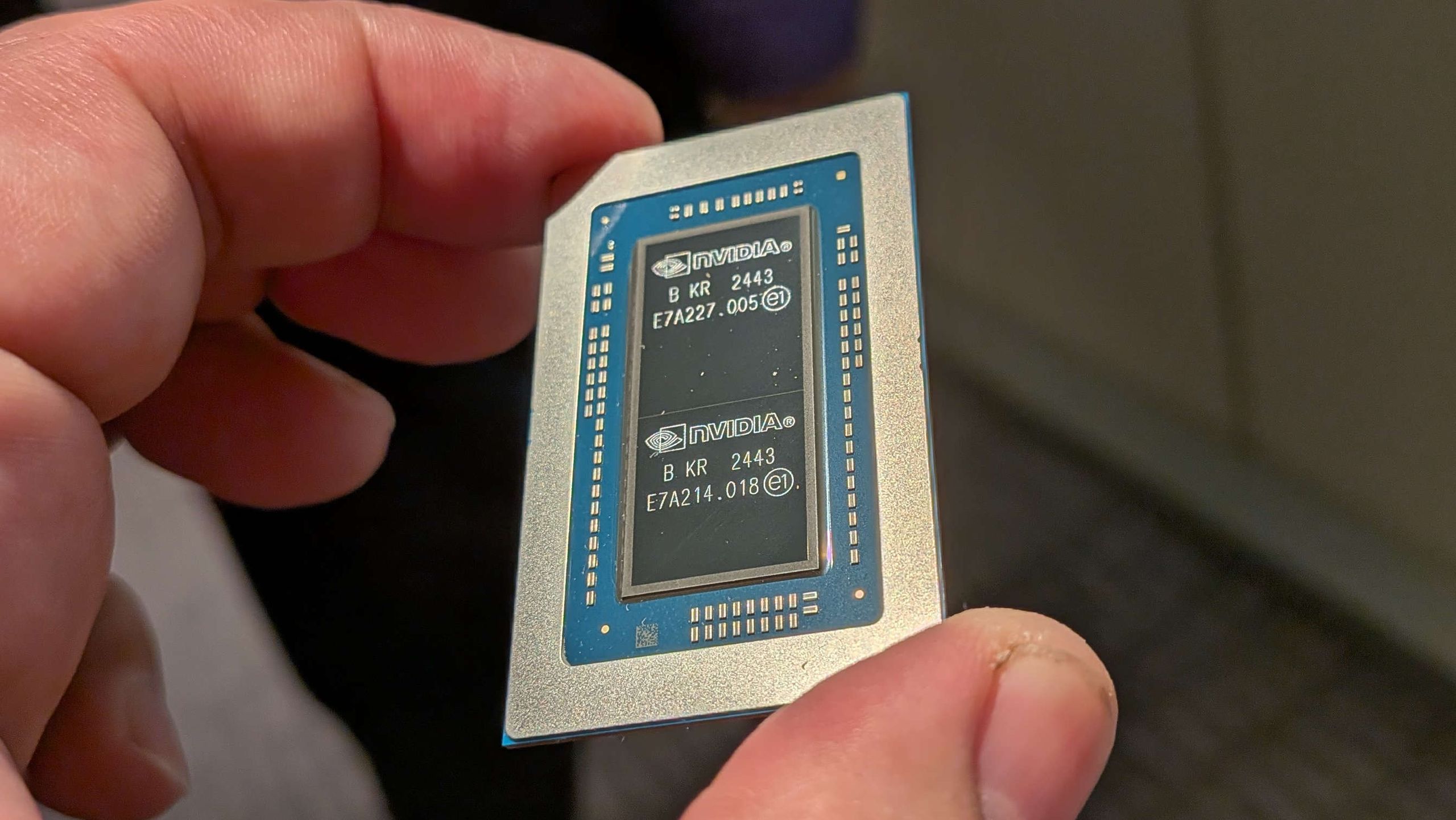
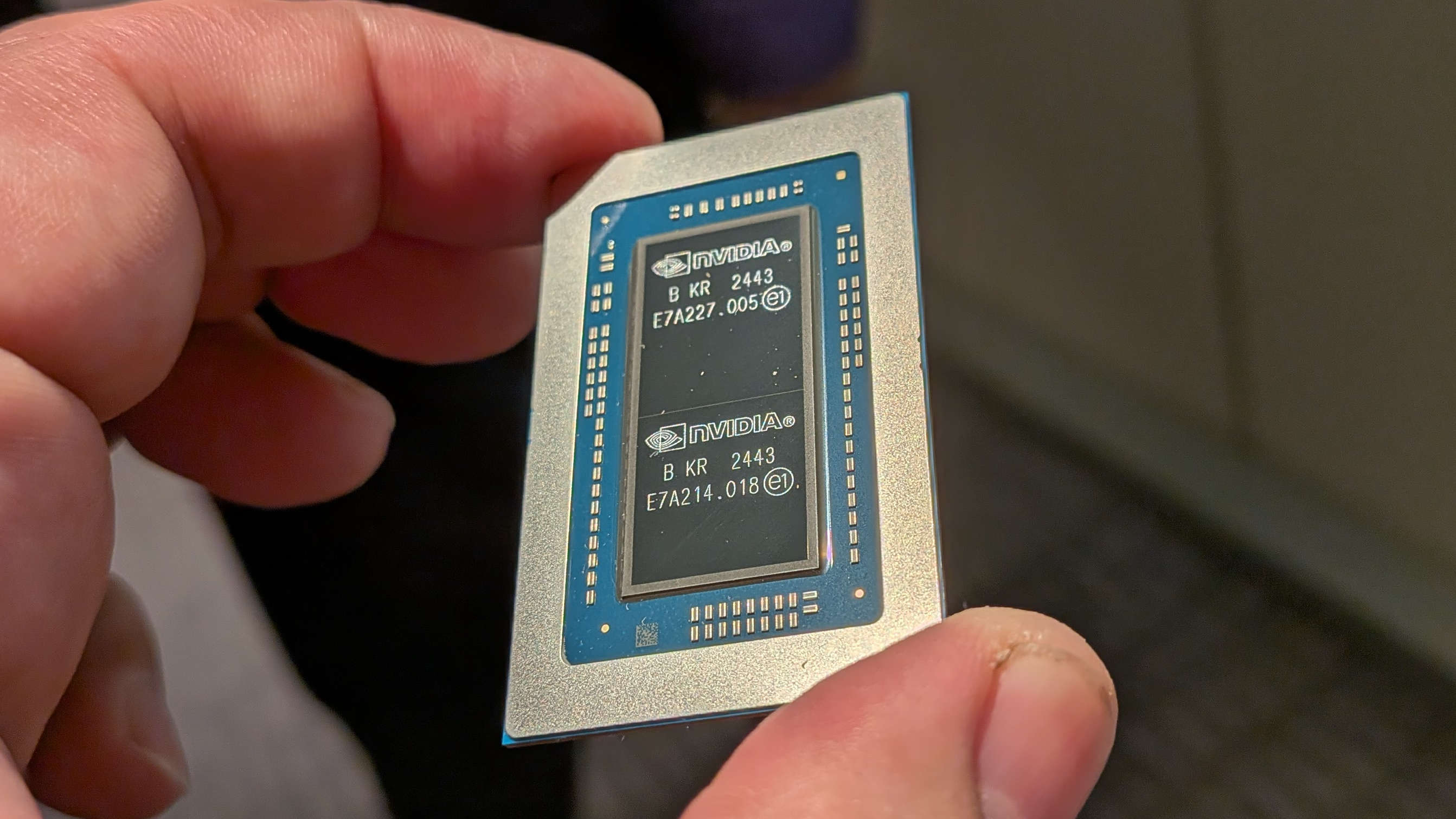
- The "Spark" Announcement: In mid-2026, Nvidia unveiled the RTX Spark. Unlike previous iterations, this chip was designed from the ground up to integrate high-end graphics performance into an Arm-based SoC (System on a Chip), signaling Nvidia’s intent to compete directly in the premium laptop space.
- The Community Response: Within weeks of the RTX Spark’s unveiling, developers began dissecting leaked or early-access drivers. The VoidTech project serves as the culmination of this effort, moving from theory to tangible hardware implementation.
Performance Metrics: Reality vs. Potential
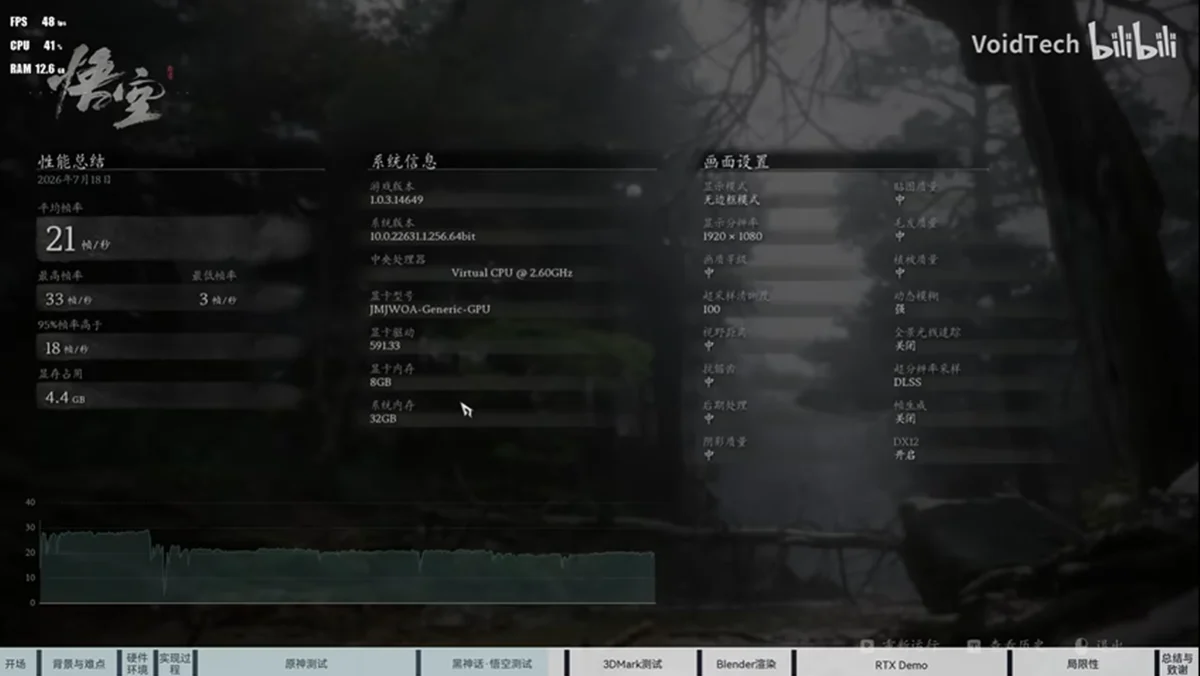
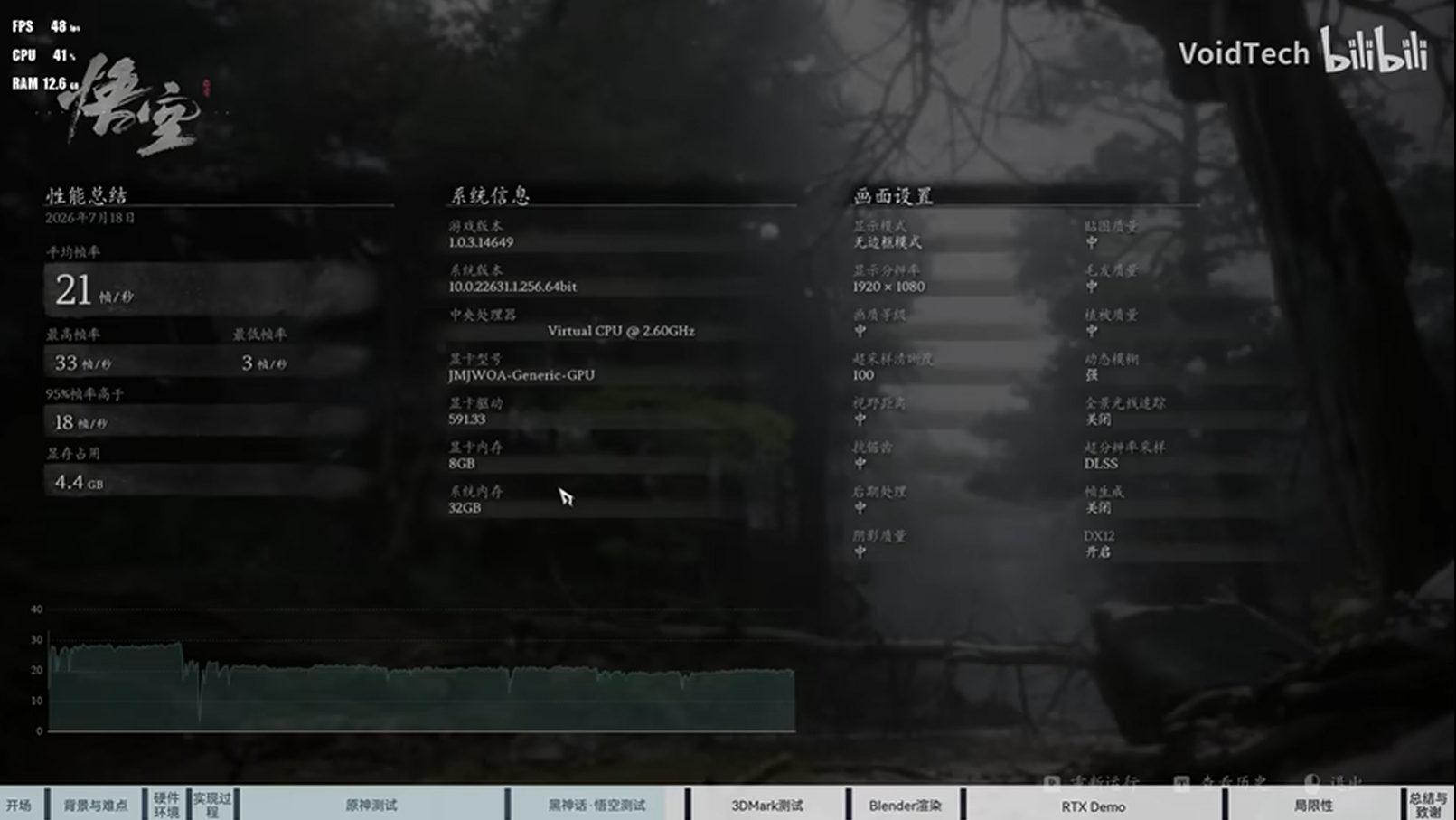
The performance results of the VoidTech experiment, while far from perfect, offer a fascinating glimpse into the future. Running the Black Myth: Wukong benchmark—a title that pushes modern hardware to its limits—the RTX 4060 on this custom Arm setup managed an average of 21 frames per second (fps) at 1080p resolution.
While 21 fps is hardly the "smooth experience" gamers demand, it must be contextualized. This test was performed on a Huawei Kunpeng 920 processor, a chip architected for server-side operations rather than consumer gaming. Furthermore, the driver stack is a patchwork, not a polished retail product.
When comparing this to a standard Windows x86 installation where the same RTX 4060 card delivers upwards of 50 fps on high settings, the delta is clear. However, the fact that a consumer GPU can render complex, modern graphics on an Arm-based operating system at all is a technical triumph. It suggests that once the drivers are optimized and the host CPUs are designed for gaming, the bottleneck will be removed.
Official Stance and The RTX Spark Ecosystem
Nvidia has been characteristically bold regarding the RTX Spark. The company has publicly promised 100 fps at 1440p resolution for the latest AAA games on machines equipped with the Spark chip. Our internal testing of early Spark-equipped laptops, specifically playing Alan Wake 2, showed remarkably smooth performance, validating that Nvidia’s native Arm-build optimizations are not just marketing fluff.
The industry is currently waiting for the official autumn launch of the first wave of RTX Spark devices. These machines will serve as the "gold standard" against which all future Arm-based gaming devices will be measured. Nvidia is currently preparing the N1x Windows 11 GPU drivers, which are expected to provide the stability and performance the current, hacked-together community drivers lack.
The Implications for the Future of Gaming
The successful operation of a discrete RTX 4060 on an Arm machine carries profound implications for the PC market:
1. The Death of x86 Exclusivity
If Nvidia can effectively "port" its driver architecture to work across Arm, it breaks the long-standing monopoly that x86 (Intel/AMD) has held over the enthusiast gaming market. This could force a more competitive landscape, where efficiency-first Arm chips can finally be paired with the raw power of dedicated Nvidia graphics.
2. Latent Hardware Potential
As noted by industry observers, early Qualcomm Snapdragon X Elite development units contained BIOS references to PCIe graphics connections. This implies that the possibility for discrete GPU support on Arm was always there, waiting for the right software catalyst. Now that the door has been kicked open by the RTX Spark drivers, we may see a wave of "eGPU" or "discrete GPU" support for a variety of Arm laptops.
3. Software Parity
The biggest hurdle remaining is software compatibility. While the hardware might eventually run, games must be compiled for the Arm instruction set to achieve maximum performance. The progress made with Alan Wake 2 on native Arm builds is a promising sign that developers are beginning to take the architecture seriously.
4. Modular Upgradability
If the industry moves toward standardized drivers for Arm, we could see the return of modularity. Imagine a future where an Arm-based laptop allows for a standardized GPU connection, letting users swap or upgrade their graphics processing units—a dream that has been largely relegated to desktop towers for the last decade.
Conclusion: A New Frontier
The journey of the RTX 4060 on Windows on Arm is a story of community ingenuity meeting corporate innovation. While the current 21 fps performance in Black Myth: Wukong might not entice the average gamer, it is the herald of a massive transition.
Nvidia’s RTX Spark is effectively the "Trojan Horse" that will bring the vast, mature library of Windows gaming into the Arm era. As we look toward the autumn launch of the first official RTX Spark devices, the question is no longer if Arm will be a viable gaming platform, but how fast it will displace the traditional x86 powerhouses.
For the enthusiasts who have long wanted the battery life of a mobile device combined with the graphical prowess of a gaming rig, the "spark" of innovation has arrived. The era of the Arm-powered gaming powerhouse is no longer a distant possibility; it is an emerging reality.

