

In the landscape of modern horror gaming, few franchises possess the cultural weight and visceral, polarizing history of Clive Barker’s Hellraiser. While the 1987 original film remains a landmark of practical effects and gothic transgression, it has long been criticized for a narrative dissonance—stunning visual concepts hampered by wooden dialogue and a disjointed script. Saber Interactive’s latest project, Hellraiser: Revival, aims to rectify this historical imbalance, translating the series’ fetishistic, nightmarish aesthetic into a high-octane survival horror experience that prioritizes player agency over passive observation.
The Evolution of Horror: From Silver Screen to Interactive Nightmare
For decades, the horror genre has served as a crucible for innovation, moving from the slasher-heavy tropes of the 1980s to the psychological dread that defines contemporary hits. The journey of Hellraiser from a cult film to a modern interactive medium represents a significant pivot for the franchise.
Critics and fans alike have long noted that the original Hellraiser film was a study in contrasts. Roger Ebert’s legendary 1987 review famously derided the film for its "bankruptcy of imagination" regarding character development and dialogue, even as he acknowledged the technical brilliance of its gore and Cenobite design. Saber Interactive appears to have taken this critique to heart. By shifting the perspective from the viewer to the player, Hellraiser: Revival bypasses the need for exposition-heavy dialogue by forcing the player to confront the "suffering" directly through gameplay mechanics.
Chronology: A New Dimension of Gameplay
The development of Hellraiser: Revival signals a shift toward a more aggressive, action-oriented survival horror. While details on the full scope of the campaign remain under wraps, initial hands-on impressions suggest a structured progression that balances atmospheric exploration with intense combat sequences.

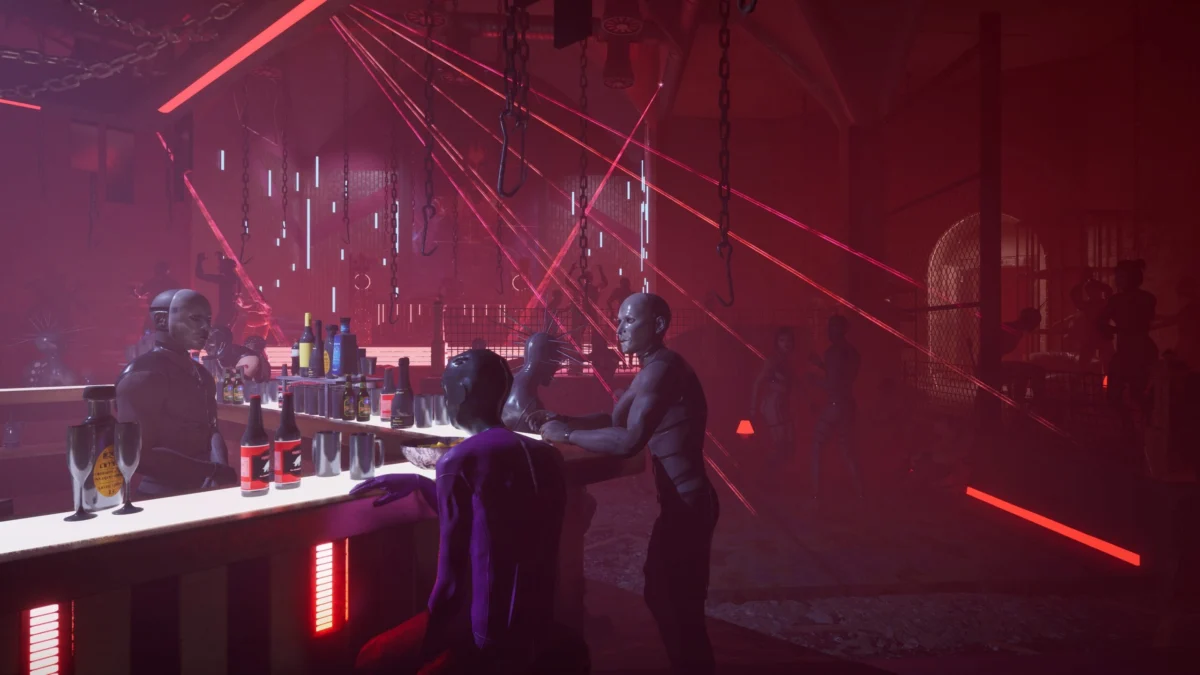
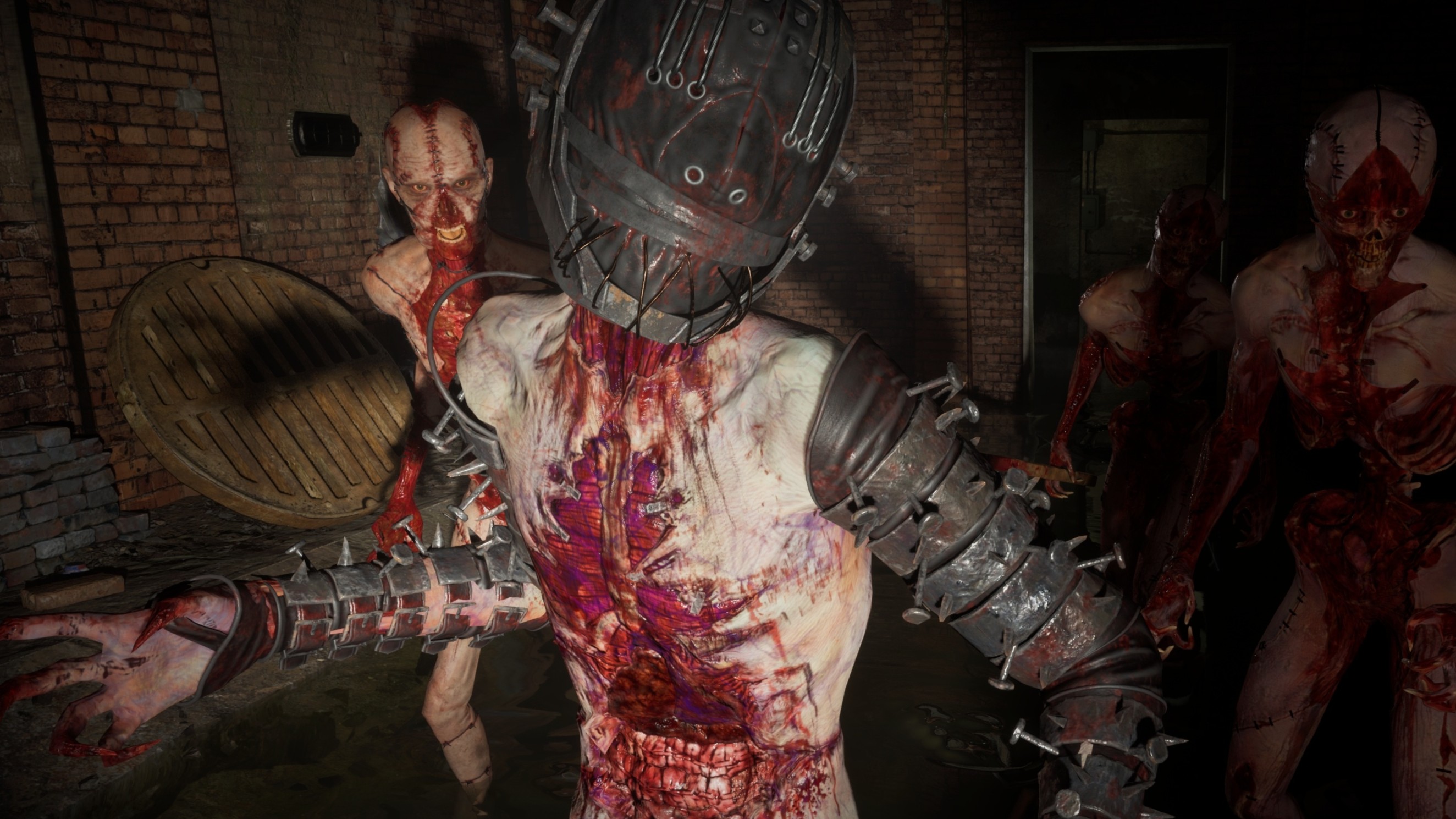
- The Cultist Club (The Opening Act): The game introduces players to a gritty, fetish-inspired environment. Here, the focus is on environmental storytelling and resource management. Players encounter cultists outfitted in kinky, armor-like gear, requiring tactical dismemberment and weapon mastery.
- The Transition to the Labyrinth: A pivotal moment occurs when the player is transported from the "real world" to the hell dimension. This shift in setting marks the transition from survival-based stealth to spatial-puzzle solving.
- The Escher Room: Players are tasked with manipulating the environment—reminiscent of M.C. Escher’s architectural nightmares—to navigate the hellscape. The introduction of the Lament Configuration as a gameplay tool allows for the manipulation of fire and environmental hazards, echoing the elemental power-ups seen in titles like BioShock.
- The "Increasing Suffering" Mechanic: The culmination of these segments often ends with a deliberate, tongue-in-cheek interactive prompt: "Press F to Increase Suffering." This meta-narrative choice highlights the game’s awareness of its own absurdity.
Supporting Data: Mechanics and Aesthetic Influence
Hellraiser: Revival is categorized by Saber Interactive as "survival horror action." This distinction is critical; it places the game in a precarious middle ground between the slow-burn dread of Resident Evil and the kinetic, high-octane violence of The Darkness.
Combat and Resource Scarcity
The game enforces a strict economy of resources. Ammunition for pistols and shotguns is kept at a minimum, forcing players to rely on the Lament Configuration’s magical properties or brutal melee finishers. The use of a "Jagged Messer"—a massive, dismemberment-focused machete—serves as the primary tool for dealing with enemies who are too well-armored for standard ballistics.
Environmental Design and "Nasty" Realism
The game’s aesthetic is unapologetically graphic. The inclusion of BDSM-inspired iconography, from scattered flyers to intricate set designs, ensures that the tone remains faithful to the source material’s preoccupation with the intersection of pain and pleasure. This is not a "scary" game in the traditional jumpscare sense; rather, it is a persistent exercise in "discomfort-horror." The commitment to this aesthetic is so deep that it includes details as mundane as ASCII art on discarded technology, grounding the otherworldly horror in a palpable, grimy reality.
Official Stance and Developmental Philosophy
Saber Interactive has positioned Hellraiser: Revival as an homage to the "B-movie" sensibility of the 80s, updated for a modern hardware generation. By avoiding the pitfalls of a purely narrative-driven experience, the developers are banking on the idea that players prefer to participate in the madness rather than merely witness it.

While the developer has been relatively quiet regarding the game’s overarching plot, the focus remains on "survival horror action." This indicates a philosophy where the "Hellraiser" name is used not just for brand recognition, but as a framework for testing the limits of what a player is willing to do to progress. The lack of traditional "scares" is replaced by a sense of pervasive, "fucked up" environmental details that keep the player in a state of high alert.
Implications for the Horror Genre
The release of Hellraiser: Revival could mark a turning point for licensed horror games. Historically, these titles have struggled to maintain the integrity of their source material while providing a compelling gameplay loop. By embracing the "horny," over-the-top, and grotesque nature of Clive Barker’s work, Saber is proving that there is a market for games that lean into the "edginess" of their predecessors.
The Loss of Queer Themes?
One area of concern remains the potential dilution of the original film’s complex queer themes. While the game excels in its commitment to the aesthetic of the series, some critics argue that the visceral, combat-focused gameplay may overshadow the deeper, more subversive messages inherent in Barker’s original vision. Whether the game can successfully weave these thematic layers into its "survival action" structure remains to be seen.
Setting a New Benchmark
If Hellraiser: Revival succeeds, it will likely pave the way for other cult-classic franchises to receive similar treatment. The game proves that you do not need to rewrite the plot of a 1980s film to make it relevant; you simply need to translate the feeling of that film into a language that gamers understand: mechanics, environmental storytelling, and the sheer satisfaction of mastering a difficult, hostile world.
Conclusion
Saber Interactive is taking a calculated risk with Hellraiser: Revival. By rejecting the traditional, often stagnant, horror-game tropes in favor of an unapologetically aggressive, high-concept experience, they are inviting a new generation of players to solve the puzzle box. Whether the game ultimately becomes a cult classic or a footnote in the history of licensed adaptations, it has already achieved something remarkable: it has made the world of the Cenobites feel tactile, dangerous, and, most importantly, fun to inhabit.
As the player navigates the shifting corridors of the hell dimension and learns to wield the Lament Configuration against the very forces of suffering, the promise of the game becomes clear. It is not trying to be the next Silent Hill or Resident Evil; it is trying to be the most authentic, unapologetic, and "nasty" Hellraiser experience ever produced. For fans of the franchise, and for those who enjoy the dark, gritty corners of the horror genre, that is more than enough.

