

The gates of Oblivion are swinging wide once more, but this time, the journey to Tamriel is going portable. Bethesda Softworks has officially confirmed that The Elder Scrolls IV: Oblivion Remastered is slated for a Nintendo Switch 2 release on August 11. The announcement, accompanied by a tongue-in-cheek trailer featuring a live-action appearance from the iconic—and notoriously persistent—"Adoring Fan," has ignited excitement among long-time fans of the franchise. However, as the industry prepares for this high-profile port, a shadow of uncertainty remains regarding the state of the remaster’s technical polish, particularly in light of the ongoing struggles faced by PC players.
The Announcement: A Return to the Imperial Province
The reveal trailer leaned heavily into nostalgia, utilizing the series’ signature humor to bridge the gap between the 2006 original and the modern remaster. By centering the marketing on the Adoring Fan, Bethesda signaled a commitment to the "soul" of the original experience—a game defined by its quirks, its high-fantasy ambition, and its memorable inhabitants.
According to the official press release, the Switch 2 version will feature full integration of the console’s hardware-specific capabilities, including refined motion controls for combat and archery, as well as intuitive touch-screen interface management for inventory and spellcasting. Perhaps most significantly for collectors and purists, Bethesda has confirmed that the physical cartridge will contain the full game, bucking the industry-wide trend of "digital-only" releases and mandatory day-one downloads. This decision serves as a massive win for game preservationists and those concerned about the volatility of digital-only game ownership.
A Chronology of the Remastered Experience
The path to this announcement has been anything but smooth. Oblivion Remastered was initially launched on PC to a polarized reception. While the graphical overhaul was welcomed, the technical foundation of the remaster drew immediate fire from the community.
- Initial Launch: The game arrived with high expectations, promising to bring the classic RPG into the modern era with improved lighting, textures, and UI elements.
- The Post-Launch Crisis: Shortly after release, players began reporting significant stability issues, including frame-rate hitches, broken character models, and logic errors.
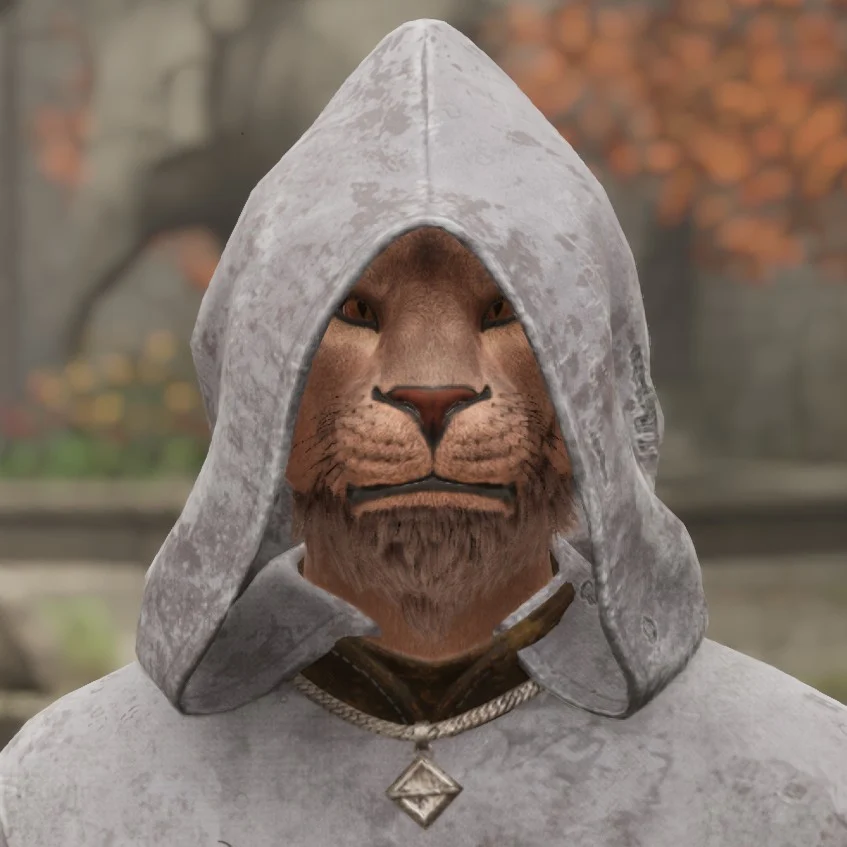
- The Patching Phase: Bethesda responded with a series of updates. Notably, these patches addressed embarrassing oversights, such as the "wonky" Khajiit tail animations and a lore-breaking door in the Dark Brotherhood sanctuary—a fix that proved the developers were listening, if belatedly.
- The Current Status: Despite these interventions, the PC version remains in a state of flux. Players still report persistent stuttering while traversing the open world, and visual artifacts, such as dark lines across character eyelids during blink animations, continue to break immersion.
Technical Analysis: When Polish Meets Persistence
For a title that has been available on PC for some time, the lingering bugs in Oblivion Remastered are becoming a point of contention. The Universal Elder Scrolls Pages (UESP) maintains a comprehensive list of known issues that have survived the transition from the original 2006 engine to this newer iteration.
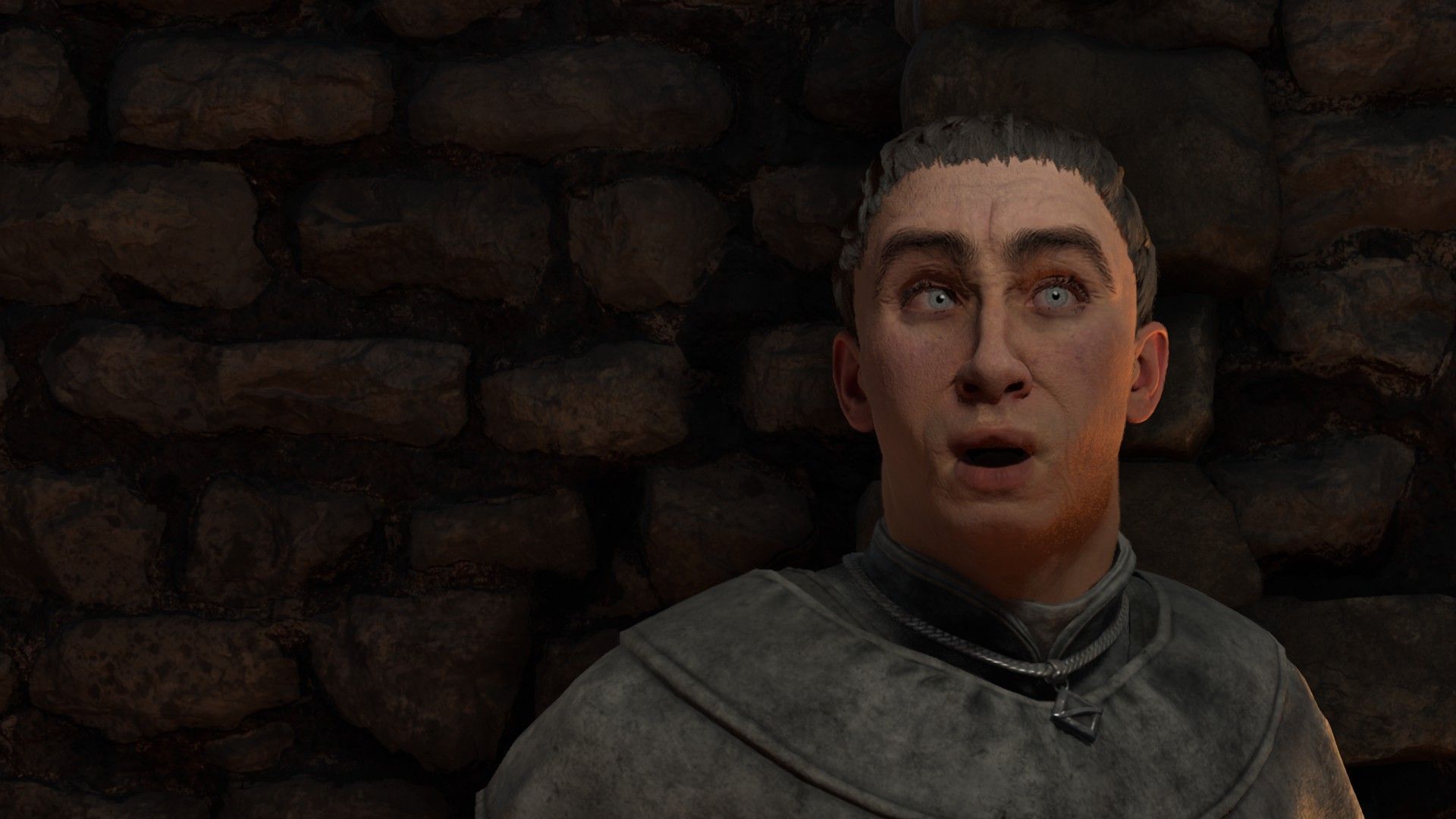
One of the most glaring issues is the inconsistent voice acting. In some instances, NPCs who were supposedly "re-voiced" or cleaned up still retain the erratic audio quality of the original release. A prime example is Brother Holger, whose dialogue remains jarringly inconsistent, sounding as if he has been spliced together from disparate takes. Even more bizarre is the inclusion of "blooper-reel" style audio—such as Tandilwe’s voice actor clearly stating, "Let me do that one again"—which has been left in the game. While some fans interpret these as "meme-worthy" nods to the game’s history, others argue that in a professional remaster, these errors should have been rectified.
After 60 hours of gameplay—a common milestone for Bethesda titles—these minor imperfections begin to accumulate, transforming from "charming quirks" into significant sources of frustration. The question remains whether the Nintendo Switch 2 version will receive a more comprehensive "Day One" patch to address these legacy bugs, or if it will arrive as a carbon copy of the current PC build.
The Steam Deck Dilemma
The conversation regarding Oblivion Remastered is incomplete without addressing the handheld market. While the game is currently verified for the Steam Deck, the consensus among the PC gaming community is that the experience is suboptimal.
Currently, users who wish to play Oblivion on the go are arguably better served by the original 2006 version, heavily modified with community-created patches and graphics mods. The original game, when augmented by the passion of the modding scene, offers a more stable and aesthetically pleasing experience than the official remaster. This creates a difficult value proposition for the Remastered edition; if the official product cannot outperform a 18-year-old game running on fan-made software, its necessity is called into question.
Official Responses and Industry Implications
Bethesda has remained relatively tight-lipped regarding the specific technical hurdles of the port. However, their focus on the Switch 2’s capabilities suggests that they view this as a primary platform for the title. By utilizing the unique hardware, they hope to distinguish the Switch 2 version from the PC release, which has struggled to find its identity.
The industry at large is watching this release closely. As major publishers continue to push for digital-only distribution models—a trend that has sparked significant backlash—Bethesda’s decision to provide a complete, offline-capable experience on a physical cartridge is a bold move. It validates the concerns of consumers who feel that "Remastered" should imply a higher standard of technical perfection, rather than just a graphical bump.
The Road Ahead: What to Expect on August 11
As we approach the August 11 release date, the gaming community is split. There is a palpable hunger for a definitive, stable way to play one of the most influential RPGs of all time. If the Switch 2 version manages to iron out the frame-rate hitches and fix the lingering animation errors that plague the PC version, it could serve as the "true" version of the remaster.
Conversely, if the port inherits the same bugs that have persisted since launch, it may serve as a reminder that a fresh coat of paint cannot hide a crumbling foundation. Bethesda has a golden opportunity to restore faith in the Oblivion Remastered brand. They have the source material, the hardware, and the audience. All that remains to be seen is if they have the commitment to fix the minor, yet immersion-breaking, details that currently stand between a good remaster and a masterpiece.
For the player who just wants to return to the Shivering Isles or climb the steps to the Imperial City, the stakes are high. August 11 will not just be a release date; it will be a verdict on whether Bethesda is capable of honoring the legacy of The Elder Scrolls with the technical precision that a modern audience demands. Whether you are a veteran of the Great War or a newcomer stepping out of the Imperial Sewers for the first time, the arrival of Oblivion on Nintendo’s new hardware is, for better or worse, one of the most significant releases of the year.

