

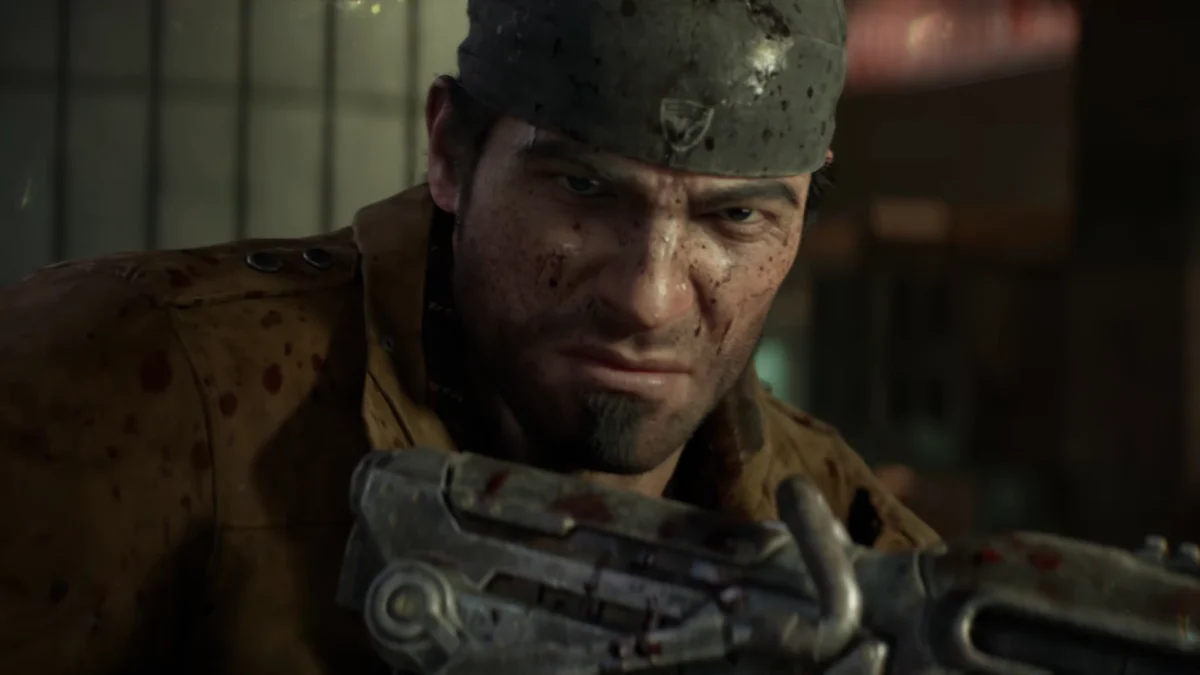
The modern gaming industry is currently navigating a period of profound instability, where even the most anticipated, high-profile projects—and the talent behind them—are not immune to the volatility of corporate restructuring. The latest chapter in this narrative concerns The Coalition, the studio behind the legendary Gears of War franchise, which has seen key personnel cuts despite the imminent launch of its latest title, Gears of War: E-Day.
Juan Vaca, the story director for the highly anticipated project, recently announced on LinkedIn that he is among those affected by Microsoft’s latest wave of layoffs, framed under the company’s ongoing Xbox "reset." This development, occurring just days after the game reached "gold" status, serves as a sobering reminder of the disconnect between creative achievement and corporate job security in the 2020s.
The Chronology: A Premature Departure
The timeline of these events underscores the jarring nature of modern studio layoffs.
- September 17, 2026: Microsoft and The Coalition proudly announce that Gears of War: E-Day has officially gone gold, signaling that development is complete and the game is ready for mass production and digital distribution. Excitement in the community reaches a fever pitch as pre-install specifications are released.
- September 22, 2026: Matt Booty, President of Game Content Studios at Xbox, publishes a blog post titled "Continuing Our Reset," outlining further structural changes within Microsoft’s gaming division. While the post does not explicitly name The Coalition, it signals a broad shift in operational focus.
- Late September 2026: Shortly following the announcement of the "reset," Juan Vaca, a pivotal creative force behind the E-Day narrative, confirms his departure via social media, stating he is now seeking new opportunities in games, film, and television.
- October 6, 2026: The scheduled global release date for Gears of War: E-Day.
For a project to reach the finish line of development—the gold milestone—only for its lead creative voices to be removed before the product hits shelves, highlights a systemic issue regarding how large-scale publishers value human capital relative to intellectual property.
Supporting Data: An Industry-Wide Pattern of Instability
The case of Juan Vaca is not an isolated incident; it is part of a pervasive pattern that has plagued the games industry for years. The "reset" at Microsoft is merely one instance of a broader trend where record-breaking success or critical acclaim provides no safety net for developers.
The Bit Reactor Precedent
The industry recently watched in disbelief as Bit Reactor, the studio behind the critically acclaimed Star Wars: Zero Company, was forced to furlough the majority of its staff. The situation was objectively baffling: the game had become a bestseller on Steam, garnered glowing reviews from critics, and shifted an estimated one million copies. Despite these metrics, the studio was unable to maintain its workforce.
The Apex Legends Case
This trend of "post-achievement layoffs" was perhaps most visible last year, when a writer for Apex Legends was laid off just 24 hours after the debut of a character she had spent a year developing. The irony of the situation—where an employee’s work is used as a marketing tool to drive engagement, only for that employee to be deemed "redundant" the following day—has become a recurring nightmare for developers.
These examples suggest that in the eyes of many major publishers, human talent is increasingly viewed as a temporary resource rather than a long-term investment.
Official Responses and the "Reset" Narrative
Microsoft’s communication regarding these layoffs has been handled with the clinical, high-level language typical of major corporate restructuring. In the "Continuing Our Reset" blog post, Matt Booty emphasized the need for efficiency, cross-studio collaboration, and long-term sustainability.
However, the lack of specific detail regarding the impact on individual studios like The Coalition leaves a vacuum that is filled by industry speculation and employee frustration. When companies frame job losses as a "reset" or "streamlining," they often omit the human cost. The narrative provided by the company is one of future-proofing, but for the professionals whose livelihoods are severed, the reality is far more immediate and personal.
There is a growing chasm between the public-facing image of these companies—which celebrate the "creators" and "visionaries" during press conferences—and the back-office decisions that remove those same people the moment a product enters the shipping phase.
Implications: The Long-Term Impact on Development
The implications of this environment are severe, extending far beyond the immediate grief of those laid off.
1. Erosion of Institutional Knowledge
When studios shed veteran staff like Vaca immediately after a project is finished, they lose the institutional knowledge gained during that project’s development cycle. This creates a "revolving door" culture where studios are forced to constantly retrain new staff, potentially lowering the quality of future iterations of franchises like Gears of War.
2. The Creative Brain Drain
The most talented individuals in the industry are increasingly looking toward sectors outside of gaming, such as film, television, or independent development, where the risk of arbitrary mass layoffs is perceived as lower. If the "AAA" gaming sector continues to treat its workforce as expendable, it will inevitably suffer a brain drain, leading to a stagnation of creative output.
3. The "Success Trap"
We have reached a point where project success is no longer a shield against layoffs. For developers, this creates a "success trap." Even if a project is a massive hit, it is viewed by management as a completed cycle, and the workers are often let go to "optimize" margins before the next project begins. This forces developers to operate under a state of perpetual anxiety, which is antithetical to the kind of long-term creative vision required to build iconic series.
Conclusion: A Sobering Reality
The industry is at a crossroads. As we approach the release of Gears of War: E-Day, the excitement surrounding the game is tempered by the reality of the human toll behind it. The message being sent to the workforce is clear: no matter how hard you work, no matter how vital your contribution to a billion-dollar franchise, you are ultimately a line item on a balance sheet.
For the medium of video games to continue to grow and mature, there must be a fundamental shift in how corporations manage their human resources. The current model, characterized by short-term "resets" and sudden, cold departures, is unsustainable. It destroys the culture of craftsmanship that once defined the industry and leaves its most valuable creators feeling like they are merely waiting for their own turn to be cut.
As Juan Vaca and others like him navigate the aftermath of these layoffs, the industry must ask itself: if the reward for doing the work is a kick out the door, how long will the best talent continue to show up? Until this question is addressed, the cycle of "resets" will continue to strip the industry of the very people who make these games possible.

