

By Global Gaming Desk
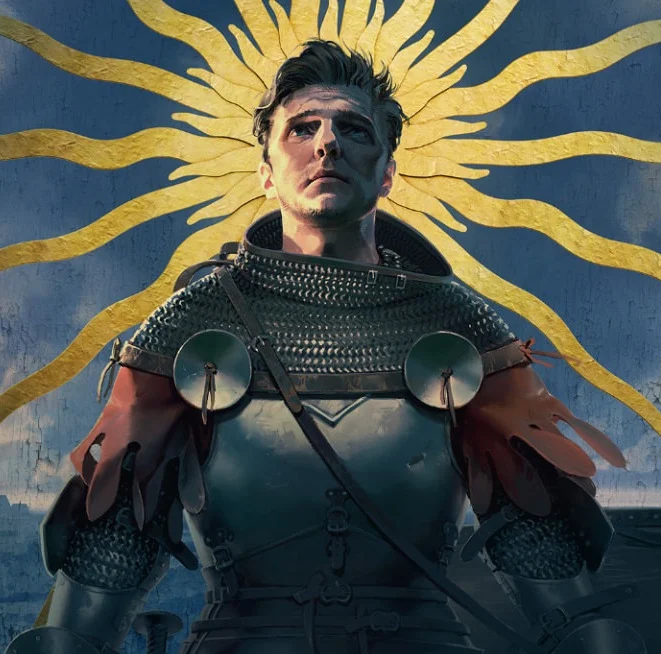
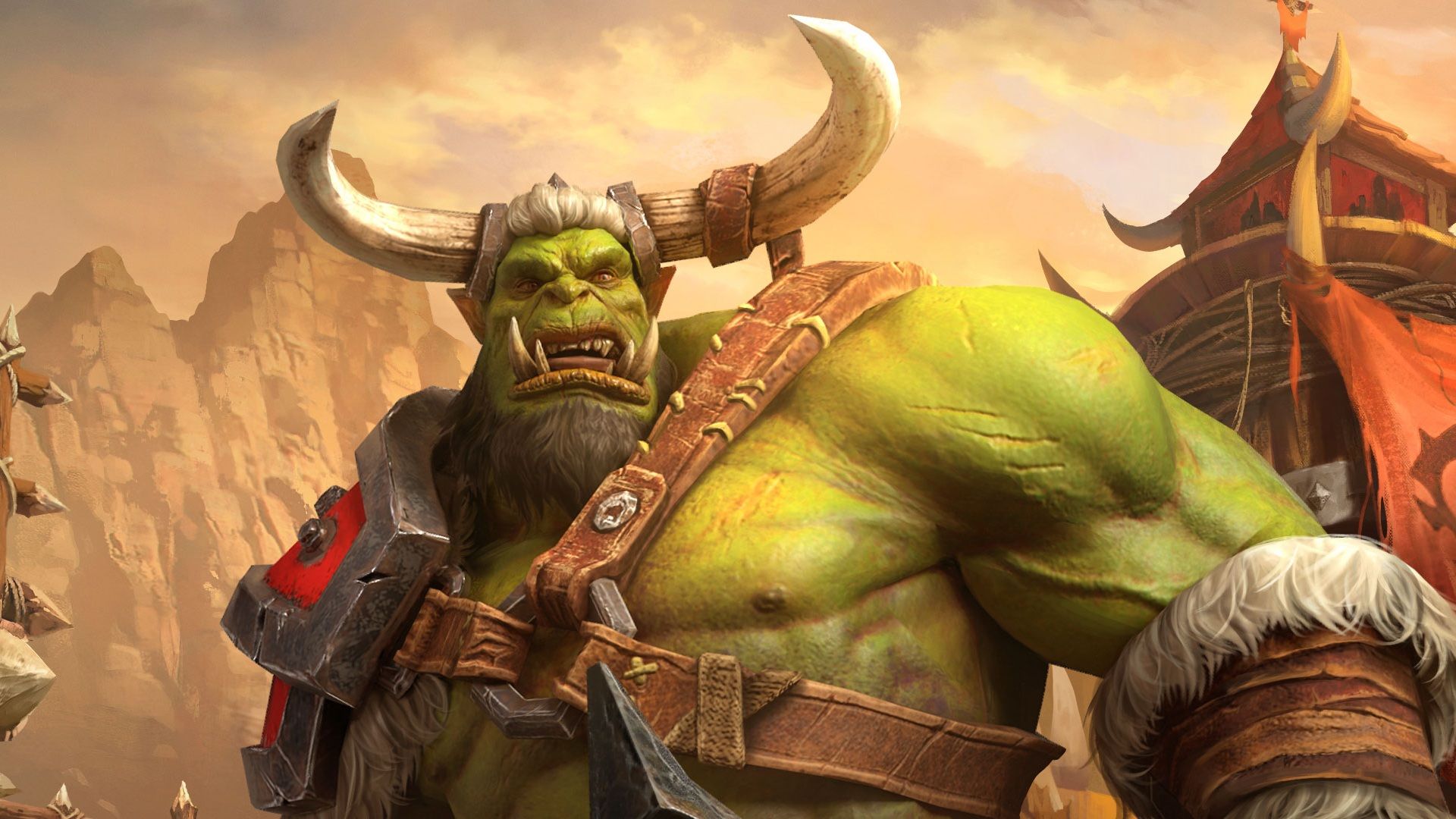
When Blizzard Entertainment rolled out the massive 3.0 update for Warcraft III: Reforged alongside the unexpected, nostalgic drop of The Forsaken Kingdom expansion—the first official Warcraft III campaign in over two decades—it should have been a triumphant moment of redemption. For a game that has endured one of the rockiest launches in modern PC gaming history, the arrival of new content, a fresh graphics mode, and a long-overdue quality-of-life update doubling the unit selection cap from 12 to 24 felt like the ultimate apology tour.
Yet, as the community dug into the patch notes, celebration quickly curdled into frustration. Tucked quietly among the bug fixes and performance enhancements was a pair of controversial alterations: Warcraft III: Reforged now mandates a permanent internet connection, even for single-player modes, and has completely stripped out Local Area Network (LAN) functionality.
While Blizzard has pointed players toward the legacy Warcraft III client—which remains accessible to purchasers of Reforged—as an alternative for offline and LAN gaming, the decision has reignited fierce debates regarding game preservation, always-online DRM, and the bumpy trajectory of a remaster that just cannot seem to escape controversy.
Main Facts: What the 3.0 Patch and Expansion Changed
The release of The Forsaken Kingdom expansion and the accompanying 3.0 patch brought a mixture of celebrated additions and deeply unpopular technical restrictions to the 2002 real-time strategy (RTS) classic.
On the positive side, The Forsaken Kingdom represents a monumental milestone: new official single-player story content for an RTS universe that many fans believed was permanently locked in amber. Coupled with a new graphics rendering mode that breathes fresh life into the classic fantasy aesthetics and a much-requested expansion of the unit selection limit from 12 to 24 units, the update aimed to drag Warcraft III closer to modern RTS standards.
However, these additions arrived shackled to sweeping structural changes:
- Mandatory Always-Online Requirement: Players must now maintain an active internet connection to play Warcraft III: Reforged, even if they are engaging exclusively with single-player campaigns or custom skirmishes against artificial intelligence.
- Removal of LAN Functionality: The native ability to host local multiplayer matches without an internet connection has been excised from the Reforged client.
- The Legacy Fallback: Blizzard noted in its support documentation that the original, pre-Reforged legacy client still supports offline play and LAN networking. Players who own Reforged are instructed to download and install this older version via Battle.net if they wish to bypass the new online mandates.
Despite these workarounds, the removal of core features from the primary, modern client has sparked a wave of criticism from long-time fans, digital rights advocates, and esports purists.
Chronology: From 2002 Glory to the Reforged Controversy
To fully understand why the 3.0 update has provoked such an intense reaction, it is necessary to examine the tumultuous timeline of Warcraft III:
The Golden Age (2002–2018)
- July 2002: Blizzard releases Warcraft III: Reign of Chaos, followed swiftly by the critically acclaimed The Frozen Throne expansion in July 2003. The title revolutionizes the RTS genre with hero-centric gameplay, dynamic 3D graphics, and an industry-defining custom map editor that spawns entirely new genres, including Defense of the Ancients (DotA) and modern tower defense games. LAN parties and local tournaments cement its status as an eternal multiplayer staple.
The Remaster Disaster (2018–2020)
- November 2018: Blizzard announces Warcraft III: Reforged at BlizzCon, promising overhauled assets, rewritten cutscenes, and modern matchmaking.
- January 2020: Reforged launches to disastrous reviews. Players discover that the game lacks promised cinematic overhauls, introduces severe performance bugs, breaks classic custom maps, and forces sweeping changes onto the original 2002 game client via mandatory updates under Blizzard’s updated EULA (which also claims ownership of all custom map content). It quickly becomes one of the lowest-rated user scores on Metacritic in video game history.
The Long Road to Redemption (2020–2025)
- 2021–2024: Blizzard quietly deploys a series of patches to address stability, restore missing features, and patch up the broken community ecosystem. Slowly, core players return as the game stabilizes.
- Early 2025: Blizzard announces The Forsaken Kingdom expansion alongside patch 3.0. Fans anticipate a definitive redemption arc that will finally cement Reforged as the definitive, polished version of the 2002 masterpiece.
- The Present: The update drops, bringing the exciting new campaign and modern upgrades, but introduces always-online requirements and strips LAN play, cutting short the community’s victory lap.
Supporting Data: The Ongoing Battle Over Offline Play
The integration of always-online DRM into single-player experiences is not a new phenomenon, but it remains one of the most polarizing policies in the video game industry.
According to industry metrics and consumer advocacy groups:
- Infrastructure Disparities: Despite the widespread prevalence of broadband internet, millions of gamers globally live in regions with intermittent connections, high latency, or strict data caps. Even within major metropolitan areas, fiber and cable networks suffer from localized outages, storms, and maintenance disruptions.
- Single-Player Vulnerability: Unlike massively multiplayer online games (MMOs) where server-side processing is necessary for shared persistent worlds, traditional RTS campaigns and skirmishes execute entirely on local hardware. Forcing a handshake with remote authentication servers introduces an artificial point of failure for single-player enjoyment.
- The LAN Party Legacy: The original Warcraft III was a foundational pillar of the LAN party era. In college dormitories, internet cafés, and basement gatherings across the globe, players could link machines via ethernet switches and play completely unhindered by internet latency or server outages. Stripping native LAN capability from the modern client severs a vital cultural link to PC gaming history.
Furthermore, the requirement to download a separate legacy client to achieve offline parity creates an awkward bifurcation within the game’s ecosystem, forcing users to navigate technical support documentation simply to replicate features that came standard in 2002.
Official Responses and Community Reaction
Blizzard Entertainment did not provide an explicit justification for the removal of LAN support or the implementation of the single-player online requirement within the official 3.0 patch notes. The silence has left the community to speculate on whether the changes are tied to anti-piracy measures, telemetry collection, or integration adjustments with the modernized Battle.net infrastructure.
However, the company’s acknowledgement of the issue via official support channels—directing users to install the legacy client for offline and LAN functionality—indicates that developers were aware these features would be missed, though they chose not to retain them within the Reforged application framework.
The response from the Warcraft III community has been swift and vocal:
- Mixed Sentiment: While players have widely praised The Forsaken Kingdom for its creative ambition, design quality, and the thrill of experiencing a brand-new official campaign after two decades, that praise is heavily caveated by anger over technical regressions.
- Preservation Concerns: Archival groups and digital preservationists have pointed to Reforged as a cautionary tale of how modern live-service updates can overwrite, degrade, or complicate access to historical software artifacts.
- Missed Potential: Many community leaders have expressed sorrow that a moment that should have universally celebrated the game’s recovery was instead overshadowed by unnecessary friction.
Implications: What This Means for Game Preservation and Future Remasters
The controversy surrounding the Warcraft III: Reforged 3.0 patch extends far beyond a single RTS title. It touches on fundamental questions about software ownership, digital preservation, and the ethics of modern game remastering.
1. The Fragility of Digital Ownership
When publishers alter legacy titles years after purchase—introducing online requirements where none previously existed—it reinforces consumer anxieties regarding digital goods. Players who bought Reforged expecting a modern wrapper for a timeless offline experience find themselves subject to server availability, platform policies, and internet reliability.
2. The Preservation Paradox
Blizzard’s solution—providing access to the legacy client—is a welcome concession, but it highlights a troubling trend: modern remasters often fail to preserve the soul and utility of the original games they seek to improve. When an updated version is objectively worse in terms of offline accessibility and local networking than a 23-year-old predecessor, it raises questions about whether the term "remaster" is being used to justify a downgrade in user autonomy.
3. Setting a Precedent for the RTS Genre
As developers look back at legendary real-time strategy franchises in hopes of capturing nostalgic revenue streams, the missteps of Reforged serve as a critical lesson. Fans do not merely want higher-resolution textures and expanded unit caps; they expect the core logistical freedoms—such as modding autonomy, offline solo play, and local multiplayer—that made the genre a community-driven powerhouse in the first place.
Conclusion
Warcraft III: Reforged remains a fascinating paradox. In The Forsaken Kingdom and patch 3.0, Blizzard demonstrated that it still possesses the creative capability to craft compelling strategy content and deliver meaningful quality-of-life updates to one of gaming’s greatest universes.
Yet, by simultaneously erecting digital tollbooths in the form of mandatory online checks and stripping away the cherished tradition of LAN play, the developers snatched a complicated sort of defeat from the jaws of victory. As the dust settles on this latest update, the message from the community is clear: true redemption cannot be achieved by building a better campaign if the foundational freedoms of the player are left behind in the process.

