

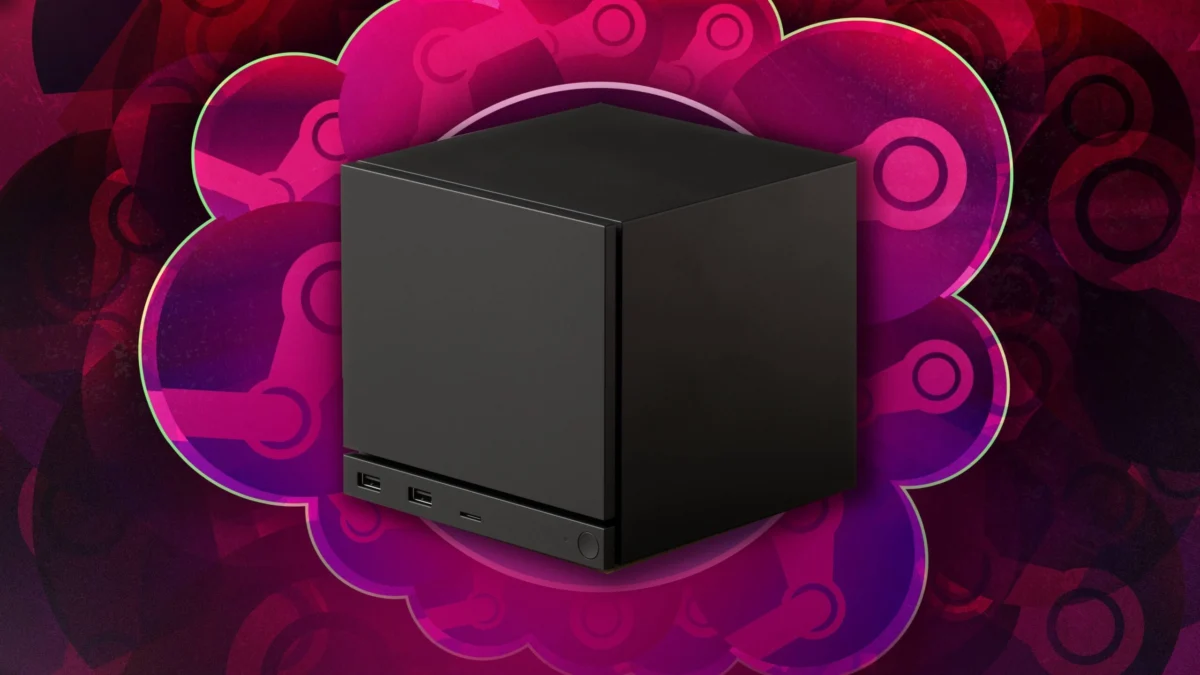
For years, the gaming community has whispered about the "perfect" living room device—a machine that combines the open-platform flexibility of a PC with the plug-and-play simplicity of a console. When Valve first teased the Steam Machine in November, the collective imagination of the industry ignited. It looked sleek, compact, and distinctly different from the hulking desktop towers that define the high-end PC experience. However, as the long-awaited price tags have finally been unveiled, the dream has collided with the harsh realities of the current hardware market. With a starting price of $1,049 and a premium model reaching $1,428, the Steam Machine has sparked a heated debate about identity, affordability, and the limits of consumer loyalty.
The Reality Check: What the Numbers Tell Us
The reveal of the Steam Machine’s pricing was less of a surprise and more of a confirmation of fears that had been brewing for months. Industry analysts and eagle-eyed fans had spent the better part of 2026 bracing for a premium price point, citing the global shortage of high-performance semiconductor components and the rising costs of logistical manufacturing.
When the numbers were confirmed—$1,049 for the entry-level unit and $1,428 for the high-end configuration—the initial shock was palpable. For context, these prices place the Steam Machine well above the current generation of dedicated consoles, such as the PlayStation 5 or the hypothetical Nintendo Switch 2. While the raw internal specifications of the Steam Machine justify the cost for those familiar with custom PC building, the average consumer looking for a "console-like" experience is left facing a significant financial barrier.
A Chronology of Expectations
To understand the current backlash, one must look back at the trajectory of Valve’s marketing. From the outset, Valve was careful—if not entirely consistent—with its messaging. They repeatedly insisted that the Steam Machine was not a "console" in the traditional sense, but rather a dedicated, pre-built PC designed to bring Steam libraries to the living room.
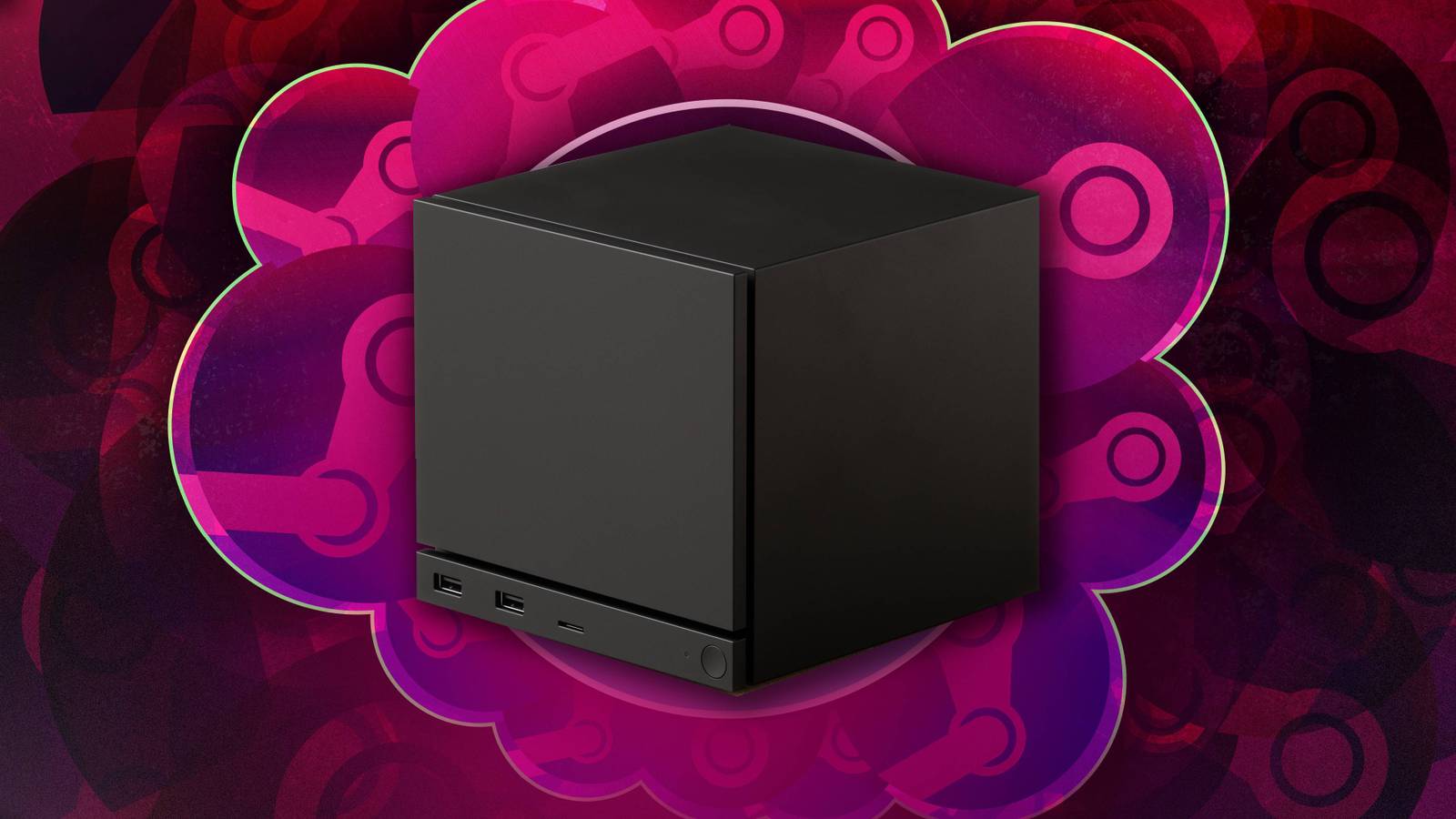
However, the visual language used by Valve told a different story. The device’s compact, cube-like design was reminiscent of the Nintendo GameCube, and promotional imagery often featured the machine placed in playful settings alongside controllers and lifestyle accessories. By coupling the announcement with a new, ergonomic Steam Controller, Valve inadvertently invited direct comparisons to the console market.
Throughout early 2026, the discourse shifted from "Is it a good PC?" to "Will it be a viable console competitor?" Fans debated whether Valve would employ the classic "razor and blade" business model—selling hardware at a loss to recoup profits through software sales on the Steam store. When it became clear that Valve would not be subsidizing the hardware, the illusion of an "affordable" console began to fracture.

The Economic Context: Why the Price Hiked
Valve’s official stance on the pricing, detailed in their recent FAQ and blog post, paints a picture of a company caught in a supply chain vice grip. The company noted that their original vision for the Steam Machine was significantly more affordable, with price targets closer to the current Steam Deck.
Several factors contributed to the inflation of these costs:
- Component Scarcity: The global market for high-end GPUs and CPUs has seen price surges exceeding 100% in some sectors. Valve noted that there were periods during development where they were unable to source essential components at any price point, severely limiting production yields.
- Supply Chain Volatility: The inability to secure stable long-term contracts meant that manufacturing costs fluctuated wildly, making it impossible to set a "loss-leader" price without risking catastrophic financial losses for the company.
- The "PC First" Mandate: Unlike Sony or Microsoft, which have established, decades-long ecosystems built on proprietary subscription models (like PS Plus or Game Pass) and exclusive software ecosystems, Valve operates as an open-platform store. They argue that the traditional console model—selling hardware at a loss—simply does not align with their philosophy of keeping the PC market an open, hardware-agnostic ecosystem.
Official Responses and Internal Struggles
In an insightful interview with Eurogamer, Valve’s user interface designer Lawrence Yang acknowledged the disparity between the early goals and the final product. While he refrained from citing a specific dollar amount, his remarks confirmed that the original design was intended to be a mass-market, budget-friendly device.

"That’s sort of a rough estimate of what that would have been," Yang said, referring to the lower, more consumer-friendly price points that were originally in play. This suggests that the final price tag is not a result of "corporate greed," as some cynical commentators have suggested, but rather a direct reflection of a supply chain that became increasingly hostile during the development cycle.
Valve’s FAQ further emphasizes their commitment to the "open platform" ethos. They write: "The strength of PC gaming is the ability to play the games you want on the hardware you want. Steam Machine is a solution to these problems, but it’s not the only solution, and we don’t want it to be."
The Societal Implication: "A Sad Day to be Poor"
The reaction to the pricing has been a microcosm of broader economic anxieties. On platforms like Reddit and Bluesky, the sentiment is overwhelmingly somber. Many users have pointed out that in the current economic climate, where inflation has hit consumer goods across the board, a $1,000+ gaming device is simply out of reach for a vast majority of the population.

There is also a psychological component to the criticism. Many fans have a complicated relationship with Valve founder Gabe Newell. When news of his high-profile, luxury expenditures—such as multi-million dollar super yachts and sprawling mansions—circulates alongside news of high-priced hardware, it creates a friction point for the fanbase. Supporters who wanted to believe that Valve was the "last good company" that would prioritize the gamer over the shareholder are now being forced to reconcile that idealism with the realities of a billion-dollar corporation.
Technical Superiority vs. Consumer Reality
From a technical standpoint, the Steam Machine is a beast. Comparisons between the device and custom-built PCs with identical components show that Valve is actually pricing the machine quite fairly, relative to the current cost of parts. There is no "Valve Tax" here; you are paying for the hardware, the compact form factor, and the integration of the SteamOS.
However, as Linus Tech Tips pointed out in a recent analysis, "Is it reasonable? Yes. Is it too high? Yes." The disconnect lies in the expectation of what a living room device should cost. The market has been conditioned by the console industry to expect high-performance hardware at a subsidized $500 price point. By failing to meet that expectation, Valve has effectively moved the Steam Machine into the "enthusiast" category, alienating the casual players who were hoping for an accessible entry point into the Steam ecosystem.

Conclusion: A New Era for Valve
The Steam Machine saga is far from over, but it has already served as a definitive lesson for the industry. Valve has attempted to bridge the gap between two different philosophies—the console’s convenience and the PC’s freedom—and has found that the cost of that bridge is higher than many were prepared to pay.
Whether or not the Steam Machine succeeds in the long run will depend on whether Valve can effectively communicate the value of the device beyond its price tag. If it is marketed as a premium, high-end PC, it may find its niche. If it continues to be viewed as a failed, expensive console, it may struggle to find an audience.
For now, the Steam Machine stands as a monument to a specific moment in hardware history: a time when the world of high-end technology and the desires of the average consumer were pulled apart by the invisible, unrelenting forces of global supply chains. The fans who held onto hope have seen that hope shattered, not by malice, but by the cold, hard math of the modern electronics industry. The question remains: is the PC gaming community ready to pay the premium for the freedom they so often champion? We will find out when the first units hit the shelves.

