


In the pantheon of immersive simulations, few abilities are as iconic as the "Possession" mechanic from Arkane Studios’ Dishonored. When Corvo Attano focuses his supernatural essence to inhabit the body of a scurrying rat or a bloodthirsty hound, the player is granted a unique perspective—literally and figuratively. It turns the environment into a playground of alternate routes, transforming a locked door or a high-security checkpoint into a mere minor inconvenience.
However, the DNA of this mechanic traces back much further than the 2012 release of Dishonored. Long before Corvo walked the smog-choked streets of Dunwall, the developers behind the genre-defining Thief: The Dark Project at Looking Glass Studios had already toyed with the concept of a protagonist who could navigate the world through non-human means. As it turns out, the master thief Garrett—a character defined by his grounded, gritty, and decidedly human limitations—almost possessed the power of transformation.
The Origins of a Master Thief
To understand why this mechanic was discarded, one must first appreciate the rigid philosophy that governed Thief: The Dark Project. Released in 1998, Thief was a revolutionary departure from the action-oriented shooters of the era. Where Quake and Duke Nukem rewarded aggression and reflexes, Thief demanded patience, light management, and sound-based tactical planning.
Garrett, the protagonist, was never a superhero. He was a cynical, street-smart survivor caught in the middle of a conflict between the hammer-wielding Order of the Hammer and the nature-obsessed Trickster. His tools were primitive—water arrows to douse torches, moss arrows to silence his footsteps, and a blackjack to render guards unconscious. He was a man who lived in the shadows because he could not survive in the light.
The "Shrinking" Concept: A Lost Mechanic
During a 2018 retrospective interview marking the 20th anniversary of the franchise, lead designer Tim Stellmach revealed a fascinating "what-if" scenario that would have fundamentally altered the identity of the game. Looking Glass Studios had internally discussed a mechanic that would allow Garrett to shrink himself, enabling him to traverse tight, non-human spaces like drainage pipes, floor vents, and narrow crevices.
This ability was essentially a precursor to the infiltration gameplay that would later define Dishonored. However, as the design team experimented with the feature, they quickly realized it created a "designer’s nightmare." Stellmach noted that the decision to cut the feature was not born of technical limitation, but of a design philosophy that sought to maintain the game’s internal consistency and difficulty curve.
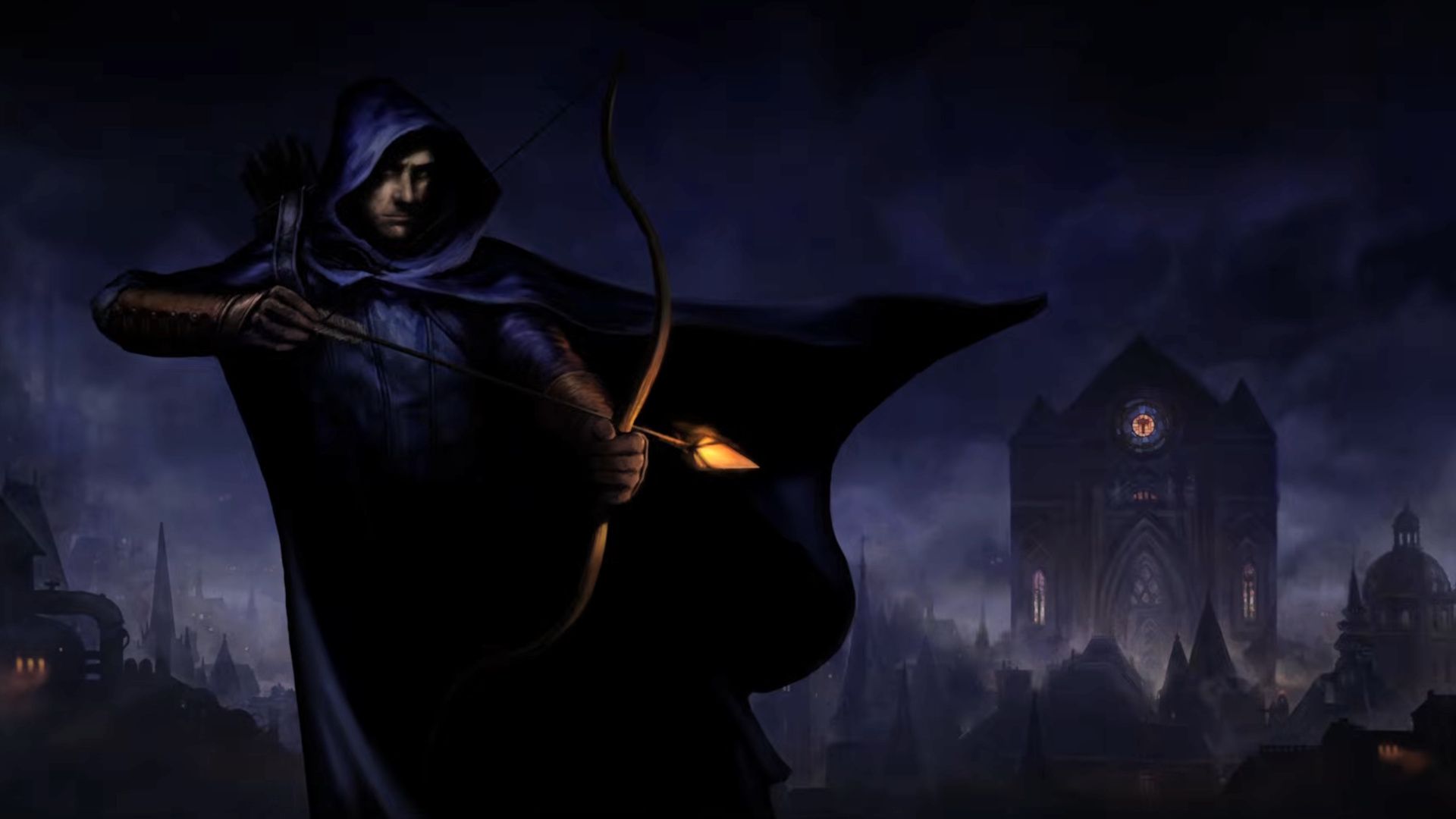
"We just decided it was gonna be way too much work to do it right," Stellmach explained. More importantly, he noted, "It started raising questions that we didn’t want to answer."
Chronology of Development and Design Philosophy
The development of Thief was marked by a constant tug-of-war between the desire for player freedom and the necessity of maintaining a "stealth-only" experience.
- Early 1997: Initial design documents for The Dark Project (then codenamed Dark Camelot) focused on a more traditional RPG-style experience with combat elements.
- Late 1997: The shift toward a pure stealth focus solidified. The team realized that empowering the player with too many tools, such as shapeshifting or shrinking, would diminish the sense of vulnerability that made the game compelling.
- 1998: Thief: The Dark Project launches to critical acclaim. The "shrink" mechanic is formally abandoned, cementing Garrett’s status as a vulnerable human.
- 2012: Arkane Studios releases Dishonored, which succeeds in implementing the "Possession" mechanic that Looking Glass Studios had abandoned 14 years prior.
- 2024: Nightdive Studios announces a comprehensive remaster, bringing the original Thief experience to a new generation while preserving its uncompromising design.
The "Questions" That Killed the Mechanic
When Stellmach spoke of the "questions" the developers didn’t want to answer, he was referring to the inherent risks of breaking a player’s immersion. If Garrett could shrink, players would naturally start asking why he couldn’t use that power to escape a combat encounter, or why he couldn’t bypass every single locked door in the game.
In Thief, the environment is the enemy. Every wall is a barrier, and every shadow is a resource. By keeping Garrett at a standard human scale, the designers ensured that the player had to engage with the architecture. If you see a high window, you have to find a crate to stack or a rope arrow to climb. If the player could simply shrink and bypass the architecture, the intricate level design of missions like "The Sword" or "Return to the Cathedral" would lose their structural integrity.
Moreover, Thief relies on a "combat-negative" philosophy. Garrett is not a warrior; he is a thief. If you are spotted, you are usually dead. By introducing a magical ability that makes the player invincible or invisible, the stakes of being "seen" are lowered. Looking Glass Studios chose to maintain a high-tension atmosphere where every failure was a direct result of player error, rather than a lack of magical utility.
The Legacy of Immersive Simulation
The influence of Thief cannot be overstated. It established the "Immersive Sim" genre—a category of games defined by systems that interact with each other in predictable, realistic ways. Games like Deus Ex, BioShock, Dishonored, and Prey all owe their existence to the groundwork laid by the team at Looking Glass.
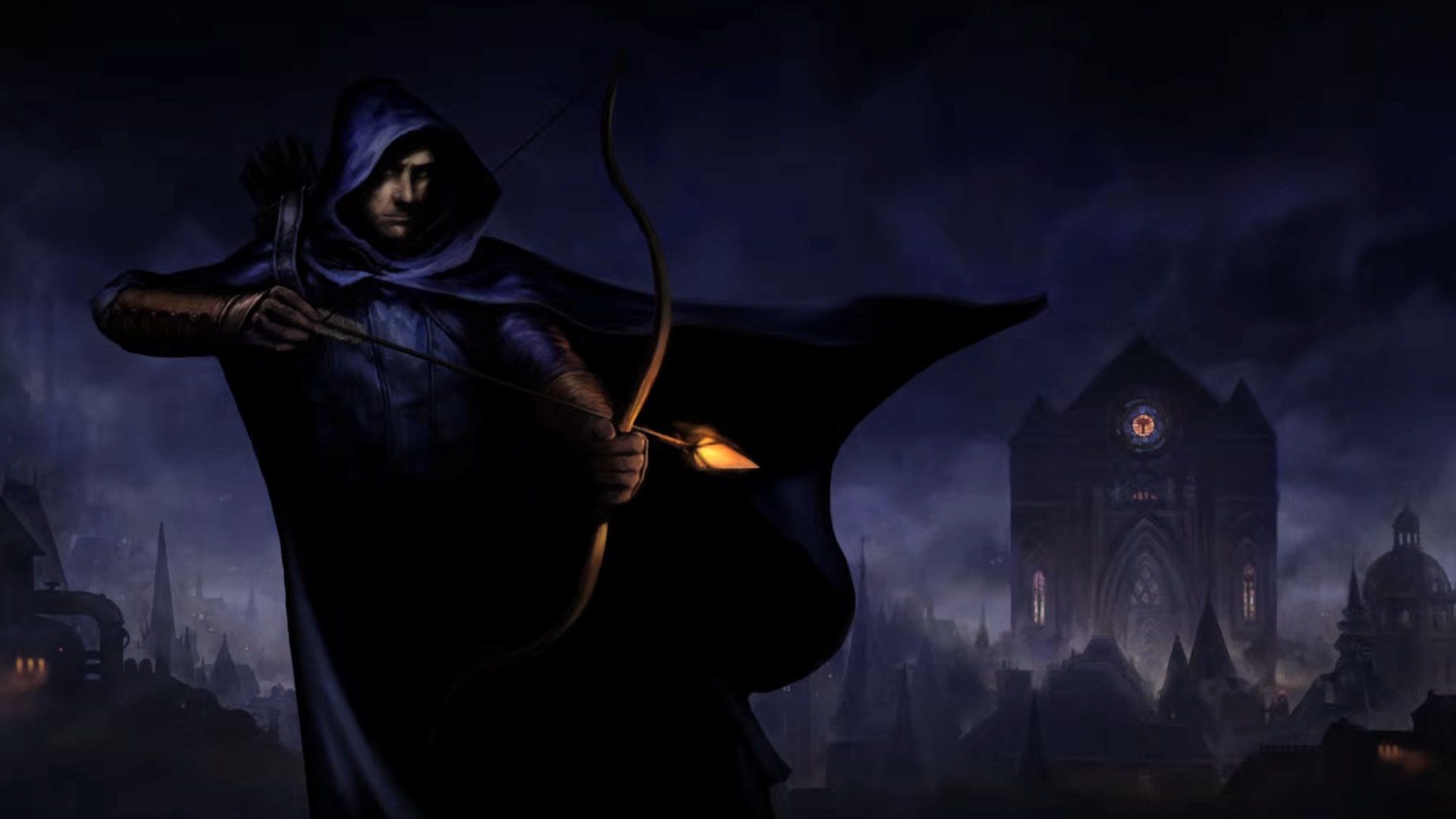
However, many modern games have pivoted toward "mainstream accessibility." This involves providing players with multiple solutions to every problem—a "Plan B" if you will. While this makes for a smoother experience, it often sacrifices the singular, laser-focused experience that made Thief so memorable. As noted in previous critical analyses, the industry has largely moved away from the "unforgiving" nature of early stealth games, opting instead for systems where combat is a viable, if loud, alternative to sneaking.
Modern Revival: The Nightdive Remaster
The announcement of the Thief: The Dark Project Remastered by Nightdive Studios is a watershed moment for fans of the genre. Nightdive has built a reputation for breathing new life into "abandonware" and classic titles, ensuring that their original design intentions remain intact while upgrading the visuals, UI, and technical performance for modern hardware.
Significantly, the remaster will incorporate the missions from Thief Gold, ensuring the complete experience is available in one package. By bringing back original artist Daniel Thron to assist in the reconstruction of the game’s cutscenes, Nightdive is signaling that they are not just "updating" the game—they are curating it.
Implications for Future Game Design
The story of the "forgotten" shrinking mechanic serves as a masterclass in the necessity of "killing your darlings." It is easy for developers to add features that sound cool on paper, but the true brilliance of game design often lies in what is left out.
By refusing to give Garrett the power to shift his state of being, Looking Glass Studios forced players to master the game’s systems. They created a game where the player is forced to think like a thief, not a sorcerer. As we look toward the future of the immersive sim genre, the lesson of Thief remains clear: limitations are not merely obstacles; they are the foundation upon which great gameplay experiences are built.
Whether or not the new remaster will introduce quality-of-life improvements that make the game more accessible, one thing is certain: the soul of Thief remains in its shadows. Garrett doesn’t need to shrink to hide; he only needs the darkness. And for the fans who have waited years to return to the City, that is more than enough.

