


Main Facts: A Decade of Crafting Puzzles Meets a Lifetime of PC Gaming
For the developer behind one of recent gaming’s most celebrated puzzle masterworks, the digital workspace is a fascinating ecosystem of modern marvels and nostalgic preservation. Tonda Ros, the visionary creator behind the breakout 2025 hit Blue Prince, recently pulled back the curtain on his personal PC setup as part of the weekly "Disk Cleanup" series.
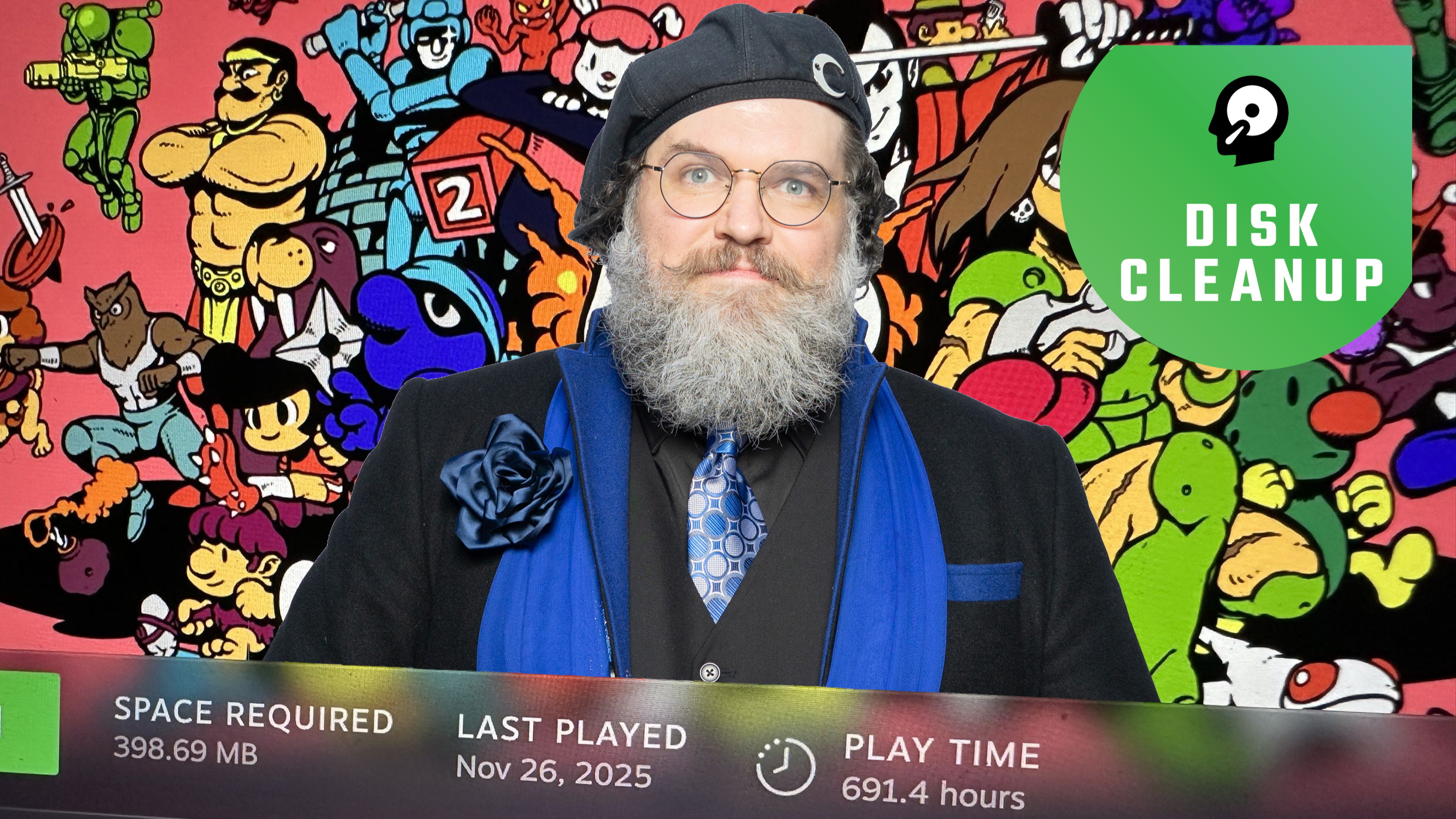
Building Blue Prince required a nearly decade-long development cycle, drawing deep inspiration from foundational classics like Myst, tabletop puzzle books, and structural board games. Since its release, the game has been universally hailed as a modern pillar of the first-person puzzle genre—a space that Ros notes is surprisingly undersaturated given its massive, ravenous audience.
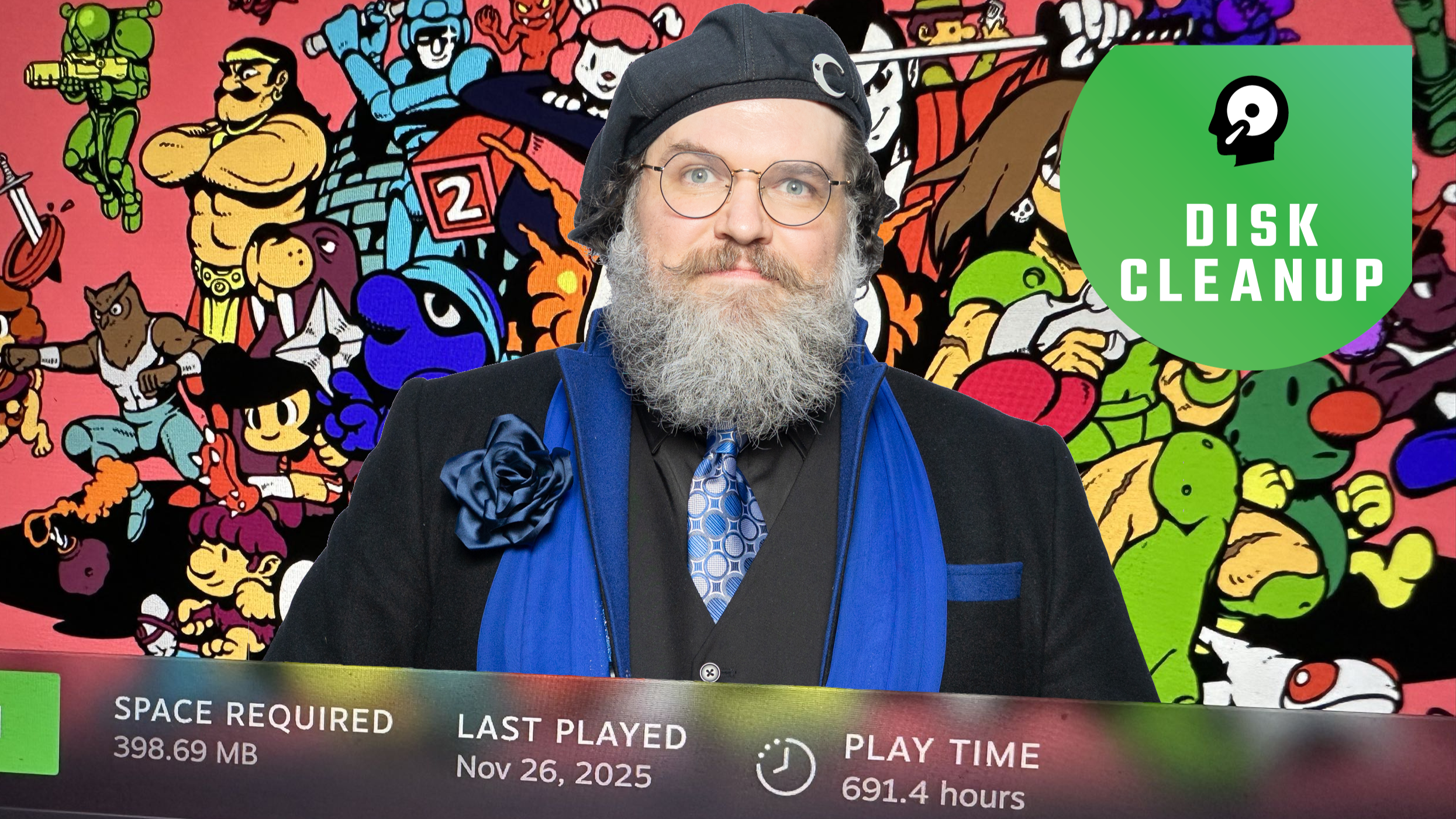
Today, while handling ongoing tech support for his debut hit and plotting a logistically smaller follow-up project, Ros relies on a dual-environment workstation. His heavy-duty development rig stays perpetually awake, running Adobe Photoshop and Unity around the clock, while a dedicated living room mini-PC handles couch-gaming duties. From logging hundreds of hours in UFO 50 to maintaining a soft spot for 90s CD-ROM classics and playing piano clips for his pet rabbit, Ros’s hard drive offers an intimate look into the mind of a meticulous game designer.

Chronology: From 386 PCs and Beast to the Creation of Blue Prince
Ros’s lifelong affair with personal computers and interactive media traces back decades, shaping a creative journey that bridges cinematography, visual arts, and indie game development.

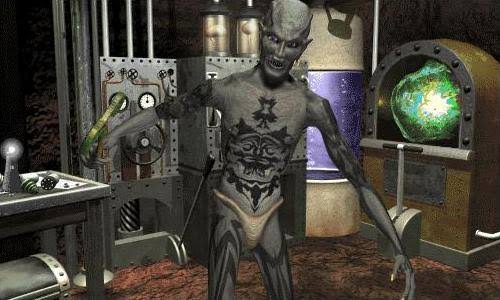
- Early Exposure (Mid-1990s): At seven years old, Ros discovered PC gaming through the action-adventure title Beast. The following year, his household acquired an Intel 386 PC, opening the floodgates to formative classics like Tank Wars, the original SimCity, and Star Control. Around this same time, a fateful visit to a friend’s house introduced him to Myst (1993) running on a CD-ROM drive, an experience so arresting that it immediately prompted him to lobby his parents for a computer upgrade rather than a standard games console.
- Creative Beginnings in Hollywood (Late 1990s–2010s): Establishing a career as a cinematographer and visual artist, Ros moved to Hollywood, where his earliest professional work involved designing DVD menus using Adobe Photoshop—a tool he has used daily since 1999.
- The Genesis of Blue Prince (2016): Ros began laying the groundwork for Blue Prince, pulling inspiration from diverse sources including the puzzle book Maze: Solve the World’s Most Challenging Puzzle and the board game Jewels in the Attic. Developed over the better part of ten years prior to modern deckbuilding and proximity-chat design trends, the game launched to critical acclaim.
- Present Day (2025 and Beyond): Following a brief post-launch respite, Ros is actively managing Blue Prince technical support while prototyping a new, logistically streamlined game concept.
Supporting Data: Breakdown of Ros’s Essential Software and Steam Library
A dive into Ros’s active installation directory reveals a mix of intense strategy, deep-dive puzzle exploration, and essential non-gaming tools:
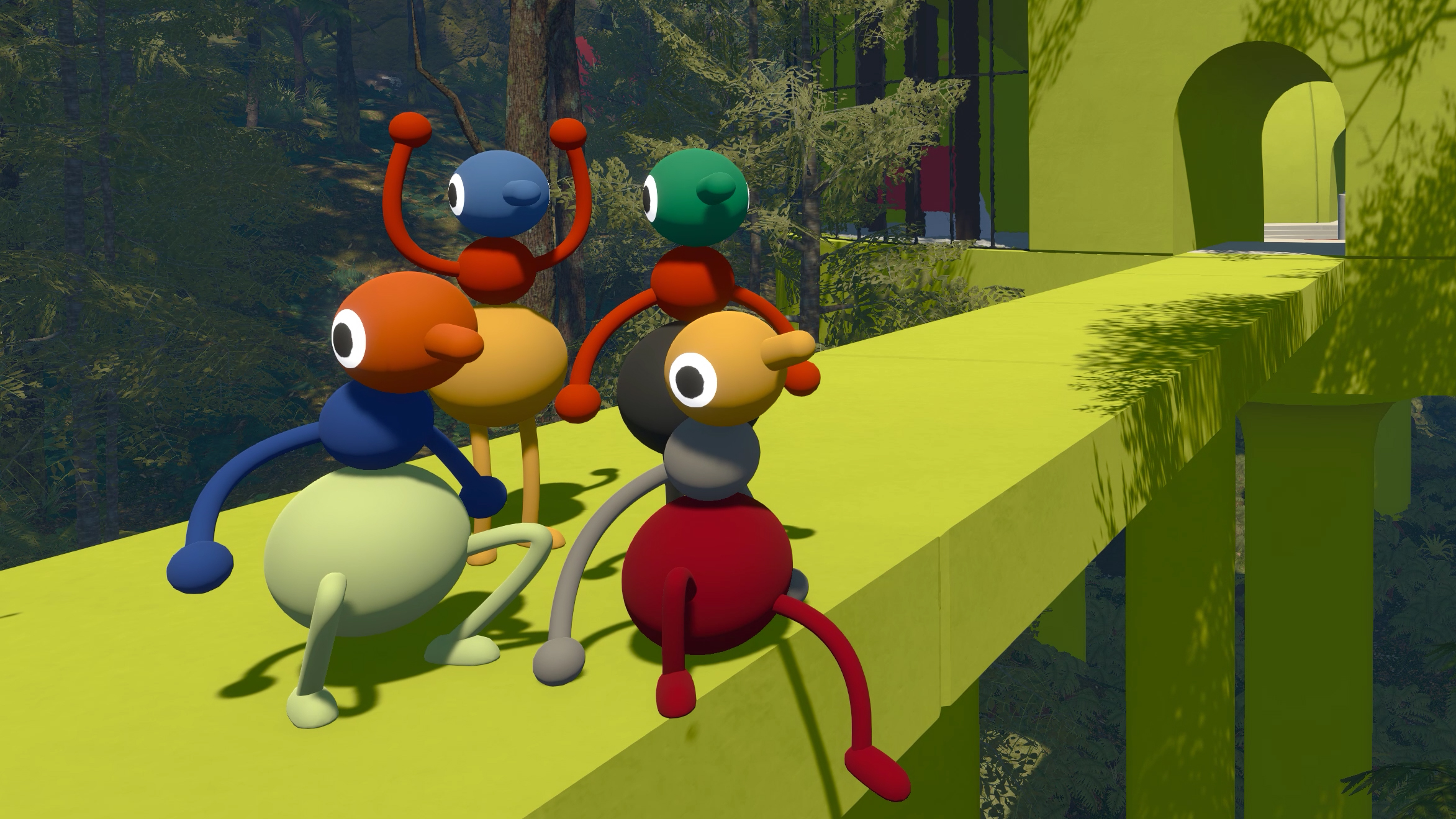
- Current Obsession – Cairn (The Game Bakers): Praised for its remarkably intuitive limb-by-limb control scheme, which manages to feel smooth and frictionless compared to mechanically punishing climbing titles like Baby Steps.
- Recent Multi-player Experience – Big Walk (House House): Played alongside a group of seven friends across bi-weekly sessions over a multi-year wait. Ros lauded its social proximity chat mechanics and praised its unforgettable final act, noting that its success rivals his own work in crafting unique spatial experiences.
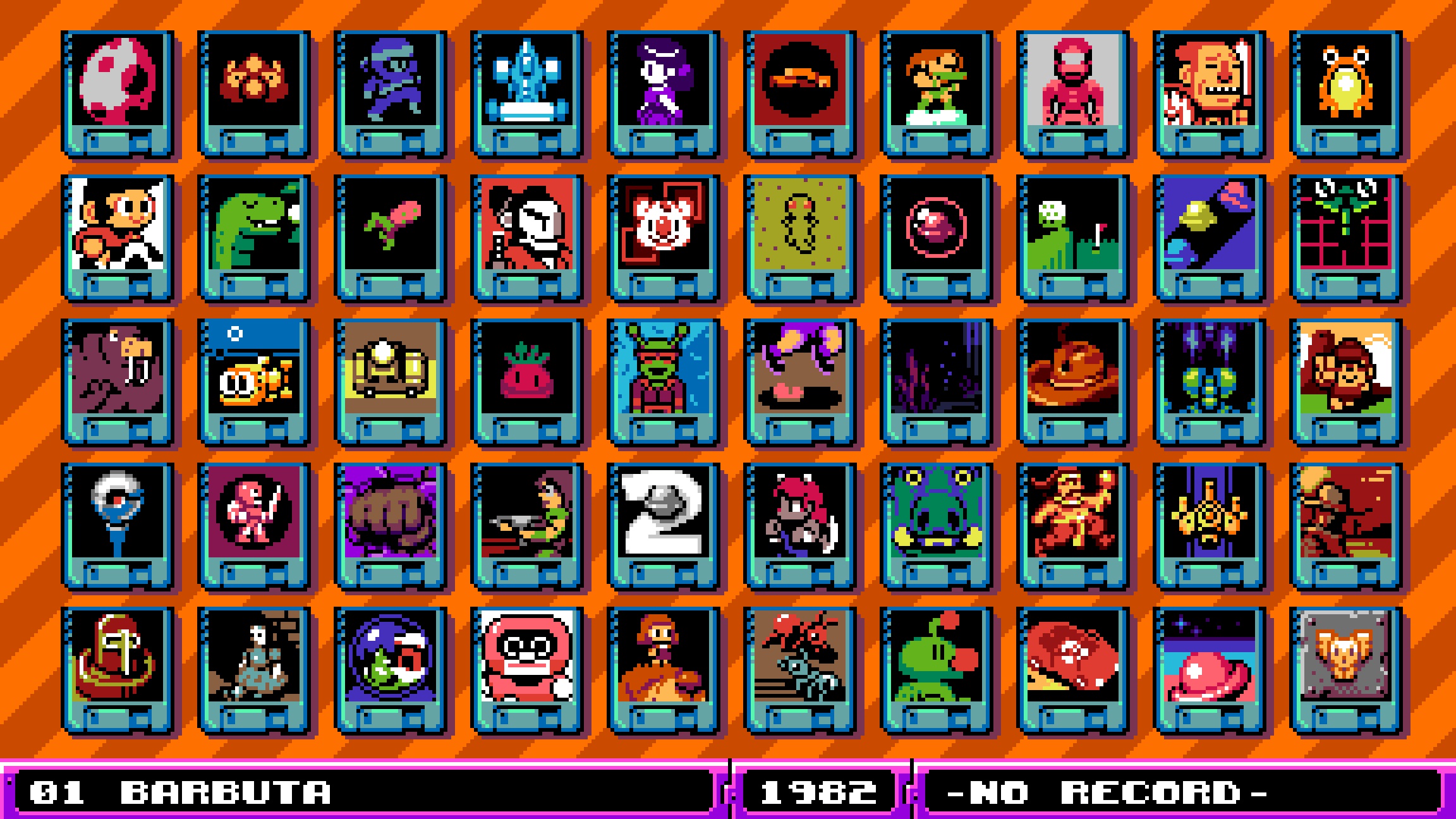
- Highest Steam Playtime – UFO 50 (Mossmouth): Clocking in at a massive 691 hours, heavily driven by its deeply intricate titles like Pilot Quest and Planet Zoldath. Ros completed "golden" runs on every cartridge and dedicated extensive time to mapping out the micro-scale logic of his favorite title, Minnie and Max, using a 100-page physical notebook.
- The Permanent Resident – Myst (1993): Cyan’s iconic adventure game remains permanently installed on his PC, serving not just as a nostalgic touchstone but as ambient working noise, with its coastal soundscapes playing in the background while he develops games.
- Indispensable Non-Gaming Tool – Adobe Photoshop (2019 Version): Used daily for 26 years across web design, motion graphics, compositing, and the visual assets of Blue Prince. Ros deliberately holds onto the pre-subscription 2019 build to preserve his established workflow.
Official Insights: Ros on Game Design Philosophy and Genre Trends
Reflecting on his time with modern titles and retro throwbacks alike, Ros offered sharp insights into contemporary indie game development. Discussing titles developed in parallel to modern trends, he noted a shared design ethos between Blue Prince and House House’s Big Walk: “You kind of get a sense that this is something that was created in parallel to those design trends… in the same way that I don’t think Blue Prince really feels like a deckbuilder, though you could probably tell we share similar tabletop designs.”

On the current state of the first-person puzzle genre—which boasts universally beloved modern masterpieces like Outer Wilds and Return of the Obra Dinn—Ros expressed optimism about the market’s appetite for depth. “It’s crazy, because you have Outer Wilds and Obra Dinn and all these games finding success and being universally beloved, and the community is ravenous for new experiences… I hope it encourages more people to explore these areas.”
Implications: What Blue Prince’s Success Means for the Future of Indie Puzzlers
The enduring appeal of Tonda Ros’s development methodology highlights a shifting paradigm within the indie game landscape. For years, conventional industry wisdom leaned heavily toward fast-paced, highly monetized multiplayer loops or hyper-saturated rogue-lite deckbuilders. However, the runaway success of meticulously paced, single-player intellectual challenges like Blue Prince proves that players are increasingly hungry for deliberate, cerebral engagement.
By demonstrating that a game can take nearly a decade to bake and still find an eager, massive audience, developers are given renewed license to pursue long-form, uncompromising creative visions. Furthermore, Ros’s reverence for classic preservation—from keeping 1993’s Myst permanently installed to maintaining standalone executables for indie gems like Cinco Paus—underscores the importance of digital heritage in modern game design. As Ros looks toward his next, more logistically manageable project, the ripples of Blue Prince’s intricate architecture will likely influence a new wave of puzzle designers for years to come.

