


The landscape of tabletop-to-digital adaptations has shifted significantly this week, as strategy gaming powerhouse Slitherine has officially secured the publishing rights to the Blood Bowl video game franchise. This transition follows a period of profound uncertainty for the series, triggered by the insolvency filing of its previous publisher, Nacon, earlier this year. As the community looks toward the future, the partnership between Slitherine and long-time developer Cyanide Studio signals a potential turning point for the beloved, albeit troubled, fantasy sports parody.
The Chronology of a Crisis
The journey of the Blood Bowl digital franchise has been one of high ambitions and significant hurdles. Since the inception of the partnership between Games Workshop and developer Cyanide Studio, the franchise has acted as a cult-classic adaptation of the tabletop game’s violent, humor-filled take on American football.
However, the trajectory of the series hit a turbulent patch with the launch of Blood Bowl 3. Despite initial excitement, the title arrived in a state that many critics and fans described as fundamentally unfinished. Plagued by game-breaking bugs, an aggressive and confusing microtransaction model, and an intrusive live-service structure, the game struggled to find its footing. These technical and design deficiencies caused a significant portion of the player base to abandon the sequel, with many opting to return to the more stable, albeit dated, Blood Bowl 2.
The situation reached a breaking point in February of this year when Nacon—the publisher responsible for Blood Bowl 3—filed for insolvency. This corporate collapse had a cascading effect across the industry, contributing to the closure of the acclaimed studio Spiders (the developers behind Greedfall) and casting a shadow over the future of Nacon’s various gaming projects. For months, the fate of Blood Bowl remained in limbo, with fans questioning whether the planned transition to a new iteration, tentatively titled Warhammer Blood Bowl, would ever see the light of day.
The Strategic Shift: Why Slitherine?
Slitherine’s acquisition of the publishing rights is widely viewed as a "safe pair of hands" maneuver. Known for their mastery of the strategy genre—evidenced by their stewardship of the Panzer Corps series and successful Warhammer 40,000 titles like Battlesector and Gladius—Slitherine occupies a unique niche in the industry. They specialize in deep, tactical experiences that cater to niche, dedicated fanbases, making them an ideal candidate to rehabilitate a property as complex as Blood Bowl.
The franchise is essentially a "sports-strategy" hybrid, requiring a publisher who understands the intricacies of turn-based logic, rule-set fidelity, and community management. By moving from a generalist publisher like Nacon to a strategy-focused house like Slitherine, the Blood Bowl franchise is positioned to move away from the "live-service" trappings that defined the Blood Bowl 3 era and toward a more sustainable, fan-centric development model.
Official Responses and Collaborative Optimism
Both parties have expressed significant enthusiasm regarding the new agreement, emphasizing a shared goal of restoring the reputation of the series.
Marco Minoli, Director of Publishing at Slitherine, addressed the acquisition with a focus on mutual respect and long-term vision. "We have enormous respect for what Cyanide has built over the years," Minoli stated. "We’re excited to continue working closely with the team to support and grow the series together with its passionate community."
Cyanide Studio’s CEO, Patrick Pligersdorffer, echoed these sentiments, highlighting the cultural fit between the two companies. "We are delighted to partner with Slitherine to ensure the future of the Blood Bowl videogames. Slitherine has proven its expertise, publishing high-quality strategy games. We believe it is a perfect match."
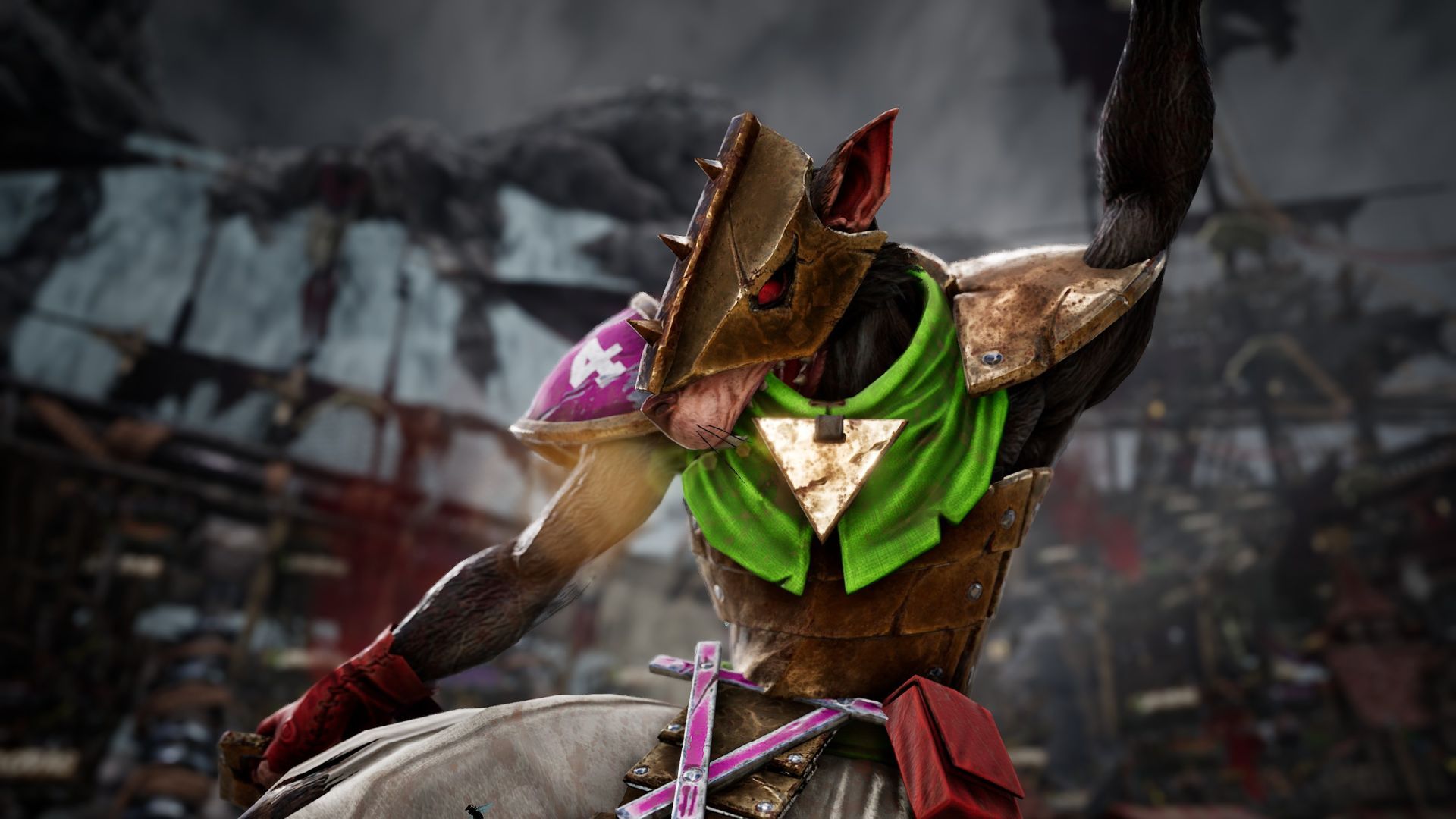
This alignment suggests that the development team at Cyanide will finally have the breathing room required to fix the persistent menu navigation issues, technical instability, and balance concerns that have hampered the current iteration.
Implications for the Future: The Warhammer Blood Bowl Project
The most critical question remaining for the fanbase is the status of the Warhammer Blood Bowl update. Previously, Cyanide had announced plans to move the digital experience closer to the current tabletop ruleset—a "refresh" that would effectively function as a separate game. Under the previous administration, this project faced indefinite delays.
Under Slitherine, this roadmap is now likely to be re-evaluated and accelerated. The objective remains clear: to create a digital experience that honors the tabletop’s latest rules while providing a polished, high-performance interface. For the players who have stuck with the series despite the frustrations of Blood Bowl 3, this change in leadership represents a chance for redemption.
Technical Hurdles to Overcome
Moving forward, Slitherine faces several immediate challenges:
- Technical Debt: The codebase for Blood Bowl 3 is reportedly heavy with legacy bugs. Clearing these will be the first priority for the development team.
- Monetization Reform: The community reaction to the previous microtransaction system was overwhelmingly negative. Slitherine will likely need to pivot toward a more transparent, player-friendly economic model to regain the trust of the player base.
- UI/UX Optimization: One of the most common complaints regarding the current game is the convoluted nature of the menus. Streamlining the user experience is essential for retaining new players and satisfying veterans.
- Feature Parity: Ensuring that all factions and special rules from the tabletop game are represented accurately and function without collision errors will be vital to the game’s longevity.
The Broader Context: The State of Licensed Strategy Games
The Blood Bowl acquisition serves as a microcosm of a broader trend in the gaming industry: the move toward specialized publishers. Large, generalist publishers are increasingly shedding mid-tier IPs to focus on massive "mega-hits." This allows smaller, specialized publishers like Slitherine to scoop up these "orphaned" franchises, providing them with the focused attention they need to thrive.
For the strategy gaming community, this is generally a positive development. When a publisher’s entire identity is built around the success of tactical titles, they are less likely to force trends—such as unwanted live-service elements—onto games that simply don’t need them.
Conclusion: A Game of Two Halves
The transition of Blood Bowl from Nacon to Slitherine is more than just a corporate shuffle; it is a lifeline for a franchise that was teetering on the edge of irrelevance. While the road to fixing the damage done by the rocky launch of Blood Bowl 3 will not be short, the injection of stability and the alignment with a publisher that understands the core DNA of strategy gaming is the best possible outcome for fans.
For now, the community waits with bated breath to see the first major update under the new regime. If Slitherine can successfully execute the transition to the latest tabletop ruleset while smoothing out the rough edges that have defined the current digital experience, Blood Bowl may yet reclaim its position as the premier fantasy sports title on the market. The whistle has blown for the second half, and for the first time in a long time, the game looks like it might actually be worth playing.

