By the Editorial Desk Published: Gaming Industry & Culture
Introduction: Fulfilling an Inevitable Destiny
When Lego officially announced its upcoming city-building title, Lego Skylines, late last month, the global gaming community responded with a collective, resounding nod of recognition. It felt less like a surprise announcement and more like a cosmic correction. For decades, consumers have interacted with real-world Lego bricks from a godlike perspective—hovering above plastic landscapes, arranging modular buildings, snapping roads into place, and zoning imaginative districts. Translating that physical tactile joy into a sprawling digital metropolis is a concept so fundamentally intuitive that its arrival feels overdue.
Yet, as the ink dried on Lego Skylines’ reveal, a glaring question echoed across PC gaming forums and industry analysis desks: What about Minecraft?
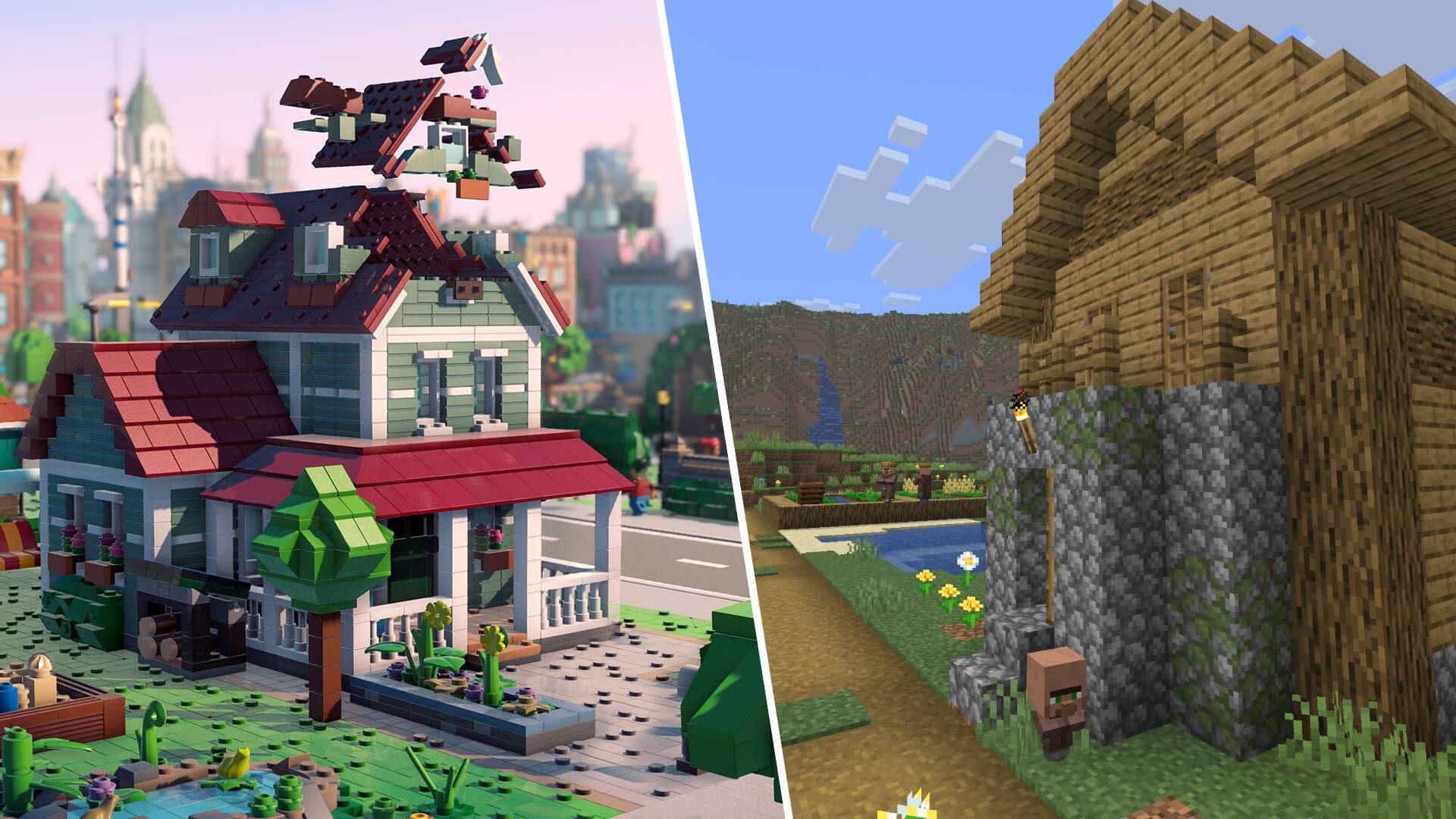
Affectionately and frequently dubbed the ultimate "digital Lego" of the modern era, Mojang’s sandbox juggernaut has defined a generation of procedural creativity. Yet, despite its monumental cultural footprint, Minecraft has never spawned a dedicated, macro-scale city-building simulation. As Lego steps boldly into the genre with Lego Skylines, the absence of a comparable high-level management or city-building spin-off from Mojang feels like a massive, unexploited missed opportunity. How have two toy-box titans, built on the exact same foundational philosophy of block-based creation, spent over a decade co-existing without directly competing in this specific virtual arena?
Main Facts: The Anatomy of Two Blocky Titans
To understand the puzzle of why Minecraft has never fully ventured into the traditional city-builder genre—while Lego finally takes the plunge—we must examine the core structural mechanics of both franchises.
Lego Skylines: Positioned squarely in the tradition of grand simulation and management titles (akin to Cities: Skylines or SimCity), this upcoming title shifts the focus away from individual minifigure perspectives and places players directly in the role of master urban planners. The emphasis is on macro-logistics, infrastructure, zoning laws, traffic optimization, and architectural scaling, all rendered in authentic, satisfying digital Lego aesthetics.
Minecraft: Since its alpha release in 2009, Minecraft has championed first-person (or third-person) micro-management. Players mine, craft, and place blocks one by one. While players can construct sprawling megacities like Adamant or build intricate server-wide metropolises, the game lacks inherent municipal mechanics. There are no automated citizen demand metrics, no tax sliders, no complex public transit grids governed by algorithmic efficiency, and no overarching civic management simulation unless heavily modded.
While Minecraft has experimented with spin-offs—such as the action-strategy title Minecraft Legends and the dungeon crawler Minecraft Dungeons—a dedicated macro-management city builder has remained notably absent from its roadmap.
Chronology: The Evolution of Block-Based Gaming and Simulation
The parallel evolution of Lego and Minecraft highlights a fascinating timeline of digital adaptation and missed convergence.
Phase 1: The Analog Foundation (Pre-2009)
For generations, Lego reigned supreme as the undisputed king of physical spatial reasoning. Children and adult hobbyists alike used standardized plastic bricks to construct towns, castles, and futuristic spaceports. Concurrently, computer games like SimCity (1989) laid the groundwork for top-down urban simulation, but the two mediums remained strictly separated—one physical and manual, the other digital and systemic.
Phase 2: The Digital Disruption (2009–2014)
Markus "Notch" Persson released Minecraft, introducing a virtual environment made entirely of destructible, placeable blocks. It essentially hijacked Lego’s core value proposition—unfettered creative freedom—and scaled it infinitely into an infinite digital frontier. By 2014, Microsoft recognized this staggering cultural power, acquiring Mojang for a staggering $2.5 billion. During this era, Minecraft focused heavily on survival mechanics, adventure updates, and cross-platform accessibility rather than systemic management sims.
Phase 3: Lego’s Digital Renaissance (2015–2023)
Lego, meanwhile, found immense success in partnering with Traveller’s Tales for narrative action-adventure games (Lego Star Wars, Lego Harry Potter). However, titles like Lego Worlds (2017) attempted to directly counter Minecraft’s sandbox dominance. While Lego Worlds offered a digital brick-building sandbox, it struggled to capture the lightning-in-a-bottle community engagement of Mojang’s titan.
Phase 4: The Convergence and the Announcement (Late 2023–Present)
Recognizing the enduring appetite for management games, Lego changed strategy. Instead of building another direct Minecraft clone, Lego leaned into its real-world identity as a design system, paving the way for Lego Skylines. The announcement sent shockwaves through the simulation community, instantly raising the bar for licensed toy-brand video games and throwing down a conceptual gauntlet for Mojang.
Supporting Data: The Scale of Villages and Urban Potential
To understand why a Minecraft city builder makes intrinsic sense, one need only look at how players interact with Minecraft’s in-game settlements.
[Minecraft World Generation]
       │
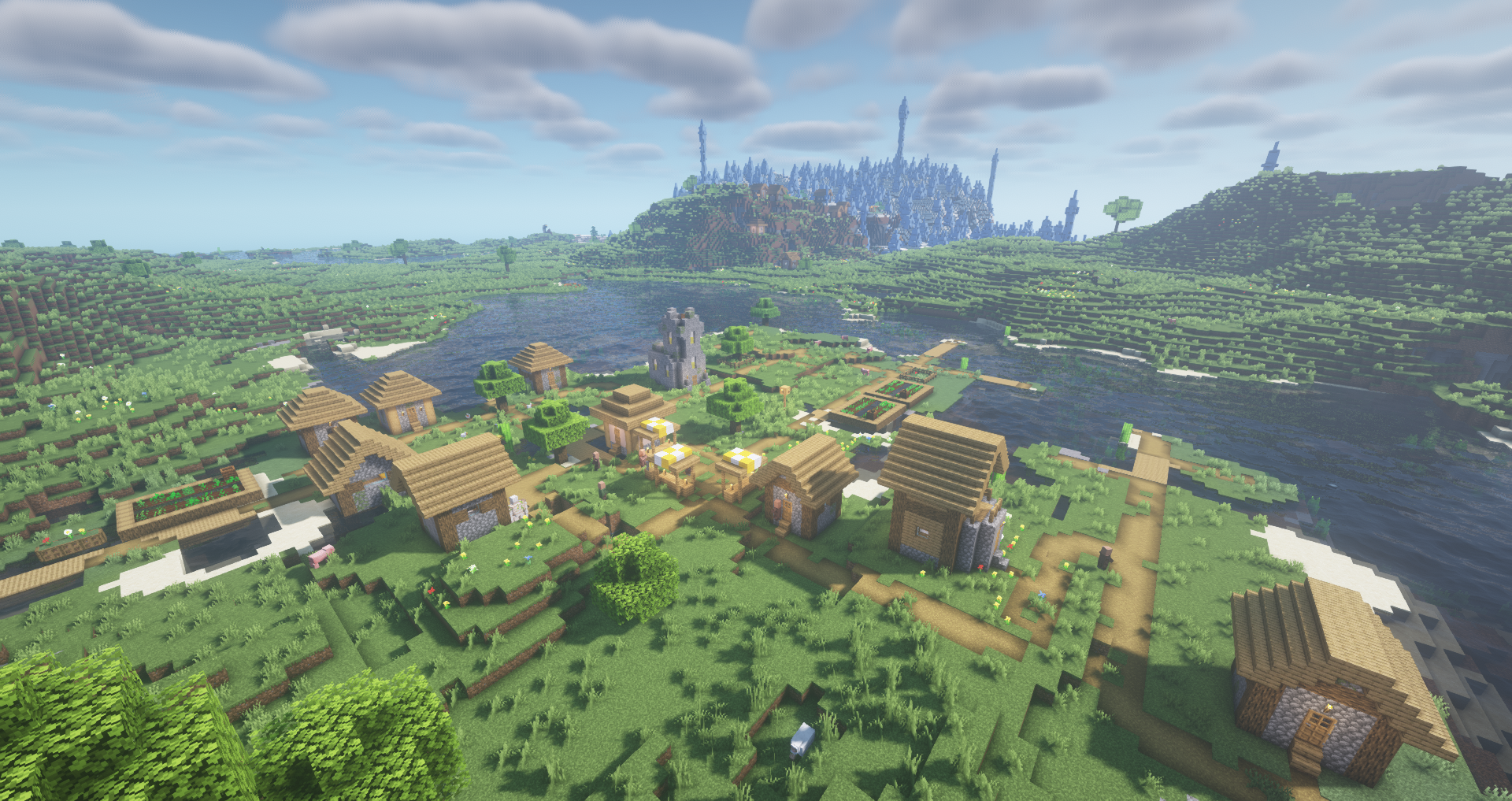
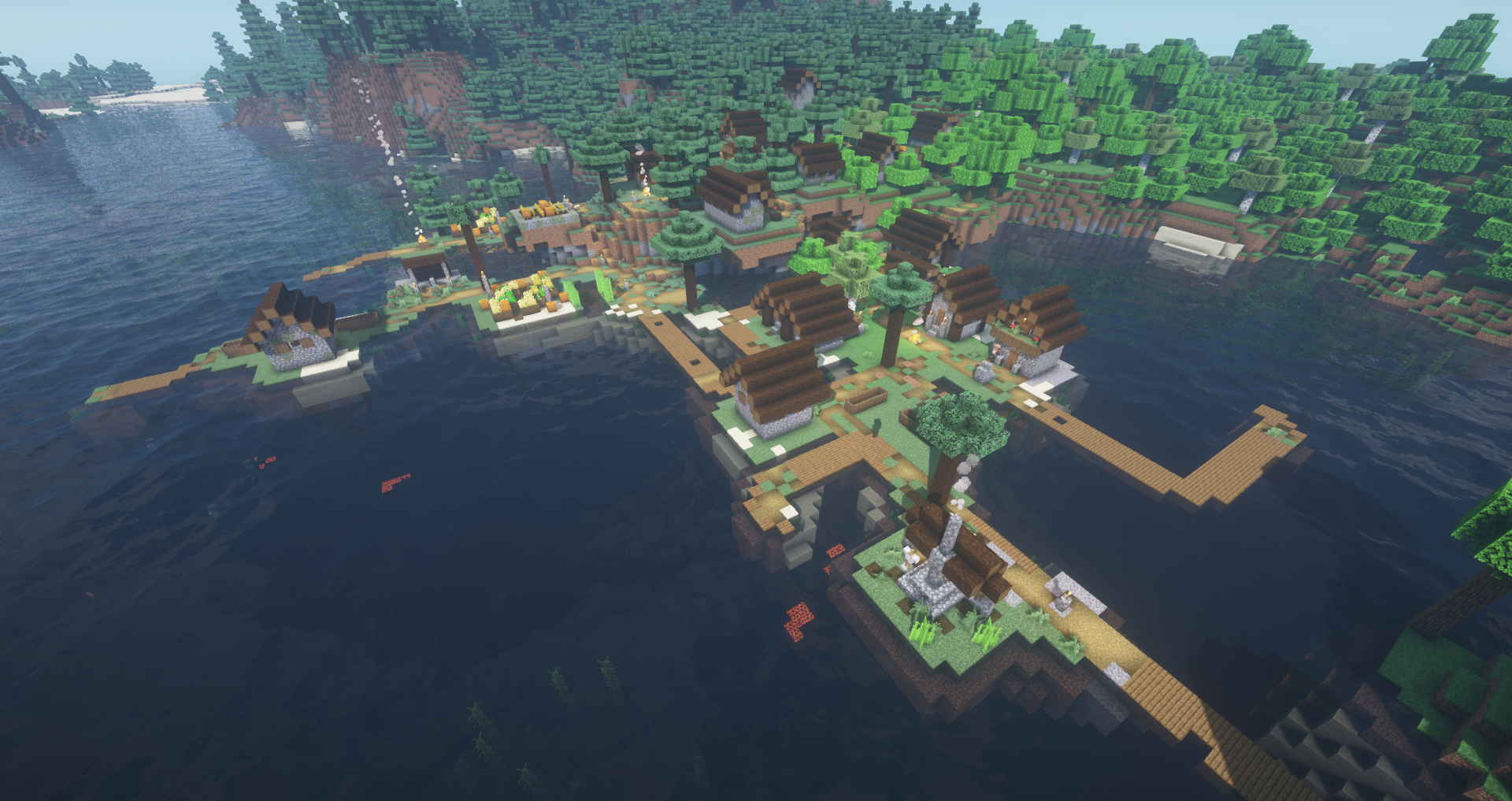
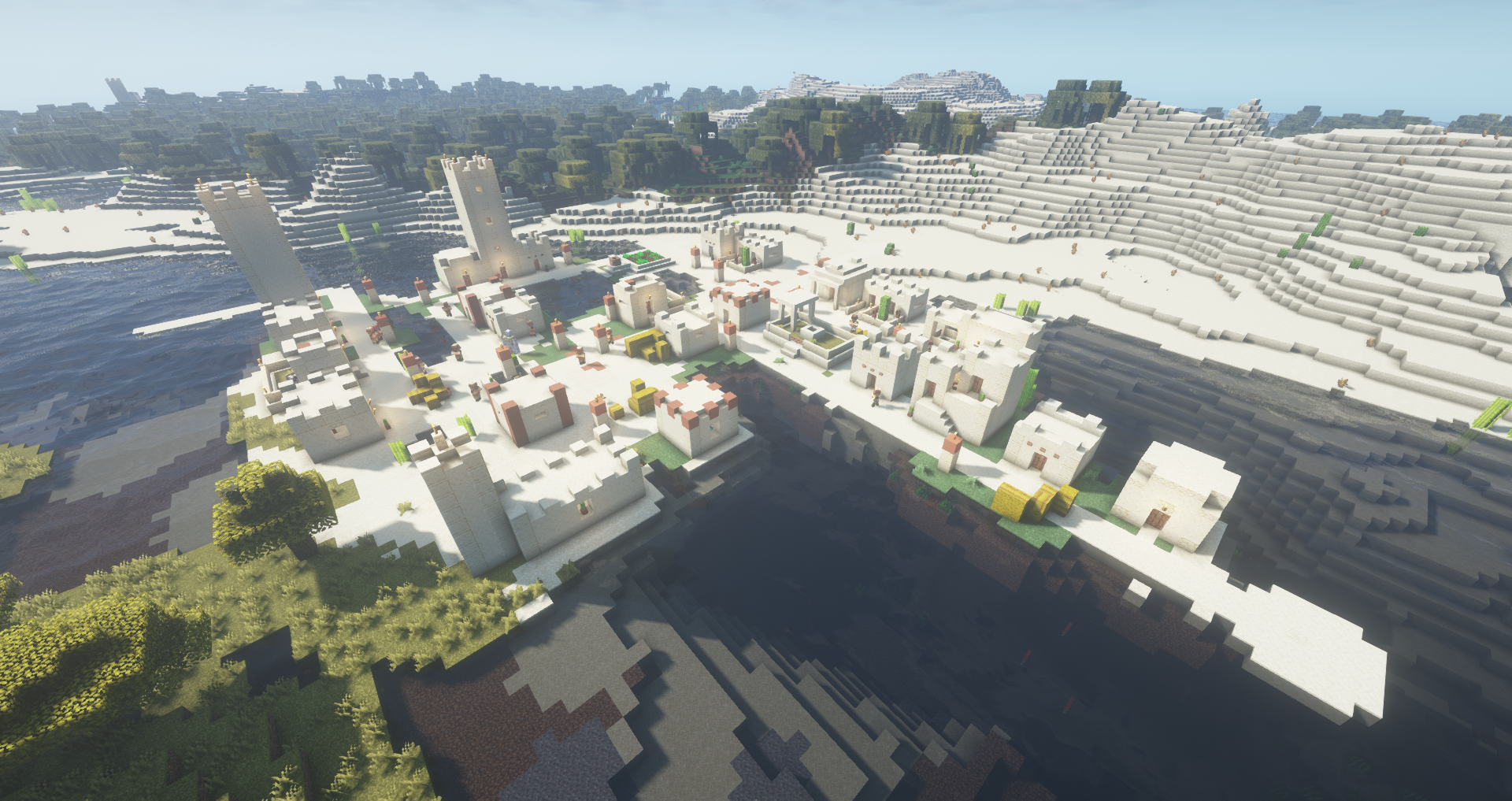
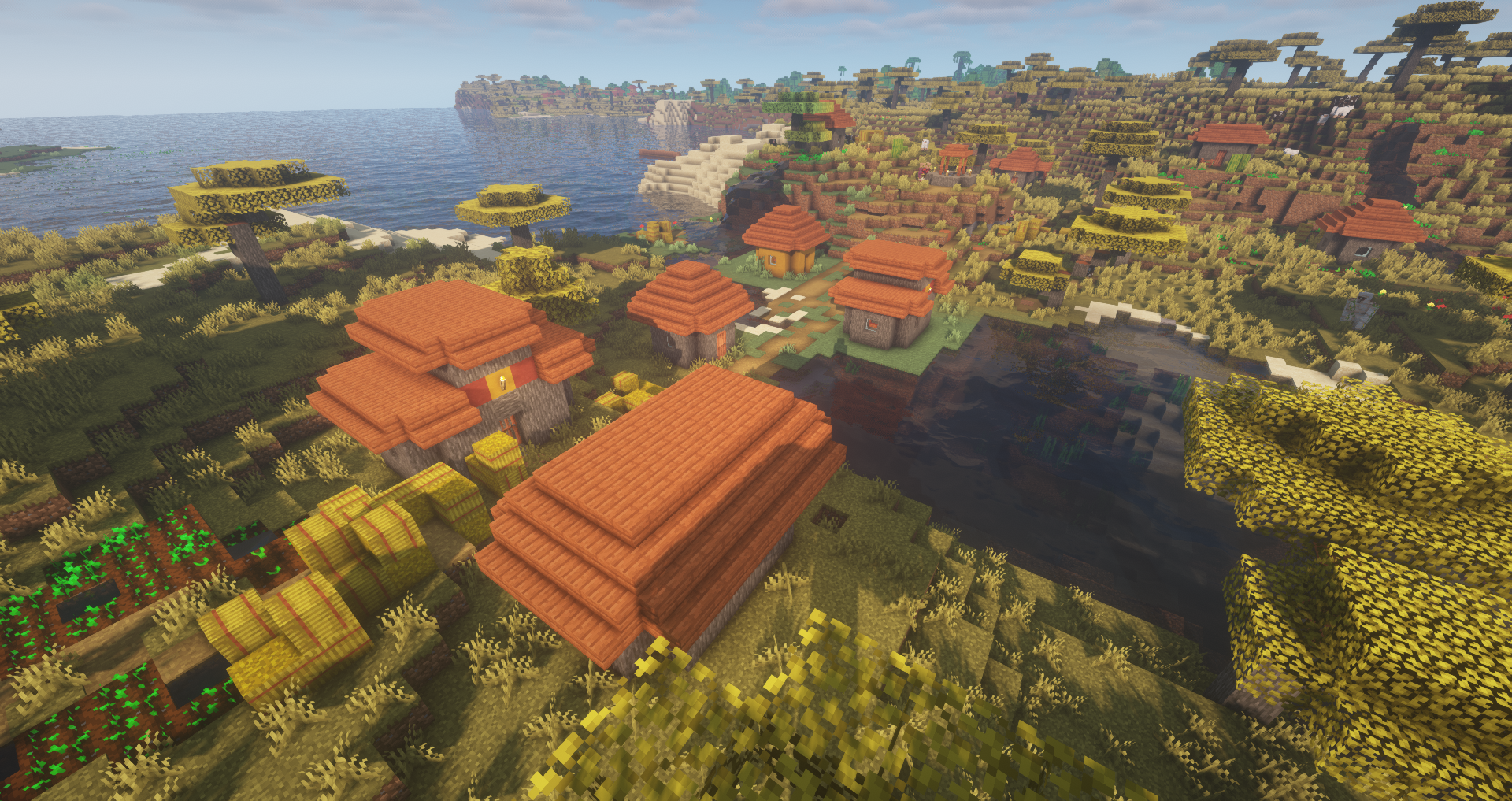
       ├── Procedural Villages (Plains, Desert, Taiga, Savanna)
       ├── Player-Built Mega Cities (Block-by-Block Construction)
       └── Modded Automation (Sim-style Overhauls like 'Millénaire' or 'MineColonies')
For years, the community has attempted to bridge the gap between sandbox survival and city simulation through mods. Fan-made modifications like MineColonies—which allows players to direct non-player character (NPC) workers, establish supply chains, and build thriving medieval towns—consistently rank among the most popular and downloaded modifications in the game’s history.
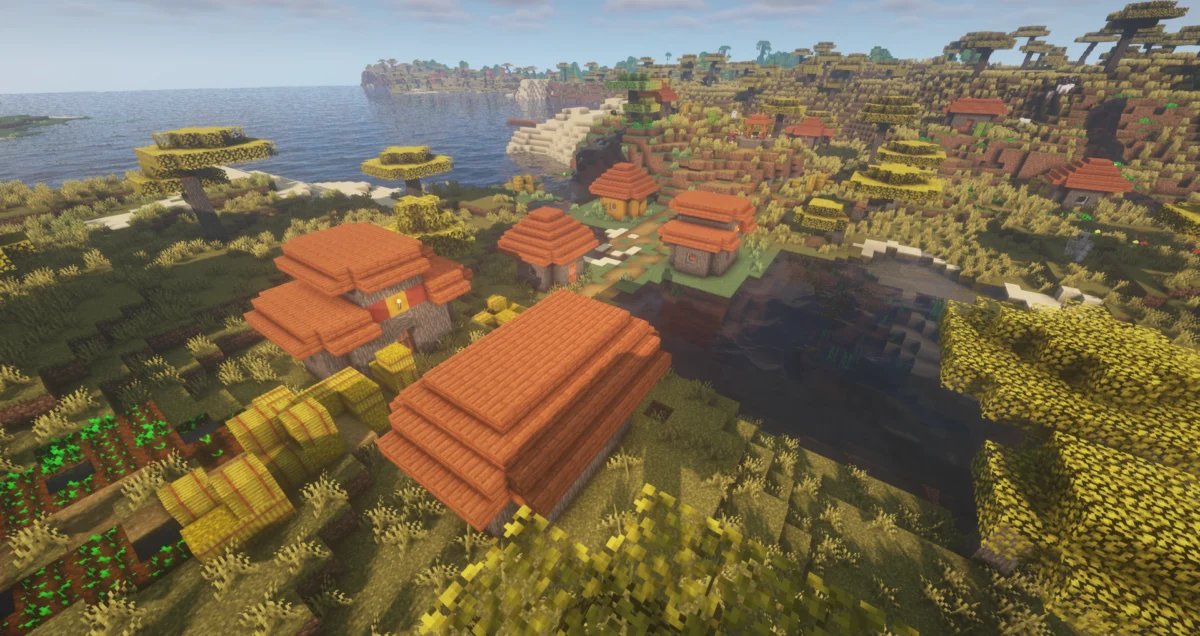
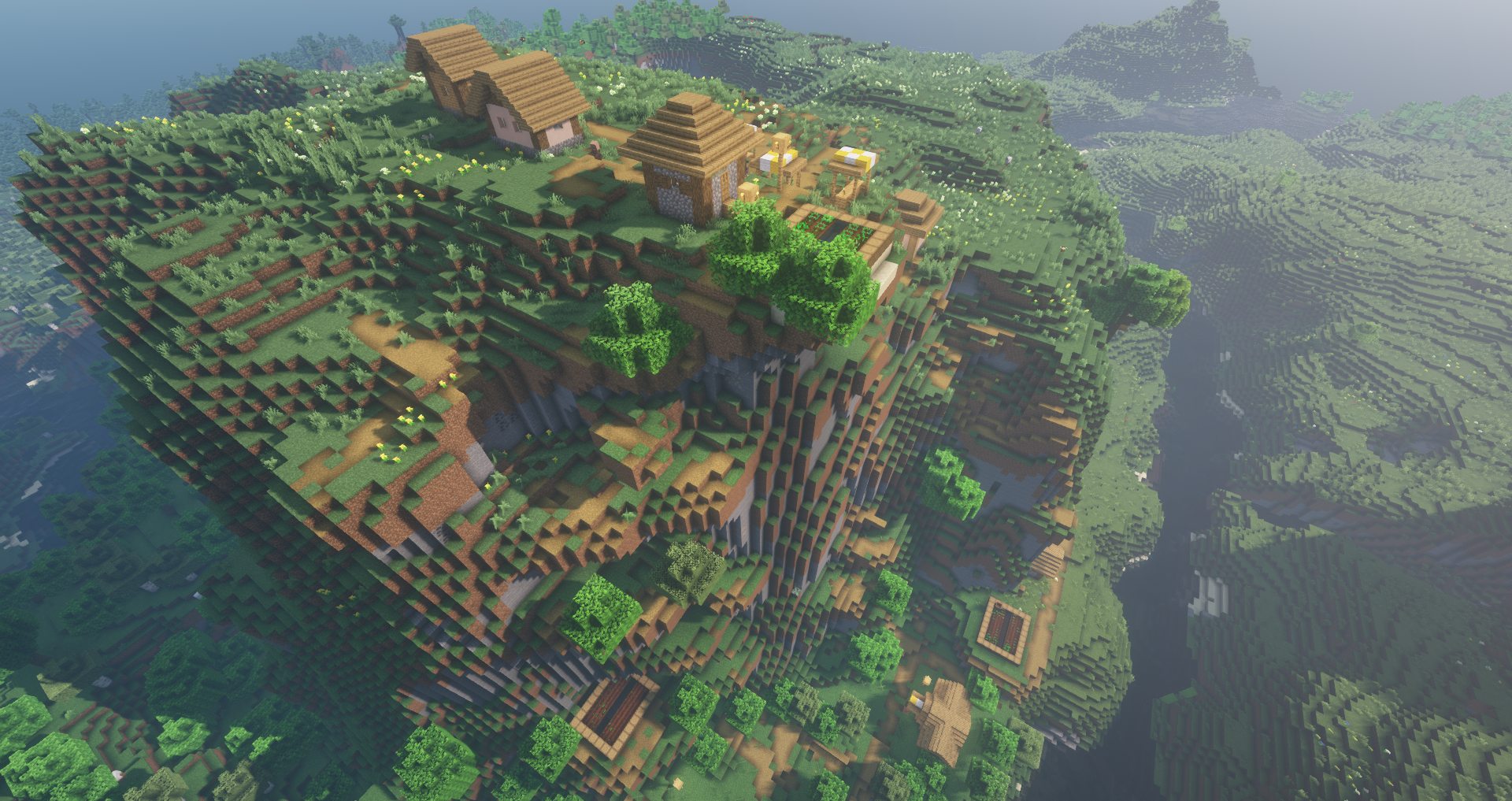
Furthermore, data from internal gaming surveys consistently indicate that architectural and structural design is the primary motivator for over 60% of long-term sandbox players. When given the choice between engaging in combat or designing aesthetic living spaces, players overwhelmingly choose the latter. Minecraft villages—ranging from the iconic plains settlements with their rustic wooden huts to sprawling desert oasis towns—provide a rich visual framework. Translating these biomes into a dedicated city-building framework where players act as the mayor of a growing block-bound empire represents an enormous, untapped market.
Official Responses and Industry Perspectives
Speaking on the broader trend of brand-driven simulation games, industry analysts have pointed out the unique challenges and opportunities facing intellectual property holders in the interactive space.
"When a brand like Lego steps into the city-builder genre, they aren’t just selling a game; they are validating a fantasy that fans have nurtured in their living rooms for decades," notes veteran game designer and industry commentator Lauren Morton. "Minecraft has all the visual assets and cultural goodwill in the world to pull off a macro-scale municipal sim, but Mojang has historically remained deeply protective of Minecraft’s core identity as an open-ended personal adventure rather than a strict managerial spreadsheet game."
Mojang representatives have frequently emphasized that Minecraft’s charm lies in its unstructured, exploratory nature. Expanding too heavily into rigid genre-defining boxes—such as high-level economic management—risks alienating a younger, more casual demographic that values freeform wandering over zoning optimization and traffic management.
Conversely, Lego’s partnership approach with Lego Skylines demonstrates a willingness to hand technical genre execution over to experienced simulation developers, ensuring that the resulting product satisfies both casual builders and hardcore strategy veterans.
Implications: What Lego Skylines Means for the Future of Sandbox Gaming
The arrival of Lego Skylines and the persistent absence of an official Minecraft city builder carry several vital implications for the games industry:
The Maturation of Toy-Brand Games: No longer viewed as cheap tie-in marketing ploys, branded games are increasingly targeting niche, mature genres (like deep simulation and management) to appeal to aging demographics who grew up with the physical toys.
Pressure on Mojang: With Lego claiming the high ground of block-based metropolitan planning, the pressure mounts on Microsoft and Mojang to innovate beyond standard updates. Fans have proven—via mods like MineColonies—that they desperately want a macro-scale management game set within the Minecraft universe. Ignoring this demand leaves significant revenue and creative territory on the table.
Redefining the Builder Demographic: Both Lego and Minecraft cater to overlapping audiences of creative thinkers, architects at heart, and systemic tinkerers. As Lego Skylines proves that digital bricks can successfully power complex economic simulations, the barrier between "toy sandbox" and "hardcore management sim" continues to dissolve.
Conclusion
As we look toward the launch of Lego Skylines, the gaming landscape stands at an intriguing crossroads. Lego is finally capitalizing on its ultimate destiny: transforming the plastic brick into a living, breathing metropolis of traffic lights, skyscrapers, and bustling zoning districts.
Meanwhile, Minecraft watches from across the aisle—a titan of digital construction that birthed a modern renaissance of block-based creativity, yet left the mayor’s office vacant. Whether Mojang will eventually rise to answer the challenge, or cede the digital skyline entirely to its Danish rival, remains one of the most compelling questions in modern game development. One thing is certain: the blocks are ready, and the players are waiting.