

For nearly three decades, the world of virtual football was governed by a singular, immovable duopoly. The partnership between FIFA, the governing body of world football, and Electronic Arts (EA) created a cultural juggernaut that defined the genre. However, the 2022 dissolution of that partnership served as a seismic event, shattering the status quo and triggering an unprecedented gold rush of innovation, diversification, and intense competition.
As the industry moves beyond the shadow of the FIFA-EA era, the sector is undergoing its most transformative period in decades. From high-fidelity simulations to experimental, platform-based social experiences, the "beautiful game" is being reimagined for a global audience that no longer demands a one-size-fits-all product.
A Chronology of the Great Divorce
To understand the current state of play, one must look back to the pivotal year of 2022. The long-standing relationship between FIFA and EA—a marriage of convenience that birthed the most successful sports franchise in gaming history—ended abruptly. Reports suggested the split was primarily driven by astronomical increases in licensing costs, with FIFA reportedly seeking to double its revenue from the deal.
By 2023, the industry landscape had shifted permanently. EA successfully transitioned its massive user base to its new proprietary brand, EA Sports FC, while FIFA signaled its intent to pivot toward a decentralized, multi-publisher strategy. This move wasn’t just a tactical shift; it was a bid to reclaim the brand’s cultural weight by spreading it across diverse platforms, ranging from Netflix-exclusive titles to casual, social-first experiences on Roblox.
The New Ecosystem: A Landscape of Diversity
The post-monopoly era is defined by the emergence of "niche-as-mainstream" titles. Developers are no longer attempting to just beat the incumbent giants at their own game; they are segmenting the market.
- UFL (Strikerz): Positioned as a direct, free-to-play challenger to the simulation giants, UFL focuses on fair-play mechanics and accessible competitive infrastructure.
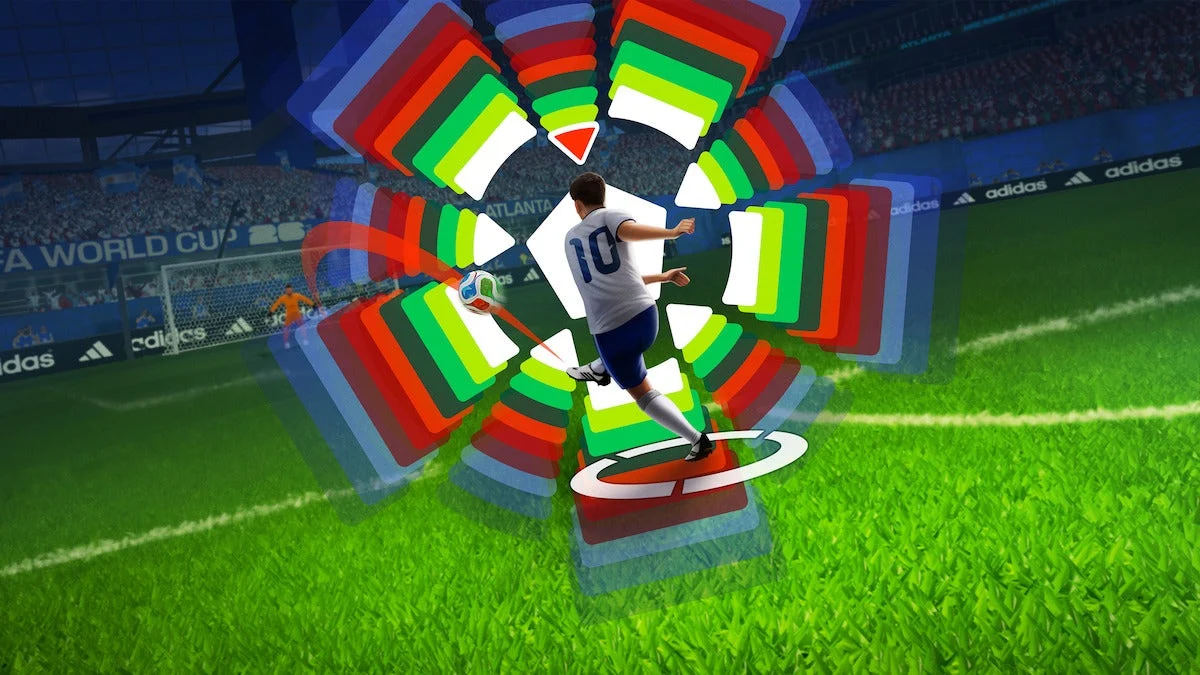
- Netflix FIFA World Cup: Launch Edition (Delphi Interactive): A hallmark of FIFA’s new "Digital Football" strategy, this release highlights the governing body’s push into mobile and streaming-adjacent ecosystems.
- eFootball (Konami): Having pivoted from the traditional Pro Evolution Soccer model, Konami has embraced the live-service, cross-platform reality, focusing on continuous iteration rather than annual premium releases.
Eugene Nashilov, CEO of Strikerz, describes this as the "most active phase in years." According to Nashilov, the market has expanded to include everything from "arcade football and social football to mobile-first products and experimental platform-based experiences."

The Complexity of Execution: Why Football is Hard
Despite the influx of new titles, the industry consensus remains clear: football is one of the most difficult genres to master. Unlike static gaming experiences, a football title requires a trifecta of technical perfection: realistic physics, responsive AI, and a deep, sustainable economy.
"Football may look simple from the outside, but making a great football game is extremely hard," says Nashilov. "You need responsive gameplay, animation quality, AI, physics, matchmaking, licenses, content, and constant live operations. Very few teams can sustain that at scale."
This sentiment is echoed by Casper Daugaard, founder and CEO of Delphi Interactive. He notes that the barrier to entry is not just technical but financial and regulatory. Navigating the complex web of player likeness rights, team licensing, and league agreements is a prerequisite for any developer aiming to reach a global scale. Furthermore, the sheer cost of hardware and the "intimidation factor" of high-priced premium titles have historically gated access to the sport.

The current crop of developers is attempting to lower these barriers, focusing on mobile and cross-platform accessibility to capture untapped audiences in emerging markets like India, Southeast Asia, and Latin America.
Official Perspectives: The Industry Responds
Konami: The Transition to Live-Service
For the makers of eFootball, the market is in a permanent state of transition. Junichi Taya, General Producer at Konami, highlights that the shift away from annual premium releases toward a live-service model has fundamentally changed how games are built.
"Historically, the direction was shaped by annual premium releases, whereas it is now evolving towards more diverse formats," Taya explains. "This has widened the target audience and made the space more dynamic… player expectations have increased significantly as they expect authenticity in gameplay with consistent updates that keep the experience fresh."

FIFA: The Digital Football Strategy
FIFA’s strategy is a calculated gamble on reach. By licensing its name to a variety of developers, the organization aims to cover the entire spectrum of football fans—from the hardcore console player to the young Roblox user who interacts with the sport primarily through social, casual play.
However, observers remain divided on whether this "scatter-gun" approach will work long-term. As Nashilov points out, while diversity is healthy, the FIFA brand will eventually need a "truly top-tier, flagship simulation game" at the center of its ecosystem to maintain its prestige and command the attention of the core gaming community.
Cultural Relevance: Beyond the 90 Minutes
Perhaps the most significant change in the industry is the shift in focus from the "90 minutes on the pitch" to the "lifestyle" surrounding the sport. Football is now synonymous with fashion, social media, memes, and digital identity.

"The opportunity is to build football games that understand and reflect the full cultural context," says Nashilov. A game must offer "live-ops energy" and ensure players feel connected to real-world events. In this hyper-connected environment, a football game is no longer just a simulation of a match; it is a hub for community engagement.
Konami’s Taya adds that while the industry must strive for "authenticity in gameplay," the primary challenge is balancing that realism with accessibility. If a game is too complex, it alienates the casual mobile audience; if it is too simple, it loses the core fans who have grown up with the sport’s granular details.
Implications: The Future of the Beautiful Game
As we look toward the horizon, the outlook for the football gaming market is robust. The surge in interest surrounding the 2026 World Cup served as a catalyst, but the industry is now moving toward a more sustainable, if more competitive, future.

Key Takeaways:
- Innovation Through Competition: The end of the EA-FIFA monopoly has forced the industry to innovate. Incumbents are being pressured to refine their live-service offerings, while new entrants are utilizing experimental models to grab market share.
- Democratization of Play: By lowering the price of entry and focusing on mobile and free-to-play, developers are finally addressing the global football audience in markets that were previously neglected.
- The Survival of the Fittest: Not all projects will succeed. As Nashilov notes, "Some projects will find their audience. Some will not survive. That is normal." The market is self-correcting, rewarding those who can balance technical excellence with deep, community-driven live operations.
- A Multi-Platform Reality: The future of the genre is not on a single console or a single game. It is an ecosystem. Whether it is a quick match on a phone during a commute or a long-form competitive session on a high-end PC, the variety of experiences now available suggests that the "football genre" will become an umbrella term for a vast array of digital interactions.
Ultimately, the dissolution of the partnership between EA and FIFA has been a net positive for the gaming public. By forcing a move away from the stagnant, annual release cycle and toward a dynamic, diverse, and culturally aware market, the industry is entering a new golden age. As Casper Daugaard aptly summarizes: "More diverse football gaming experiences can help make the genre more accessible, and ultimately democratise and globalise football gaming for more people."
The pitch is now wider, the players are more diverse, and for the first time in thirty years, the rules of the game are being written by many, rather than by a few.

