

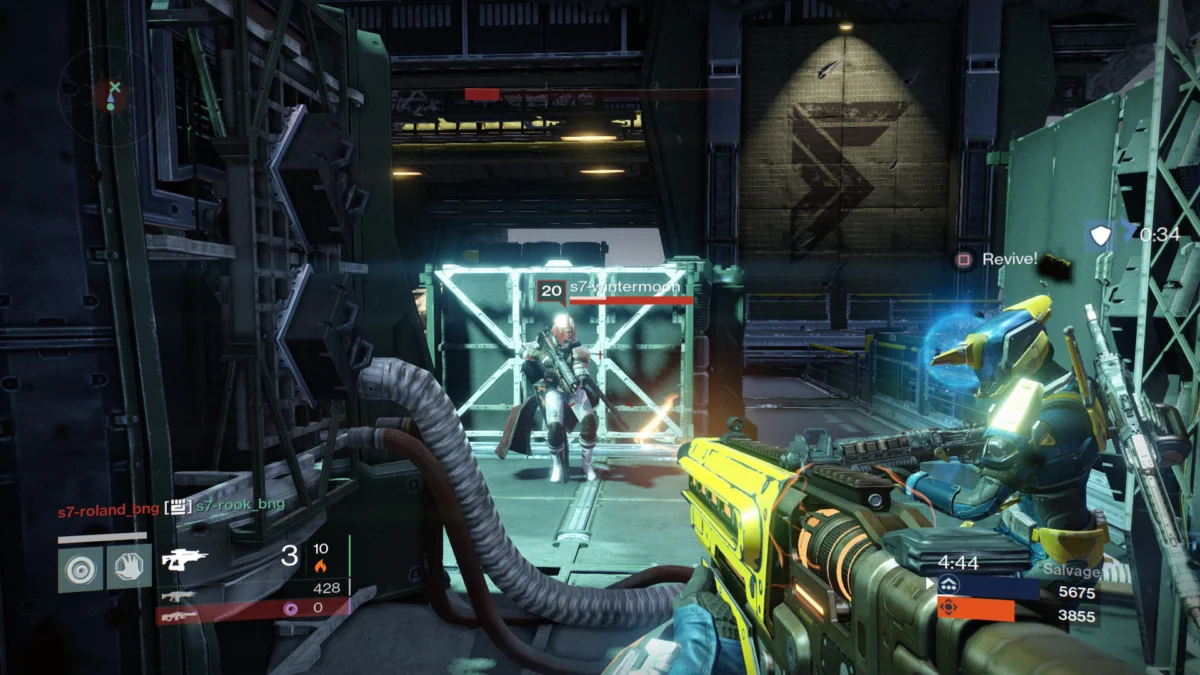
Every veteran Guardian has a "Gjallarhorn story." For some, it is a tale of triumph—a moment of digital salvation where that iconic, gold-plated rocket launcher finally dropped from a raid chest. For others, it is a bitter memory of exclusion, defined by the "Must have Gjallarhorn" mandates that gatekept the game’s highest-level activities. These stories are more than just anecdotes; they are the cultural bedrock of Destiny, Bungie’s ambitious experiment that transformed from a launch-day disappointment into a generational phenomenon.
Reflecting on the title’s trajectory since its 2014 debut, it becomes clear that Destiny was a game defined not by its polished design, but by its flaws, its mysteries, and the sheer tenacity of its community.
The Foundation: A Promise Unfulfilled
When Destiny launched in September 2014, the gaming world held its breath. Bungie, the studio behind the legendary Halo franchise, was embarking on a massive 10-year partnership with Activision. The hype was stratospheric, promising an expansive, story-rich universe that blended the tight gunplay of a first-person shooter with the long-term progression of an MMORPG.

The reality, however, was starkly different. Players reached the initial level cap of 20 within days. The narrative, which felt fragmented and thin, concluded abruptly, leaving players in a vacuum of content. The "Light" system—the game’s endgame progression mechanic—forced users to grind the same handful of missions repeatedly. In the absence of structured, meaningful content, players were met with a punishingly stingy loot system and a difficulty curve that felt less like a challenge and more like an insult.
Chronology of a Crisis
The first year of Destiny was a cycle of player frustration and desperate improvisation.
- September 2014: The launch. Players quickly exhaust the base game and discover the "loot cave" in Old Russia’s Skywatch—a literal hole in the wall where enemies spawned continuously. Players stood in formation, firing mindlessly into the dark, turning the "epic space adventure" into an assembly line.
- The Nightfall Era: The weekly Nightfall Strike became the primary proving ground. With modifiers that could force a team back to orbit upon a single wipe, the difficulty was immense. This led to the "cheese" culture: players hiding under platforms or exploiting AI pathing to safely snipe bosses with the Ice Breaker sniper rifle.
- September 2014 (Late): The arrival of the Vault of Glass. This was the turning point. It was the first time Destiny provided a challenge that required genuine team coordination, communication, and mechanical mastery.
- 2015-2017: A period of "course correction." Through expansions like The Dark Below, House of Wolves, and the critically acclaimed The Taken King, Bungie slowly dismantled the RNG-heavy, punishing systems of the launch window in favor of more transparent, player-friendly progression.
The Vault of Glass: The Savior of the Franchise
If Destiny had a heartbeat in 2014, it was the Vault of Glass (VoG). Released just one week after the base game, it served as the litmus test for the "Hardcore" player base.

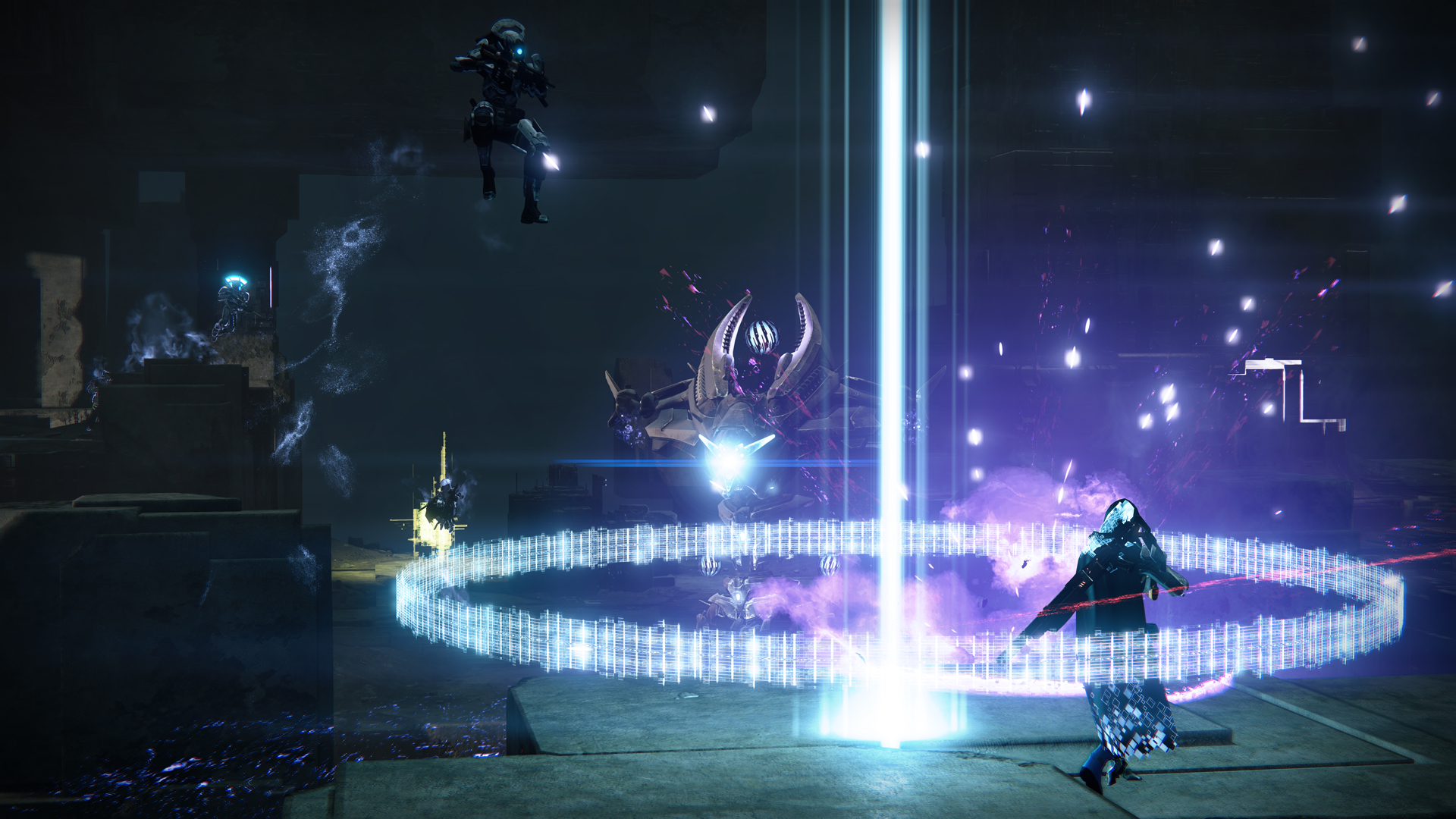
Unlike the linear, "bullet-sponge" boss design of the standard campaign, the Vault demanded six-player synchronization. It forced teams to split, hold capture plates, navigate disappearing platforming puzzles, and survive the terrifying, instakill gaze of the Gorgons. The first team to clear it did so after a grueling 10-hour marathon.
The rewards—specifically weapons like Fatebringer—were legendary. Fatebringer was a hand cannon that rewarded precision with explosive, chain-reaction kills, fundamentally changing how players approached combat. It was a weapon that became a status symbol, a reward that felt earned rather than granted by a random number generator.
Supporting Data: The RNG Struggle
The primary engine of the early Destiny experience was the Random Number Generator (RNG). While intended to keep players engaged, it frequently backfired.
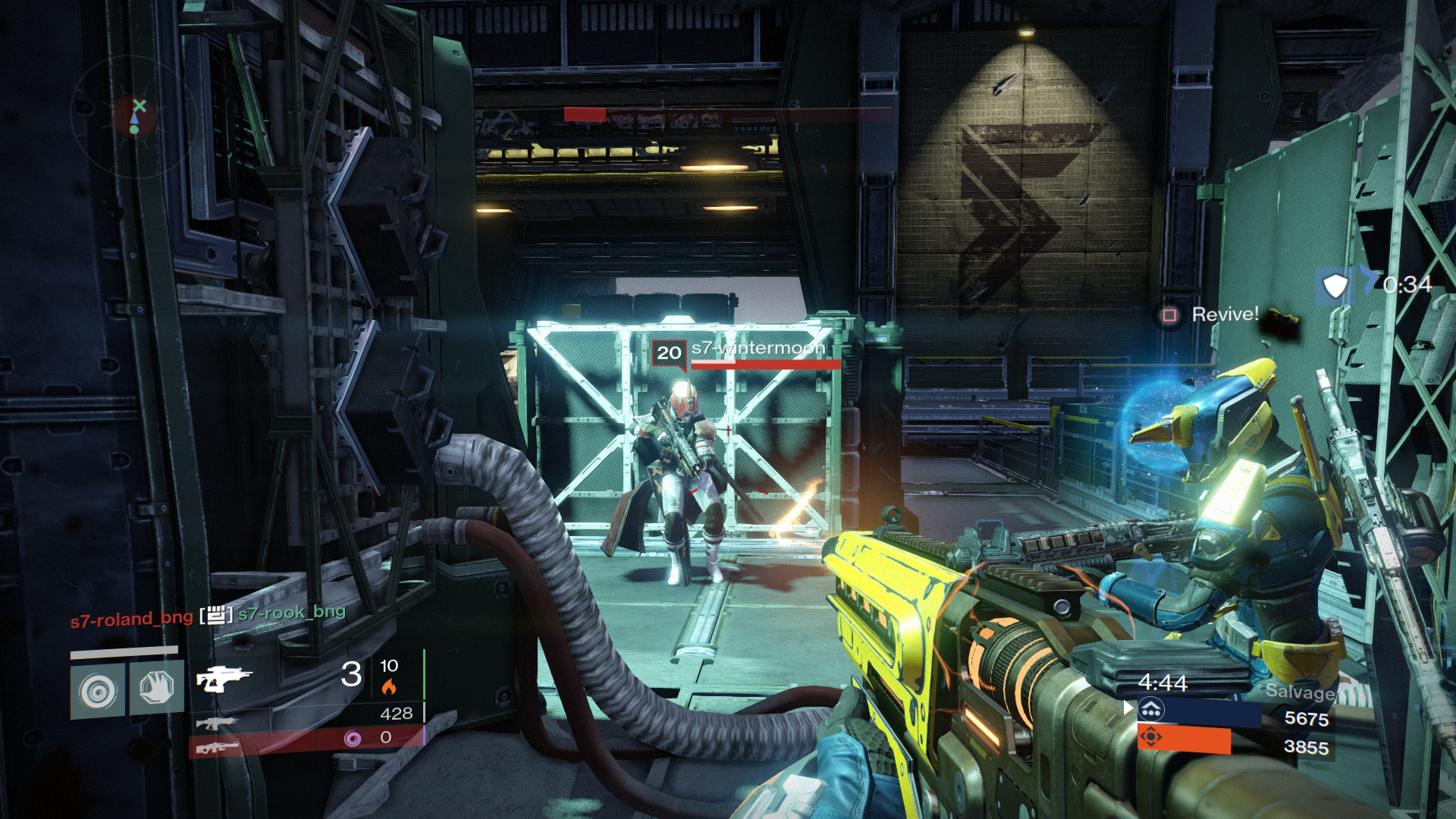
Data from the era—and the enduring "Forever 29" meme—illustrates the systemic failure of the initial loot economy. Because raid armor was the only path to the level cap of 30, and those drops were entirely random, players could complete the Vault of Glass for months and still be missing a single pair of boots. This created a toxic social environment; because there was no in-game matchmaking for raids, players relied on third-party websites to form teams. These forums were quickly flooded with elitist requirements: if you didn’t have the Gjallarhorn or max-level gear, you were essentially barred from the game’s best content.
Official Responses and Strategic Shifts
Bungie’s approach to these issues was reactive but consistent. The studio spent years balancing the delicate, often contradictory, requirements of PvE (Player vs. Environment) and PvP (Player vs. Player).
Luke Smith, the visionary behind the Vault of Glass and later the director of The Taken King and Destiny 2, famously described Destiny as "the bar I can go to in my pyjamas." This philosophy guided Bungie as they pivoted toward a more inclusive, "generous" game model. By the end of its first three-year cycle, Destiny had evolved. It moved away from the "Forever 29" misery, offering fixed, predictable paths to high-level gear. While some veterans mourned the loss of the "wild west" randomness, the result was a stable, accessible experience that solidified the game’s long-term viability.
Implications: The Legacy of a Flawed Masterpiece
Looking back, the success of Destiny is a paradox. It was, by many objective metrics, a hollow and frustrating product at launch. Yet, it remains one of the most significant titles in the history of the genre.
The game’s true genius was never just in its code or its graphics; it was in its ability to foster a community that thrived on shared struggle. The "loot cave," the cheese spots, and the desperate search for raid boots created a narrative that players wrote themselves. Destiny proved that in the modern era of "Games as a Service," the initial launch is merely the beginning.
Beneath the early, miserly loot tables and the shallow story was a mechanical foundation—the gunplay—that remains the gold standard for first-person shooters. By borrowing the complex, cooldown-based systems of the best MMORPGs and applying them to a high-fidelity FPS, Bungie created a new archetype.
As the industry looks back at the "Destiny 1" era, the lesson is clear: A game’s value is not defined by its state on day one, but by its capacity to evolve. Destiny managed to be at its best precisely when it was, by any reasonable standard, at its worst. It turned the act of "grinding" into a social ritual, and in doing so, it transformed a collection of missions and gear into a digital home. For millions of players, it was the bar they went to in their pajamas—and despite the bugs, the nerfs, and the long wait for a Gjallarhorn, they wouldn’t have traded the experience for anything.

