

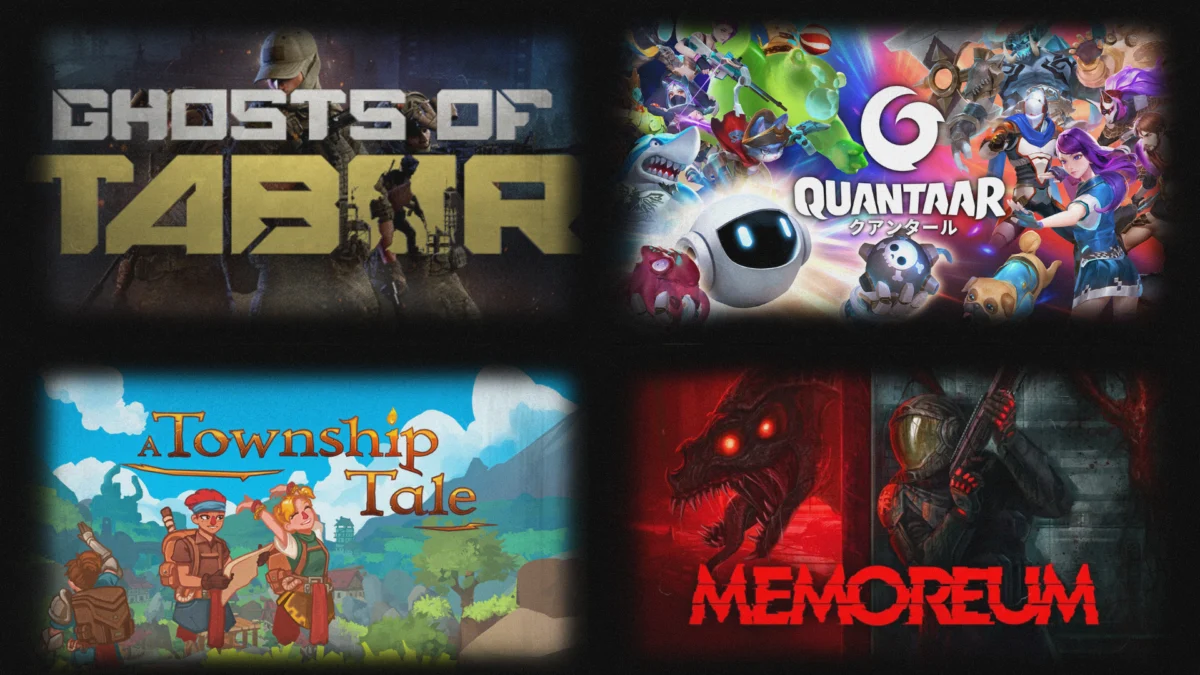
The virtual reality gaming ecosystem is currently weathering one of its most challenging periods since the medium’s mainstream resurgence. Throughout June 2026, the industry has been rocked by a wave of studio downsizing, service terminations, and the abrupt halting of active development for several high-profile titles. From the gritty extraction zones of Ghosts of Tabor to the whimsical dungeon-crawling landscapes of A Township Tale, the narrative remains consistent: the promise of VR’s rapid expansion is colliding with the harsh economic realities of a saturated and cooling market.
The State of the Industry: A Growing Crisis
The current downturn in the gaming ecosystem is not merely a temporary lull; it is a structural shift that is forcing even the most successful independent studios to reconsider their long-term viability. For years, the VR industry relied on early adopter enthusiasm and a steady influx of venture capital to sustain growth. However, as the market matures, developers are finding that passion projects are increasingly difficult to monetize.
This month, the industry witnessed a domino effect of bad news. Four distinct studios—Combat Waffle Studios, Alta, Pumpkin VR, and Patient 8 Games—have all signaled that the financial headwinds are simply too strong to overcome without significant changes to their operations.
Combat Waffle Studios: Resilience Amidst Retrenchment
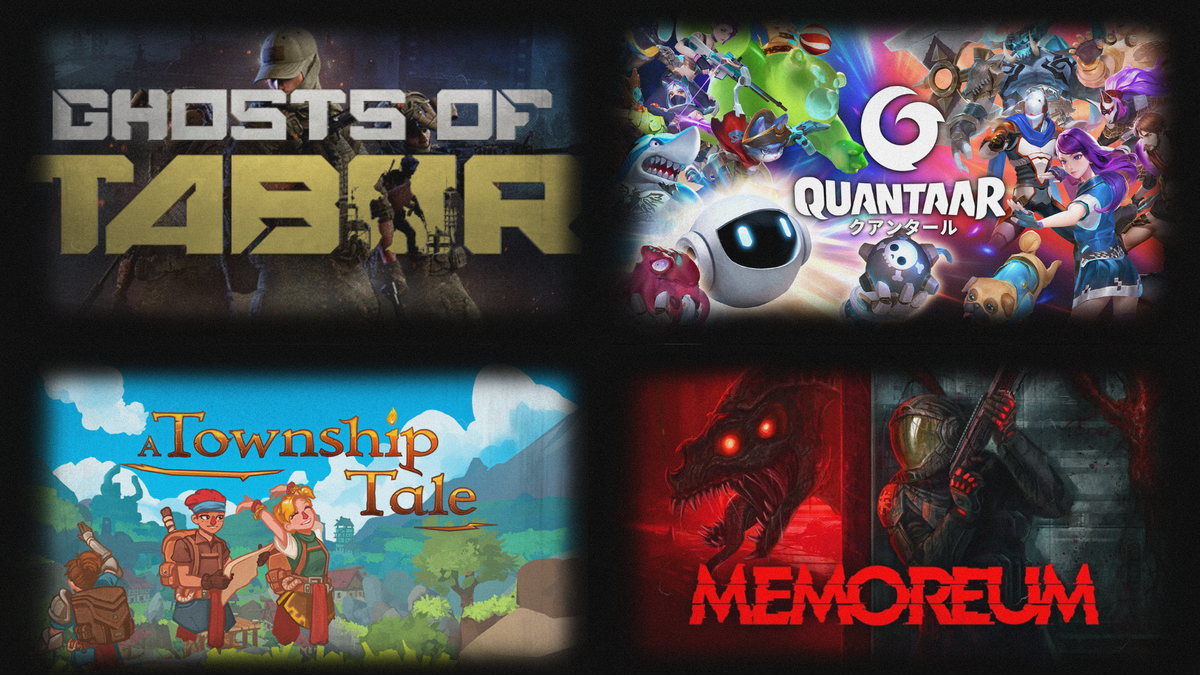
Perhaps the most notable development is the staff reduction at Combat Waffle Studios, the powerhouse behind the massively successful extraction shooter Ghosts of Tabor. Despite being a standout hit—having secured $10 million in revenue early in its lifecycle and scaling to $30 million by its PlayStation VR2 launch—the studio is not immune to the volatility of platform partnerships.
The Catalyst for Change
CEO Scott Albright confirmed that the studio had made the "difficult decision" to reduce its headcount. The primary driver behind this move was the sudden cancellation of a project under development with a "large platform partner." While the identity of this partner remains undisclosed, industry analysts have speculated that the decision may be linked to a strategic pivot by Meta, which has been tightening its content funding initiatives throughout the fiscal year.
Strategic Sustainability
In his public statement, Albright was clear about the studio’s path forward: "These actions are part of a broader effort to align the company with the current state of the VR industry and ensure we are positioned for long-term sustainability." Combat Waffle remains committed to Ghosts of Tabor, emphasizing that the title continues to be their core product. The studio’s ability to leverage high-profile intellectual properties, such as The Terminator and the Splinter Cell franchise, provides a buffer that many other developers lack, yet the move serves as a stark warning: even industry leaders must trim the fat to survive the current climate.
The Shutdown Wave: A Chronology of Losses
The contraction is most visible in the permanent sunsetting of live-service games. When a live-service title shuts down, it represents more than just a loss of revenue; it marks the erasure of years of community building and player progression.
A Township Tale: The End of an Era
Alta, the studio behind the open-world RPG A Township Tale, has officially announced the closure of its live services, effective July 20, 2026. This announcement follows the earlier cancellation of their dungeon crawler, Reave, which ended development in May.
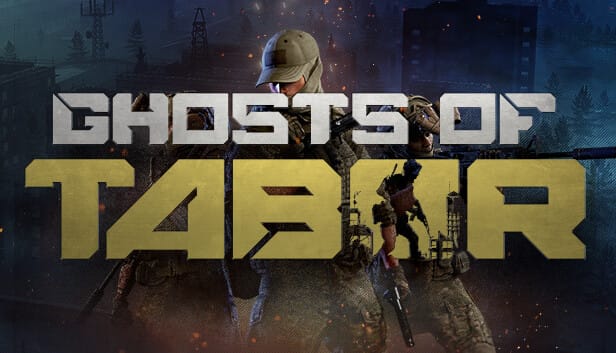
Joel van de Vorstenbosch, co-founder of Alta, noted that the studio had explored every possible avenue to keep the game alive. "Like many others, we’ve been impacted by the state of the VR industry in ways we didn’t foresee," van de Vorstenbosch stated. A Township Tale was a pioneer, having launched in pre-alpha in 2018 and serving as a staple of the Quest ecosystem since 2021. Its departure leaves a significant void in the social RPG space for VR.
Quantaar: Competitive Play Diminished
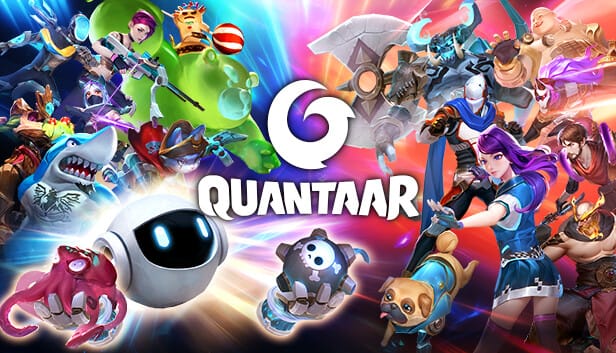
Pumpkin VR has joined the list of studios closing their doors, announcing that their Smash Brothers-inspired brawler, Quantaar, will cease all operations on September 5, 2026. Unlike titles that fade away slowly, Quantaar has already been removed from storefronts including the Quest, Steam, and Pico platforms. The decision reflects the difficulty of maintaining a competitive multiplayer environment in a space where player retention is notoriously difficult to achieve.
Memoreum and the Reality of Sales
Perhaps the most poignant story comes from Patient 8 Games, whose sci-fi shooter Memoreum has been relegated to "maintenance mode" following poor sales performance.
Memoreum, which drew inspiration from the Dead Space series, was a labor of love that failed to find a sufficiently large audience to sustain full-time development. A developer from the studio stated bluntly on Discord: "We built this game with passion and love… but passion alone doesn’t pay the bills or keep the lights on."
The studio’s struggle highlights a growing divide between high-quality indie output and commercial success. Despite a respectable 4.4-star rating on the Meta Quest platform, the conversion of positive reviews into sustainable revenue proved impossible. The game’s Steam release, originally slated for 2025 and pushed to Q3 2026, remains in a state of deep uncertainty, with the studio unable to provide concrete promises regarding its future.
Analyzing the Economic Implications
The events of June 2026 suggest a fundamental change in the "VR gold rush" mentality that characterized the early 2020s.
1. The Death of Speculative Funding
For years, platform holders like Meta were willing to subsidize a wide variety of experimental games to fill their storefronts. As those platforms shift their focus toward more predictable, blockbuster-tier engagement, smaller studios are finding themselves without the safety net of platform funding.
2. Live-Service Fatigue
The VR market is arguably suffering from live-service fatigue. Games like A Township Tale and Quantaar require constant, high-level engagement from a large player base to remain profitable. As the VR hardware install base grows more slowly than anticipated, the competition for those limited hours of user attention has become a zero-sum game.
3. The "Passion Gap"
There is a widening gap between what developers love to build and what consumers are willing to purchase. As seen with Memoreum, critical acclaim and a dedicated community are no longer sufficient to guarantee survival. Developers are increasingly forced to choose between producing high-budget, lower-risk titles or risking total closure.
Conclusion: A Pivot Toward Maturity?
While the headlines from this month are undeniably grim, they may represent a necessary, if painful, maturation of the VR industry. The era of unchecked experimentation is being replaced by a more disciplined, albeit more cautious, approach to development.
For players, the loss of these titles is a reminder of the fragility of digital-only gaming. For developers, the message is clear: the industry is no longer in its infancy. Future success will require not just technical ingenuity and creative passion, but a rigorous adherence to the realities of market demand and fiscal sustainability. As the dust settles on this wave of closures and layoffs, the remaining studios will be those that have successfully navigated the transition from "visionary startups" to "resilient businesses."
The VR landscape is undoubtedly smaller today than it was at the start of the month, but it may, in the long run, be more focused on the sustainable path forward.

