

By James Ford
Published September 15, 2026
Main Facts
Released on September 15, 2026, for the PlayStation 5, Marvel’s Wolverine marks Insomniac Games’ latest high-profile entry into the AAA video game market. Following the massive commercial and critical success of the studio’s Spider-Man trilogy, this standalone title shifts away from the open-world, PG-friendly escapades of Peter Parker and Miles Morales. Instead, it offers a tightly structured, linear 20-hour narrative campaign that fully embraces a mature rating.
Players step into the scarred, adamantium-laced boots of James "Logan" Howlett, an immortal mutant wrestling with his violent instincts, a fractured memory, and a bloody past. Unlike Insomniac’s previous superhero entries—where combat relies heavily on acrobatics, web-shooters, and non-lethal takedowns—Marvel’s Wolverine leans into visceral combat. Logan’s signature foot-long claws regularly slice through foes, painting environments with cinematic sprays of blood.
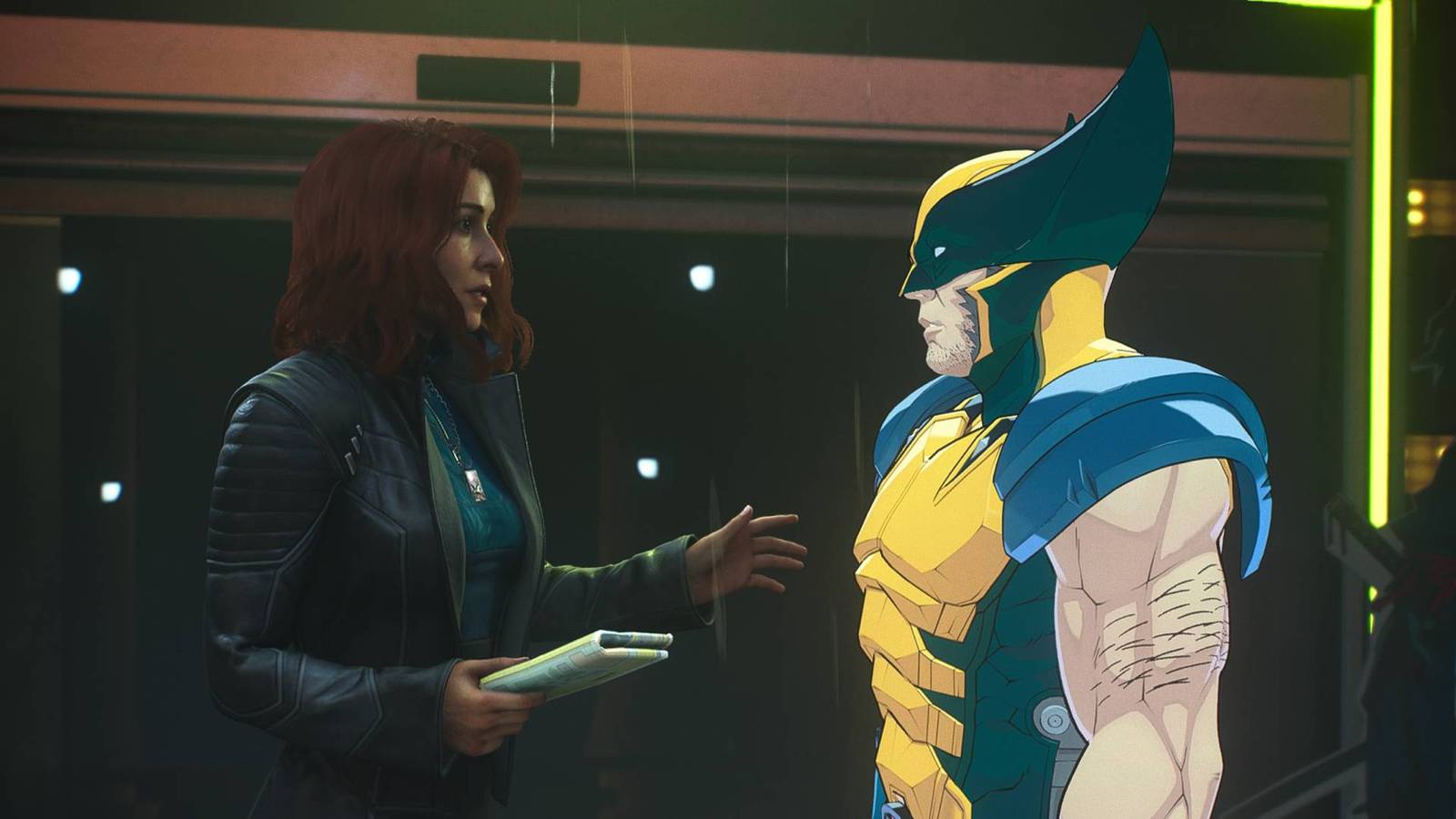
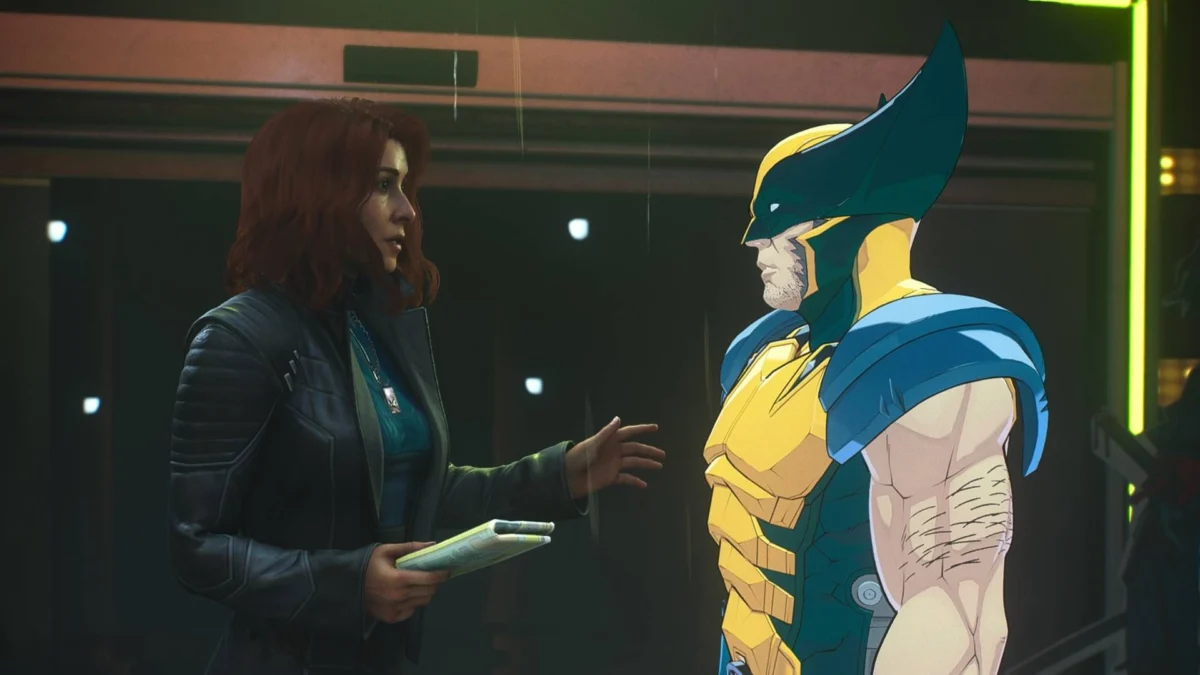
However, despite the game’s meticulously crafted dark atmosphere, a persistent design choice has drawn sharp criticism from players and reviewers alike: its unlockable cosmetic suits. Specifically, the Marvel Tokon: Fighting Souls and Animated outfits—both of which feature vibrant, cel-shaded cartoon aesthetics—clash so drastically with the game’s solemn tone that they inadvertently undermine key emotional beats, transforming gut-wrenching dramatic sequences into moments of unintended comedy.
Chronology
To understand how these cosmetic options disrupt the player experience, it is helpful to trace how Marvel’s Wolverine handles its narrative pacing and structural progression:
- Pre-Launch & Marketing (2024–2025): Insomniac Games heavily promotes Marvel’s Wolverine as a darker, more grounded, and brutal departure from their work on Spider-Man, showcasing Logan’s feral combat style and emotional torment.
- September 15, 2026: The game officially launches worldwide exclusively on the PlayStation 5, receiving praise for its linear storytelling and high-fidelity production values, alongside early critiques regarding heavy reliance on quick-time events (QTEs) and visual navigation aids.
- Post-Launch Discovery (First 48 Hours): Players quickly progress through the campaign, unlocking various cosmetic suits tied to comic history and alternate media interpretations, including the cel-shaded Marvel Tokon: Fighting Souls and Animated variants.
- Mid-Game Emotional Climax: Players reaching critical emotional turning points—such as a rainy, high-stakes argument with Jean Grey on the neon-lit streets of Tokyo or internal psychological nightmares—discover that wearing these stylized, brightly colored skins completely fractures the dramatic tension of the scene.
Supporting Data
The controversy surrounding Marvel’s Wolverine costumes highlights a broader ongoing debate in modern game design regarding tone, customizability, and player immersion.

- Combat Intensity vs. Aesthetic: Over the course of the 20-hour campaign, players execute hundreds of lethal melee encounters. The contrast between realistic, high-fidelity blood-spatter physics and a flat, two-dimensional cartoon shader creates a stark visual disconnect.
- Narrative Focus: Unlike open-world sandboxes where players spend hours exploring and partaking in low-stakes side activities, Marvel’s Wolverine utilizes a strict linear progression. This tightly controlled pacing leaves little room for comedic relief or tonal reset periods between cinematic story beats.
- Suit Variety: The game features a wide array of unlockables spanning Logan’s rich publishing history. While classic tactical outfits, battle-damaged variations, and modern tactical gear fit seamlessly into the gritty cinematic engine, the stylized cel-shaded skins are built on entirely different rendering logic, making them stick out like a sore thumb during dramatic dialogue close-ups.
Official Responses
Insomniac Games has built a reputation for listening closely to player feedback, actively patching and updating their titles based on community sentiment—most notably adding suit options and quality-of-life adjustments to Marvel’s Spider-Man 2.
While Insomniac has not yet issued a formal statement regarding the specific tonal friction caused by the Marvel Tokon: Fighting Souls and Animated suits, developers have historically defended player choice as a cornerstone of modern gaming. In previous interviews concerning cosmetic implementation, representatives from the studio emphasized that giving players the freedom to customize their hero—no matter how absurd or nostalgic the choice—remains a top priority.
On social media platforms like X (formerly Twitter) and Reddit, community reception is sharply divided. Some fans argue that optional joke skins are a staple of the superhero genre, allowing players to inject lighthearted fun into otherwise heavy campaigns. Others, however, have echoed sentiments that seeing a cartoonish Wolverine butcher enemies or break down in tears during tragic cinematic sequences is a "crime against humanity" that shatters the suspension of disbelief.
Implications
The debate over the cosmetic suits in Marvel’s Wolverine points to deeper implications for the future of narrative-driven superhero games:
- The Limits of Customization in Linear Narratives: In open-world sandboxes, goofy costumes are harmless because players control the pacing and mood. In a strictly linear, cinematic narrative, every asset must work in harmony with the script. When a player actively chooses an incompatible cosmetic, it risks breaking the emotional investment that writers and directors spent years building.
- Ludonarrative Dissonance 2.0: Traditionally, ludonarrative dissonance refers to a disconnect between a game’s story and its mechanics (e.g., a pacifist hero who massacres guards in cutscenes). Marvel’s Wolverine introduces an aesthetic dissonance—where the mechanics and story align on a dark, brutal vision, but the player’s cosmetic choice violently rebels against it.
- Balancing Fan Service with Artistic Integrity: Developers face a constant tug-of-war between honoring decades of comic book lore (which includes everything from dark, gritty runs to Saturday morning cartoons) and maintaining a singular, cohesive artistic vision. As video games continue to push toward photorealism and cinematic maturity, studios may need to consider implementing restrictions on cosmetic items during critical story sequences—or risk having their most dramatic moments undermined by a brightly colored cartoon outfit.

