

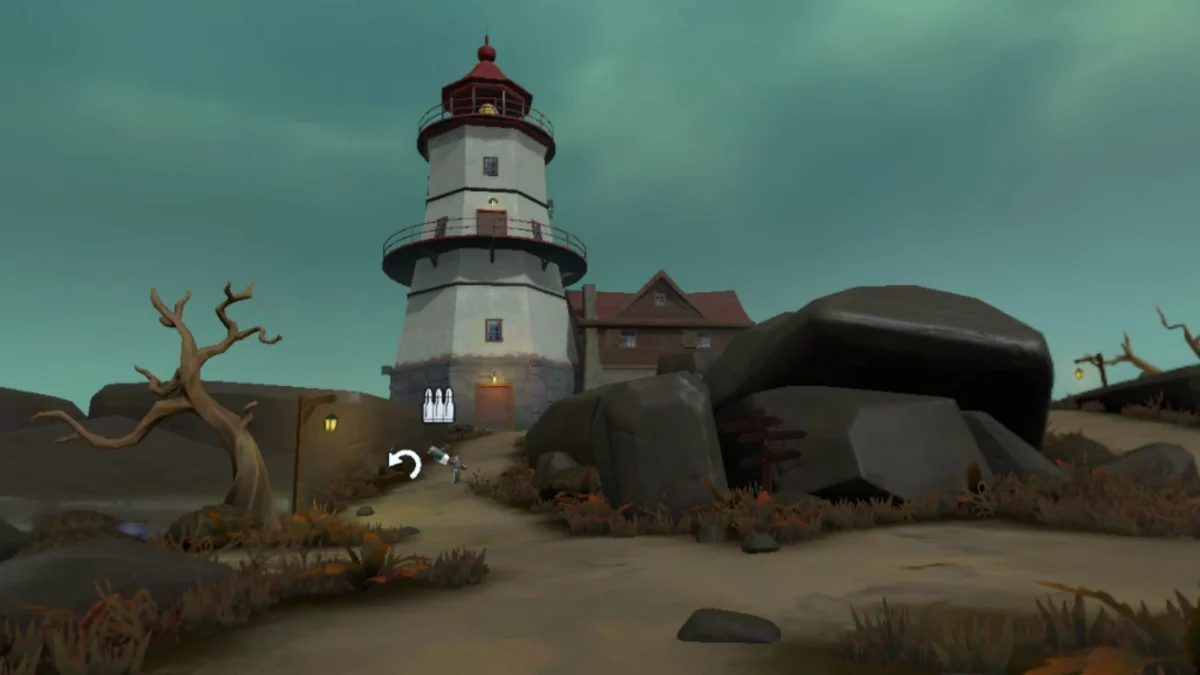
Spectral Games’ latest Meta Quest 3 title weaves scavenging, tower defense, and Lovecraftian horror into a surprisingly cohesive loop—proving that the whole can indeed be greater than the sum of its parts.
Main Facts
Released on September 10, 2026, The Lightkeepers is a co-op survival tower defense game developed by Spectral Games SA—the studio previously behind Medieval Dynasty: New Settlement. Available exclusively for Meta Quest 3 and Quest 3S headsets at a price point of $19.99, the game challenges players to balance daylight resource management with nighttime wave-survival combat against grotesque, otherworldly adversaries.
At its core, the game blends familiar VR mechanics: the day-and-night survival pacing of Bootstrap Island, the frantic horde defense of Drop Dead: The Cabin, and the category-based looting systems popularized by The Walking Dead: Saints & Sinners. While individual mechanics—ranging from basic gunplay to modest visual fidelity—fail to redefine the virtual reality landscape on their own, their harmonious integration creates an urgent, high-stakes gameplay loop that keeps players relentlessly engaged.
Chronology: Surviving the First Cycles
Jumping into The Lightkeepers with a partner immediately highlights the game’s steep initial learning curve. The opening hours are defined by a frantic scrambling to understand basic crafting recipes, navigate the layout of the primary island, and master the intricate shoulder-based inventory system.
The Inventory Dilemma
Mastering the equipment slots requires muscle memory. Grabbing items depends strictly on a combination of which shoulder you reach for and which hand you use:
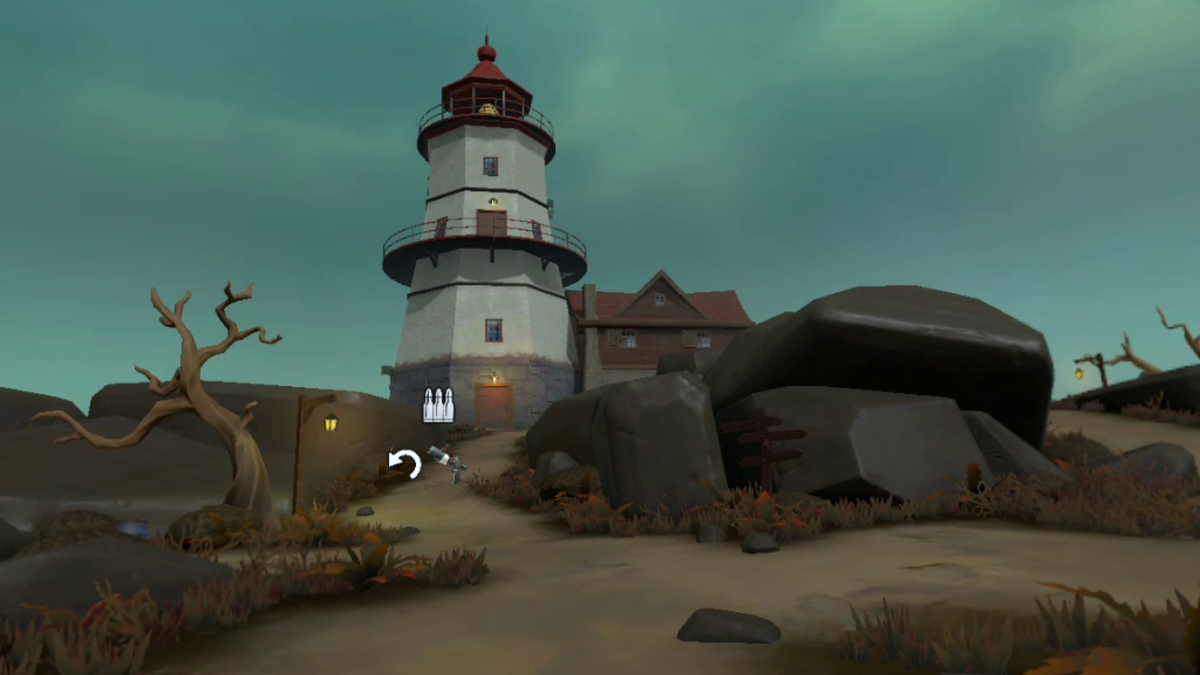
- Right Hand: Reaching for the left shoulder draws your firearm, while the right shoulder yields your melee weapon.
- Left Hand: Reaching for the left shoulder pulls your primary backpack, whereas the right shoulder produces your essential handheld lamp.
During early runs, this layout leads to clumsy fumbles. In initial gameplay sessions, players often spend entire days just getting their bearings, meaning secondary excursions—such as taking a boat out to remote, monster-infested islands for high-tier loot—frequently get pushed back to subsequent runs once basic competencies are established.
The Daily Rhythm
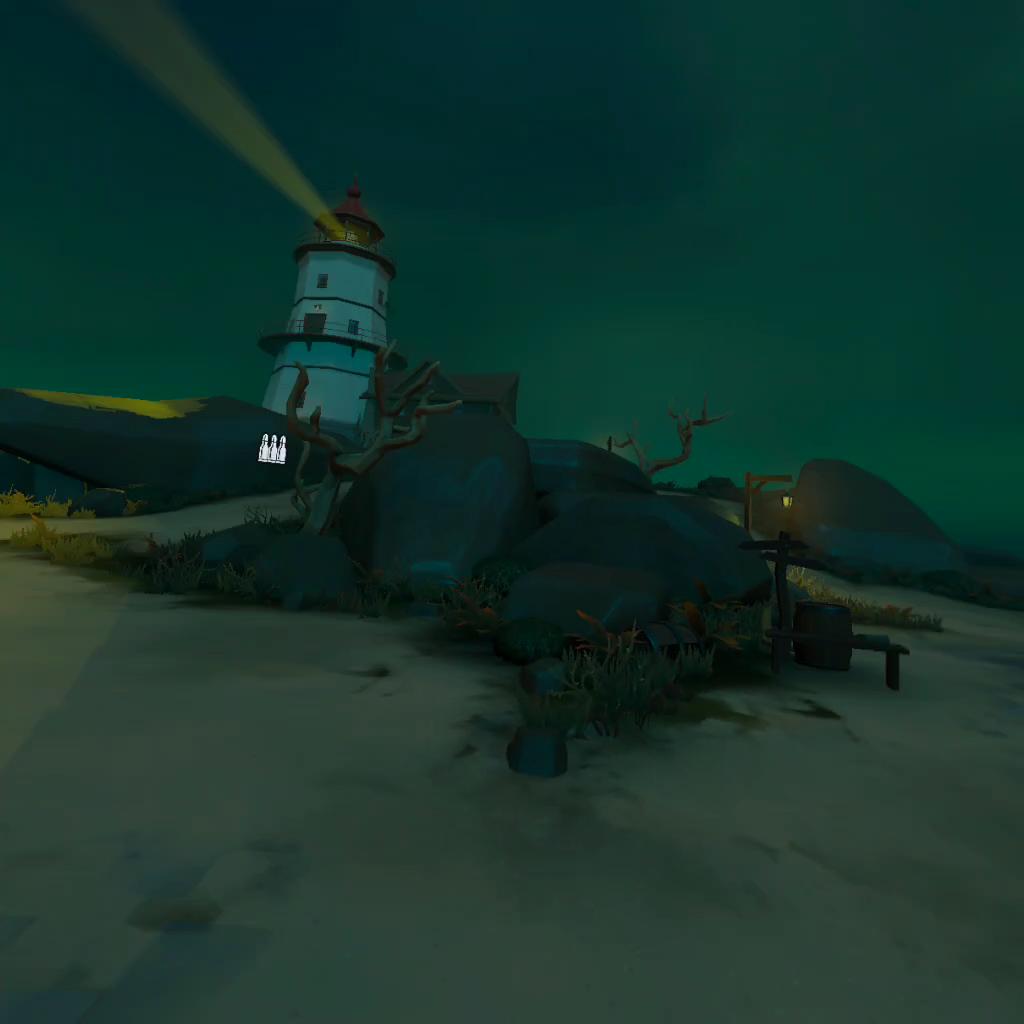
Once players settle into the rhythm, the day unfolds with strict temporal pressure. A watch strapped to the player’s left wrist displays remaining daylight hours, backed up by a foreboding acoustic tone that sounds a few minutes before nightfall. This audio cue serves as the final warning to abandon scavenging, rush back to the lighthouse, secure defenses, and prepare for the onslaught of Lovecraftian horrors.
Supporting Data and Technical Breakdown
While the game mechanics create an addictive loop, a granular examination of The Lightkeepers reveals a title built on modest components rather than bleeding-edge innovation.
Visuals and Fidelity
Visually, The Lightkeepers is serviceable rather than breathtaking. It lacks the jaw-dropping graphical polish seen in titles like Bootstrap Island. Textures are basic, and environmental details on the base island are functional rather than immersive. However, the graphical restraint ensures steady performance on the Quest 3 hardware during chaotic nighttime battles packed with multiple enemy entities.
Combat and Arsenal
Combat feels somewhat floaty, lacking the visceral impact, weighty haptics, and rich sound design found in industry-leading VR shooters. The starter weapon—a rough, single-shot pistol—is deliberately underpowered, forcing players to grind through early sessions to earn better gear.
The looting system relies on collecting distinct resource categories (fuel, scrap metal, cloth, and wood) reminiscent of The Walking Dead: Saints & Sinners, though with a more limited variety of individual items.
Comfort and Accessibility
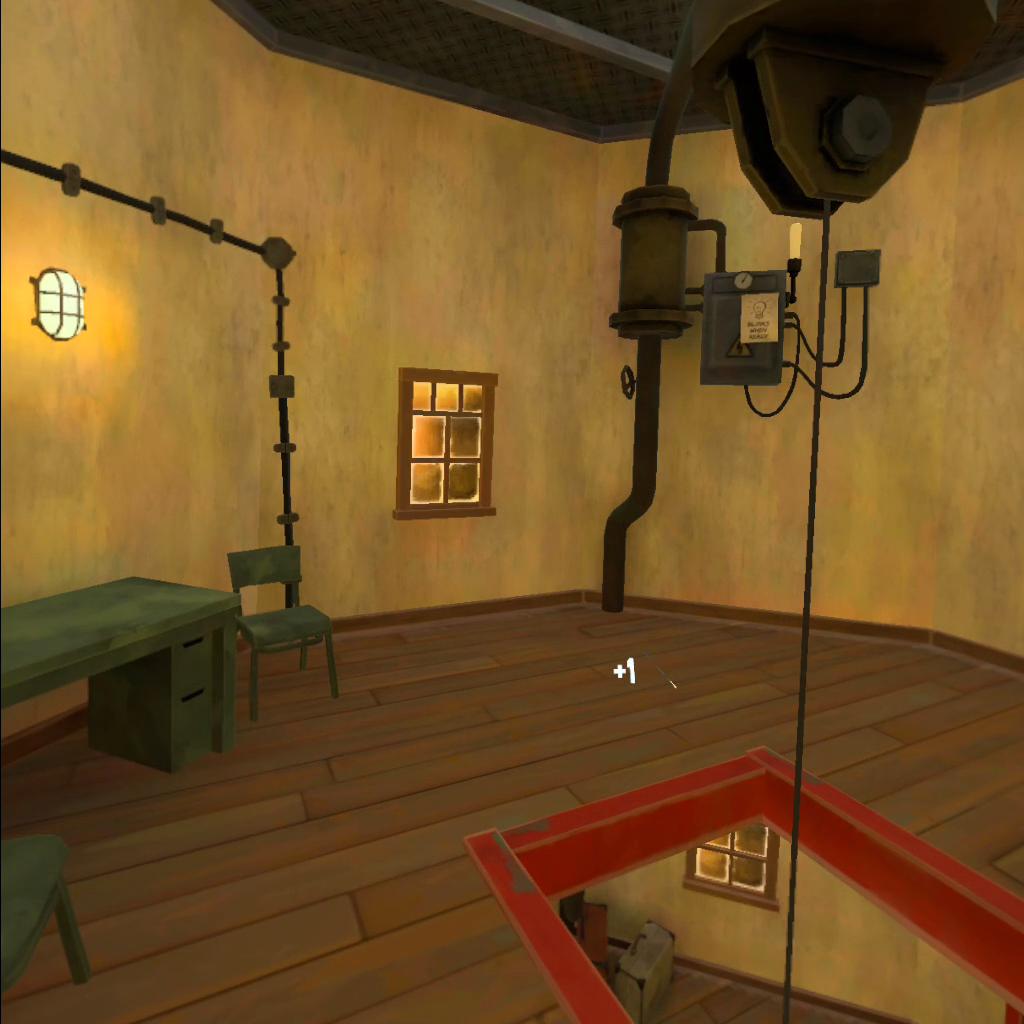
Designed for broad accessibility, The Lightkeepers supports both seated and standing playstyles with options for smooth or snap turning. Verticality plays a significant role: players must frequently climb structures or utilize an integrated zipline system to rapidly traverse the multi-floor lighthouse during crises.
However, developers note that the constant motion, combined with boat-driving mechanics that shift players into an unfamiliar overhead perspective, may present challenges for users prone to VR motion sickness.
Progression and Long-Term Value
For players who hook into the core loop, The Lightkeepers offers an extensive, grind-heavy long-term progression system. The game features multiple difficulty tiers and campaign lengths. Unlocking advanced weapons, high-tier gear, and cosmetic items requires a dual approach:
- Stat Compiling: Reaching specific gameplay milestones (e.g., eliminating 100 specific enemies using a pistol).
- Economy & Monetization: Spending in-game currency earned during successful runs, supplemented optionally by paid microtransactions.
Much like cooperative shooters such as After the Fall or Knights of Fiona, the game rewards deep time investment, offering plenty of incentives for players to return after mastering the basics.
Official Responses and Developer Context
Spectral Games has positioned The Lightkeepers as a direct response to the community’s hunger for deep, cooperative multiplayer experiences on standalone VR platforms. Building upon lessons learned from porting and developing Medieval Dynasty: New Settlement, the studio aimed to create a title where social coordination is just as vital as individual mechanical skill.
While the developers have not yet published detailed roadmaps regarding post-launch updates, the inclusion of tiered difficulties, expansive unlock trees, and monetization structures signals a commitment to supporting the game as a long-term live service on the Quest platform.
Implications for the VR Survival Genre
The release of The Lightkeepers offers valuable insight into the current trajectory of standalone VR game development, particularly for the Meta Quest 3 ecosystem.
- Execution Over Isolation: The game proves that a collection of average mechanics—basic gunplay, standard crafting, and mid-tier graphics—can coalesce into an exceptional experience if the overall pacing and game design philosophy are tightly tuned.
- The Power of Time Pressure: By weaponizing time through wrist-watches, audio warnings, and the stark contrast between daylight exploration and nighttime defense, developers can manufacture intense psychological engagement without requiring photorealistic graphics or complex physics engines.
- Cooperative Dependency: Titles that force players to divide labor—such as one player driving an overhead-view boat while another clears remote shores—highlight the expanding design vocabulary available to developers building specifically for cooperative standalone VR.
Ultimately, The Lightkeepers may not win awards for graphical fidelity or physics innovation, but its ability to keep players frantically working against the clock makes it a worthy addition to the Quest 3 library for fans of cooperative survival.

