

For nearly two decades, the Real-Time Strategy (RTS) genre has struggled with a fundamental dilemma: how to bridge the cavernous gap between casual players and the hyper-competitive elite. The traditional solution, the "comp stomp"—where players form an alliance to dismantle AI opponents—is a staple of the genre. Yet, it is often a hollow experience. When the AI is either incompetent or relies on "cheating" to provide a challenge, the tension evaporates, leaving players to go through the motions without the genuine stakes of a human match.
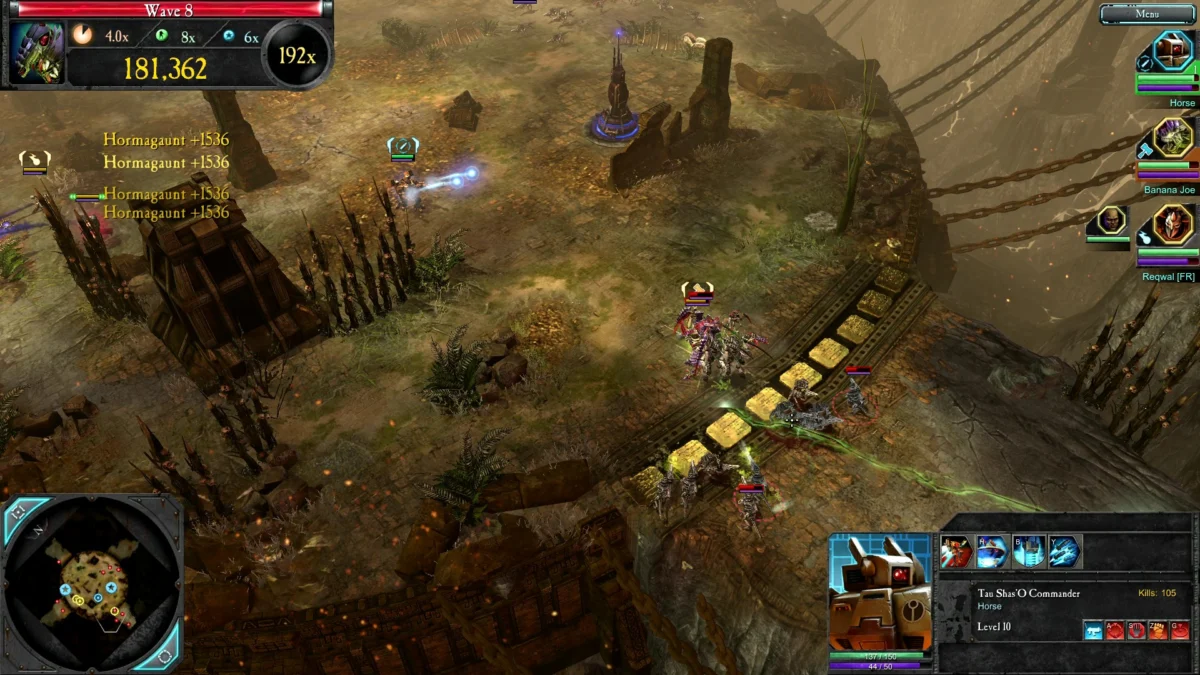
However, buried within 2009’s Warhammer 40,000: Dawn of War 2 lies a solution that remains a masterclass in design: The Last Stand. By distilling the complexity of an RTS into a tight, cooperative survival mode, Relic Entertainment created something that feels less like a skirmish and more like an intense, high-stakes PvE MOBA. Fifteen years later, as the community looks toward the future of the franchise with the upcoming Dawn of War 4, it is time to examine why The Last Stand remains an untouchable pinnacle of strategy game design.
The Genesis of a Survival Phenomenon
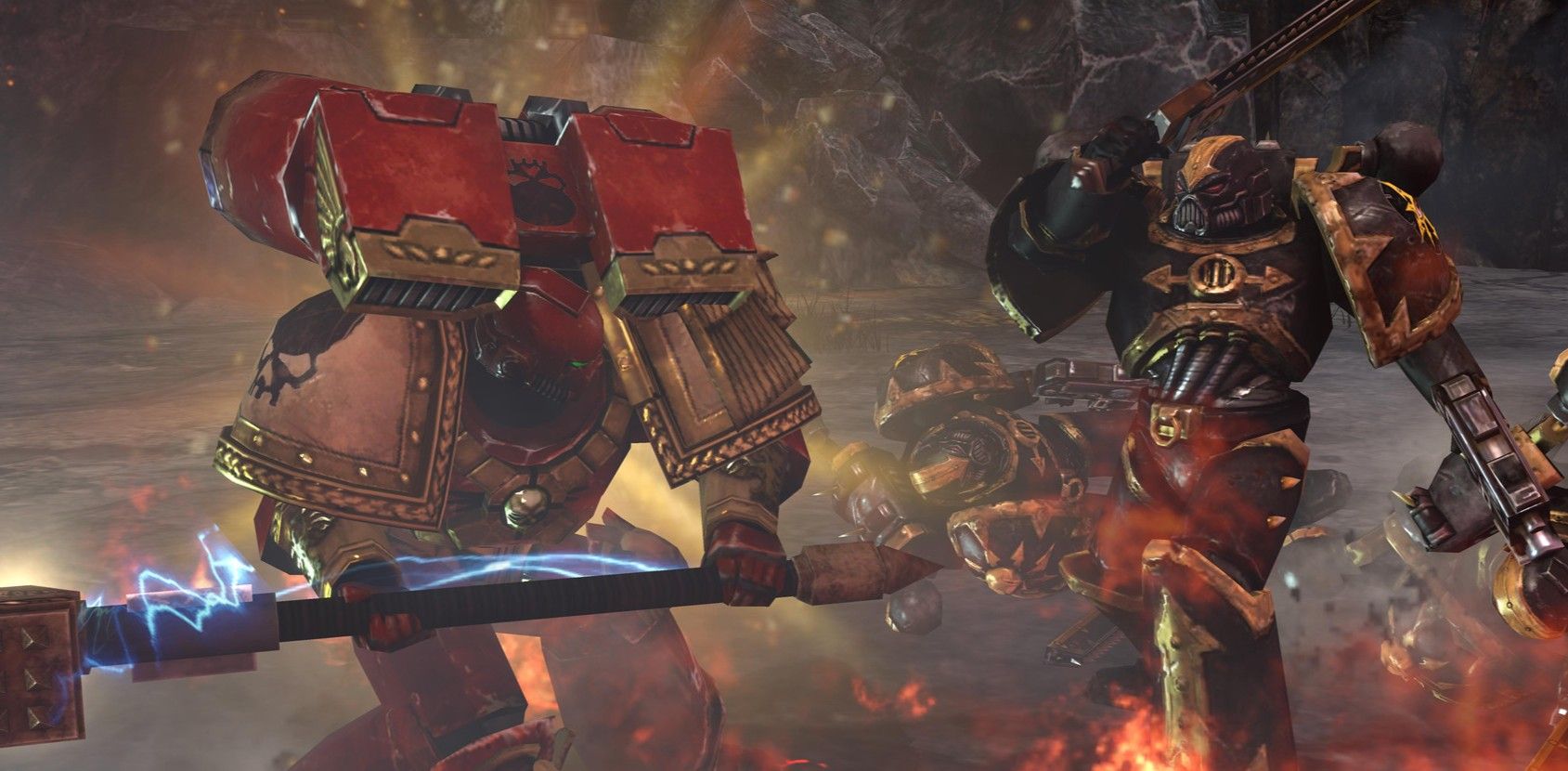
To understand the impact of The Last Stand, one must look at the landscape of the late 2000s. Dawn of War 2 was already a departure for the series, moving away from the large-scale base building and resource management of its predecessor in favor of intimate, tactical squad combat.
In October 2009—the very same month that League of Legends launched—Relic introduced The Last Stand. It was a bold pivot. Players were stripped of their armies, their bases, and their economic infrastructure. Instead, they were dropped into a single, claustrophobic arena, tasked with controlling one hero unit against relentless waves of Orks, Tyranids, and Eldar.
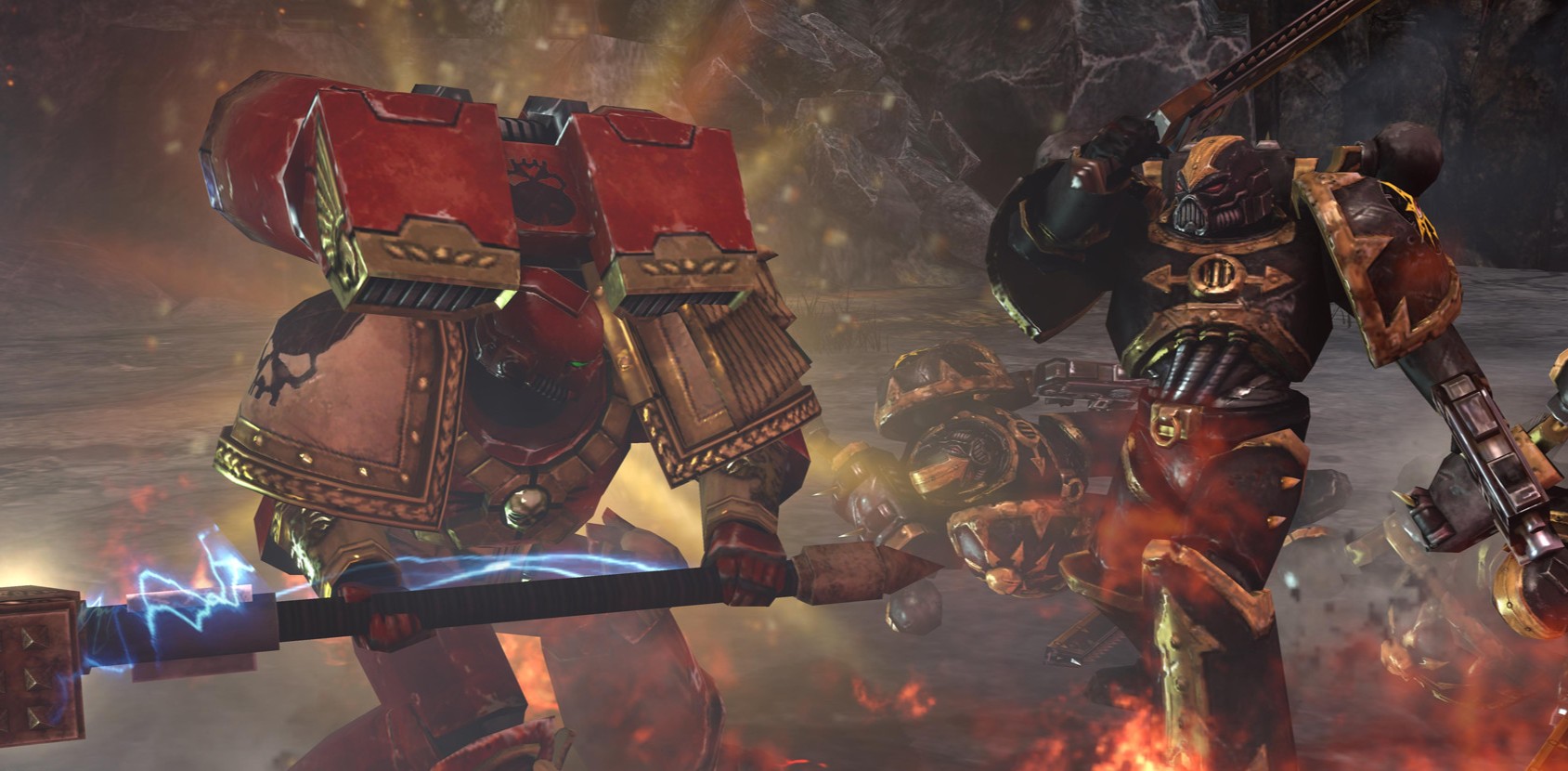
This was not simply a survival mode; it was a fundamental mutation of the RTS genre. By removing the "macro" layer—the resource gathering and unit production that often act as a barrier to entry for new players—Relic lowered the mechanical skill floor while simultaneously raising the tactical ceiling. It forced players to focus entirely on ability usage, positioning, and team synergy.
Chronology and Evolution of the Mode
The evolution of The Last Stand is a testament to its enduring popularity. Following its initial release, the mode was expanded upon significantly in the Retribution expansion. This update introduced new hero characters, each bringing unique playstyles to the table.
- 2009-2010: The mode debuts, establishing the core loop of wave-based combat and experience-based character progression.
- 2011: Recognizing the mode’s standalone appeal, Relic released The Last Standalone on Steam. This version allowed players to experience the mode without owning the base game, cementing its place as a gateway to the Warhammer 40,000 universe.
- Present Day: While the standalone version has since been retired, the mode lives on through the Dawn of War 2: Anniversary Edition, which bundles all previous content. Despite being a legacy title, the player base remains active, sustained by a community that continues to theory-craft and debate hero tier lists.
The "MO-BE" Blueprint: Mechanics and Design
The brilliance of The Last Stand lies in how it anticipated the rise of the MOBA (Multiplayer Online Battle Arena) while maintaining its distinct RTS roots. Unlike the chaotic, often overwhelming nature of 4v4 competitive matches, The Last Stand is focused.
Character Depth and Customization
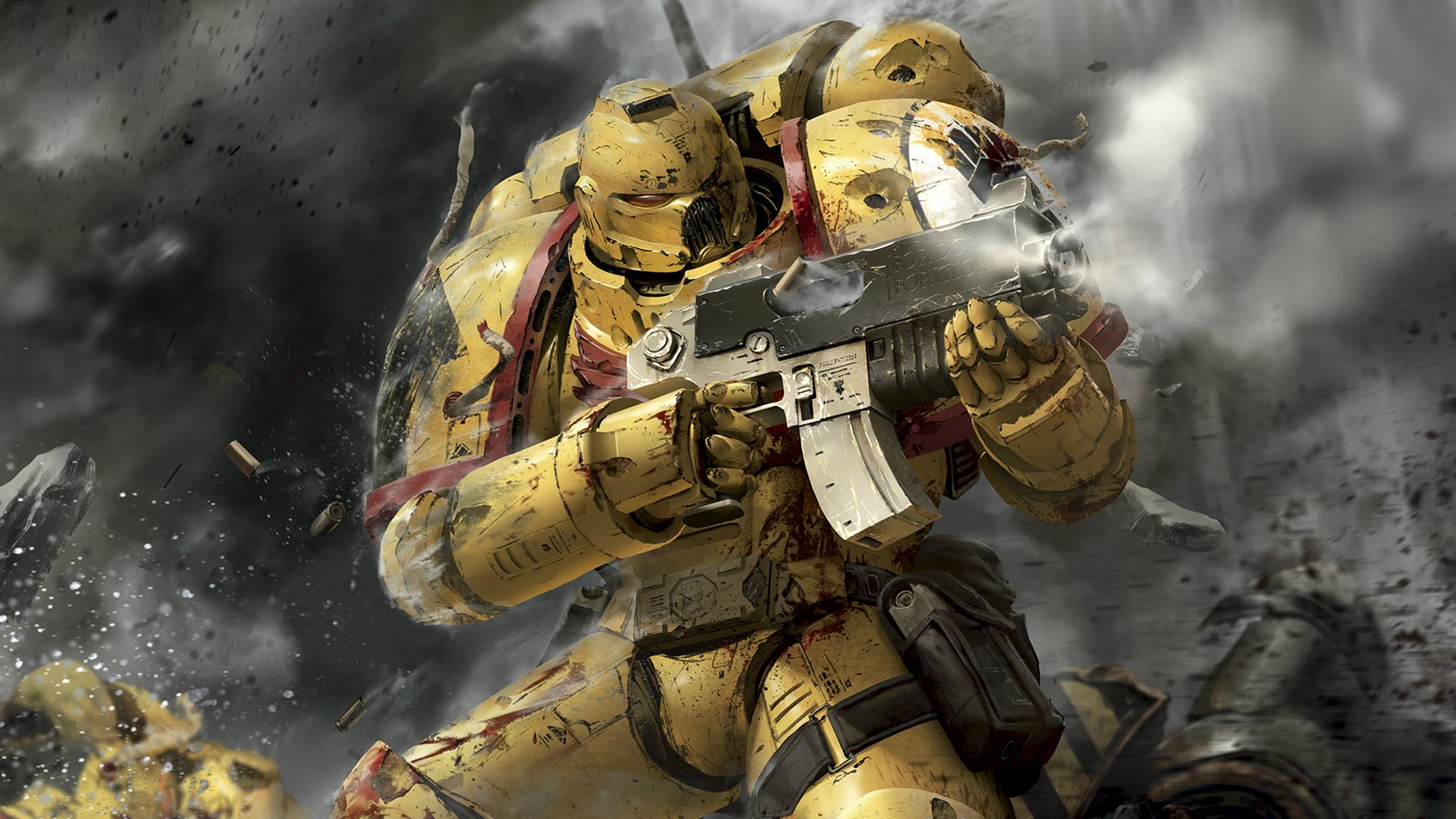
One of the most compelling aspects of the mode is its deep wargear system. As players level up their chosen commander, they unlock a vast array of armor, weapons, and accessories. This creates a "build" culture where two players using the same class—such as the Space Marine Captain—can operate in entirely different roles. One might focus on a support build with healing auras and long-range bolter fire, while another might opt for a glass-cannon melee build, utilizing jump packs and lightning claws to surgically remove high-value enemy targets.
The Challenge of Escalation
The mode does not hold the player’s hand. It begins with "trash" mobs, but quickly escalates into a brutal gauntlet. By the final waves, the game throws everything at the player: massed artillery, heavy armor, and elite boss units that require precise, coordinated focus fire to defeat. One of the mode’s most iconic challenges involves fighting "mirrored" copies of your own team. This forces players to confront their own abilities and gear setups, turning the game’s strength into its greatest threat.
Supporting Data: Why It Still Works
While modern games like Darktide or Space Marine 2 offer grander, more cinematic horde-mode experiences, The Last Stand maintains a dedicated following for several key reasons:
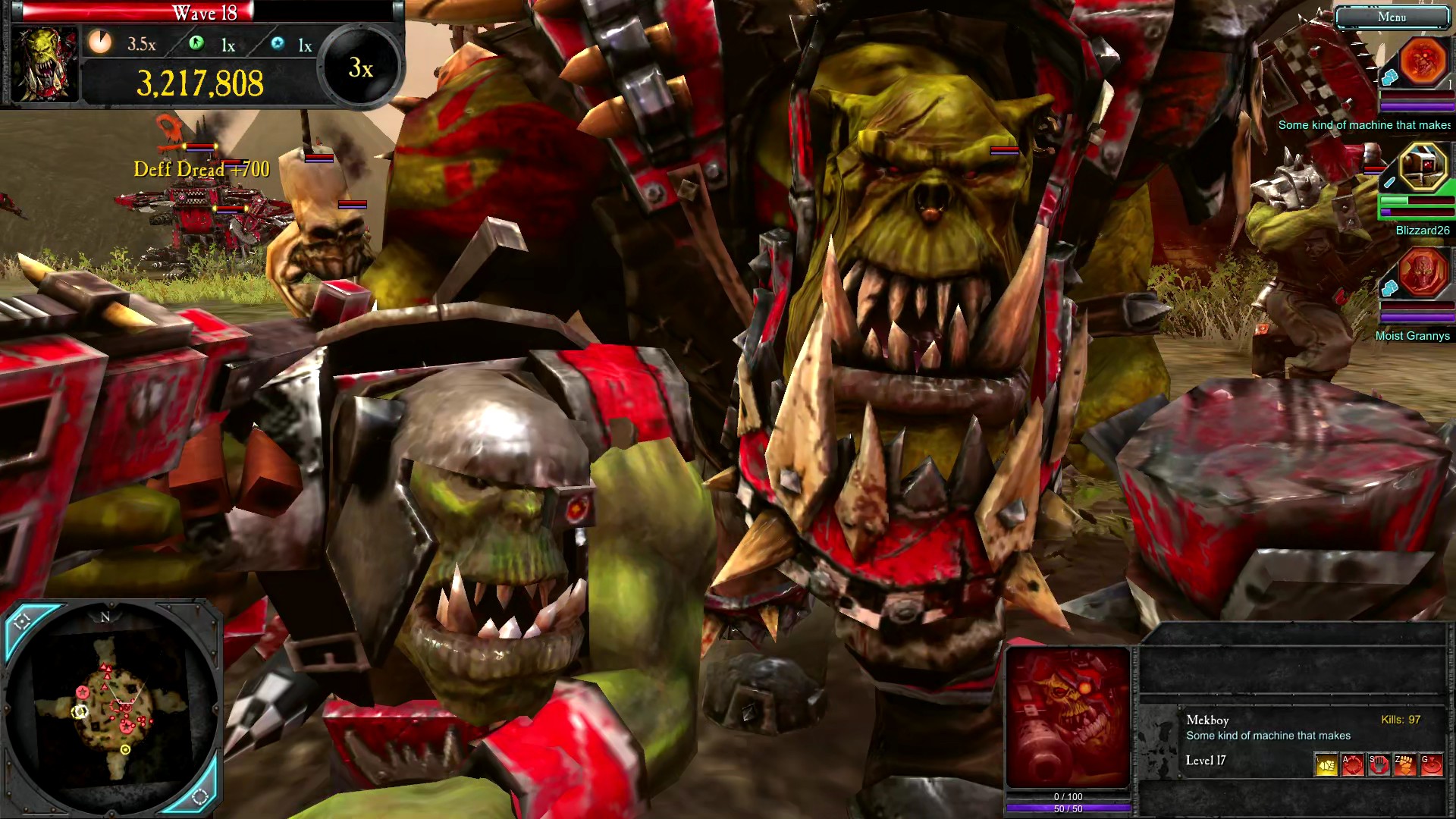
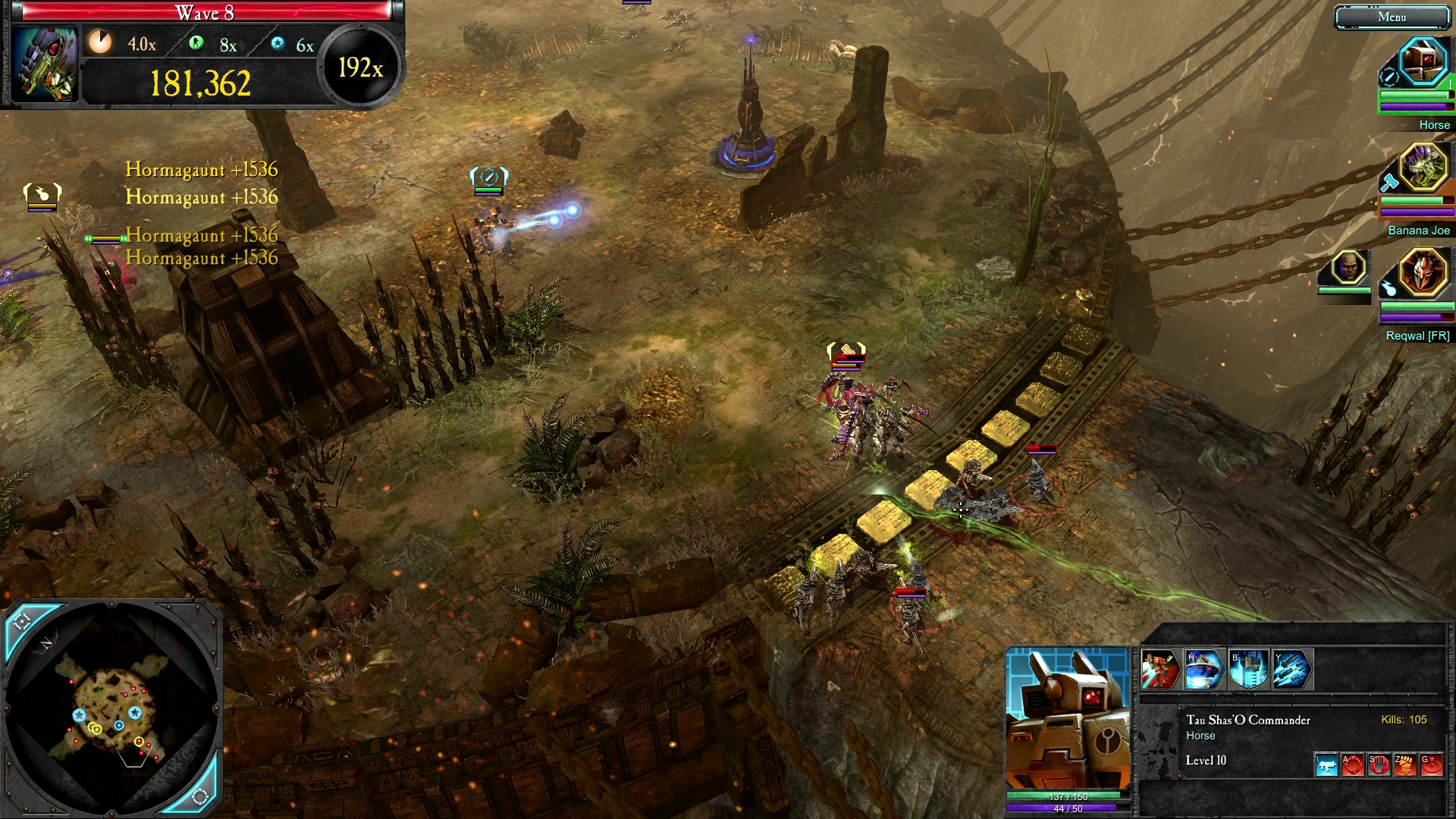
- Bird’s-Eye View: The isometric camera provides a tactical overview that FPS horde shooters cannot replicate. It turns the carnage into a puzzle that must be solved in real-time.
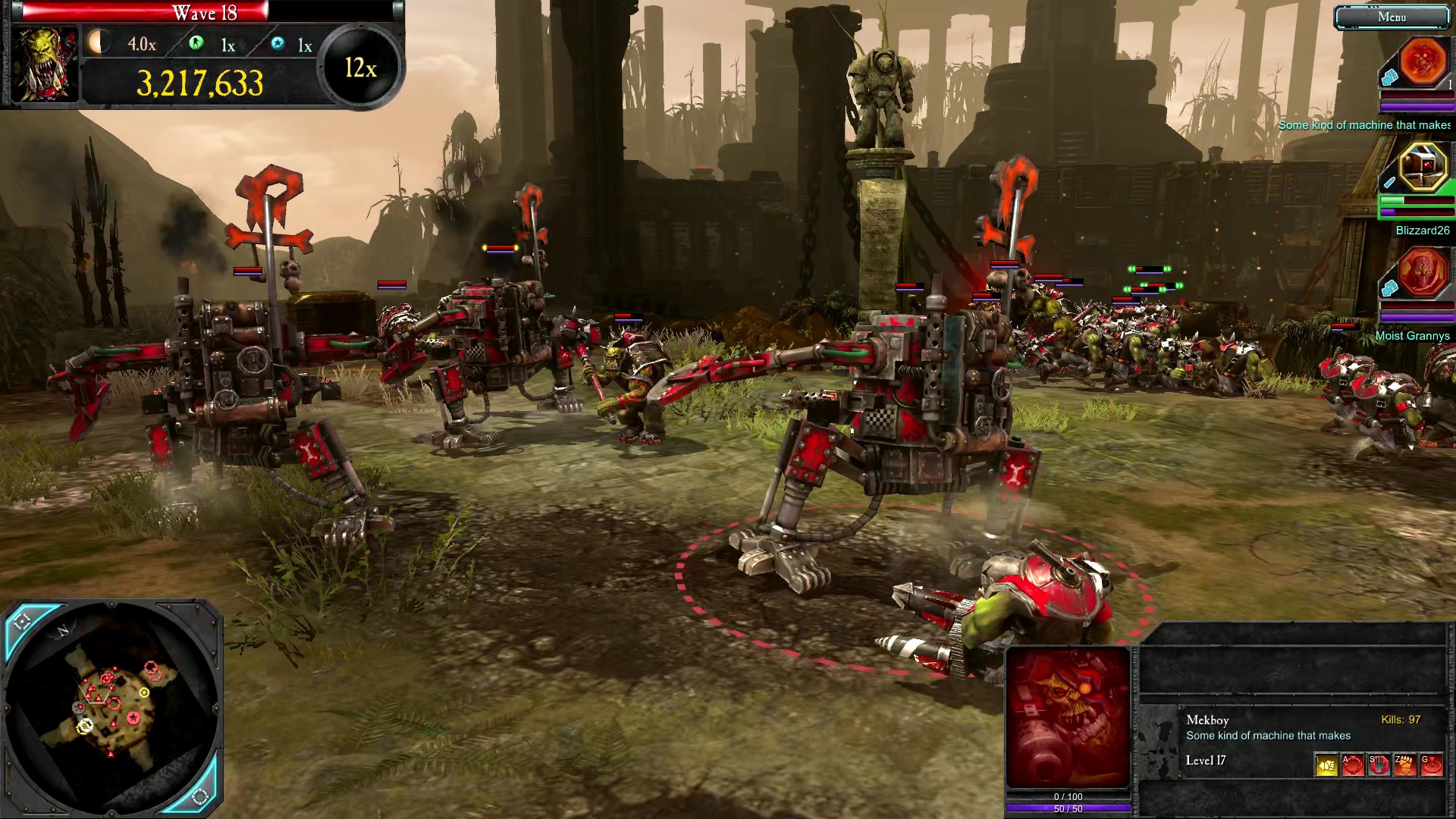
- Accessibility vs. Mastery: A novice can pick up the Imperial Guard Lord General and call in basic infantry to assist the team, while an expert can master the complex, high-risk teleportation mechanics of the Ork Mekboy.
- No "Carrying": Because the mode is strictly cooperative and relies on synergy, one player cannot simply "out-economy" the others to trivialize the challenge. Every player must contribute, which fosters a unique sense of camaraderie.
Implications for the Future: The Dawn of War 4 Era
As fans look toward Dawn of War 4, the shadow of The Last Stand looms large. The upcoming title is expected to return to the roots of the original Dawn of War, emphasizing large-scale combat and base management. However, the legacy of The Last Stand suggests that the community is still starving for that distilled, high-intensity hero-centric combat.
The success of this mode proved that strategy games do not always need to be about managing supply lines. Sometimes, the most effective way to engage a player is to give them one powerful character, a handful of terrifying abilities, and a situation that seems entirely hopeless.
If Dawn of War 4 intends to capture the hearts of the modern strategy fan, it would be wise to heed the lessons of 2009. The industry is currently witnessing a renaissance of "strategy-adjacent" games, and there is a clear appetite for titles that offer the depth of an RPG with the tactical precision of an RTS.
Conclusion: The Grim Darkness of Eternal Replayability
The Last Stand is more than just a bonus mode; it is a vital piece of gaming history. It proved that in the grim darkness of the far future, you don’t need an army to make a difference—sometimes, you just need a squad, a few pieces of high-tier wargear, and the grit to stand your ground against an endless tide of enemies.

Whether through its influence on the MOBA genre or its role as a masterclass in co-op PvE design, The Last Stand remains a benchmark. As we wait to see how the franchise evolves in the coming years, we can only hope that developers continue to embrace the "less is more" philosophy that made this mode an eternal classic. It is a reminder that in strategy gaming, the most memorable moments aren’t always the ones where you build the biggest empire, but the ones where you hold the line against all odds, side-by-side with your allies, until the final wave is cleared.

