

In the hallowed halls of Hollywood, the year 2026 will be remembered as the moment the industry finally stopped fighting the digital tide and began to swim with it. For decades, traditional studios operated under a "gatekeeper" model, dictating what audiences should watch and defining what constituted "prestige" entertainment. However, a seismic shift has occurred. As Hollywood scrambles to monetize the massive creative talent pools incubated on YouTube, the demographic cohorts that actually fuel the culture—Gen Z and Gen Alpha—are looking at the entertainment establishment and asking, "What took you so long?"
The release of the Teens and Screens Report, a groundbreaking survey published by the Center for Scholars and Storytellers (CSS) at UCLA, provides empirical confirmation of what many creators have long suspected: YouTube is no longer just a destination for short-form viral clips or low-budget vlogs; it is the primary storytelling platform for the next generation.
Main Facts: The New Hierarchy of Content
The Teens and Screens Report surveyed 1,500 respondents between the ages of 10 and 24, capturing a comprehensive snapshot of how the digital natives of today consume media. The findings are nothing short of a wake-up call for legacy media executives.
When asked to rank platforms based on their ability to convey a compelling narrative, nearly 73% of respondents identified YouTube as their top choice. This places the platform ahead of traditional pillars such as feature films, episodic television, and the high-octane world of interactive video games. While those traditional mediums remain viable—with at least two-thirds of youths still viewing them as effective storytelling devices—the fact that YouTube has usurped them in the hierarchy of preference marks a permanent change in the media landscape.
The shift is driven by the perceived authenticity and agency afforded by the YouTube ecosystem. For the modern viewer, the story is no longer a top-down product delivered by a studio; it is a community-driven experience where the barrier between creator and consumer is effectively dissolved.
A Chronology of the Creator-to-Hollywood Pipeline
The rise of YouTube as a storytelling powerhouse was not an overnight phenomenon, but rather a slow-burn evolution that reached a boiling point in 2026.
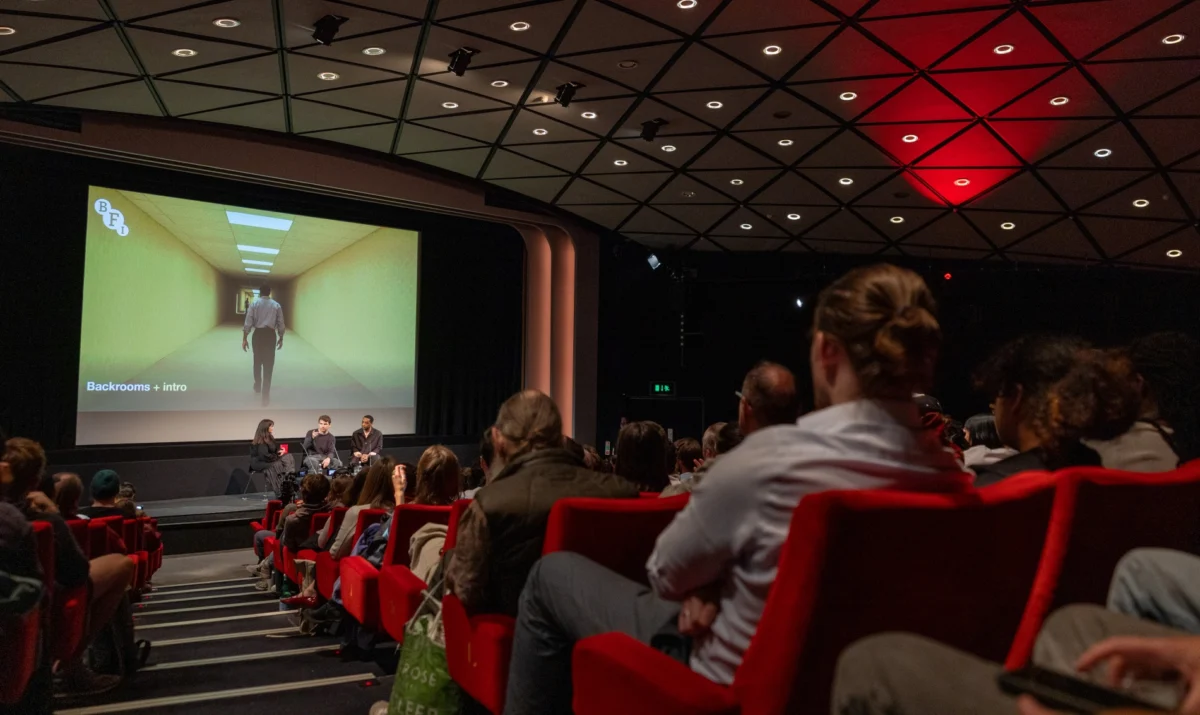
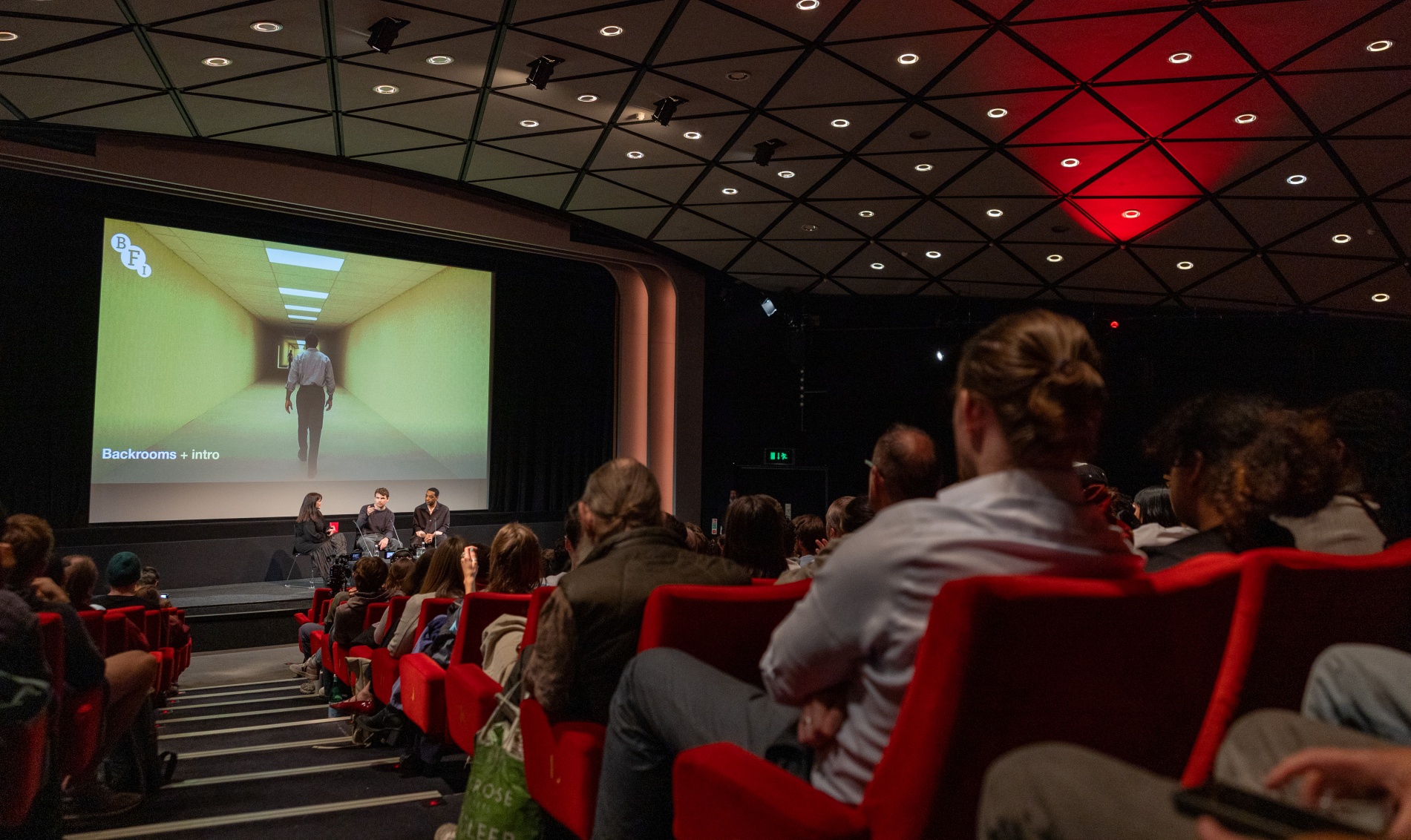
- 2020–2023: The Incubation Phase. During this period, creators began utilizing YouTube’s infrastructure to produce high-concept, serialized content. Projects like The Backrooms—a surreal, internet-born horror aesthetic—demonstrated that niche, creator-led narratives could command massive, global audiences without a single dollar of studio backing.
- 2024: The Proof of Concept. As high-budget "indie" YouTube series began regularly outperforming mid-tier television pilots in engagement metrics, Hollywood began to take note. The term "creator economy" transitioned from a buzzword into a legitimate acquisition strategy.
- 2025: The Talent Migration. Major studios began poaching key executives from YouTube and digital media houses. The goal was to bridge the gap between "internet native" content and traditional distribution channels.
- 2026: The Year of Integration. This year saw the formalization of the YouTube-to-Hollywood pipeline. With the release of films like Obsession and the cinematic adaptation of Backrooms, studios signaled that they were ready to bet on YouTube’s intellectual property (IP). Simultaneously, Sony Pictures made headlines by hiring YouTube veterans Fede Goldenberg and Lauren Glaubach to top-tier executive roles, signaling that the "old guard" was finally ready to integrate the "new blood."
Supporting Data: Dissecting the Consumer Mindset
The Teens and Screens Report offers more than just a ranking of platforms; it provides a psychological profile of the modern audience. The data suggests that Gen Z and Gen Alpha are not merely consuming content—they are curating their own cultural reality.
When respondents were asked why they prefer YouTube, the answers centered on themes of autonomy and resonance. Unlike traditional television, which relies on broad-spectrum appeal to satisfy advertisers, YouTube allows for hyper-niche storytelling that speaks directly to the lived experiences of young people.
Furthermore, the study highlights a fascinating paradox regarding the "creator-to-star" pipeline. While young people want to see their favorite creators succeed in professional environments, they are wary of the "Hollywood-ization" of that talent. Only 16.8% of survey respondents expressed a desire to see their favorite influencers cast in mainstream blockbuster movies or prestige television series. Conversely, nearly 40% of the cohort explicitly stated that they would prefer to see "unknown actors" cast in these roles.
This suggests that for Gen Z and Gen Alpha, the appeal of a creator is tethered to their specific environment. The "authenticity" of a YouTuber is perceived as fragile; once moved to a high-gloss, high-budget Hollywood production, the audience fears that the magic of the creator—their voice, their autonomy, and their direct connection to the viewer—will be stripped away by the machinery of a studio.
Official Responses: The Need for "Tuning In"
Yalda T. Uhls, the Founder and CEO of the Center for Scholars and Storytellers, has been at the forefront of analyzing this transition. In her public statements regarding the report, she emphasized that the power dynamic of the media industry has been irrevocably altered.
"The gatekeepers have changed, and young people themselves are deciding what they want to watch and what they want to see more of in the content they choose," Uhls noted. Her advice to industry leaders is blunt: the era of dictating trends is over. Studios must instead pivot to a model of listening. "Industry leaders need to ‘tune-in’ to young people themselves as well as the experts who have positive youth development and their well-being in mind."
The response from the industry has been reactive. The hiring of former YouTube executives at major studios is a clear attempt to bring "insider knowledge" into the boardroom. By installing people who understand the algorithmic mechanics of engagement, these studios hope to replicate the viral success of YouTube content within the constraints of traditional filmmaking.
Implications: The Future of Entertainment
The implications of these findings are profound. We are moving toward a hybrid model of entertainment, yet it is not the model that Hollywood originally envisioned.
Initially, the industry assumed that "creator talent" could simply be ported into traditional roles. However, the data from the UCLA study suggests that the audience values the storytelling ecosystem more than they value the individual creator as a traditional actor. The challenge for studios in the coming years will be to facilitate the growth of these creators without breaking the very elements that made them successful in the first place.
For the aspiring storyteller, the message is clear: YouTube is the premier laboratory for innovation. It is where the most creative, high-risk, and high-reward storytelling is happening. For the major studios, the message is equally clear: if you want to remain relevant to the next two generations of viewers, you must stop viewing YouTube as a "testing ground" for future stars and start viewing it as the primary medium of the 21st century.
As we look toward 2027 and beyond, the line between "YouTuber" and "Director," "Streamer" and "Producer," will continue to blur. However, the true winners will be the ones who respect the audience’s desire for authenticity. In an age of infinite choice, the most valuable currency is not the budget of a film or the prestige of a studio—it is the trust between the storyteller and the audience. And right now, that trust is being built on YouTube.

