

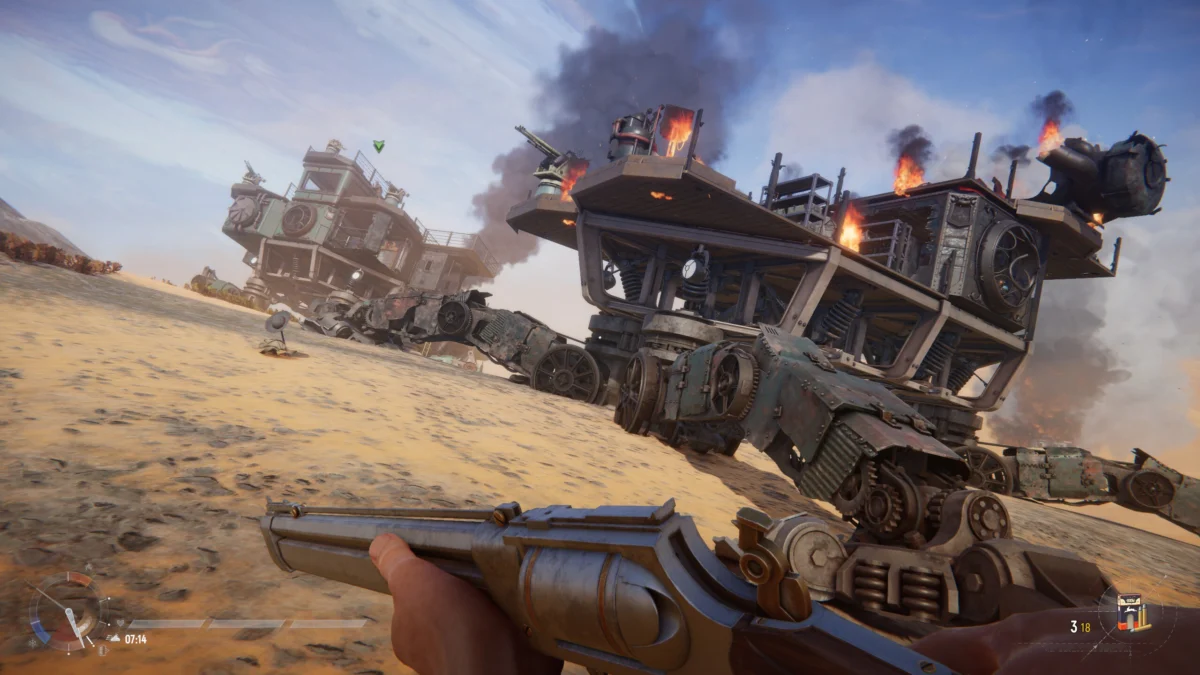
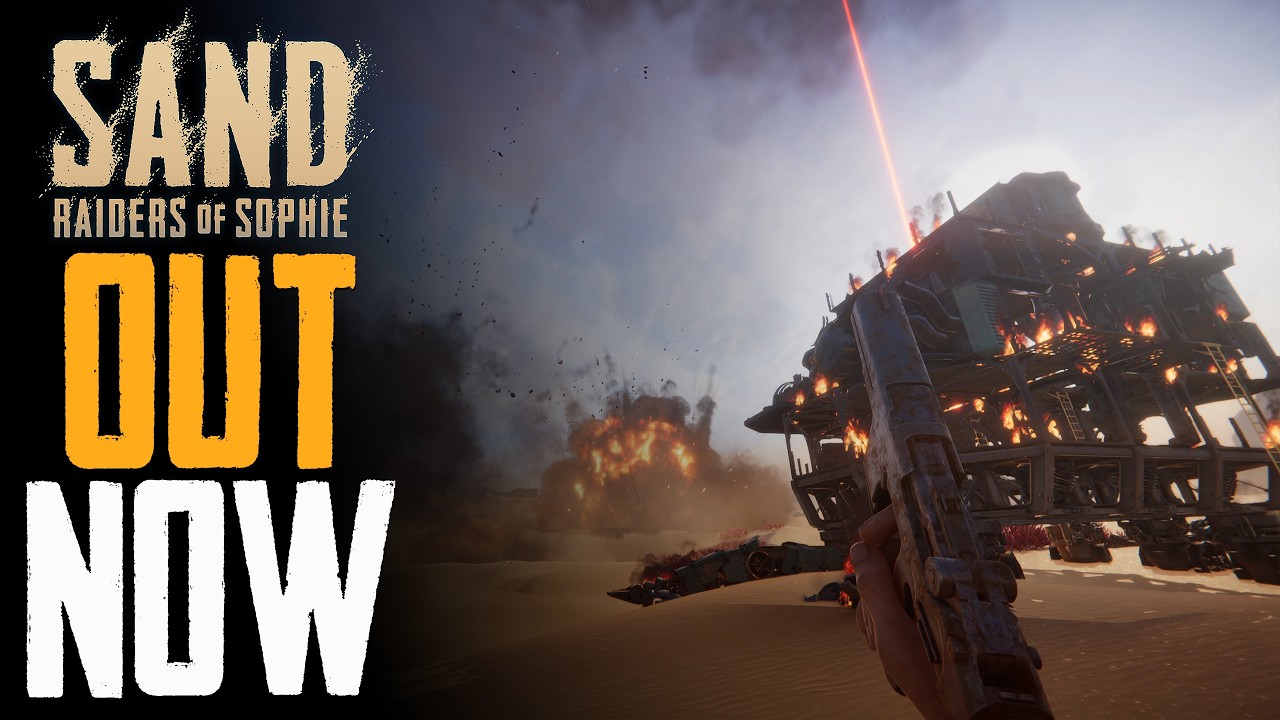
After a turbulent development cycle marked by a series of high-profile delays throughout 2024 and 2025, Sand: Raiders of Sophie—the ambitious mech-fortress builder and extraction shooter from developer tinyBuild—has finally arrived on Steam. Positioned at the intersection of high-stakes survival and industrial-age science fiction, the game invites players to brave a treacherous, arid wasteland in customizable walking behemoths.
For those who have been tracking its progress, the launch represents a significant moment in the niche sub-genre of "mobile base" shooters. Early impressions suggest that Sand successfully captures the frantic, systems-heavy magic of Sea of Thieves, but trades the high seas for the shifting dunes of an alien planet, replacing cannons on deck with heavy-duty artillery on mechanical legs.
The Core Concept: Tramplers and the Victorian-Space Aesthetic
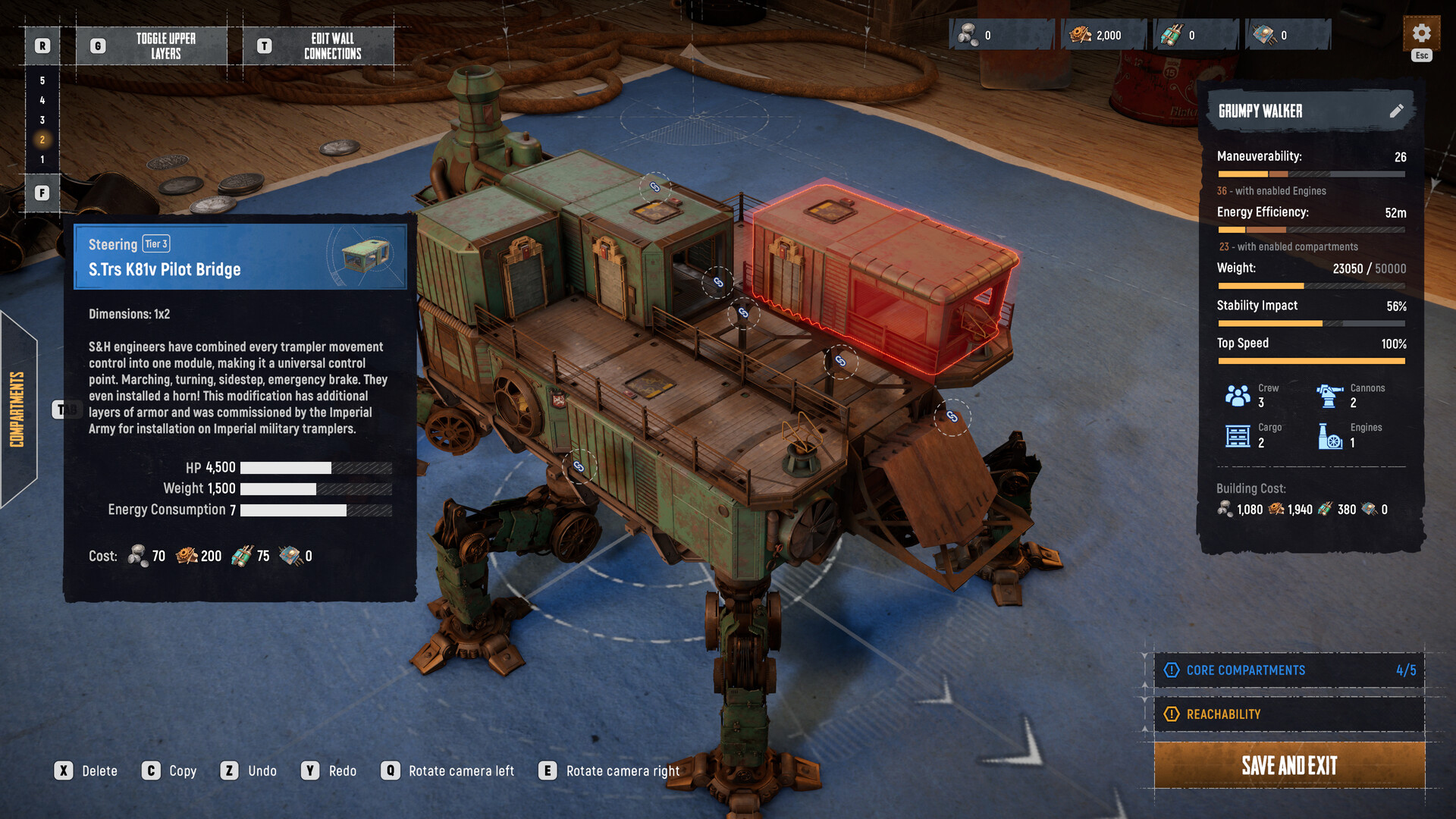
At the heart of Sand lies the "Trampler"—a customizable, walking mechanical base that serves as both home, vehicle, and weapon of war. The game’s premise is uniquely atmospheric: players operate within a Victorian-era "gaslamp" space setting, orbiting a desert planet from a rusted, industrial space station.
The Gameplay Loop
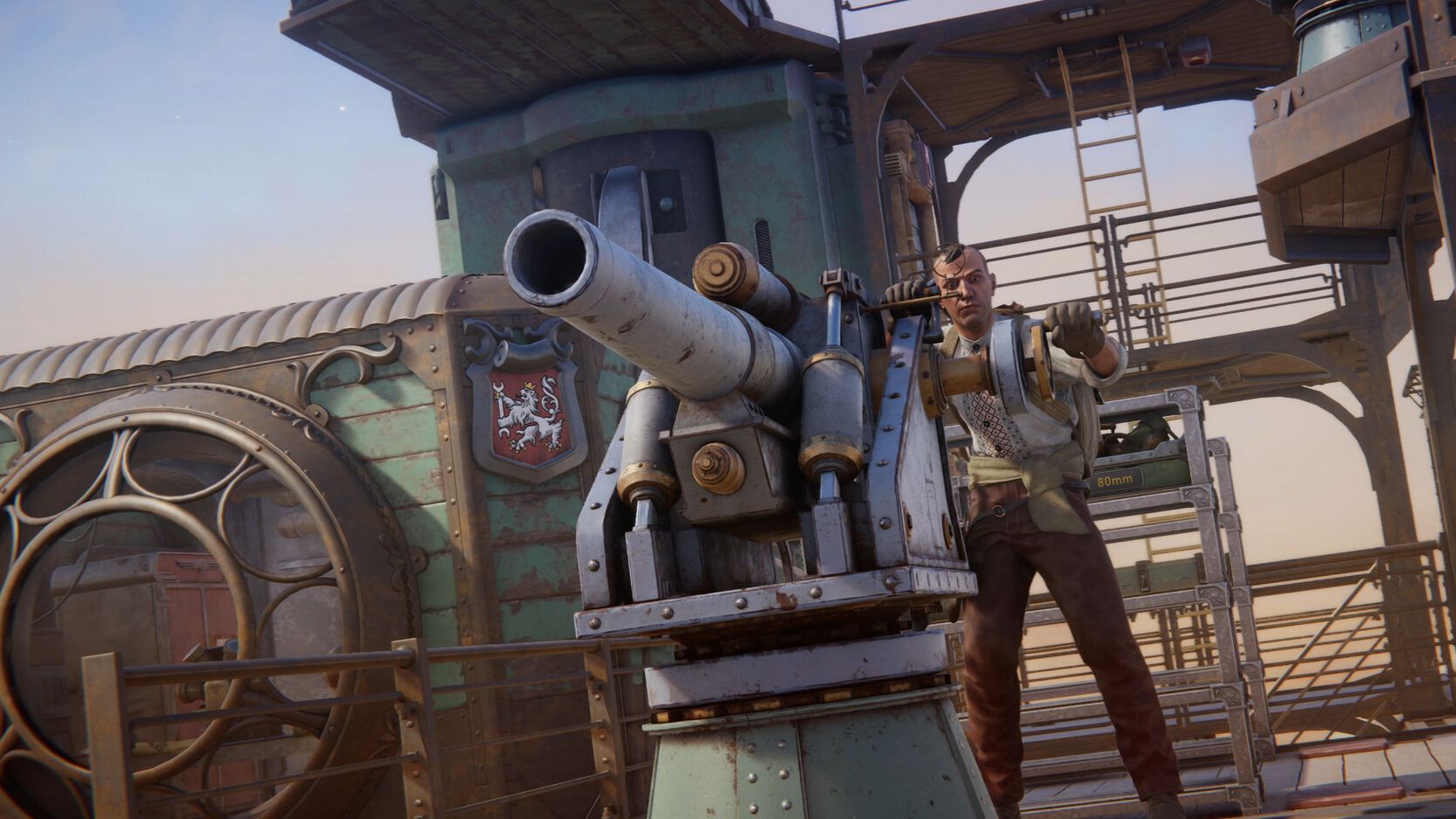
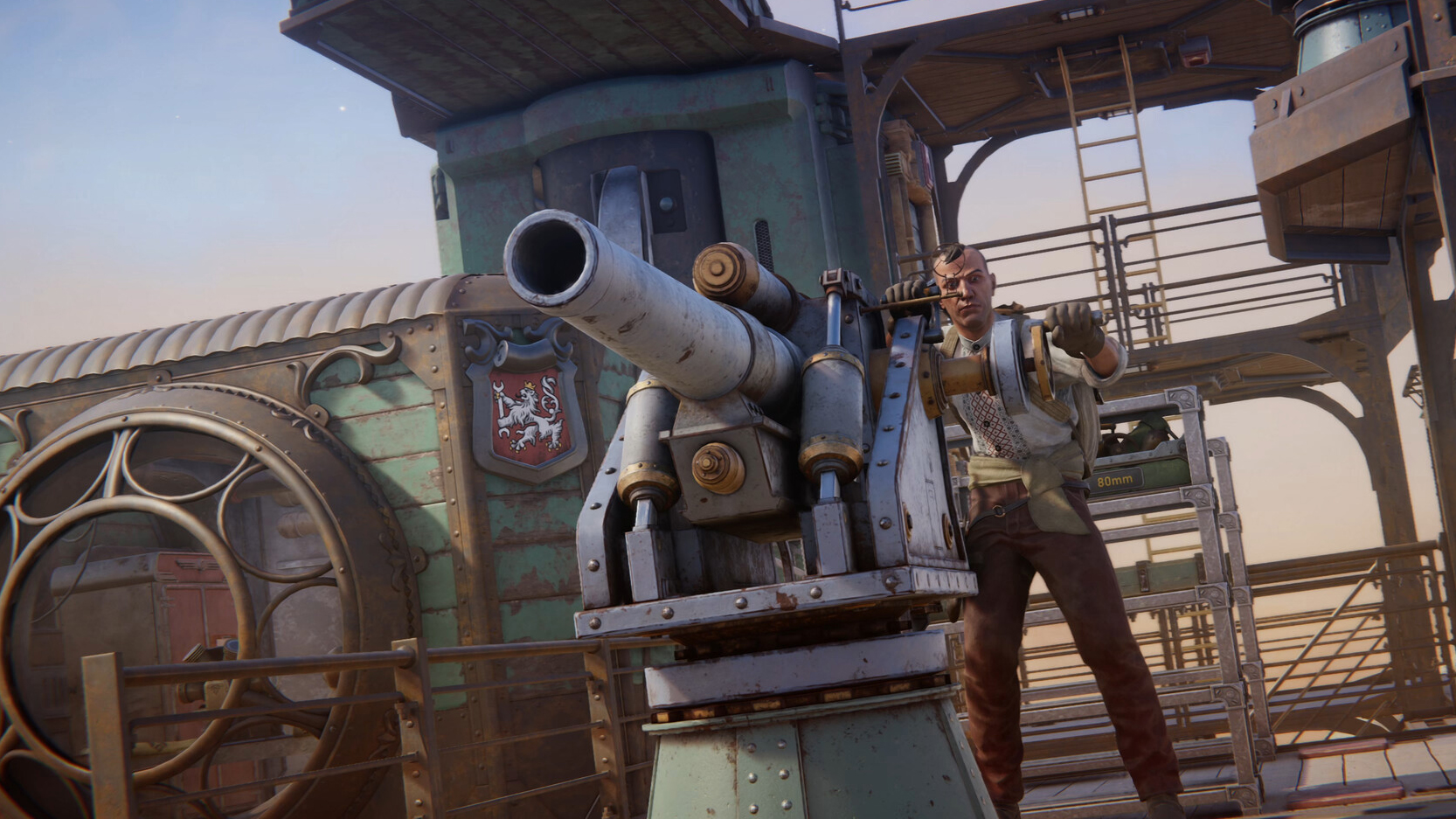
Before descending to the surface, players must meticulously prepare. This involves either building a Trampler from scratch by snapping together modular components or selecting a pre-existing model. Cargo management is essential; players must stock their holds with ammunition, supplies, and heavy-duty weaponry like 40mm and 80mm cannons.
Once deployed, the game transitions into a high-intensity simulation. Maneuvering these giant machines is not a simple "press-and-go" affair. Players must physically navigate their Tramplers, climbing ladders, dashing through corridors, and manually engaging systems. The experience of firing up the engine, adjusting the steering, and pulling giant levers creates a visceral sense of weight and mechanical complexity that feels reminiscent of a steampunk Wild Wild West spider-mech.
Chronology of a Turbulent Launch
The road to the current Early Access build was far from smooth. The developers faced significant pressure as original launch windows were missed, leading to a string of delays that spanned the better part of two years.
- Initial Announcement: The project was revealed with high expectations, promising a blend of base-building and PvP extraction mechanics.
- The 2024 Delays: Throughout the previous year, the team cited technical hurdles, particularly regarding the synchronization of massive, multi-part mechanical bases in a multiplayer environment.
- The 2025 Stumble: Multiple delays were announced early in 2025 as the team struggled to stabilize server performance and the complex physics of the Tramplers.
- The Final Stretch: In a dramatic lead-up to the current release, the team faced two "last-minute" delays in the final 48 hours, creating a wave of skepticism among the community.
- Launch Day: Sand: Raiders of Sophie is now available. However, players have reported ongoing server stability issues, which the developers have acknowledged as a top priority for post-launch hotfixes.
Supporting Data and Mechanical Nuance
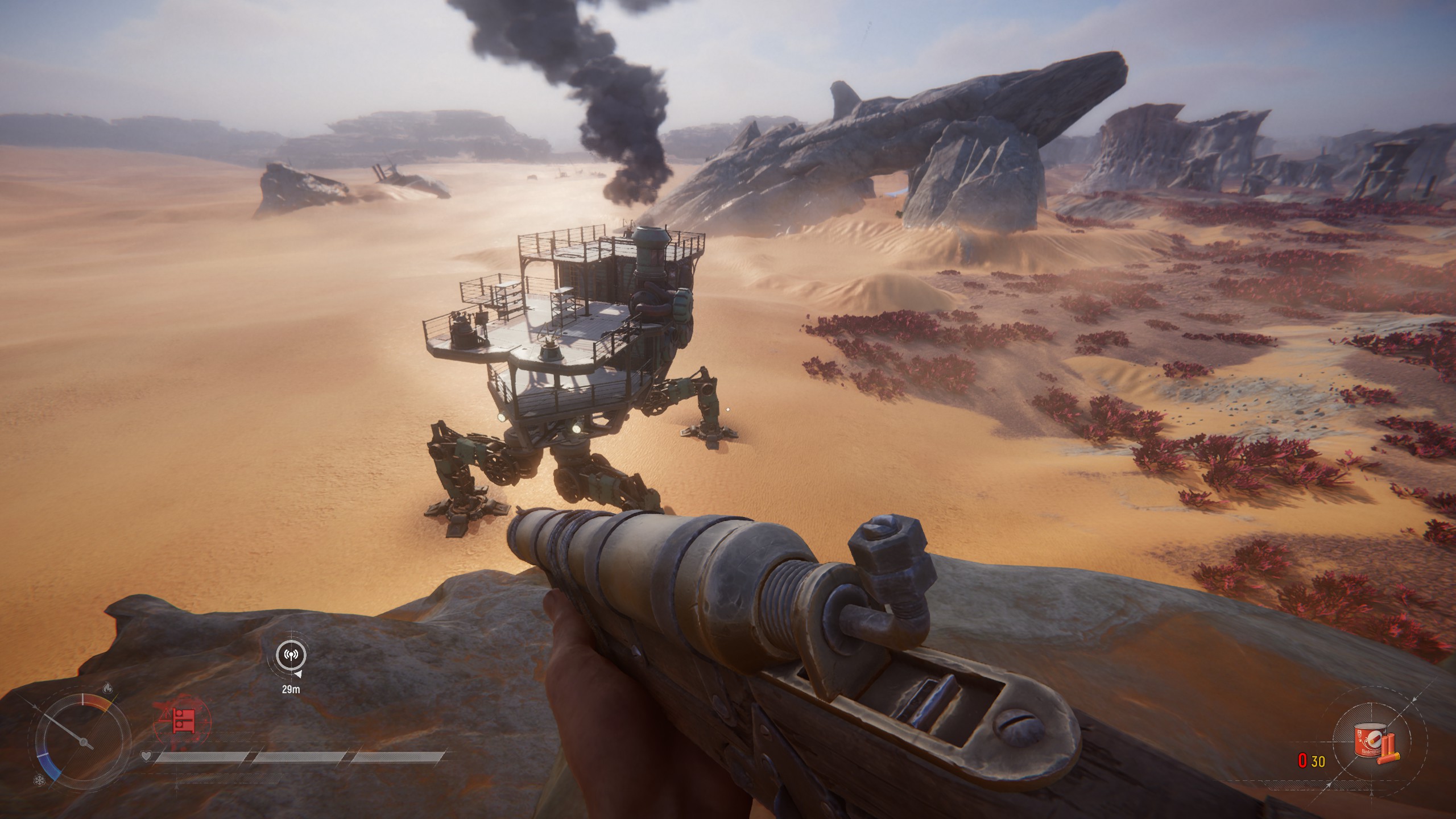
The game distinguishes itself through its sound design and the sheer "busy-ness" of its gameplay. The audio landscape is defined by the groaning of rusted gears, the high-pitched whine of hydraulic systems, and the deafening boom of artillery fire. These audio cues serve a functional purpose: they alert players to the presence of rival scavengers from across the map, often indicated by ominous plumes of black smoke on the horizon.
Solo vs. Crewed Play
While the game features a dedicated "solos-only" server option—a thoughtful inclusion that many competing extraction shooters lack—the design intent clearly leans toward cooperative play.
- Solo Challenges: Playing alone forces the player into a constant state of multi-tasking. You must pilot, navigate, scan for loot, and defend the Trampler simultaneously.
- The "Sea of Thieves" Effect: The game evokes a similar "harrowing" tension to Rare’s pirate title. When an enemy mech appears, the player must scramble to abandon the steering column, dash to the exterior turrets, reload, and return fire—all while the mech continues to move, potentially leading to accidental collisions with environmental obstacles.
Official Responses and Developer Outlook
In response to the early technical feedback and the server issues plaguing the launch week, the development team at tinyBuild has maintained a transparent stance. Through official forums and social channels, the developers have stated that the primary focus of the coming weeks will be on "server-side optimization" and "physics-engine refinements."
"We understand that the experience of building and piloting a massive, walking war-machine requires absolute precision," a representative stated. "Our current focus is ensuring that the sync between the player’s inputs and the mechanical state of the Trampler is as tight as possible, even in high-traffic combat zones."
The team has also confirmed that the current Early Access roadmap includes more modular parts for customization, additional PvE enemy types, and an expanded roster of weaponry to further increase the depth of the mech-building mechanics.
Implications for the Extraction Genre
The release of Sand raises interesting questions about the future of the extraction shooter genre. Traditionally, these games (such as Escape from Tarkov or Hunt: Showdown) have focused on infantry-based combat. Sand attempts to move the "base" itself into the battlefield.
High-Risk, High-Reward Mobility
The implication of the Trampler system is that the player is never truly safe. Unlike games where a base is a static, protected location, Sand forces the player to bring their progress (their base) into the fray. If your Trampler is destroyed, you aren’t just losing your gear; you are losing your lifeline. This creates a psychological barrier to entry that is significantly higher than that of standard survival games.
The Sustainability of the "Solo" Experience
While the developers have provided a solo-only server, the game’s mechanics are inherently built for teamwork. The question remains: can a game that requires such a high degree of manual, multi-person labor survive if the player base finds it too punishing for solo sessions? The current "solos-only" server is a massive step in the right direction, potentially offering a safer harbor for those who prefer to engage with the mechanics at their own pace without being steamrolled by organized clans.
Final Reflections: The Road Ahead
My experiences over the first few days with Sand: Raiders of Sophie have been a mixture of immense frustration and genuine awe. In one mission, I managed to successfully infiltrate several abandoned ships in the desert, dodging PvE ghoul-like scavengers before engaging in a tense, long-range cannon duel with an enemy player. Though I failed to stop them from extracting, the sheer thrill of maneuvering my clanking, smoke-spewing machine across the dunes was unlike anything else currently on the market.
Yes, there are launch-day server issues. Yes, the game is punishing and often overwhelming for a single pilot. However, underneath the current layer of technical polish that the developers are working to improve, there is a compelling, original, and deeply immersive world.
If you are a fan of systemic shooters that reward planning, mechanical aptitude, and the ability to keep your cool while everything around you is physically falling apart, Sand is a title worth keeping on your radar. As the developers iron out the creases and expand the modular options for these mechanical behemoths, Sand has the potential to carve out a permanent, rugged home in the crowded landscape of survival gaming.
The desert is vast, the machines are loud, and the promise of untold riches—or total, fiery destruction—awaits those brave enough to step into the driver’s seat.

