

By Mikhail Madnani
Published: September 12, 2026
Main Facts
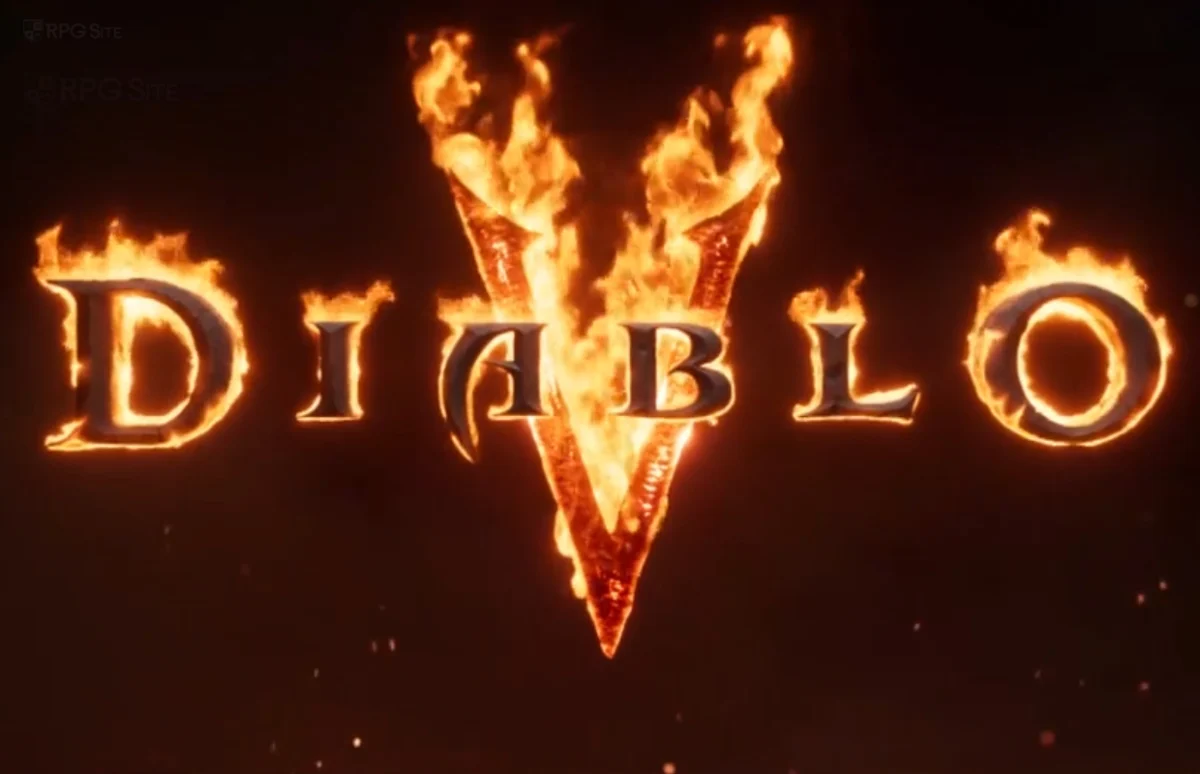
In a landmark announcement that has sent shockwaves through the global gaming community, Blizzard Entertainment officially unveiled Diablo V during the opening keynote of BlizzCon 2026. The next mainline installment in the genre-defining action role-playing game franchise is currently slated for a Spring 2029 release.
While the announcement trailer offered a moody, atmospheric glimpse into the next chapter of Sanctuary’s eternal conflict, specific target platforms have yet to be disclosed by the development team. However, industry analysts widely anticipate releases across current and next-generation hardware platforms, given the historical multi-platform approach of recent Blizzard titles.
Accompanying the physical and livestreamed reveal at the convention center, Blizzard launched the official Diablo V portal at diablo5.blizzard.com, where eager fans can already register their Battle.net accounts for future updates, developer insights, and potential closed-beta testing phases. The official teaser, brief yet portentous, set the tone for the coming years of anticipation with a simple directive to the fanbase: "Prepare for the next era. Diablo V has been announced."
Chronology of the Franchise: From 1996 to 2029
To understand the weight of a Diablo V announcement, one must look back at the historical trajectory of one of PC gaming’s most revered pillars. The franchise has continually evolved, shifting the landscape of the isometric action-RPG genre with every major iteration.
[1996: Diablo I] ---> [2000: Diablo II] ---> [2012: Diablo III] ---> [2023: Diablo IV] ---> [2029: Diablo V]The Genesis (1996)
Developed by Blizzard North (originally Condor), the original Diablo launched in December 1996. It revolutionized computer role-playing games by merging fast-paced, real-time combat with dark, gothic aesthetics and randomized dungeon crawling. Its atmospheric score by Matt Uelmen and the terrifying descent into the cathedral beneath Tristram established a distinct identity that would define the series for decades.
The Masterpiece and Gold Standard (2000)
Diablo II, released in June 2000, expanded the scope of Sanctuary exponentially. Introducing distinct acts, expanded character classes (Amazon, Necromancer, Barbarian, Sorceress, and Paladin), and the revolutionary economy centered around randomized loot tiers and runes, Diablo II became a cultural phenomenon. Its expansion, Lord of Destruction (2001), cemented its status as an all-time classic, inspiring a dedicated player base that endured for over two decades, ultimately leading to the 2021 remaster, Diablo II: Resurrected.
The Modern Era and Live-Service Shift (2012–2023)
After a twelve-year wait, Diablo III launched in May 2012. Despite initial controversies surrounding its real-money auction house and always-online architecture—which were later remedied in the critically acclaimed Reaper of Souls expansion and subsequent patches—the game became a massive commercial success, eventually expanding to consoles.
The franchise further diversified into the mobile space with Diablo Immortal in 2022, before returning to its grim, atmospheric roots with the release of Diablo IV in June 2023. Diablo IV introduced an open-world shared sanctuary, mounting systems, and a continuous seasonal model that redefined how Blizzard delivers ongoing content to its community.
The Horizon (2026–2029)
Following years of post-launch expansions and seasonal updates for Diablo IV, Blizzard’s announcement at BlizzCon 2026 marks the official transition of the studio’s primary development focus toward Diablo V, aiming for a Spring 2029 launch window that gives the team a generous development runway.
Supporting Data: Franchise Impact and Development Metrics
The financial and cultural footprint of the Diablo franchise is monumental, providing crucial context for why a fifth installment commands such intense industry scrutiny.
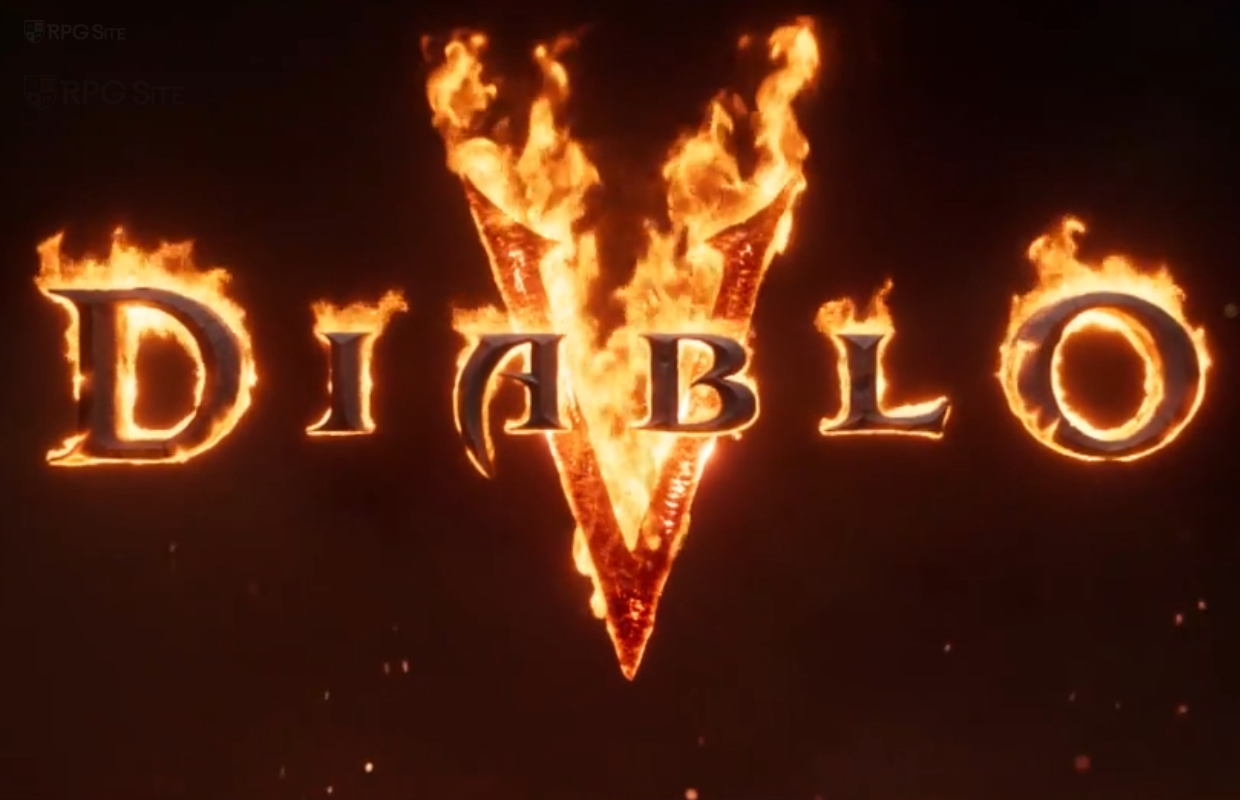
- Lifetime Unit Sales: Collectively, the Diablo series (including expansions and Diablo Immortal player reach) has engaged well over 100 million players worldwide since its inception. Diablo IV alone shattered company records, becoming the fastest-selling game in Blizzard’s history within days of its 2023 launch.
- Development Cycles: The gaps between mainline entries have historically been lengthy, reflecting the massive scope of Blizzard’s production values.
- Diablo I to Diablo II: 4 years
- Diablo II to Diablo III: 12 years
- Diablo III to Diablo IV: 11 years
- Diablo IV to Diablo V (Projected): 6 years (2023–2029)
- The 2026 BlizzCon Reception: Social media metrics following the initial teaser reveal spiked exponentially. Within twelve hours of the announcement, the Diablo V official sign-up page experienced heavy traffic loads, temporarily straining Blizzard’s web infrastructure—a testament to the enduring hunger for the franchise.
Official Responses and Industry Reactions
Blizzard executives and senior development leads addressed the press shortly after the BlizzCon opening ceremony, emphasizing that Diablo V represents both a culmination of lessons learned from Diablo IV and a bold step forward in technical innovation.
"When we set out to map the future of Sanctuary, we knew we couldn’t just repeat what came before," stated the franchise’s General Manager during a post-keynote roundtable. "Diablo V is an ambitious project. Giving our teams the time they need—targeting a Spring 2029 release—ensures that we can deliver the dark, immersive, and mechanically rich experience our community expects and deserves."
Industry analysts have reacted with a mixture of awe at the long-term planning and cautious curiosity regarding the platform landscape. With the gaming industry currently navigating a transitional phase between hardware generations, withholding platform specifics is seen as a strategic choice.
Independent game developers and competitor studios have also weighed in via social channels, acknowledging the weight of the Diablo brand within the ARPG ecosystem. Titles like Path of Exile, Grim Dawn, and emerging independent dark fantasy ARPGs frequently measure their innovations against the stylistic and mechanical benchmarks set by Blizzard. The announcement of Diablo V effectively stakes a claim on the late-2020s landscape, challenging rival studios to elevate their own offerings ahead of 2029.
Implications for the Industry and the Community
The announcement of Diablo V carries profound implications for multiple stakeholders within the gaming ecosystem.
1. The Lifespan of Diablo IV
With a release window set securely in 2029, Diablo IV and its ongoing expansions face a unique operational reality. Blizzard has assured players that support, seasonal updates, and planned narrative expansions for Diablo IV will continue robustly for years to come. The announcement does not spell an immediate end for the current game; rather, it establishes a dual-track mindset where Diablo IV serves as the current live-service flagship while Diablo V is built behind the scenes.
2. Next-Generation Hardware Expectations
Targeting a Spring 2029 release strongly implies that Diablo V is being engineered specifically to exploit the hardware capabilities of whatever console architectures succeed the current generation, alongside high-end PC configurations. Players can expect advancements in real-time ray tracing, physics-based destruction, seamless open-world streaming, and potentially AI-driven environmental storytelling elements that are currently out of reach for standard hardware.
3. Community Engagement and Expectations
The long runway—roughly three years from announcement to release—ensures that the community will dissect every pixel of the initial teaser. Theories regarding the return of specific prime evils, the fate of Sanctuary’s current pantheon of heroes, and mechanical evolutions of the skill tree system will dominate forums, subreddits, and content creator channels.
Blizzard’s challenge over the next thirty-six months will be maintaining momentum without over-sharing. By opening the official portal early for email sign-ups, the studio has established a direct line of communication, promising a steady drip of developer updates, lore deep-dives, and technical previews as the 2029 release window approaches.
As the dust settles on BlizzCon 2026, one thing is certain: the war between the High Heavens and the Burning Hells is far from over, and the road to Spring 2029 has officially begun.

