

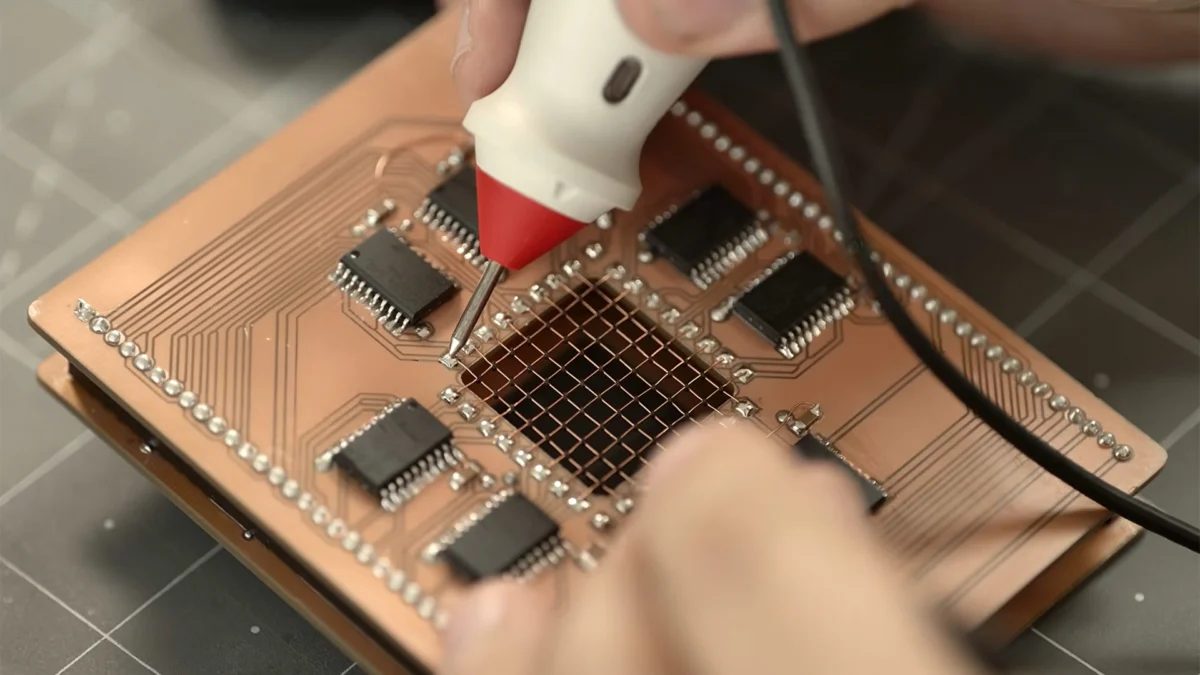
London, UK – In an era marked by an unprecedented surge in memory component prices, dubbed the "RAMpocalypse," and a pervasive component crunch, the global community of PC enthusiasts and DIYers is responding with remarkable ingenuity. Rather than succumbing to market pressures, these innovators are exploring alternative, often anachronistic, solutions to computing challenges. The latest testament to this spirit of invention comes from a creator known as Polymatt, who has captured the attention of the tech world by fabricating a functional USB drive with a mere 64 bits of storage using ancient magnetic core memory technology.
This handcrafted device, a stark contrast to the multi-terabyte drives commonplace today, offers a fascinating glimpse into the foundational principles of digital storage while simultaneously highlighting the enduring charm and unique advantages of historical computing methods. While modern users grapple with the scarcity and cost of gigabytes, Polymatt’s project celebrates the raw essence of data storage, byte by painstaking byte.
Main Facts: A Resurgence of Retro-Tech Innovation
The core of this story is Polymatt’s successful creation of a 64-bit (equivalent to 8 bytes) USB memory device, meticulously detailed in a comprehensive video walkthrough. This seemingly minuscule storage capacity, almost comically small by today’s standards, belies a profound technical achievement and a powerful statement on the maker movement’s resourcefulness.
The project emerges against the backdrop of the "RAMpocalypse," a period characterized by significant price hikes and supply chain disruptions in the semiconductor industry, particularly affecting Random Access Memory (RAM). This economic pressure has spurred a wave of alternative hardware solutions, with Polymatt’s magnetic core memory drive standing out as a particularly elegant and historically resonant example.
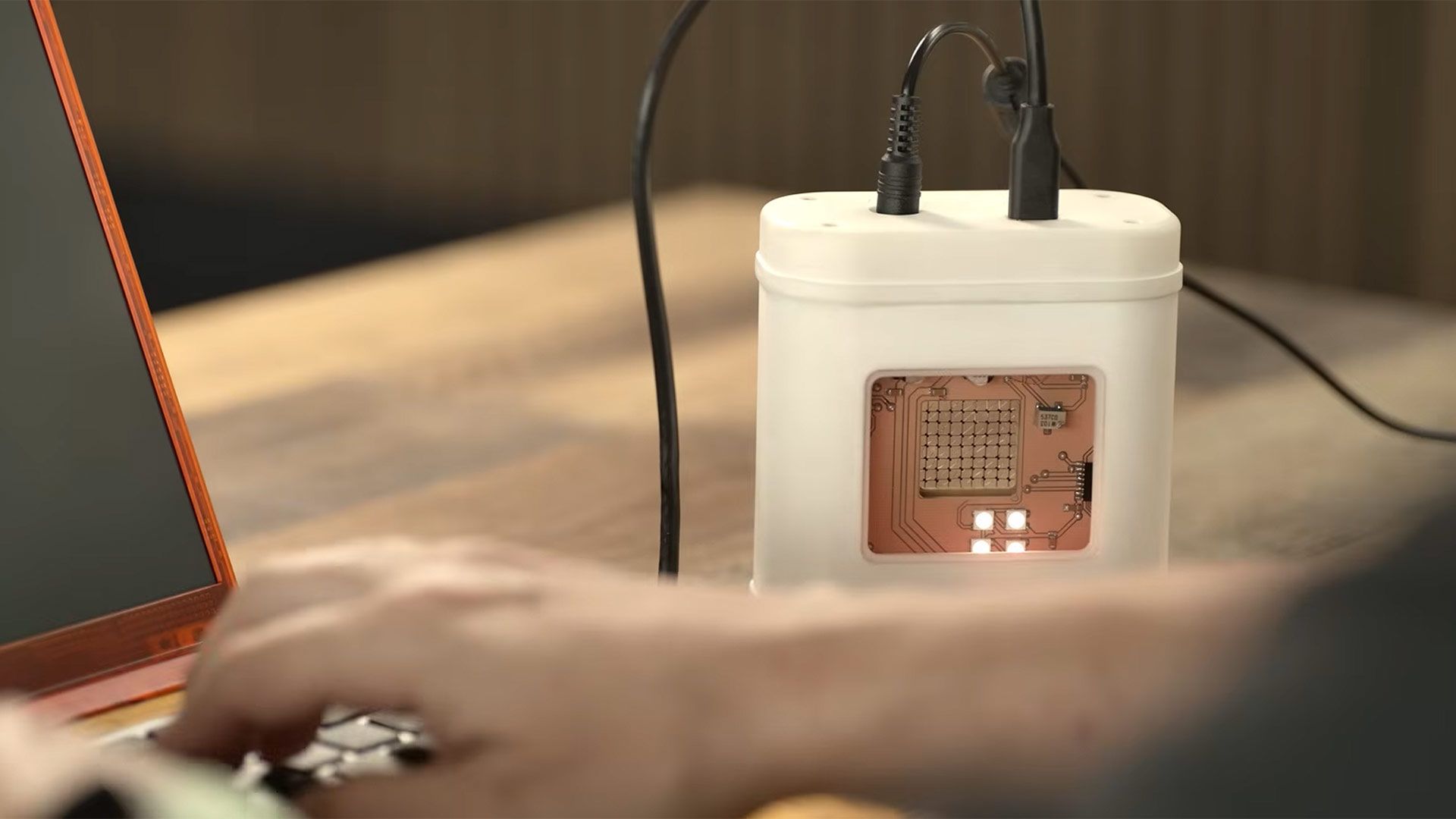
Polymatt describes the finished device as comprising "64 iron rings, hand threaded and immersed in silicon oil." Each of these minute rings is capable of storing a single binary digit – a bit. The choice of magnetic core memory is not merely an aesthetic or nostalgic one; it harks back to an era when this technology was cutting-edge, notably powering the guidance computers of the Apollo spacecraft, renowned for their unparalleled reliability in extreme conditions.
Beyond its retro appeal, the drive possesses unique characteristics that set it apart from contemporary flash memory. It offers persistent (non-volatile) storage, meaning data is retained even without power, a feature typically associated with SSDs and HDDs, not volatile RAM. Furthermore, magnetic core memory is inherently robust, capable of shrugging off radiation bursts that would render most modern semiconductor-based memory devices inoperable. This makes Polymatt’s creation not just a curiosity, but a tangible demonstration of principles that remain relevant for specialized, mission-critical applications where resilience trumps raw capacity.
A Journey into Retro-Modern Computing: The Polymatt Project
The narrative of Polymatt’s 64-bit USB drive is more than just a technical demonstration; it’s a testament to the enduring spirit of innovation that thrives within the global DIY community. This project didn’t materialize in a vacuum but as a direct, albeit highly creative, response to contemporary market challenges.
The Genesis of the 64-Bit Drive
The current climate for PC enthusiasts and system builders is one of frustration and financial strain. The "RAMpocalypse" refers to a significant and sustained increase in the cost of RAM modules, driven by factors such as fluctuating demand, manufacturing constraints, and geopolitical tensions affecting semiconductor production. This has made building or upgrading a PC an increasingly expensive endeavor, forcing many to delay projects or seek more cost-effective, albeit sometimes unconventional, alternatives. The component crunch extends beyond RAM, impacting various PC components and making innovation through necessity a defining characteristic of the present tech landscape.
It is precisely this environment that fosters projects like Polymatt’s. Faced with the prohibitive costs and scarcity of modern components, makers and DIYers are leveraging their skills and resourcefulness to craft solutions that, while not always practical for everyday use, offer profound insights and demonstrate technical prowess. Polymatt’s YouTube video, which chronicles the entire process, serves not only as a guide but also as an inspiring narrative of how limitations can spark extraordinary creativity. The creation of a 64-bit USB drive from scratch, using a technology that predates most contemporary computer users, is a powerful embodiment of this DIY ethos. The core specification — "64 iron rings, hand threaded and immersed in silicon oil" — sounds almost artisanal, a stark contrast to the automated, high-volume production of modern memory chips. Each of these rings represents a single bit, underscoring the fundamental unit of digital information and providing a tangible connection to the building blocks of computing.
Magnetic Core Memory: A Blast from the Past
To fully appreciate Polymatt’s achievement, it is essential to delve into the history and mechanics of magnetic core memory. This technology, which reached its zenith between the 1950s and 1970s, was the dominant form of random-access computer memory before the advent of semiconductor memory (like modern RAM).
At its heart, magnetic core memory utilizes tiny ferrite (iron oxide) rings, or "cores," through which thin wires are threaded. These cores possess a property known as magnetic hysteresis, meaning they can be magnetized in one of two directions (clockwise or counter-clockwise), and they retain this magnetization even after the magnetizing force is removed. This bistable state perfectly represents the binary digits 0 and 1.
The process of reading and writing data involves passing currents through the wires. A specific current pulse can "set" a core to a particular magnetic state, representing a 0 or a 1. To read a bit, a current pulse is sent through the core in a direction that would typically set it to a ‘0’ state. If the core was already in the ‘0’ state, nothing happens. However, if it was in the ‘1’ state, its magnetic field would "flip," inducing a small voltage pulse in a sense wire threaded through the core. This voltage pulse signals that a ‘1’ was read. A crucial characteristic of this read operation, often referred to as a "destructive read," is that it erases the data by setting the core to ‘0’. Therefore, immediately after reading, the data had to be rewritten to restore the original state. This destructive read aspect, while not explicitly mentioned for Polymatt’s device (which appears to handle it internally or through the interface), was a fundamental design consideration for early core memory systems.
The advantages of magnetic core memory were significant for its time:
- Non-volatility: Data persisted even if power was lost, a critical feature for early computers and space applications where power interruptions were a real concern.
- Radiation Hardness: Its physical, magnetic principles made it far less susceptible to radiation-induced errors or damage compared to the nascent semiconductor technologies of the era. This was a non-negotiable requirement for systems operating in space or harsh environments.
- Reliability: Once properly constructed, core memory arrays were remarkably stable and reliable.
However, magnetic core memory also had significant drawbacks that ultimately led to its replacement:
- Size and Weight: Each bit required a physical core and multiple wires, making memory modules bulky and heavy.
- Cost: The intricate manual labor involved in threading thousands of tiny cores made production extremely expensive.
- Speed: Access times were relatively slow compared to later semiconductor memory.
- Power Consumption: Driving the currents through the wires consumed more power than semiconductor equivalents.
Despite these limitations, magnetic core memory played a pivotal role in computing history. Its most famous application was arguably in the Apollo Guidance Computer (AGC), which guided the Apollo spacecraft to the moon. The AGC’s core memory was instrumental in its mission-critical role, providing the reliability and radiation hardness necessary for space travel. Polymatt’s project thus connects directly to a lineage of technological achievement that quite literally reached for the stars, underscoring the deep historical roots of this seemingly simple DIY endeavor.
Chronology of Creation: From Salvage to Silicon Oil
The making of Polymatt’s magnetic core memory USB drive is a meticulous process, a blend of historical reverence and modern fabrication techniques. It began not with a trip to a modern electronics store, but with a quest for vintage components.
Sourcing the Core Components
The journey began with Polymatt salvaging an old Russian computer. This act of "urban archaeology" provided the critical raw material: the tiny magnetic rings. These ferrite cores are not easily come by today, and their acquisition from vintage hardware underscores the dedication and resourcefulness inherent in the maker community. The rings, likely produced decades ago, carry their own historical weight, having once been part of a functioning computational system. The precision required for such small components, even from an older manufacturing process, speaks to the engineering standards of their original design. Locating and carefully extracting these delicate components is a foundational step, demanding patience and a respect for the original hardware.
The Craft of Assembly
With the magnetic cores acquired, Polymatt embarked on the intricate process of assembling the memory array and its supporting infrastructure. This phase beautifully illustrates the fusion of artisanal skill with contemporary fabrication methods.
-
Hand-Threading: This is perhaps the most labor-intensive and iconic aspect of core memory construction. Each of the 64 tiny iron rings had to be meticulously threaded with multiple fine wires. Typically, these include a "read" wire, a "write" wire, and a "sense" wire. The precision required to thread these wires without damaging the fragile cores or misaligning the array is immense. It’s a task that requires steady hands, keen eyesight, and an almost meditative focus, reminiscent of the factory workers who painstakingly assembled core memory planes in the mid-20th century. This manual process is a stark reminder of why core memory was so expensive to produce.
-
Soldering Iron: Once threaded, the wires connecting the cores to the control circuitry needed to be secured. Polymatt employed a soldering iron, a fundamental tool in electronics, to create these connections. Given the miniature scale of the components and the intricate wiring, the soldering work would have been extremely fine, demanding a high level of skill to avoid short circuits or dry joints. The choice of a "best soldering iron" (as referenced in the original article) suggests an emphasis on precision and quality even in this DIY context.
-
CNC Machining: For the more structural and aesthetic components of the device, Polymatt utilized a CNC (Computer Numerical Control) machine. CNC machining allows for the automated, precise cutting and shaping of materials based on digital designs. This likely involved crafting the enclosure for the memory array, custom mounting plates, or other structural elements that hold the delicate core array in place and integrate it with the USB interface. The use of a CNC machine highlights how modern manufacturing tools can be integrated with retro technology, enabling a level of precision and finish that would be difficult or impossible to achieve by hand.
-
3D Printing (Bambu Lab A2L): Further enhancing the blend of old and new, Polymatt also incorporated a Bambu Lab A2L 3D printer into the workflow. 3D printing, an additive manufacturing process, allows for the creation of complex three-dimensional objects layer by layer from a digital model. This could have been used for custom brackets, decorative elements, a transparent casing to showcase the internals, or even specialized tools needed during assembly. The Bambu Lab A2L is a modern, high-performance consumer 3D printer, demonstrating how accessible advanced fabrication techniques have become, empowering individual makers to produce sophisticated custom parts.
-
Silicon Oil Immersion: The final touch was immersing the entire array in silicon oil. While Polymatt admitted this was largely for aesthetic reasons, stating they "basically liked the aesthetic," silicon oil can also serve practical purposes. It acts as an electrical insulator, preventing short circuits, and can also help dissipate heat (though unlikely to be a major concern for such a low-power device). Aesthetically, it gives the device a distinct, almost museum-piece quality, allowing the intricate wiring and cores to be viewed in a preserved, liquid medium. This decision perfectly encapsulates the maker’s blend of technical functionality and artistic expression.
Supporting Data and Technical Nuances
Polymatt’s magnetic core memory USB drive is a paradox: a device that is simultaneously "the world’s worst" by modern metrics and a marvel of engineering with unique, invaluable attributes.
Performance and Practicality: A "Worst" Drive with Hidden Strengths
When Polymatt humbly labels their creation the "world’s worst USB drive," it’s a self-deprecating nod to its capacity-to-weight ratio and overall performance compared to a modern flash drive. A typical USB stick can hold gigabytes or even terabytes of data in a tiny, lightweight package, transferring data at high speeds. Polymatt’s device, with its 8 bytes of storage, is physically much larger and heavier, and its data transfer rate would be glacially slow by comparison, requiring complex read/write cycles for each bit. This stark contrast highlights the incredible advancements in semiconductor technology over the past half-century.
However, to judge it solely on these modern metrics misses the point entirely. The "worst" aspects are precisely what make it so fascinating and, in certain contexts, superior.
-
Non-Volatile Storage: This is a crucial functional advantage. Unlike volatile RAM, which loses its contents the moment power is removed, magnetic core memory retains data indefinitely without power. This property is fundamental to storage devices like hard drives and flash memory. Polymatt’s drive demonstrates this inherent non-volatility, meaning whatever data is stored on its 64 bits will remain there until explicitly changed, even if the device is unplugged for years. This makes it a true "memory" in the sense of persistent storage.
-
Radiation Hardness: This is where magnetic core memory truly shines in specialized applications. The physical, magnetic nature of the ferrite cores makes them inherently resistant to ionizing radiation. High-energy particles from cosmic rays or nuclear events can easily disrupt the delicate electronic states in semiconductor devices, causing "bit flips" (data corruption) or even permanent damage. Magnetic cores, operating on macroscopic magnetic domains, are far less susceptible to such interference. This characteristic was vital for the Apollo missions, where radiation in space posed a significant threat to electronic systems. While not a concern for a desktop USB drive, this feature underscores the robust, reliable nature of the underlying technology. It serves as a powerful reminder that "older" technology can sometimes outperform "newer" in specific, demanding environments.
-
Aesthetics vs. Functionality: Polymatt’s decisions, such as the silicon oil immersion and the contemplation of individual LEDs for each bit, reveal a project driven as much by artistic vision and educational intent as by pure functionality. The silicon oil, while not strictly necessary for operation, enhances the visual appeal, turning the device into a display piece that clearly showcases the intricate workings within. The idea of LEDs, though shelved, would have further emphasized the physical manifestation of each bit, making the abstract concept of binary data tangible and visually engaging.
Software Interface and Data Management
The interaction with Polymatt’s magnetic core memory USB drive is markedly different from conventional USB storage. Instead of appearing as a standard mass storage device where users can drag and drop multiple files, it exposes a singular, persistent file: core.txt.
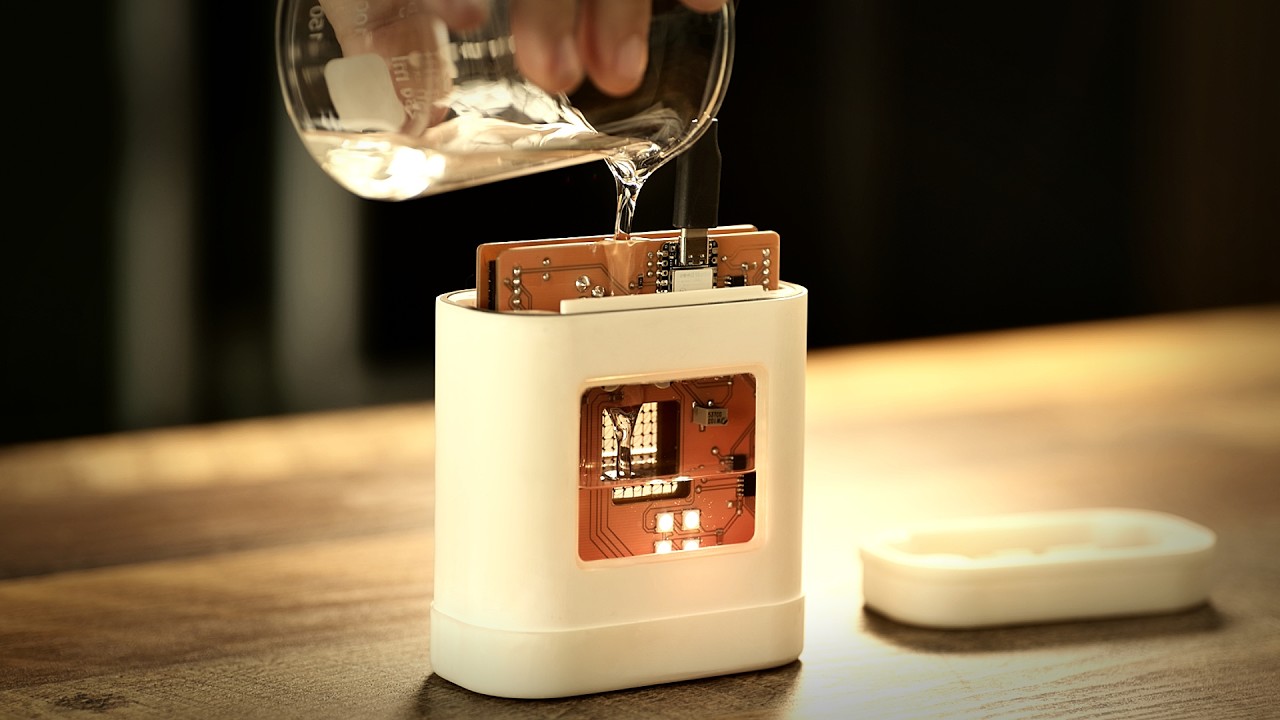
This implies a bespoke software interface that translates user input (e.g., typing into core.txt) into the specific electrical signals required to flip the magnetic states of the 64 cores. Conversely, when core.txt is "read," the software queries the magnetic states of the cores and translates them back into character data for display. This low-level, direct interaction with the memory array is a fascinating aspect of the project, forcing users to engage with data storage at a more fundamental level. It’s a far cry from the abstract file systems and operating system layers that mediate our interactions with modern storage.
Polymatt rigorously verified the non-powered persistence of the device. The simple yet effective test of unplugging the USB power and then reconnecting it confirmed that the data stored in core.txt remained intact. This demonstration visually and functionally validates the inherent non-volatility of magnetic core memory, proving its capability to retain information without a continuous power supply.
Comparative Analysis: Polymatt vs. Other DIY Ventures
Polymatt’s project is not an isolated endeavor within the burgeoning field of homebrew memory. It draws parallels and distinctions with other notable DIY efforts:
Earlier in the year, a Japanese tech enthusiast created a 128-byte magnetic core memory USB drive that was notably described as being "the size of a dinner plate." While this project also showcased the revival of ancient memory tech, Polymatt’s model appears to have achieved a superior level of finish and aesthetic integration. The "dinner plate" drive, despite its larger capacity (128 bytes vs. Polymatt’s 8 bytes), had a significant technical hurdle: its data would "disappear once it is read, requiring special handling." This suggests a destructive read mechanism that wasn’t adequately compensated for by immediate rewrite, making it impractical for repeated access without data loss. Polymatt’s device, by contrast, demonstrates functional non-volatility and persistence, indicating a more complete and robust implementation of the core memory principles for continuous use. The addition of silicon oil further distinguishes Polymatt’s drive as a more polished, almost artistic, creation.
Another significant project in related homebrew memory news is Dr. Semiconductor’s ambitious undertaking to fabricate RAM in a "garden shed cleanroom." This project, aiming for a "PC scale" sequel, represents a different, arguably more complex, frontier of DIY memory. While Polymatt delves into historical magnetic principles, Dr. Semiconductor is attempting to replicate the intricate, microscopic processes of modern semiconductor manufacturing in a makeshift environment. These two projects, though vastly different in their technical approaches, collectively underscore the vibrant and diverse landscape of DIY hardware, driven by a shared passion for understanding and creating the foundational elements of computing.
Official Responses and Industry Context
While Polymatt’s magnetic core memory USB drive is a personal project and not a commercial product, its creation resonates within the broader technology industry, albeit in an unconventional manner. There isn’t an "official response" in the corporate sense, but rather a collective acknowledgement of the ingenuity and educational value these projects represent.
Industry’s View on DIY Solutions
From the perspective of major semiconductor manufacturers and PC component companies, projects like Polymatt’s serve as fascinating, albeit niche, demonstrations of fundamental engineering principles. They highlight the intricate history of computing and the foundational technologies upon which modern electronics are built. While these retro-tech creations are not seen as commercial competitors, they are often appreciated for their ability to demystify complex concepts and rekindle interest in hardware at a grassroots level. They implicitly challenge the notion that advanced technology is solely the domain of large corporations, proving that innovation can spring from individual passion and accessible tools. Moreover, they inadvertently remind the industry of certain strengths of older technologies, such as radiation hardness, which remain critical for highly specialized sectors like aerospace and defense, where modern components still face limitations.
The "RAMpocalypse" as a Catalyst
The economic pressures of the "RAMpocalypse" inadvertently act as a catalyst for such creative endeavors. When readily available, affordable solutions become scarce, individuals are driven to explore alternatives, even if those alternatives involve resurrecting forgotten technologies. This period of market volatility underscores the fragility of global supply chains and the dependency on a limited number of manufacturers for critical components. Polymatt’s project, in this light, becomes a symbolic act of defiance and self-sufficiency, showcasing how challenges can foster a deeper engagement with technology and a pursuit of independent solutions.
Education and Inspiration
Perhaps the most significant "official response" to projects like Polymatt’s is their immense educational and inspirational value. Tech publications, academic institutions, and online communities frequently feature such creations as examples of engineering excellence and creative problem-solving. They serve as powerful teaching tools, illustrating the historical evolution of memory technology, the principles of binary storage, and the practical application of various fabrication techniques (soldering, CNC, 3D printing). For aspiring engineers, computer scientists, and makers, these projects demonstrate that understanding how things work at a fundamental level, and possessing the skills to build them from scratch, remains a highly valuable and rewarding pursuit, irrespective of commercial viability. They inspire new generations to explore, experiment, and contribute to the rich tapestry of technological innovation.
Implications and Future Outlook
Polymatt’s 64-bit magnetic core memory USB drive is more than just a functional gadget; it’s a cultural artifact that speaks to broader trends in technology, education, and the maker movement.
The Enduring Appeal of Retro Tech
The project taps into a powerful and growing sentiment: the enduring appeal of retro computing and hardware hacking. In an age of increasingly abstract and "black-boxed" technology, there is a strong desire among enthusiasts to understand the inner workings of their devices. Building something like a magnetic core memory array provides a tangible connection to the foundational principles of computing that are often obscured by layers of abstraction in modern systems. This movement is fueled by nostalgia for simpler times, a passion for understanding how things work, the intellectual challenge of resurrecting old technologies, and even the artistic expression found in crafting unique, functional objects. The blend of old and new—using salvaged Russian core memory with a modern USB interface and contemporary tools like 3D printers—exemplifies how retro tech can be reinterpreted and integrated into the present.
Beyond the Niche: Lessons for Modern Design
While Polymatt’s drive will not be replacing modern SSDs, it offers valuable lessons that extend beyond its niche appeal. It serves as a potent reminder of critical design considerations that are sometimes overlooked in the pursuit of ever-increasing speed and capacity:
- Data Persistence in Critical Systems: The inherent non-volatility of magnetic core memory underscores the importance of persistent data storage, particularly for systems where data integrity during power loss is paramount. This principle is still highly relevant in aerospace, industrial control, and specialized data archival.
- Environmental Factors and Robustness: The radiation hardness of core memory highlights the need for robust solutions in extreme environments. As humanity ventures further into space or deploys technology in harsh industrial settings, the vulnerability of conventional semiconductors to radiation and other environmental stresses remains a significant challenge. Hybrid solutions or specialized radiation-hardened components, perhaps drawing inspiration from the resilience of older technologies, might see renewed interest.
- Elegance of Simple, Robust Designs: There’s a certain elegance in the simplicity and robustness of magnetic core memory’s operating principle. It’s a physical manifestation of binary logic, which stands in contrast to the increasingly complex and opaque nature of modern silicon architectures. This simplicity contributes to its resilience and makes it an excellent pedagogical tool.
The Future of Homebrew Hardware
Polymatt’s project is a harbinger of continued growth in the homebrew hardware scene. The increasing accessibility of advanced fabrication tools—affordable 3D printers, CNC machines, sophisticated microcontrollers, and a wealth of online tutorials and communities—is empowering individuals to undertake projects of unprecedented complexity and ambition. This democratization of manufacturing and design tools means that the boundaries of what can be achieved by individual makers will continue to expand. These projects will likely continue to push the envelope, sometimes exploring new frontiers, and other times, like Polymatt’s, looking back to illuminate the path forward.
The anticipation surrounding Dr. Semiconductor’s promised "PC scale" RAM, following his initial success in a garden shed cleanroom, further underscores this trajectory. Whether it’s recreating historical memory or fabricating cutting-edge semiconductors in a garage, the spirit of DIY hardware is thriving, proving that curiosity, ingenuity, and a willingness to get one’s hands dirty remain at the heart of technological progress. Polymatt’s 64-bit USB drive is not merely a gadget; it’s a testament to human ingenuity in the face of adversity, a bridge between computing’s past and its future, and a compelling piece of art in its own right.

