

Introduction: The Legacy of Albion Beckons Once More
Few franchises in the history of video gaming hold as unique, eccentric, and deeply nostalgic a place in the hearts of players as Fable. First introduced to the world by visionary game designer Peter Molyneux and developed by Lionhead Studios back in 2004, the original Xbox title promised a world where actions had profound consequences—where a hero could grow horns or catch a halo depending on their moral compass, marry villagers, kick chickens, and leave a permanent footprint on the whimsical, fairytale-inspired realm of Albion.
When Microsoft and developer Playground Games—best known for the critically acclaimed Forza Horizon series—announced that they were taking the reins on a brand-new Fable game, the gaming community erupted with a mix of cautious optimism and intense excitement. Fans have long yearned to return to the rolling green hills, rustic British humor, and magical mischief of Albion.
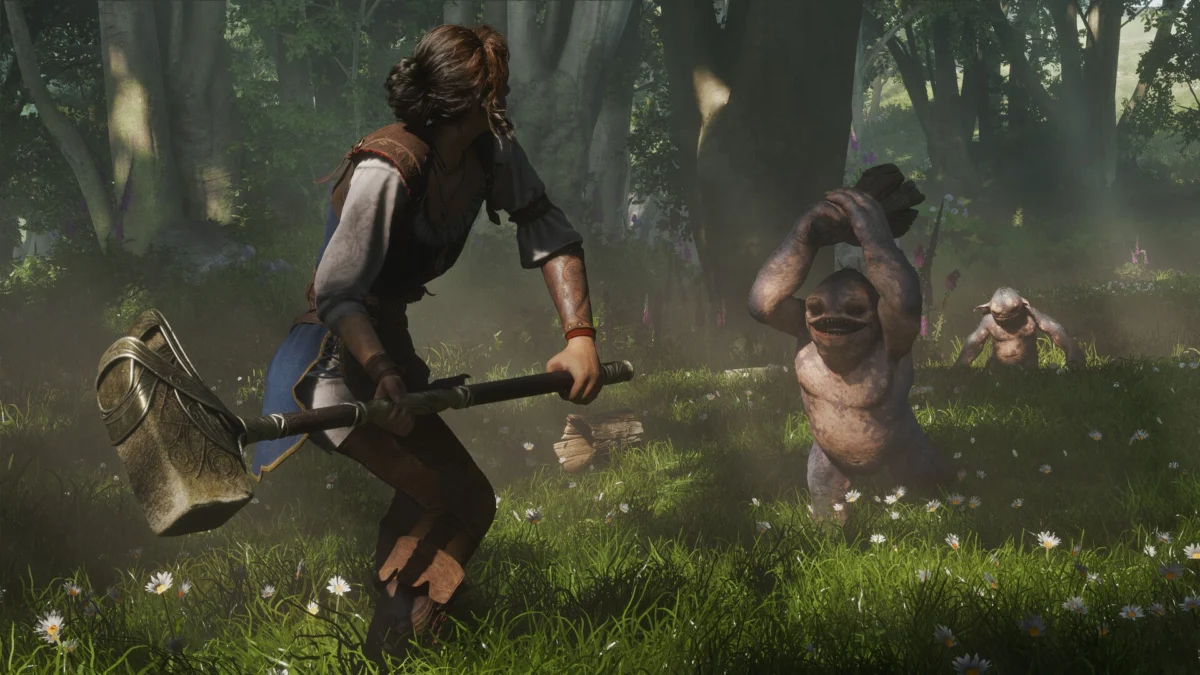
Now, fresh insights from Edge magazine featuring commentary from associate directors Will Kennedy and Craig Littler are shedding light on how the studio plans to honor that rich legacy. Far from chasing the grueling, sweat-inducing difficulty trends popularized by titles like Dark Souls, Playground Games is intentionally designing Fable’s combat to be approachable. Yet, as the developers explain, keeping things accessible does not mean sacrificing depth, tactical player choice, or the series’ trademark brand of chaotic, interactive humor.
Main Facts: What We Know About Fable’s Combat and Core Design
The upcoming Fable reboot is shaping up to be a modern love letter to the original trilogy while introducing next-generation fidelity and systemic depth. Based on the latest developer disclosures, several pillars define the core design philosophy:
- Approachable Yet Deep Combat: Playground Games is preserving the franchise’s legacy of accessible fighting mechanics, avoiding overly punishing or mechanically exhausting difficulty spikes.
- Targeted Body-Part Mechanics: Ranged combat allows players to aim at specific anatomical areas of enemies. For example, shooting an undead "Hollow" in the leg forces them to collapse and desperately crawl toward the player. Decapitating them results in chaotic, unpredictable behavior, such as ranged enemies firing blindly in all directions.
- Interactive Spells and Environmental Chemistry: Classic spells like ‘Befowl’—which transforms enemies into chickens—return with intricate environmental interactions. Hitting an undead chicken with a ‘Fireball’ spell instantly roasts it, highlighting a meticulous attention to minor details.
- Diversified Questing and Non-Combat Solutions: Fighting is only one tool in the hero’s toolkit. Quests will heavily feature dialogue choices, the return of the franchise’s famed reputation system, exploration-heavy pacing, and puzzles.
- Studio Leadership: The project is being spearheaded by Playground Games, utilizing their cutting-edge proprietary engine technology to bring Albion to life with unprecedented visual splendor.
Chronology: The Long Road to Albion’s Reimagining
To understand the weight and significance of these new design details, it is helpful to look back at the winding historical timeline of the Fable franchise and its long-awaited revival.
2001–2004: The Genesis of a Dream
Originally announced under the working title Project Ego, the first Fable was released on the original Xbox in September 2004. Promising unprecedented freedom, it captured players’ imaginations with its unique aging system, morality mechanics, and Danny Elfman-esque orchestral score. It became a massive commercial and critical success, cementing its place as a pillar of the Xbox ecosystem.
2008–2010: Expansion and Evolution
Fable II launched in 2008 exclusively for the Xbox 360, widely regarded by fans as the high-water mark of the series. It refined the combat, introduced co-op play, expanded the property-ownership systems, and added loyal canine companions. This was followed in 2010 by Fable III, which shifted the focus toward governance, asking players to rule Albion and make agonizing moral choices as its monarch.
2012–2016: The Dark Years and Lionhead’s Closure
Following Fable III, the franchise experienced a period of turbulence. Kinect-focused spin-offs like Fable: The Journey divided fans, and an episodic multiplayer title, Fable Legends, spent years in development hell. In 2016, Microsoft abruptly announced the closure of Lionhead Studios, effectively shelving the Fable IP for the foreseeable future and leaving fans heartbroken.
2020: The Resurrection at Xbox Games Showcase
After years of silence, rumors, and fan speculation, Microsoft officially broke the internet in July 2020 with a cinematic teaser trailer confirming that a brand-new Fable was in development by Playground Games. The announcement signaled a major shift, handing the keys of Albion over to the brilliant minds behind the Forza Horizon franchise.
2023–Present: Peeking Behind the Curtain
Over the past couple of years, Xbox has slowly pulled back the curtain on the project. Cinematic trailers showcased at events like the Xbox Games Showcase have given players glimpses of the game’s tone—balancing dark British wit with lush fantasy visuals. The latest deep dive from Edge magazine provides the most substantial look yet into the concrete gameplay mechanics, systems, and philosophy driving the development team forward.
Supporting Data and Developer Insights: Beneath the Surface of Albion
While cinematic trailers can capture the mood and aesthetic of a game, understanding the mechanical underpinnings requires looking closely at what the developers intend for the player to experience second-to-second.
According to associate director Will Kennedy, the decision to retain approachable combat is rooted in historical reverence. "The original Fable games have a legacy of being quite approachable, so that’s something we kept in mind while developing our combat system," Kennedy told Edge.
However, casual accessibility can sometimes risk feeling shallow or unengaging for seasoned RPG veterans. Playground Games has countered this by weaving tactical layer systems into standard encounters. Craig Littler, another associate director on the project, elaborated on how directional aiming changes the flow of battle.

Consider the "Hollow"—an undead enemy type frequently encountered in the game. In a traditional action RPG, enemies might simply act as damage sponges until their health bar depletes. In Fable, player precision alters enemy state dynamically. An arrow planted squarely in a Hollow’s knee strips away their mobility, forcing them into a ground-bound, crawling state. Decapitating them introduces blind panic; stripped of their sight or primary direction, ranged adversaries will fire blindly in random directions, turning a tactical advantage into a chaotic, unpredictable environmental hazard.
Furthermore, the game’s systemic sandbox nature shines through its magical catalog. The ‘Befowl’ spell, a cheeky nod to the series’ history of turning citizens and enemies into poultry, has been given systemic depth. When cast on a Hollow, the spell does not just create a standard bird; it creates an undead chicken. If a player follows up this transformation by launching a ‘Fireball’ spell at the undead fowl, the game engine registers the interaction and transforms the target into a roast chicken.
This level of granular detail proves that Playground Games is not just building a pretty world, but a reactive sandbox where player curiosity is consistently rewarded with humor and mechanical feedback.
Official Responses and Industry Context
The design choices outlined by Kennedy and Littler have triggered widespread discussion across the gaming industry. For years, the prevailing trend in action-RPGs has been dominated by the legacy of FromSoftware’s titles—demanding precise parry windows, stamina management, and punishing death penalties. While titles like Elden Ring and Dark Souls excel at what they do, there is a distinct fatigue setting in among players who occasionally want to experience a high-fantasy adventure without breaking a sweat or shattering their controllers.
By explicitly stating that Fable will buck the Dark Souls trend in favor of accessibility, Playground Games is carving out a welcoming space in the modern gaming landscape. Industry analysts note that this approach aligns perfectly with Xbox’s broader consumer strategy: crafting experiences that are inviting to casual players while retaining enough systemic depth to satisfy hardcore enthusiasts.
Moreover, the emphasis on non-combat quest resolution addresses a common critique of modern open-world games, which frequently devolve into repetitive loops of clearing out enemy camps. Littler emphasized that combat is merely one pillar of a much broader structural framework:
"There are quests that are much broader. More exploration, even a puzzle or two along the way. One of the things we’re really proud about is the variety of activities and how they all harmonize to tell a story that you feel really involved in."
By integrating dialogue trees, the series’ legendary morality and reputation systems, environmental puzzles, and varied exploration activities, Playground Games is ensuring that players can roleplay as heroes (or villains) in ways that extend far beyond swinging a sword or loosing an arrow.
Implications: What This Means for the Future of Fable and Xbox
As the gaming community looks ahead to future updates and release announcements, the philosophical direction of the Fable reboot carries profound implications for both the franchise and Microsoft’s broader first-party portfolio.
1. Rebuilding Trust in a Beloved IP
Reviving a dead franchise is never an easy task. Fans hold the original Lionhead trilogy in high sentimental regard, making any deviation from the source material a potential flashpoint for controversy. By leaning heavily into what made the originals special—humor, accessibility, moral choices, and interactive sandboxes—Playground Games is signaling a deep respect for the source material, which goes a long way toward winning over skeptical veterans.
2. Proving Playground’s Range
While Playground Games is universally celebrated for its mastery of open-world racing mechanics in the Forza Horizon series, the Fable reboot represents their very first foray into the sprawling, narrative-driven action-RPG genre. The successful translation of technical competence from driving physics to complex combat systems, systemic spells, and narrative quests will prove whether the studio is a multi-genre powerhouse capable of competing with the industry’s heaviest hitters.
3. A Breath of Fresh Air for the RPG Genre
In a marketplace saturated with gritty, overly serious, and punishingly difficult dark fantasy epics, Fable promises a return to vibrant color, self-aware British wit, and joyful experimentation. The ability to turn enemies into undead chickens, roast them with fireballs, and decide the fate of entire towns through dialogue and reputation systems offers a distinct flavor of escapism that few other modern franchises can replicate.
Conclusion
The road to Albion has been long and fraught with uncertainty, but the latest disclosures from the development team at Playground Games paint a picture of a project guided by passion, intelligence, and reverence. By keeping combat approachable while layering in clever tactical choices, systemic spell interactions, and varied non-combat activities, Fable is shaping up to be a triumphant return. Whether players choose to be saints or scoundrels, saviors or chicken-chasing pranksters, the heart of Albion is beating stronger than ever—and the adventure cannot come soon enough.

