

The video game industry is bracing for an unprecedented collision course. With Rockstar Games’ monumental Grand Theft Auto 6 casting an inescapable shadow over the tail end of the year, major publishers have wisely cleared the board for November, choosing self-preservation over head-on competition. However, this mass exodus has triggered a massive, high-stakes traffic jam in October.
The preceding month is now playing host to a staggering lineup of heavy-hitting releases, creating a hyper-competitive landscape where triple-A blockbusters, cult-favorite indie sequels, and ambitious AA projects are all fighting for the same finite consumer wallets and attention spans.
Main Facts: A Saturated October and the GTA 6 Effect
The root cause of this autumnal industry bottleneck is simple: fear of Grand Theft Auto 6. Few publishers are willing to risk millions of dollars in development and marketing capital by releasing within spitting distance of what is projected to be the biggest entertainment launch in history.
Instead of going toe-to-toe with Rockstar in November, publishers have crammed their heavy hitters into October. The result is a surreal release calendar featuring major studio titles like:
- Ace Combat 8
- Gears of War: E-Day
- Star Wars: Galactic Racer
- Modern Warfare 4
Compounding the congestion is an army of highly anticipated non-traditional and independent releases. The October slate also features a brand-new Hellraiser video game, Silver Pines, Jonathan Blow’s next conceptual puzzle project, Planet Zoo 2, a full remaster of Tales of Eternia, a nostalgic 2D-HD Final Fantasy remake, and the official 1.0 full-version launch of survival hit Enshrouded.
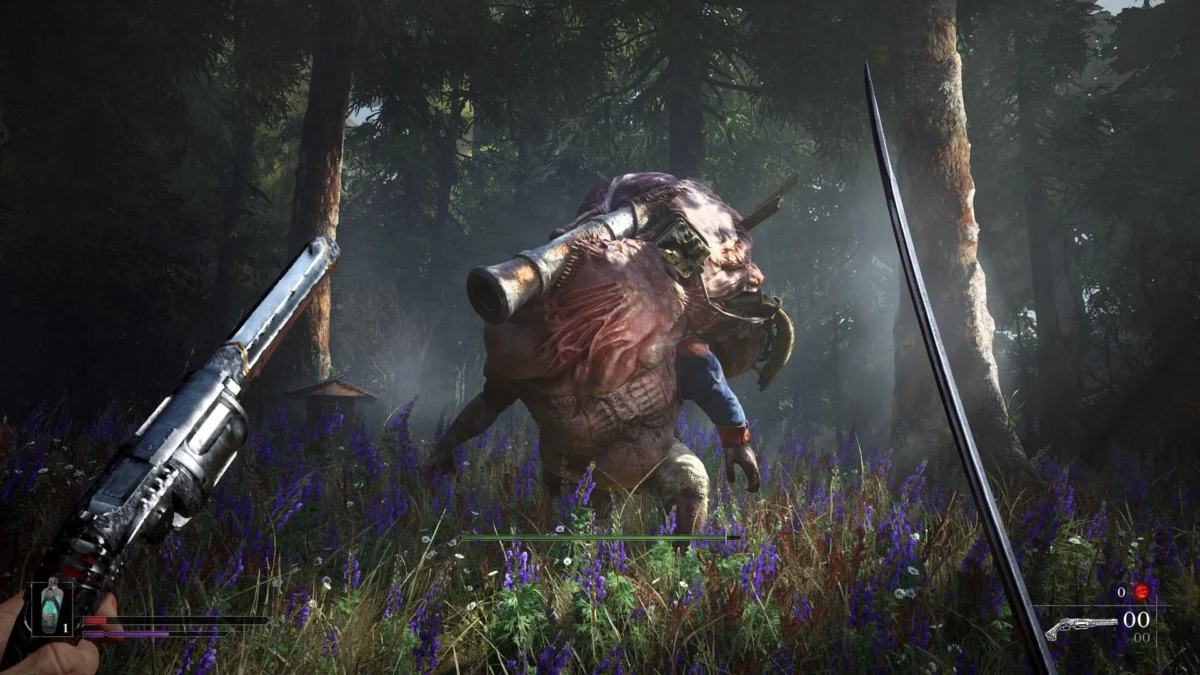
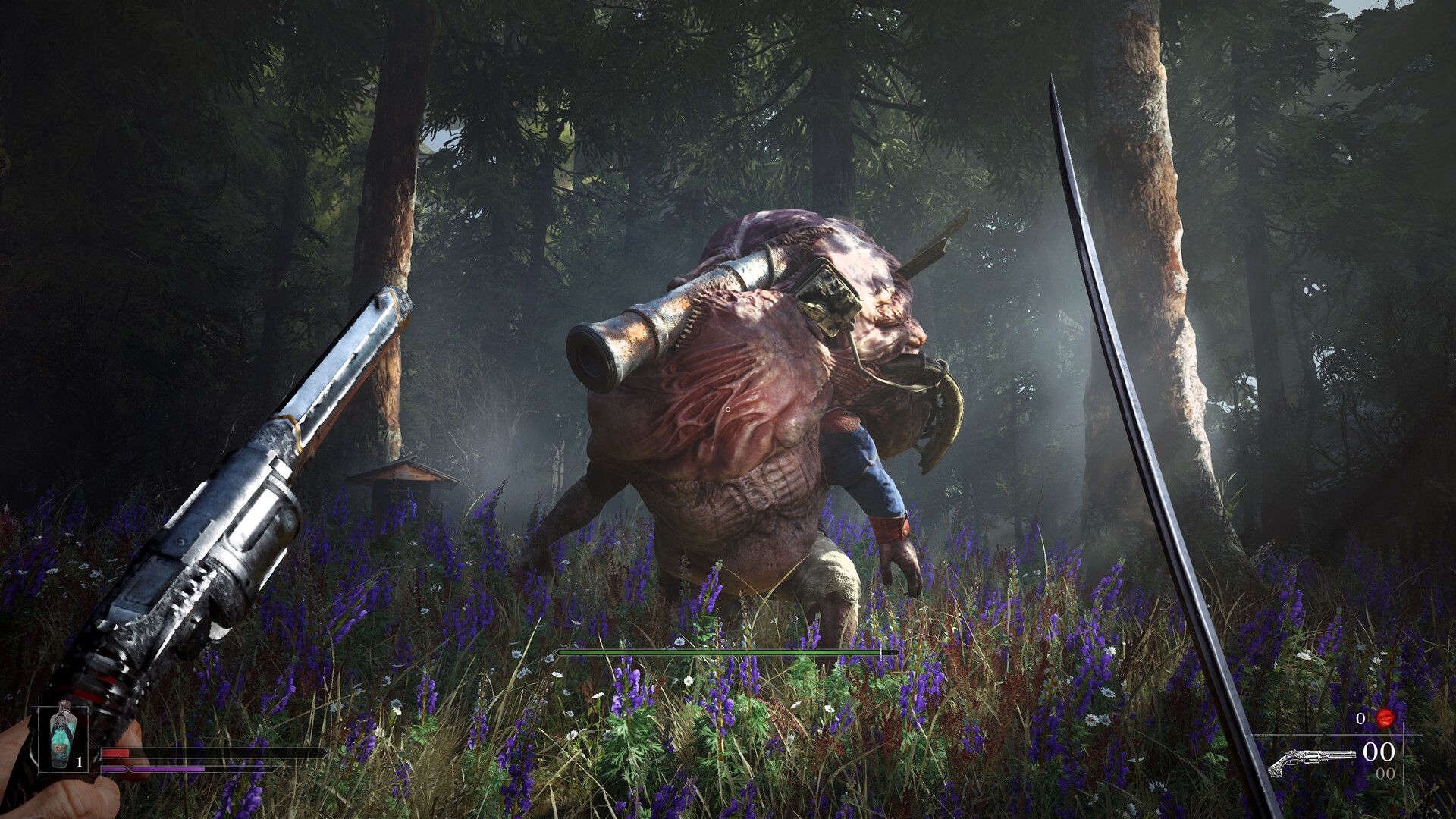
Amidst this dense forest of high-profile entertainment stands Valor Mortis, an upcoming horror-infused, alternate-history first-person soulslike set during the Napoleonic Wars. Developed by the team behind the critically acclaimed Ghostrunner series and published by Lyrical Games, Valor Mortis is aiming to carve out its own space when it launches on October 13.
Chronology of a Bottleneck: How the Schedule Shuffled
The reshaping of the late-2025 gaming calendar did not happen overnight; it has been a gradual, strategic retreat by major stakeholders.
- Early 2024–2025: Rumors and unofficial financial projections cement Grand Theft Auto 6 as a late-2025 phenomenon. Industry analysts warn publishers against scheduling major releases in November or December.
- Spring 2025: Major publishers begin moving their marquee fall flagships forward. Titles originally slated for the holiday shopping season are quietly pulled into September and October.
- Summer 2025: Event showcases (like Summer Game Fest) reveal an extraordinarily dense October. Franchise revivals, long-awaited sequels, and unexpected remasters are officially dated for the four-week window leading up to Halloween.
- August 2025: Mid-tier and AA publishers realize they have no choice but to participate in the October rush. Lyrical Games commits to an October 13 launch for Valor Mortis, pivoting their strategy from avoidance to direct co-existence.
- Present Day: The industry sits on the precipice of a historically congested autumn, forcing creative pricing models and targeted marketing campaigns to capture consumer interest before the GTA 6 vacuum consumes the market.
Supporting Data and Industry Dynamics: The Economics of the "And" Game
Navigating a release window this crowded requires sharp financial forecasting. Historically, mid-tier (AA) games priced at the standard $60 or $70 mark get completely squeezed out during hyper-competitive periods. Consumers operating on tight budgets will almost always default to the established blockbuster, leaving original intellectual properties (IPs) to wither on the vine.
Lyrical Games is attempting to break this cycle through deliberate, consumer-friendly pricing. Speaking recently to The Game Business, Lyrical Games CEO Blake Rochkind laid out the harsh mathematical and psychological realities facing his team.
"By virtue of the development schedule, the cards we’ve been dealt is that we are one of the only new IPs launching this fall," Rochkind remarked. "We are pretty confident in Valor Mortis. But ultimately, the worst thing we could do is not push our chips in and say, ‘We want this to be a game that you can pick up alongside these other great games.’"
To achieve this, Lyrical Games has aggressively priced Valor Mortis at $40. The strategic rationale is to position the game not as an either/or choice for gamers, but as an “and” purchase.
Rochkind recalled advice from a fellow developer who successfully navigated a similar logistical nightmare with a sub-$50 "We never regretted being an ‘and’ game. We never regretted pricing our game as something that you can pick up alongside other games."
This sentiment echoes a broader conversation happening across the industry regarding perceived value. Just as the developer of the viral hit Peak famously rationalized micro-pricing structures ("4 bucks is also kind of 5 bucks, 3 bucks is 2 bucks. And 2 bucks is basically free"), AA publishers are realizing that lowering the barrier to entry is essential when consumers are already planning to drop $70 on a handful of massive franchise flagships.
Official Responses and Strategic Pivots
For Valor Mortis, the stakes are uniquely high. First-person melee combat is notoriously difficult to design; history is littered with titles that attempted first-person swordplay and heavy combat mechanics only to deliver clunky, unsatisfying results. However, early hands-on demos for Valor Mortis have shattered expectations, generating significant buzz among critics and players alike for genuinely nailing the kinetic weight and responsive parry systems required of a soulslike game.
Despite the positive reception, Lyrical Games acknowledges that quality alone does not guarantee visibility in an October bursting at the seams with Gears of War, Ace Combat, and Star Wars.
Interestingly, while the October landscape is brutal, Lyrical Games and other publishers noted that avoiding November was ultimately about dodging the singular black hole of GTA 6—and, on the console side, Nintendo’s heavy-hitting Ocarina of Time remake. Because Valor Mortis is charting its own course and prioritizing smart pricing, it aims to capture the subset of gamers who are fatigued by annualized military shooters and open-world bloat, opting instead for a tight, atmospheric, horror-drenched action experience.
Implications: What the October Bottleneck Means for the Future of AA Gaming
The fallout from the 2025 release schedule congestion will likely have long-term repercussions for how mid-tier publishers approach launch windows.
- The Death of the Traditional Holiday Window: For decades, November was considered the holy grail of video game releases. The GTA 6 phenomenon has effectively shattered this rule, proving that absolute behemoths can completely disrupt seasonal norms. Publishers may increasingly look to shoulder months (October, April, August) to build breathing room.
- The Rise of Strategic Pricing: As AAA games trend toward $70 (and potentially higher), the $30 to $40 "AA sweet spot" is proving to be a vital survival mechanism. By pricing games so that consumers don’t have to choose between a blockbuster and an original IP, publishers can secure healthy word-of-mouth momentum.
- The Test of Quality Over Clout: Valor Mortis represents a litmus test for the industry. Can a dark, alternate-history soulsike from the creators of Ghostrunner survive being dropped directly into the path of an industry stampede? If Lyrical Games’ gamble pays off, it could serve as a masterclass in positioning mid-tier original IPs in an increasingly top-heavy market place.
As October 13 approaches, all eyes will be on Valor Mortis and its companions in the great autumn bottleneck. Whether players have enough time, money, and attention to embrace the "and" game philosophy remains to be seen, but the industry is about to find out just how much pressure the gaming wallet can truly withstand.

