


The anticipation surrounding Rockstar Games’ Grand Theft Auto 6 is, without exaggeration, the most significant cultural event in the history of the medium. As the successor to Grand Theft Auto 5—a title that has maintained a stranglehold on the charts for over a decade—the next installment in the franchise represents a generational leap. Yet, as the release date approaches, a palpable frustration has settled over a massive segment of the gaming population: PC users.
Despite the platform’s status as a dominant force in modern gaming, Take-Two Interactive has remained steadfast in its decision to launch GTA 6 exclusively on PlayStation 5 and Xbox Series X/S. This decision has sparked intense debate, raised questions about corporate strategy, and forced a deeper look at the economics of the "double-dip" release model.
The Facts: A Console-First Launch Strategy
The current reality is stark: Grand Theft Auto 6 is scheduled for its debut on PlayStation 5 and Xbox Series X/S on November 19. For the PC gaming community, which accounts for a massive portion of the gaming market, there is no official release date.
This is not a new playbook for Rockstar Games. Historically, the studio has preferred to stagger its releases. Grand Theft Auto 5 arrived on consoles in 2013, with the PC version following nearly two years later in 2015. This delayed gratification strategy has proven incredibly lucrative for Take-Two, as it encourages "double-dipping"—a practice where the most dedicated fans purchase the game at launch on console, only to purchase it again once the technical improvements and modding capabilities of the PC version arrive.
However, in an era where cross-platform releases are becoming the industry standard, Rockstar’s persistence in prioritizing consoles feels, to many, like a relic of a bygone era.
A Chronology of Uncertainty
To understand the current tension, one must look at the timeline of Rockstar’s communication regarding the PC port.
- The Announcement (December 2023): Rockstar dropped the first trailer for GTA 6, officially confirming the title for 2025. Notably, the press release explicitly listed PlayStation 5 and Xbox Series X/S, with no mention of PC.
- The Initial Speculation (Early 2024): Industry analysts and fans began dissecting the trailer, searching for clues regarding a PC port. The silence from Rockstar only fueled the fire, leading to a surge in community petitions and speculative journalism.
- The Shareholder Meetings (2024): Throughout the year, CEO Strauss Zelnick faced recurring questions about the PC platform. His responses have oscillated between praising the platform’s growing importance and emphasizing the necessity of "serving the core consumer"—a phrase that many interpreted as a direct dismissal of PC players as a priority.
- The Current Status (Late 2024): With the console release date solidified, the absence of a PC roadmap has solidified into a "wait and see" reality for the PC master race.
Supporting Data: The PC Paradox
The most confounding aspect of Take-Two’s strategy is the data. In previous statements, Strauss Zelnick has acknowledged that PC gaming can account for up to 50% of total sales for major releases. Furthermore, industry reports consistently show that the PC is currently the most dominant it has been in decades, with a vast majority of developers actively targeting the platform.
The Financial Incentive
Why, then, would a company ignore half of its potential market? The answer is likely rooted in three key financial factors:
- Optimization and Technical Burden: Porting a title as massive as GTA 6 requires significant resources. By focusing on two fixed hardware configurations (PS5 and Xbox Series X/S), Rockstar can ensure a stable, high-performance launch without the variability of thousands of different PC hardware combinations.
- The "Long Tail" Strategy: By releasing the game years apart, Rockstar effectively re-launches the product, generating a massive second wave of marketing, review coverage, and revenue.
- Platform Loyalty: Console manufacturers often strike marketing and exclusivity deals that incentivize publishers to prioritize their hardware. While not explicitly confirmed for GTA 6, it is a common practice that keeps major tentpole releases on consoles first.
Official Responses: Navigating the Corporate Speak
During the most recent Take-Two shareholders meeting, Strauss Zelnick was pressed once again on the "cadence of PC launches." His response was a masterclass in executive ambiguity.
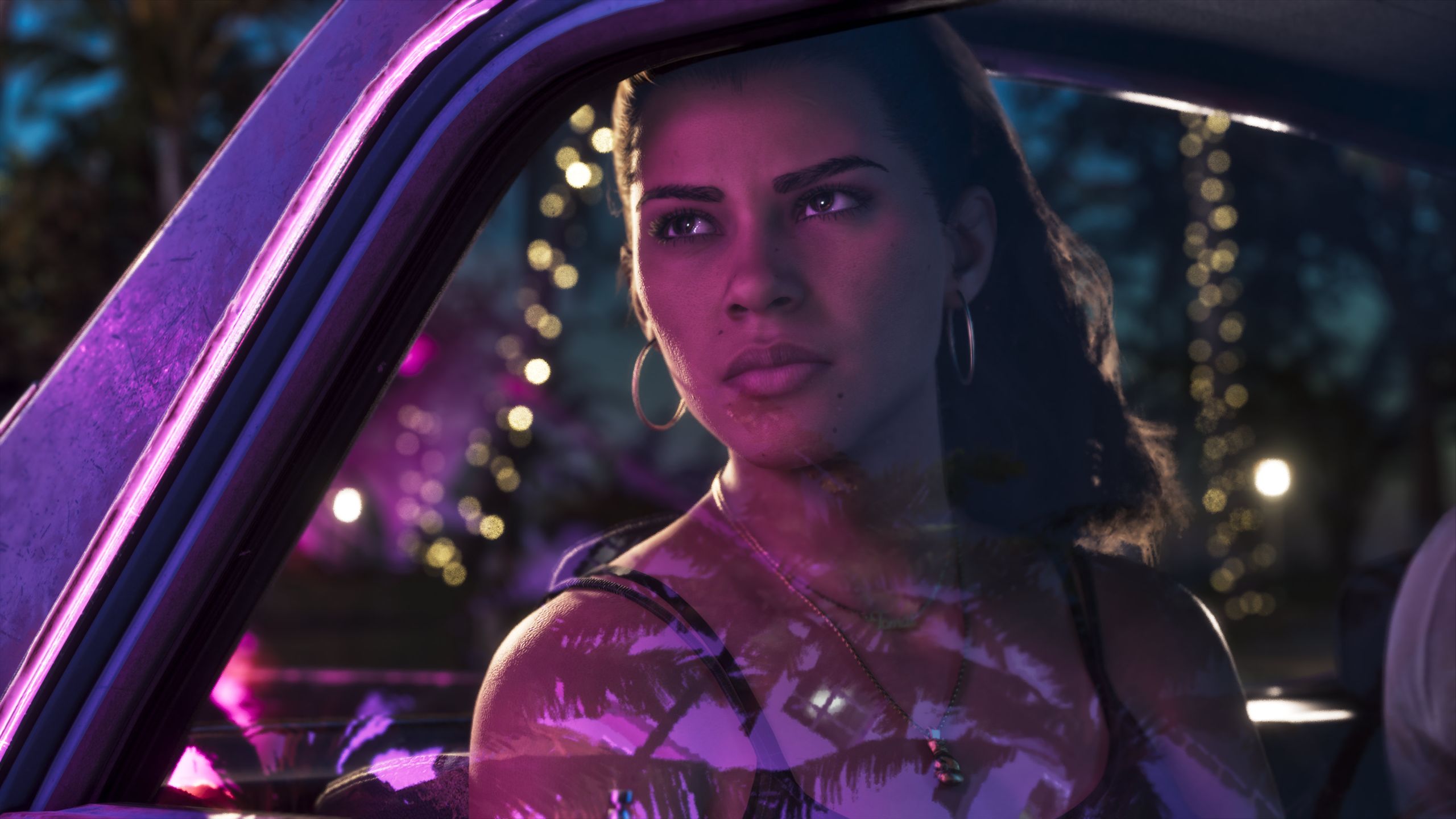
"The strategy of the company is over time, generally speaking, to launch for any platforms for which there’s a meaningful audience," Zelnick stated. "But that isn’t always the case, and certainly if platforms were no longer viable, we would change that strategy. And I would note that the PC platform is becoming more and more important to our company over time."
Parsing the Message
This statement is a classic example of corporate hedging. By noting that PC is "becoming more important," Zelnick acknowledges the market reality. However, by qualifying this with the phrase "over time," he essentially justifies the delay. The subtext is clear: Rockstar does not believe the PC audience will go anywhere. Whether they wait two years or five, the core PC demographic is expected to purchase the game regardless of the delay.
The Broader Implications: The Future of Rockstar
The debate over GTA 6 is about more than just a release date; it represents a friction point between the traditional console-centric model and the modern, platform-agnostic future.
The Future of GTA Online
Beyond the single-player experience, the question of multiplayer looms large. GTA 5 Online remains a juggernaut of revenue for Take-Two. Zelnick has reiterated that GTA 6 is fundamentally a "single-player experience" at its core, but the shadow of the next iteration of GTA Online is undeniable. Speculation from figures like the CEO of Twitch suggests a potential 2027 window for a major multiplayer expansion, which would coincide conveniently with a potential PC release, effectively extending the lifecycle of the product by another half-decade.
The Impact on Community Sentiment
Rockstar Games has built its reputation on quality. The "Rockstar Polish" is legendary, and for many, the wait for a PC version is simply the price paid for a title that is optimized and complete. However, this goodwill is not infinite. There is a growing sentiment among PC enthusiasts that being treated as "second-class citizens" is a slight against the very platform that has kept GTA 5 relevant through mods, roleplay servers, and community engagement for ten years.
Conclusion: The Long Wait
As November 19 approaches, the gaming world will focus its attention on the console experience of Grand Theft Auto 6. The streets of Vice City will be populated by millions of console players, while PC gamers look on from the sidelines.
Is the wait justified? From a purely economic standpoint, Take-Two’s strategy of staggered releases has proven to be a financial windfall. By prioritizing the core console audience, they control the narrative, the sales cycles, and the technical rollout. For the PC player, the reality remains: you are essential to the long-term success of the franchise, but you are not the priority for its opening act.
We know GTA 6 is coming to PC. The question is no longer "if," but "when." And until that day arrives, the PC community will continue to speculate, analyze, and wait for their turn in the sun.

