

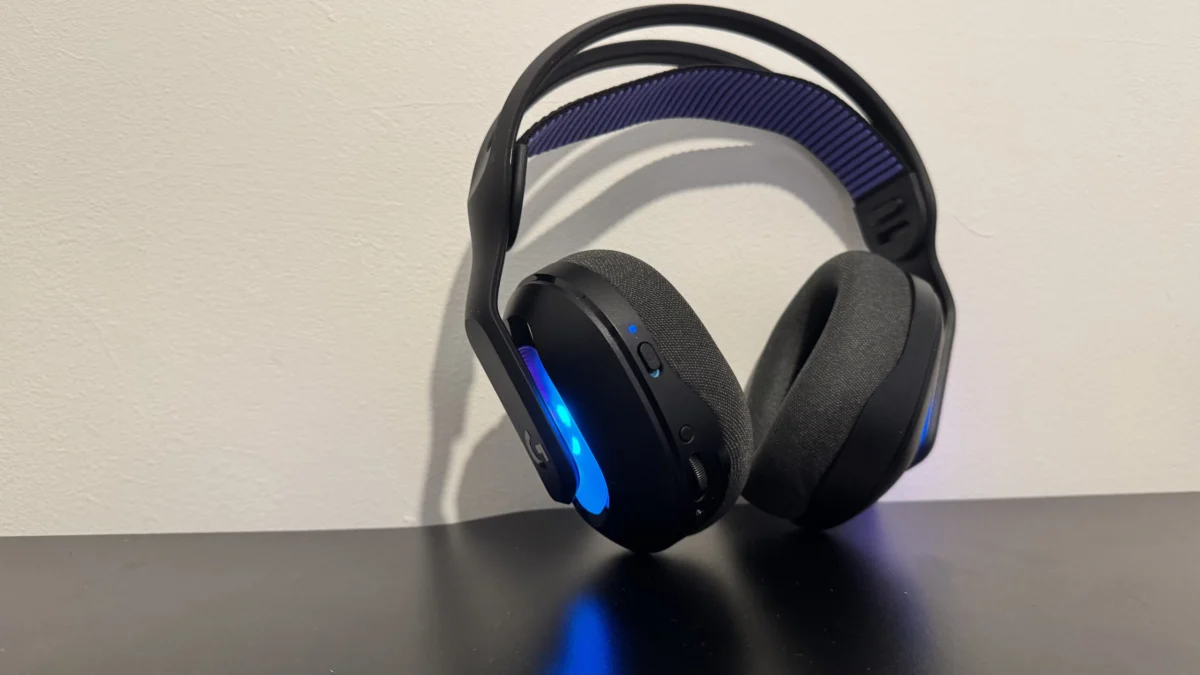
In the fiercely competitive landscape of gaming peripherals, the line between "sufficient" and "exceptional" is often drawn at the microphone quality. For years, gamers have settled for muffled, compressed audio in exchange for wireless freedom. However, the release of the Logitech G522 Lightspeed marks a significant pivot in that narrative. With a recent price drop to $130 at Amazon—a nearly 20% reduction from its launch MSRP—the G522 has shifted from a premium curiosity to a compelling value proposition for enthusiasts and streamers alike.
Main Facts: The Evolution of Logitech’s Audio Signature
The Logitech G522 Lightspeed is not merely an iterative update; it represents a refined approach to the company’s wireless audio ecosystem. While Logitech G has long been a household name, previous entries—such as the G733 Lightspeed—often prioritized aesthetic flair and lightweight designs over pure sonic fidelity. The G522, by contrast, focuses on a robust, balanced audio profile and, most notably, a microphone that punches well above its weight class.
The key features defining the G522 include:
- Near-Professional Mic Quality: A detachable boom microphone that offers enough clarity and bass response to be considered a viable solution for streamers who lack dedicated desktop microphones.
- Tri-Connectivity: Versatile connection options allowing for seamless switching across platforms.
- Comfort-First Engineering: A design focused on long-term wearability, despite some minor limitations in headband adjustability.
- The Lightspeed Advantage: Logitech’s proprietary wireless technology, which ensures near-zero latency, a critical factor for competitive gaming.
A Chronology of Logitech G’s Design Philosophy
To understand the significance of the G522, one must look at the trajectory of the G-series lineup. The early iterations of Logitech’s wireless headsets were defined by experimental design—often characterized by vibrant colorways and plastic-heavy builds. The G733 was a prime example: it was a popular choice for gamers who prioritized "the look" and the novelty of a purple or lime-green headset over studio-grade audio.
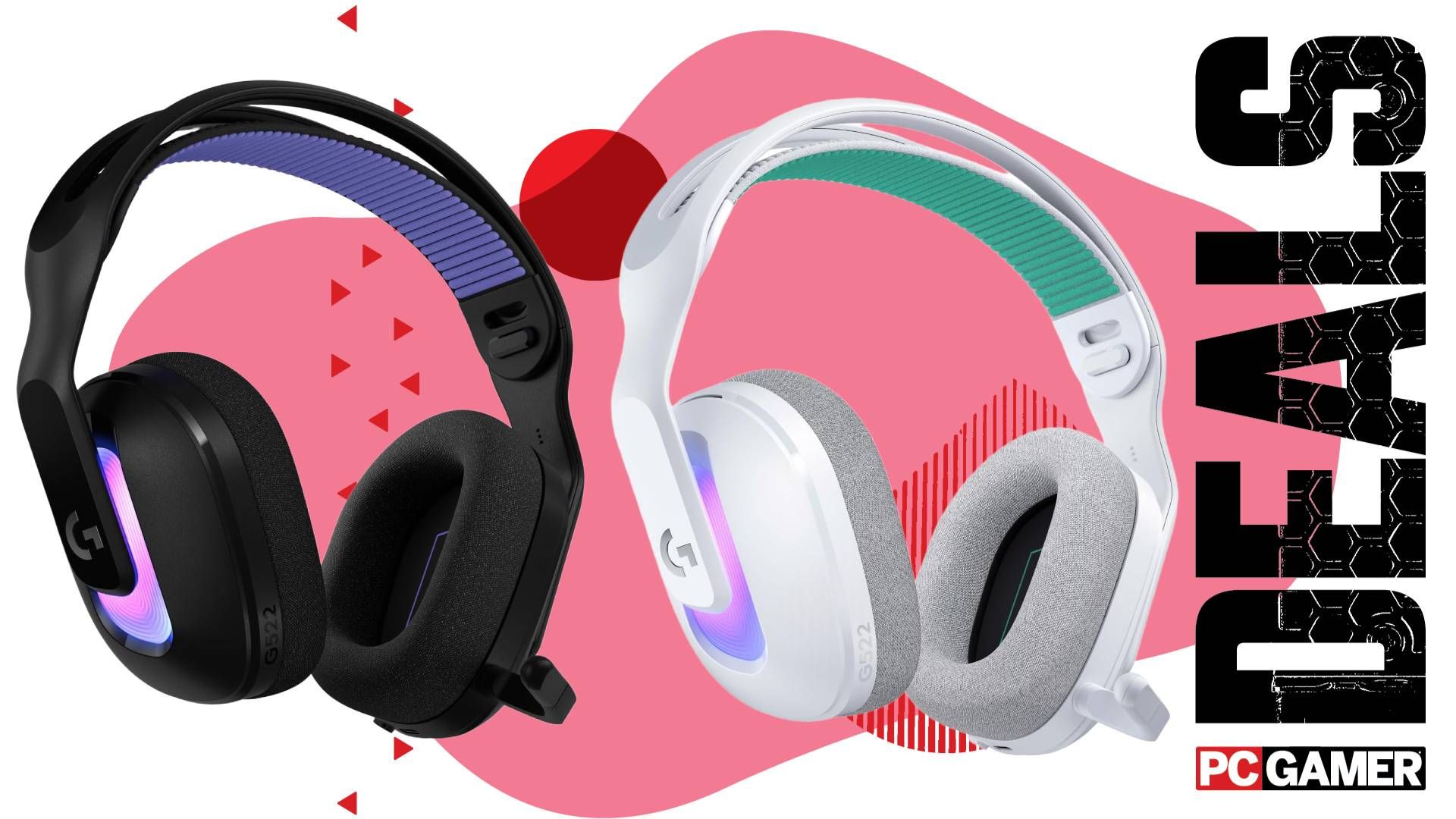
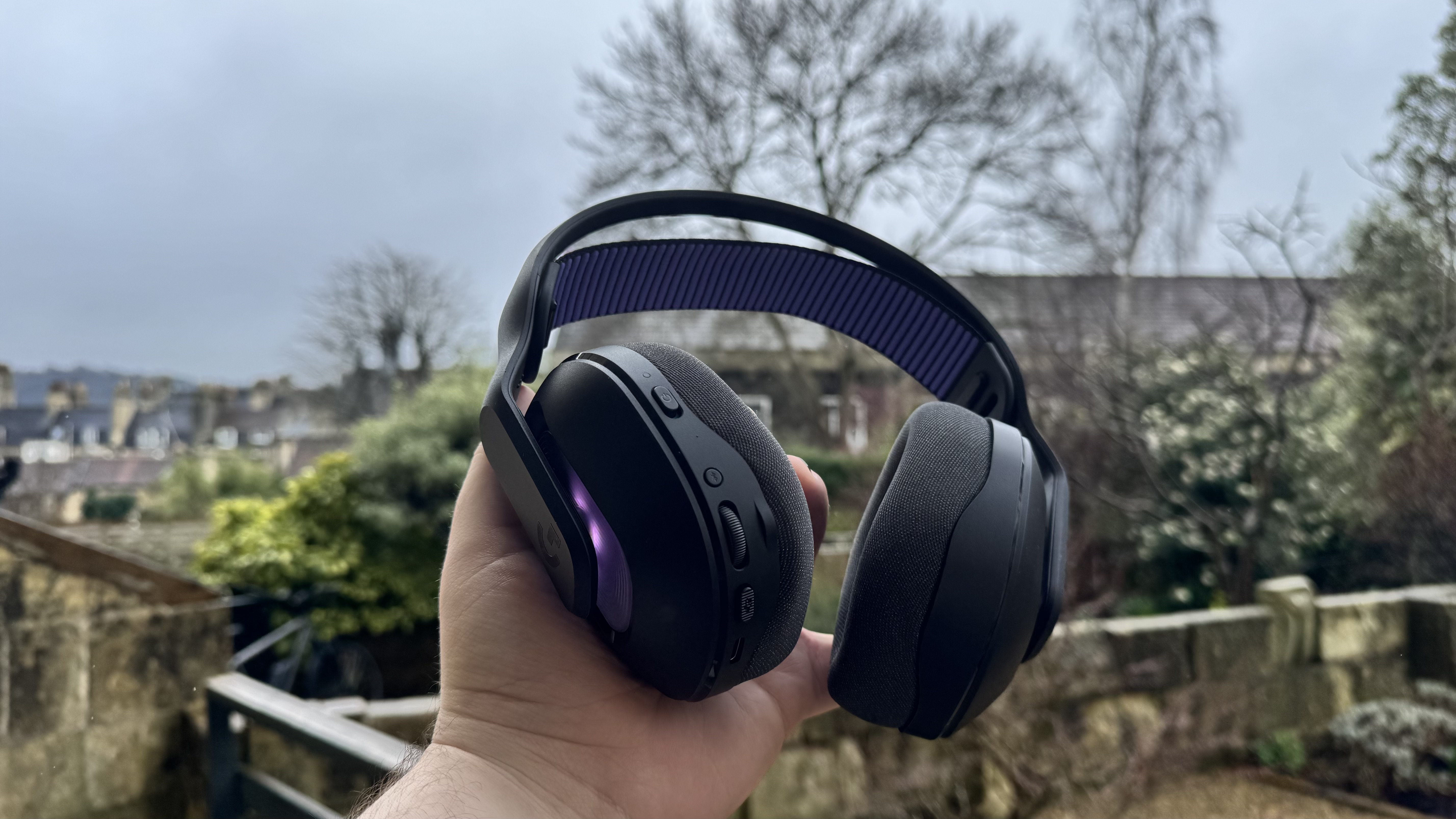
However, the market shifted. As the pandemic era saw an explosion in streaming and remote work, the demand for "good enough" audio was replaced by a demand for "broadcast quality." Logitech responded by tightening its engineering focus. The transition from the G733 to the G522 reflects a maturation of the brand. The design team moved away from the "gamer-centric" aesthetic to a more refined, professional look—currently available in sleek black and clean white colorways. This shift signals that Logitech is no longer just selling a peripheral; they are selling a tool for content creation.
Supporting Data: Performance Under the Microscope
The critical reception of the G522, particularly from hardware analysts like those at PC Gamer, has highlighted that this headset performs best when the user is willing to spend a few minutes in the software ecosystem.
The Audio Profile
Out of the box, the G522 is tuned with a "full and warm" sound profile. While this provides a rich experience for cinematic games and single-player titles, it can sometimes feel slightly veiled for high-intensity competitive shooters where mid-range clarity (like footsteps) is paramount. Fortunately, the Logitech G Hub software allows for precise equalization. By applying a slight bass boost or adjusting the frequency response curves, users can transform the sound signature from "consumer-grade" to "audiophile-adjacent."
The Microphone: The Standout Feature
The real star of the show is the microphone. In a segment where manufacturers often treat the mic as an afterthought, the G522’s boom mic is a revelation. It captures vocal nuances with a depth usually reserved for standalone dynamic microphones. It effectively mitigates the "tinny" quality associated with wireless headsets, offering a radio-level richness that is more than capable of handling Discord calls, team chat, or even live-stream audio narration.
Software Hurdles
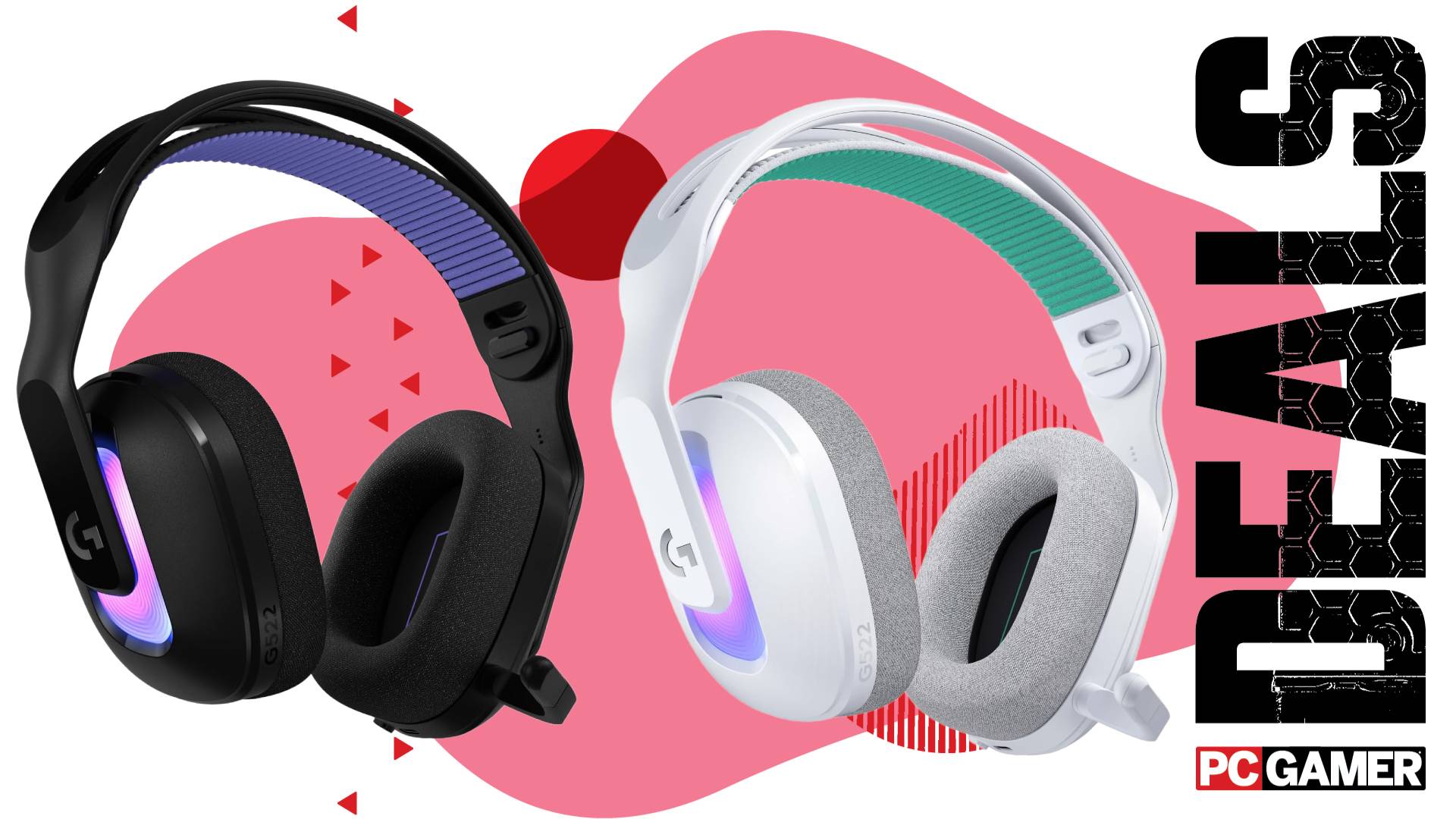
No piece of hardware is without its flaws. The G Hub software remains a contentious point of the user experience. Reviewers have noted instances where the software failed to recognize the hardware on certain Windows builds, leading to a frustrating setup process. However, the saving grace is that once the initial firmware updates are applied and the EQ settings are locked in, the headset functions perfectly as a plug-and-play device. Users are effectively able to "set it and forget it," bypassing the need for constant software interaction.
Official Responses and Market Positioning
Logitech has remained largely silent on the specific software bugs reported by reviewers, though the company’s consistent release of firmware updates via G Hub suggests they are actively iterating on the device’s stability. From a market standpoint, the decision to discount the G522 to $130 is a strategic maneuver. By lowering the price, Logitech is effectively undercutting many of its competitors in the mid-range bracket, such as the SteelSeries Arctis Nova series, which often command a higher price for similar feature sets.
The company is positioning the G522 as a "bridge" device—a headset that offers the performance requirements of a professional streamer while maintaining the price point of a mid-tier consumer headset.
Implications for the Future of Gaming Audio
The success of the G522 suggests that the era of "gaming-specific" audio being synonymous with "low-quality" is coming to an end. As more manufacturers integrate high-fidelity drivers and broadcast-quality microphones into sub-$150 headsets, the barrier to entry for high-quality audio has never been lower.
For the consumer, the implications are clear:
- Diminishing Returns: The gap between a $130 headset and a $300 headset is narrowing rapidly. Users no longer need to spend exorbitant amounts to achieve professional-sounding voice comms.
- Software as the New Frontier: The hardware itself is becoming a commodified baseline; the true differentiator is now the software suite and the ease of use. Brands that cannot provide a stable, intuitive software experience risk being left behind, even if their hardware is excellent.
- The Rise of Hybrid Usage: The G522’s design philosophy—a professional look with high-performance audio—acknowledges that the modern gamer is also a professional, a student, and a creator. The headset needs to look as good in a Zoom meeting as it does in a Valorant lobby.
Final Verdict: Is it Worth the Investment?
If you are currently struggling with a headset that leaves your voice sounding distant or your game audio feeling muddy, the Logitech G522 Lightspeed at its current $130 price point is a compelling upgrade. While the headband adjustability may be a minor point of contention for users with larger head shapes, and the software installation might require a moment of patience, the trade-off in audio and microphone quality is undeniably in the user’s favor.
The industry is moving toward a standard where wireless connectivity no longer demands a sacrifice in quality. The G522 sits at the vanguard of this movement, offering a level of performance that, until recently, would have cost significantly more. Whether you are a dedicated streamer looking to upgrade your setup or a casual gamer wanting a more immersive experience, the G522 is a testament to how far gaming audio has come—and a strong indicator of where it is headed.
For those who are still hesitant, the current Amazon deal provides a rare window to experience premium-tier features without the premium-tier price tag. In a market saturated with options, the G522 stands out not because it tries to do everything, but because it does the two most important things—listening and speaking—exceptionally well.

