


In the modern landscape of PC gaming, the pursuit of visual fidelity often leads to a contentious debate between developers and players. While game engines grow increasingly capable of producing photorealistic imagery, the inclusion of post-processing effects—such as motion blur, chromatic aberration, bloom, and film grain—remains a polarizing topic. Are these aesthetic choices essential for cinematic immersion, or are they merely intrusive digital "noise" that hinders clarity?
As the industry pushes for higher resolutions and more complex lighting models, the settings menu has become a battleground. For many enthusiasts, the first action taken upon launching a new title is to navigate to the "Graphics" tab and systematically disable these specific effects. To settle the score once and for all, we are launching a comprehensive "knockout" tournament to determine which post-processing effects are beloved staples and which belong in the annals of graphical history.
The Great Debate: Why Post-Processing Divides the Community
The tension surrounding post-processing stems from a fundamental disagreement about the purpose of a game’s visual presentation. On one side of the aisle are the developers, who often argue that these effects are vital for cohesion. For instance, motion blur is frequently cited as a necessary tool to simulate the way human eyes perceive rapid movement, potentially smoothing out low frame rates or bridging the gap between discrete frames of animation.
Conversely, the PC gaming community—often defined by a preference for high refresh rates, pixel-perfect clarity, and minimal input latency—tends to view these effects as hindrances. Chromatic aberration, which mimics the lens fringing found in physical camera optics, is frequently criticized for creating a "blurry" or "distorted" look that masks fine textures. Bloom, while intended to simulate the overflow of light in bright areas, is often derided as "light pollution" that washes out the screen during intense gameplay.
A Chronology of Visual Controversy
The trajectory of these settings has shifted significantly over the last two decades. In the early 2000s, the introduction of bloom in games like The Elder Scrolls IV: Oblivion was heralded as a revolutionary leap toward realistic high-dynamic-range (HDR) lighting. Players were mesmerized by the way sunlight seemed to "bleed" around the edges of objects. However, as the effect became ubiquitous, it grew into a punchline—the infamous "over-bloomed" aesthetic of the mid-2000s, where every surface seemed to be coated in a layer of vaseline-induced glow.
By the 2010s, the focus shifted toward "cinematic" presentation. Developers began leaning heavily into chromatic aberration and film grain to make digital assets look like 35mm film footage. This was the era of the "prestige" action-adventure game, where the visual experience was designed to mimic a high-budget feature film. However, this shift created a friction point with the burgeoning high-refresh-rate monitor market, where players were investing thousands of dollars into clarity, only to have it artificially softened by developers.
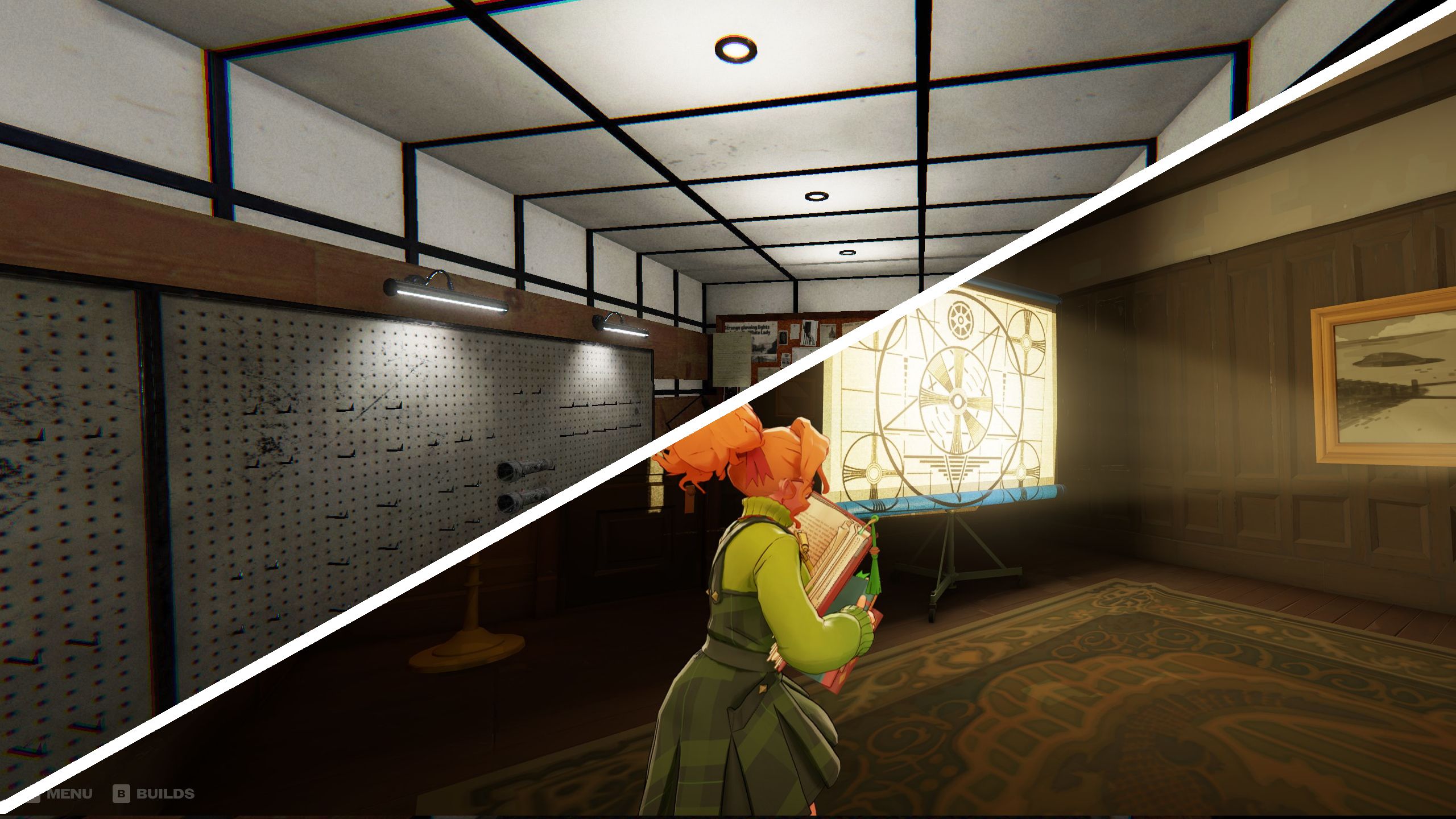
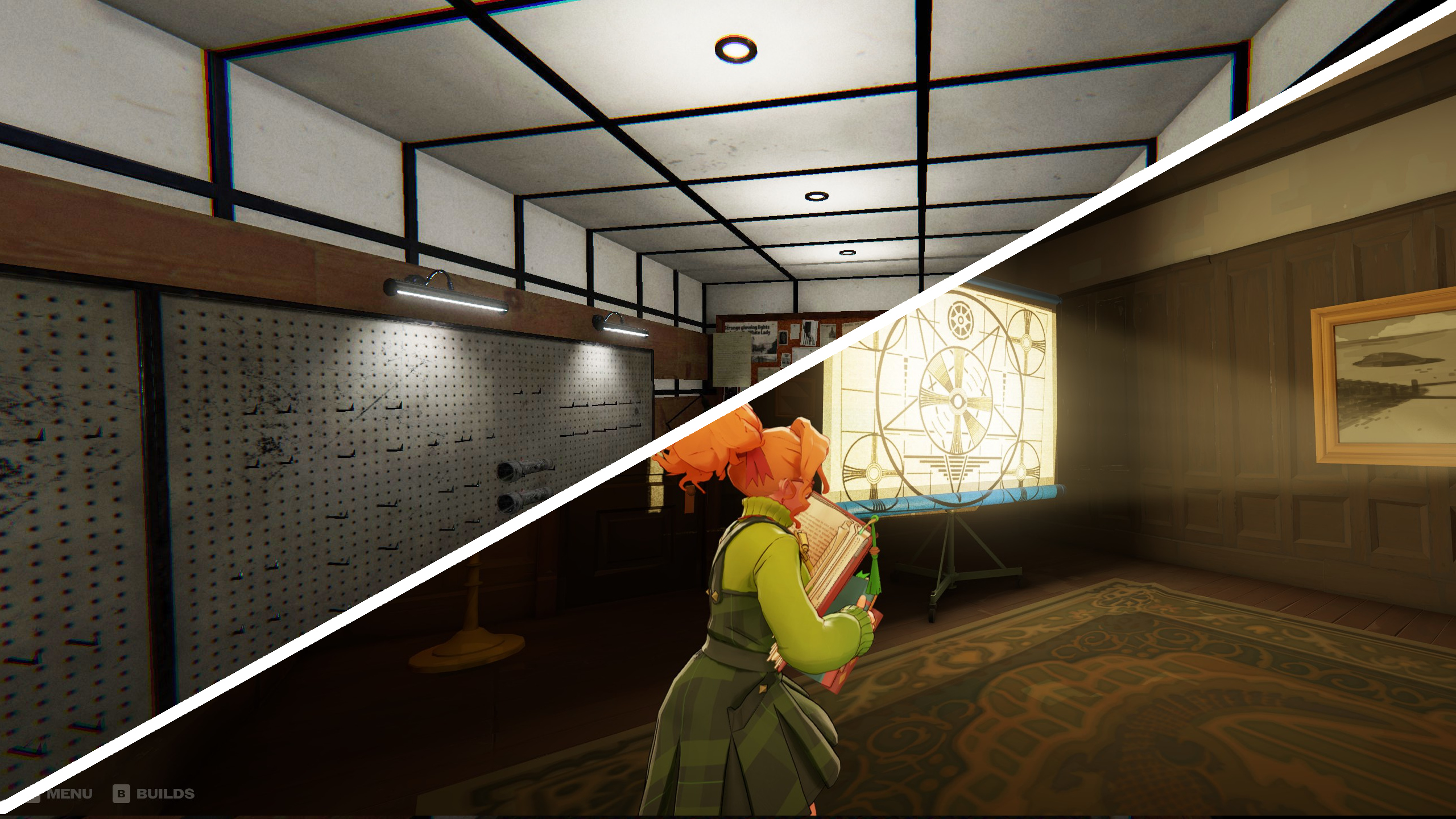
Today, we are in an era of "hybrid" design. Games like Valve’s Deadlock use bloom selectively to highlight functional elements, such as projection screens or energy weapons, rather than applying it globally. Meanwhile, horror titles like Phasmophobia utilize film grain to evoke a sense of dread, mimicking the static of vintage night-vision cameras.
Examining the Contenders: A Technical Breakdown
To understand the intensity of these debates, we must look at how these effects function under the hood and why they trigger such visceral reactions from players.
Bloom: The Double-Edged Sword of Lighting
Bloom works by taking the brightest areas of an image and blurring them outward, mimicking the way a real-world camera lens reacts to high-intensity light sources. When implemented well, it provides a sense of scale and power to light. However, when overused, it creates a "halo" effect that obscures geometry, making it difficult to distinguish enemies from the environment. In competitive titles, this is a distinct disadvantage, leading many to seek out configuration files to disable it entirely.
Film Grain: Texture vs. Noise
Film grain is perhaps the most divisive of all post-processing effects. It involves overlaying a layer of static noise across the entire screen. Supporters argue that it provides a "grounded" texture to sterile 3D environments, preventing the "plastic" look that can plague high-fidelity graphics. Critics, however, argue that it is indistinguishable from screen noise or artifacting, particularly on lower-quality monitors, and that it serves no purpose other than to mask low-resolution textures.
Motion Blur: The Frame-Rate Bridge
Motion blur comes in two primary forms: per-object blur and camera-based blur. Per-object blur can add a sense of weight to character movements, while camera blur attempts to simulate the smear one would see when turning their head quickly. The controversy here is rooted in performance. At 30 or 60 frames per second, motion blur can make a game feel smoother. At 144Hz or higher, however, it becomes redundant and often nauseating, as the hardware is already rendering enough frames to keep motion looking fluid without artificial assistance.
Supporting Data: Why Players Demand Options
The "Pro-Option" camp—those who advocate for deep, granular graphics menus—points to a simple truth: accessibility and preference. A game that looks cinematic on a 65-inch OLED television in a dark living room may be unplayable on a 24-inch TN panel at a desk.
Data from community forums and player surveys consistently show that the most popular mods for major PC releases are "No Bloom" or "Remove Motion Blur" patches. This serves as a tacit indictment of the "one-size-fits-all" approach to visual design. When a developer locks these settings, they are effectively imposing a singular artistic vision, which often clashes with the reality of the player’s hardware.
Official Responses and Developer Philosophy
Interviews with developers at major studios suggest that the inclusion of these effects is rarely malicious. Most artists view these settings as "the final coat of paint" on a digital masterpiece. When a team spends years perfecting a lighting engine, they often feel that disabling bloom or color grading is akin to watching a movie in black and white when it was shot in color.
"We design our games to be experienced in a specific way," one lead graphics programmer recently noted in a roundtable discussion. "While we understand the desire for customization, some of these effects are baked into the way we calculate light and shadow. Removing them can sometimes reveal seams or technical shortcuts that the post-processing was specifically designed to hide."
Despite this, there is an industry-wide trend toward providing more transparency. Modern engines like Unreal Engine 5 provide developers with more efficient ways to handle lighting, reducing the need for aggressive post-processing crutches. Furthermore, the push for "accessibility" in gaming has extended to visuals, with more developers acknowledging that motion blur, in particular, can cause physical discomfort and motion sickness for a significant portion of the player base.
Implications for the Future of Graphics
As we move toward a future defined by path tracing and real-time ray-traced global illumination, the role of post-processing will likely evolve. If light can be calculated physically accurately, the need for "fake" bloom or color grading may diminish.
However, the debate will likely continue as long as developers strive for a specific "look." The real implication for the industry is the necessity of choice. The "Gold Standard" for PC gaming is no longer just about the quality of the textures or the complexity of the geometry; it is about the degree of control the user has over the final output.
The Final Reckoning
As we move forward with our tournament, we invite you to consider your own preferences. Is there a place for film grain in the modern era, or is it a relic of a time when we needed to hide poor texture resolution? Does motion blur provide a necessary cinematic layer, or is it the ultimate enemy of competitive clarity?
Get your votes in. Whether you believe these effects are artistic flourishes or "the hellspawn of Satan’s graphics division," your voice contributes to the ongoing evolution of how we experience virtual worlds. The settings menu is not just a collection of toggles; it is a manifestation of the relationship between the creator and the player. Let the debate begin.

