

The landscape of extended reality (XR) and augmented reality (AR) has long been defined by a fundamental trade-off: the struggle between raw computational power and the physical constraints of form factor. For years, users have been forced to choose between heavy, tethered headsets capable of high-fidelity immersion or lightweight, underpowered smart glasses that lack the "wow" factor required for true daily utility.
However, with the unveiling of the Snapdragon Reality Elite system-on-chip (SoC), Qualcomm is aiming to dissolve these barriers. Positioned as a quantum leap over its predecessor, the XR2 Gen 2, this new silicon architecture promises to usher in a new era of "spatial computing" characterized by sleeker designs, cooler thermals, and AI-driven experiences that were previously confined to high-end desktop-tethered setups.
Main Facts: A New Paradigm for XR Silicon
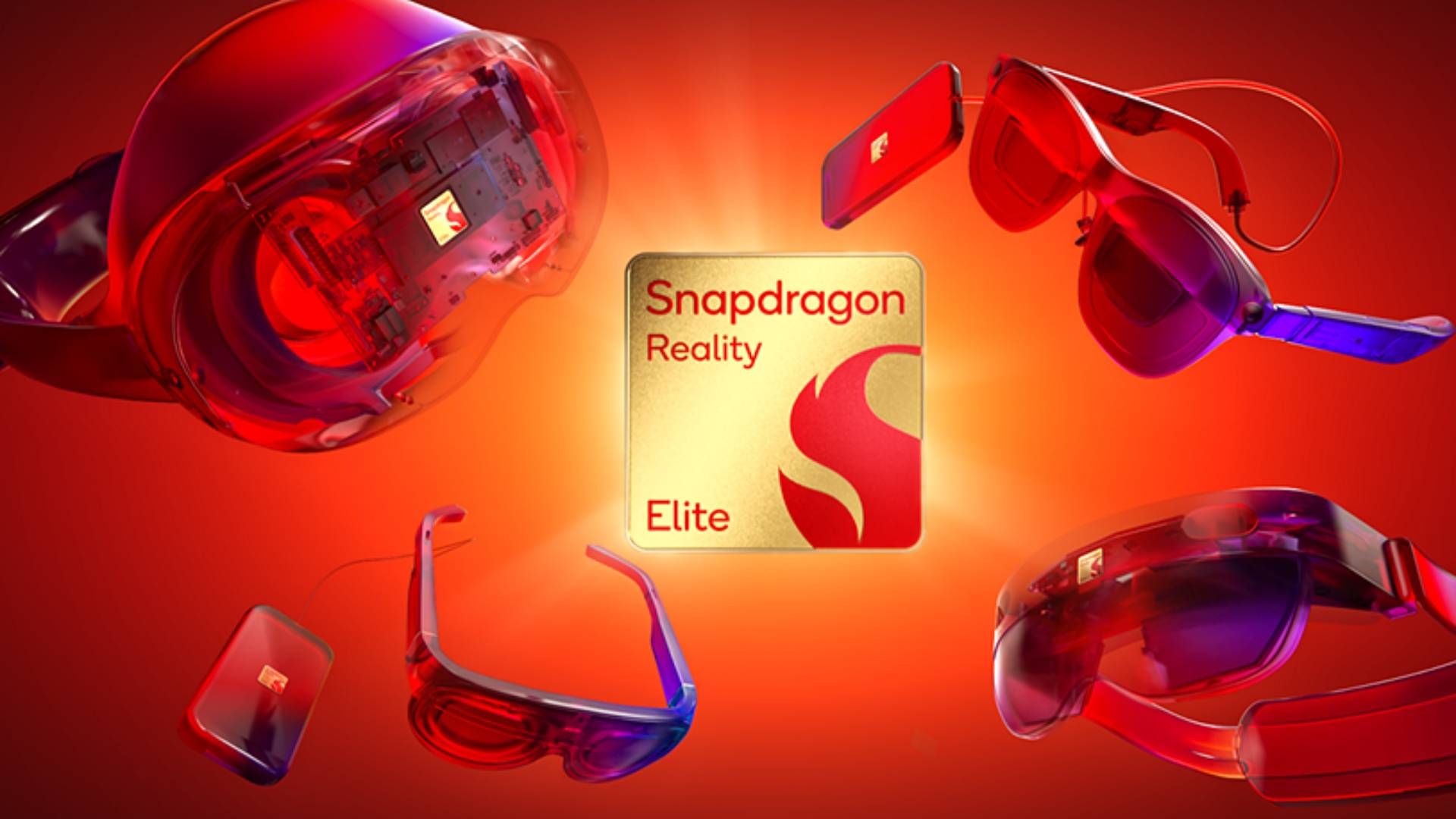
Qualcomm’s Snapdragon Reality Elite is not merely an incremental speed bump; it is a fundamental architectural reimagining of what an XR-dedicated processor should be. The chip is engineered to address the three "pillars of pain" that have plagued the industry: power inefficiency, thermal throttling, and lack of onboard artificial intelligence.
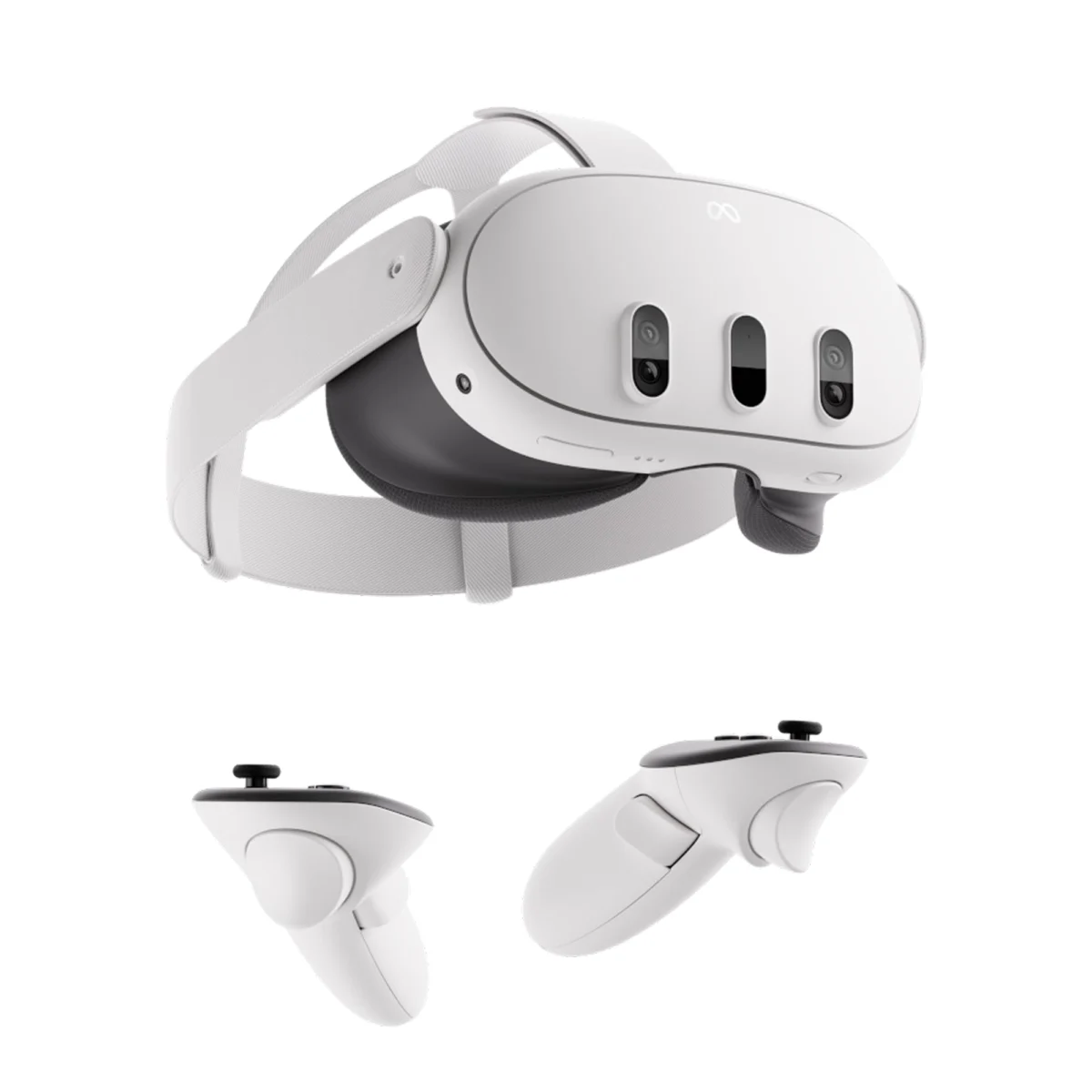
The most striking headline figures involve the massive performance gains over the XR2 Gen 2 chip, which currently powers market leaders like the Meta Quest 3. Qualcomm reports:
- 60% increase in GPU performance, enabling more complex shaders and higher-fidelity lighting.
- 30% increase in CPU throughput, ensuring that multitasking and background processes—such as environment tracking—never stutter.
- 160% increase in NPU (Neural Processing Unit) performance, facilitating advanced machine learning directly on the device.
These specifications are not just for vanity; they translate to tangible outcomes. A headset equipped with Reality Elite can theoretically support resolutions up to 4.4K per eye at a smooth 90 frames per second. For the end-user, this means the "screen-door effect"—a persistent hurdle in early VR—is effectively eliminated, bringing digital objects into the physical realm with a clarity that finally nears human-eye resolution.
Chronology: The Evolution of Qualcomm’s Spatial Ambitions
To understand the significance of the Reality Elite, one must look at the rapid maturation of Qualcomm’s XR roadmap over the last several years:
- The Early Foundation (2020–2022): Qualcomm established early dominance with the XR2 Gen 1, which allowed standalone VR to become a mainstream reality. Devices like the Quest 2 thrived on this architecture, proving that consumers preferred the freedom of untethered play over the technical superiority of PC-tethered headsets.
- The Gen 2 Breakthrough (2023–2025): The introduction of the XR2 Gen 2 brought about the era of "Mixed Reality" (MR). With high-fidelity color pass-through cameras, headsets like the Meta Quest 3 proved that users could interact with their physical environment while wearing a headset. However, these devices were still physically bulky and prone to thermal heat soak during extended sessions.
- The AI Integration Phase (Mid-2026): Qualcomm officially pivots to "Spatial Computing" with the announcement of the Reality Elite. By integrating dedicated LVM (Large Vision Model) support and massive NPU headroom, Qualcomm is shifting from a hardware-provider role to an AI-platform-provider role. The debut of this chip in the upcoming Xreal Project Aura signals a departure from "gadgetry" toward professional-grade wearable tech.
Supporting Data: By the Numbers
The technical prowess of the Reality Elite is best understood through its ability to manage heat and battery longevity—the two factors that currently prevent XR devices from being worn as daily eyewear.
Thermal and Power Efficiency
Qualcomm’s internal testing suggests that the Reality Elite runs up to 12 degrees Celsius cooler than its predecessor under equivalent workloads. This is a staggering achievement in thermodynamics. In the context of wearable technology, a cooler chip means that manufacturers can reduce the amount of heat-dissipating material (heat sinks, fans, or thick casing), directly enabling thinner, lighter frames.
Coupled with a 20% improvement in battery efficiency, the Reality Elite promises to extend the "session life" of XR wearables. For the average user, this means the difference between a 90-minute gaming session and a two-hour work session, which, in the realm of AR productivity, is a critical threshold.
AI and TOPS (Trillions of Operations Per Second)
The "48 TOPS" figure represents the raw muscle available for on-device AI. This isn’t just about faster voice commands. This level of performance allows for:
- Gaussian Splatting: A rendering technique that turns 2D photos into high-fidelity 3D scenes in real-time.
- LVM-Driven Object Recognition: The headset can "see" a coffee mug on your desk and understand its properties, allowing for interactive, AI-driven digital overlays that persist in physical space.
- Real-Time Avatars: Photorealistic digital presence in meetings that tracks micro-expressions without needing to offload data to the cloud.
Official Responses and Industry Context
The industry reception has been one of cautious optimism. While Qualcomm has set the bar high, the burden of execution now shifts to hardware partners.
Qualcomm’s spokesperson noted during the unveiling that the goal was "not just to make headsets more powerful, but to make them invisible." This sentiment aligns with the recent struggles of competitors like Snap, whose latest Spectacles have been criticized for their "chunky" aesthetic. Qualcomm is implicitly positioning the Reality Elite as the solution to such design compromises.
Meanwhile, industry analysts suggest that while the Reality Elite is a triumph of engineering, it also creates a significant "performance gap" between upcoming hardware and current market standards. Devices like the Valve Steam Frame, while capable, may soon find themselves looking like legacy hardware as the ecosystem shifts toward the 4.4K-per-eye performance targets enabled by the new chip.
Implications for the Future of Tech
What does this mean for the average consumer?
1. The End of the "Bulky Headset" Era:
If the thermal efficiency claims hold true, we are likely to see a new wave of "Pro-sumer" AR glasses that look nearly identical to standard designer frames. The bulky, front-heavy headsets of the early 2020s may soon be relegated to the same historical footnote as the "brick" mobile phones of the 1980s.
2. Immersive Productivity:
With 4.4K resolution and low-latency video pass-through, the "virtual monitor" use case becomes truly viable. Professionals will be able to replace multiple physical 4K monitors with a single, lightweight pair of glasses that provides an infinite, high-fidelity canvas for work.
3. The Rise of the Intelligent Assistant:
The most profound implication is the shift in how we interact with our environment. The Reality Elite enables an AI that is "always on" and "contextually aware." It won’t just be an assistant in your ear; it will be an assistant that understands the physical geometry of your room, the people you are talking to, and the objects you are interacting with.
Conclusion
Qualcomm’s Snapdragon Reality Elite is a clear signal that the experimental phase of spatial computing is concluding. By balancing the demands of high-performance rendering with the physical limitations of wearable hardware, Qualcomm has provided the blueprint for the next decade of XR.
While skepticism remains—particularly regarding battery capacity and the software ecosystem—the hardware foundation is now laid. As Xreal’s Project Aura and future headsets begin to hit the market in late 2026 and beyond, we may finally see the "techie wearables" promised for years move from the drawer of early adopters to the pockets (and faces) of the mainstream public. The future of spatial computing is not just faster; it is cooler, thinner, and significantly smarter.

