

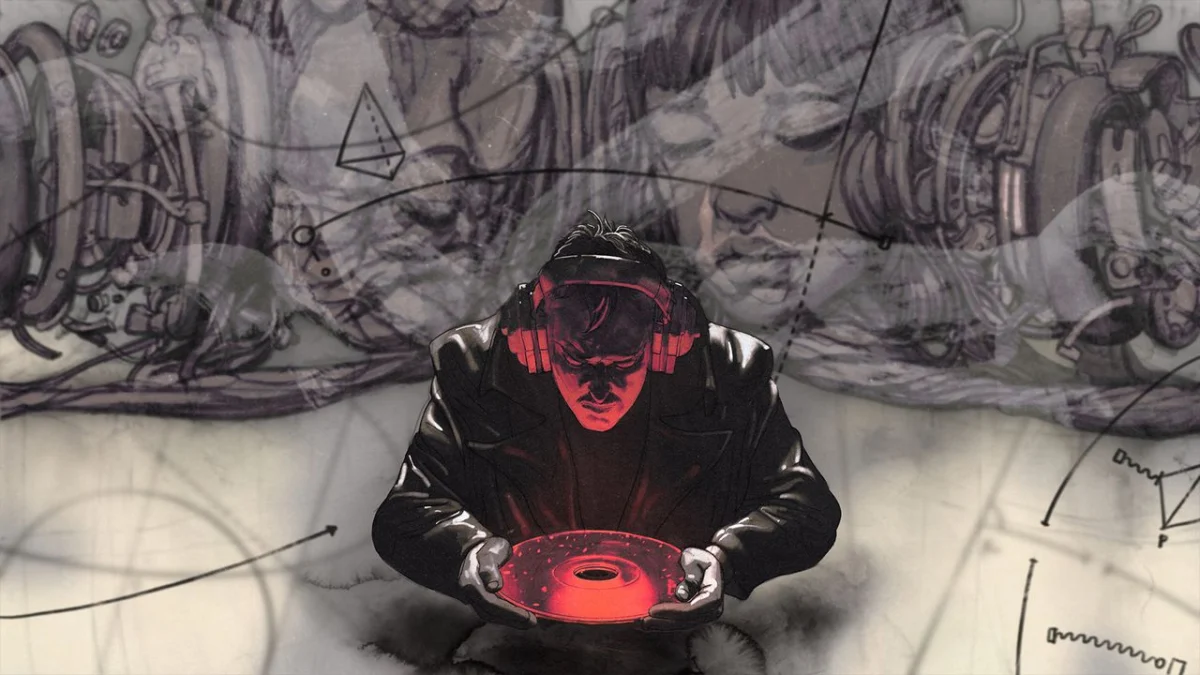
The video game industry, particularly the niche of narrative-heavy role-playing games, was once redefined by the meteoric rise of ZA/UM. Following the 2019 release of Disco Elysium, the Estonian-based studio was hailed as a vanguard of literary depth and artistic subversion. However, that reputation has been systematically eroded by years of internal litigation, executive upheaval, and project cancellations.
In the latest chapter of this protracted decline, ZA/UM has officially announced a new wave of layoffs, impacting approximately 32 employees. This decision follows the disappointing commercial performance of the studio’s latest title, Zero Parades: For Dead Spies. While the game received respectable critical marks, it failed to generate the revenue necessary to sustain the studio’s current infrastructure, marking a grim milestone for a developer that was once the envy of the indie world.
The Immediate Crisis: Layoffs and Commercial Failure
On July 17, ZA/UM leadership issued a somber announcement confirming that "redundancy or at-risk notices" had been served to dozens of staff members across all departments. The move is a direct consequence of Zero Parades: For Dead Spies failing to meet the financial expectations required to maintain the studio’s headcount.
"Their work has made a lasting difference and left its mark on ZERO PARADES," the studio stated, acknowledging the talent of those being let go. Despite the studio’s pride in the game’s "critical acclaim"—evidenced by reviews that praised its "old charm" and more accessible RPG mechanics—the market response was insufficient.
Industry analysts suggest that the "commercial performance" cited by ZA/UM is a reflection of a fractured brand. Zero Parades was the first major release from the studio following the high-profile departure of the creative architects behind Disco Elysium. For many fans, the ZA/UM name no longer carries the weight it once did, leading to a "loyalty deficit" that directly impacted the new game’s sales trajectory.
A Chronology of Turbulence: The Rise and Fall of ZA/UM
To understand the weight of these layoffs, one must look back at the chaotic timeline that transformed ZA/UM from a revolutionary collective into a traditional, and increasingly embattled, corporate entity.
2019–2021: The Golden Age
The launch of Disco Elysium in 2019 was a seismic event. It swept the Game Awards and established lead writer Robert Kurvitz, art director Aleksander Rostov, and writer Helen Hindpere as icons of modern game design. In 2021, the release of The Final Cut seemed to solidify ZA/UM’s future as a powerhouse of narrative innovation.
2022: The Great Schism
The studio’s trajectory shifted violently in late 2022. It was revealed that Kurvitz, Rostov, and Hindpere had been forced out of the company. What followed was a public and bitter legal battle. The creators accused the studio’s current leadership—specifically CEO Ilmar Kompus—of a "hostile takeover" funded by fraudulent means. Allegations surfaced that Kompus used company funds to buy a majority stake in the studio, effectively using the studio’s own money to seize control from the creators.
2023: Litigation and Cancellations
The year 2023 was defined by lawsuits and the dismantling of the studio’s creative pipeline. ZA/UM cancelled "Project P1," which was widely believed to be the direct sequel to Disco Elysium. Other projects, including an expansion and a new sci-fi IP, were also shelved. During this time, the studio’s atmosphere was described by former employees as "toxic," characterized by a "downward spiral" of finger-pointing and executive mismanagement.
2024: The Final Unravelling
Earlier in 2024, ZA/UM underwent its first major round of mass layoffs as part of a "restructuring" effort. Many of the remaining veterans from the Disco Elysium era departed during this period. The release of Zero Parades: For Dead Spies was intended to be a fresh start—a proof of concept that the studio could succeed without its founding voices. Instead, its commercial failure has led to the current redundancy notices, leaving the studio a shadow of its former self.
Supporting Data: Why ‘Zero Parades’ Could Not Save the Studio
The failure of Zero Parades: For Dead Spies is particularly telling when analyzed alongside the current state of the RPG market. While Disco Elysium was a lightning-in-a-bottle success that benefitted from immense word-of-mouth and a unique "anti-establishment" aesthetic, Zero Parades faced an uphill battle.
- Critical vs. Commercial Gap: The game earned a respectable 3.5 out of 5 stars from several major outlets. Critics noted that while it was "easier" and "more fun" in some respects than its predecessor, it lacked the philosophical density that made Disco Elysium a cultural phenomenon. In a crowded market, "good" is often not enough to sustain a studio with the overhead of ZA/UM.
- The "Ghost Studio" Perception: Data from social media sentiment analysis (such as reactions on Bluesky and Reddit) indicates a significant portion of the core audience boycotted the game. The prevailing narrative—"talented workers, evil ownership"—created a marketing vacuum that no amount of PR could fill.
- The Scale of the Layoffs: Impacting 32 employees in a studio that had already been trimmed down earlier in the year suggests a reduction of roughly 25-35% of the remaining workforce. This level of attrition usually indicates a shift from "growth mode" to "survival mode."
Official Responses and the Role of the Workers’ Alliance
In its official statement regarding the layoffs, ZA/UM attempted to strike a defiant tone. The studio emphasized that it is working closely with the ZA/UM Workers’ Alliance, a representative body for the employees, to ensure the redundancy process follows legal and ethical guidelines.
"Our artistic standards remain unchanged: we will persist," the studio concluded. The leadership maintains that the layoffs "twist the shape of ZA/UM, but not its purpose."
However, the Workers’ Alliance has previously been vocal about the "mismanagement" that led to the cancellation of earlier projects. While the official line is one of cooperation, the reality on the ground appears to be one of deep-seated exhaustion. The studio’s claim that its "artistic standards remain unchanged" has been met with skepticism by former leads, who argue that the very soul of the studio was exported when the original creative team was ousted.
Implications for the Genre and the "Disco" Diaspora
The decline of ZA/UM has broader implications for the video game industry, specifically regarding intellectual property (IP) and the "auteur" vs. "corporate" struggle.
The Rise of Spiritual Successors
As ZA/UM shrinks, the talent that once made it great has splintered into several new independent studios, each vying to claim the mantle of the "true" successor to Disco Elysium:
- Longdue: Comprised of veterans from ZA/UM, Bungie, and Rockstar, this studio is working on a narrative RPG that aims to continue the legacy of complex world-building.
- Summer Eternal: Founded by former ZA/UM writers, this "cultural project" aims to bypass traditional corporate structures entirely.
- Dark Math: Another splinter group focusing on "hardcore" RPG mechanics.
This "diaspora" means that while ZA/UM the company may be failing, the "Disco-like" genre is expanding. The talent is no longer concentrated in one building in Tallinn or London; it is now spread across the indie ecosystem.
The Death of a Brand
ZA/UM’s current situation serves as a cautionary tale for the industry. It demonstrates that in the world of prestige indie gaming, the brand is often inextricably linked to the people who created it. When a studio loses its "auteurs" under acrimonious circumstances, the audience often follows the creators, not the trademark.
For the 32 employees facing redundancy, the future is uncertain. For ZA/UM, the path forward is even more precarious. With Zero Parades failing to provide a financial cushion and the studio’s reputation in tatters, the "persistence" they promise may be a long, quiet fade into obscurity. The "ineffable melancholy" depicted in their own game’s artwork has become an ironic reality for the studio itself.

