

By PC Gamer Staff
Updated and Expanded Analysis
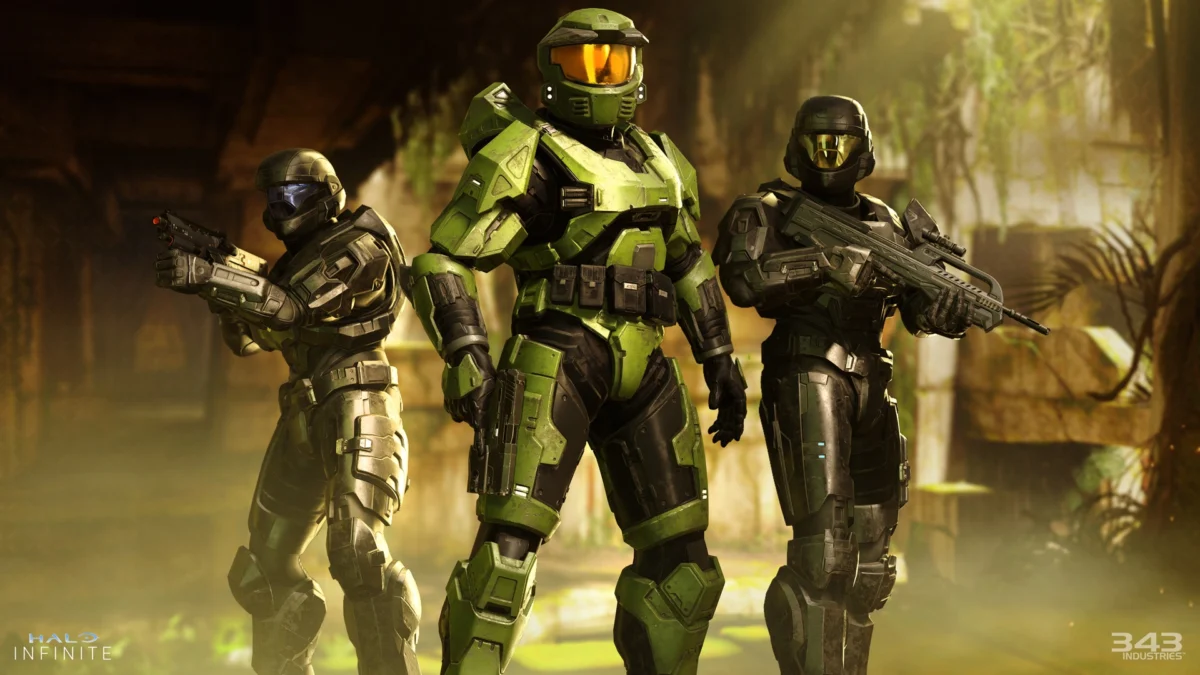
In a seismic shift that has sent shockwaves through the video game industry, Microsoft has drastically restructured Halo Studios, reducing the once-proud developer to a skeleton crew while handing the keys to one of gaming’s most storied franchises over to Activision.
The move marks the end of an era for the studio formerly known as 343 Industries and raises urgent questions about the future of Master Chief, Microsoft’s console-selling mascot. According to new insider reports from veteran tech journalists and trusted community sleuths, the reorganization was not a sudden accident, but the culmination of years of organizational sluggishness, creative missteps, and internal friction.
Main Facts: The Anatomy of a Corporate Takeover
The landscape of Xbox’s premier franchise has fundamentally transformed overnight. The primary details of Microsoft’s sweeping maneuver include:
- The Reduction of Halo Studios: The original development house has been gutted to a mere skeleton crew, reportedly retaining only around 30 personnel.
- Shift in Responsibilities: This remaining core team will not be developing major new entries. Instead, their mandate is restricted to maintaining and servicing legacy titles, specifically Halo Infinite and Campaign Evolved.
- Activision Steps In: In a move that highlights Microsoft’s post-acquisition leverage of its massive corporate umbrella, Activision is actively building a brand-new studio dedicated entirely to the future of the Halo franchise.
- The Informational Pipeline: These revelations came to light via detailed reports from The Verge’s longtime Microsoft beat writer Tom Warren, alongside industry insider and YouTuber Rebs Gaming, whose network of sources within the Xbox ecosystem has repeatedly proven accurate.
Chronology: How Halo Got Here
To understand how Microsoft reached a point where it had to essentially strip-mine its flagship developer, one must look back at the rocky trajectory of the franchise over the past decade.

The Bungie Exit and the Birth of 343 (2007–2012)
When original developer Bungie split from Microsoft to become an independent studio, Xbox leadership faced an existential crisis. Halo was the cornerstone of the Xbox brand. To protect its investment, Microsoft formed an internal studio—initially called 343 Industries—to steward the universe. Their first major test was Halo 4 (2012), which received generally favorable reviews but began a slow wedge in community sentiment regarding narrative direction and multiplayer mechanics.
The Struggles of the Modern Era (2015–2021)
Subsequent releases highlighted deep-seated production hurdles. Halo 5: Guardians drew heavy criticism for its campaign narrative and the sidelining of series protagonist Master Chief. This led to an agonizingly long development cycle for its successor, Halo Infinite. Plagued by engine overhauls, high contractor turnover, management shakeups, and a disastrous gameplay reveal in 2020 that forced a year-long delay, Infinite launched in late 2021 to a fractured audience. While its core gunplay was universally praised, a catastrophic lack of post-launch content updates and severe live-service fumbles squandered its massive initial player base.
The Rebranding and the Ultimate Pull (2023–2025)
In an effort to turn the page, 343 Industries rebranded to "Halo Studios" and signaled a shift toward Epic Games’ Unreal Engine 5, abandoning their proprietary Slipspace Engine. Yet, behind the scenes, insiders indicate that the studio remained weighed down by institutional inertia. Rumors of a flurry of upcoming remakes swirled, but execution lagged. Ultimately, Microsoft’s leadership—looking at the sprawling resources brought on by the Activision Blizzard acquisition—decided drastic intervention was necessary. The plug was pulled on Halo Studios’ autonomy, leading to the current division of labor.
Supporting Data: The State of the Franchise
While Halo Infinite ultimately earned a reputation as a modern redemption story, the road to recovery was paved with severe data and operational roadblocks.
- Player Retention Issues: Following its free-to-play multiplayer launch in November 2021, Halo Infinite shed over 95% of its concurrent Steam players within six months due to a barren content roadmap and persistent netcode issues.
- The Season 5 Renaissance: Data showed a brief, glowing resurgence in late 2023 when Halo Infinite rolled out its Season 5 update. Operational changes, map drops, and community-requested features proved that the talent at the studio was capable of greatness, widely earning it the title of the best-playing Halo game since the original Bungie era.
- The Studio Footprint: Dropping from a massive organization numbering in the hundreds down to a lean 30-person legacy-support team demonstrates a historic contraction for a studio once tasked solely with safeguarding Microsoft’s most valuable intellectual property.
Official Responses and Industry Reactions
Microsoft has framed the reorganization under the broader umbrella of cross-studio collaboration and optimization within its sprawling Xbox Game Studios division. However, official corporate statements have remained tight-lipped regarding the specific creative vision Activision’s new studio will pursue.

Industry analysts have expressed mixed reactions. On one hand, Activision’s massive infrastructure, prolific support studios (such as those that successfully manage the Call of Duty machine), could inject a much-needed operational rigor into Halo. On the other hand, purists worry about the cultural implications of handing Microsoft’s crown jewel to the minds behind Call of Duty and Overwatch.
Independent developers and former studio contractors have taken to social media to voice a bittersweet consensus: while the creative minds at Halo Studios poured immense passion into the franchise, the structural inefficiencies made systemic progress nearly impossible.
Implications: What This Means for Halo 7 and Beyond
The immediate casualty of this reorganization is the dream of seeing the current Halo Studios team tackle a definitive, clean-slate sequel like Halo 7. For all of Infinite’s early stumbles, the team had finally hit a stride late in its life cycle, proving they could outshine even Bungie’s legacy in terms of pure mechanical fluidity and sandbox design.
Now, that institutional knowledge is largely being cast aside or dispersed.
- Uncertainty for Remakes: Initial reports suggested multiple legacy remakes—such as a continuation of the Campaign Evolved project—were in various stages of conceptualization. With the primary studio reduced to 30 people, the future of these projects is cloudy at best. Many insiders view this as a blessing in disguise, noting that early conceptual steps for these remakes felt more like steps backward rather than respectful modernizations.
- The Activision Mandate: Activision’s newly formed dedicated studio faces a monumental uphill battle. Rebuilding Halo under a new corporate banner requires bridging a massive cultural gap. Gamers will demand a title that respects the legacy of the original trilogy while modernizing for an industry that has moved past traditional arena shooters.
- The Fate of Master Chief: Ultimately, the greatest implication is psychological for the Xbox community. Halo is Xbox. By outsourcing and downsizing the team that bore its name for over a decade, Microsoft is signaling that no internal franchise is "too big to fail" or too sacred to be entirely restructured.
As Activision’s new studio spins up its operations and Halo Studios transitions into a maintenance crew, the gaming world watches with bated breath. Whether this aggressive corporate surgery breathes new life into a stagnant giant or alienates the faithful remains the billion-dollar question for Microsoft’s gaming division.

