

The history of video games is paved with bold, high-concept titles that challenge the boundaries of reality, but rarely does a project capture the sheer, unadulterated imagination of the gaming community quite like Dinoblade. Developed by Team Spino LLC and published by Boltray Games, this upcoming soulslike action RPG poses a question that is as absurd as it is compelling: What if the Cretaceous period’s most apex predators had access to the master-crafted weaponry of a high-fantasy epic?
Launching on Steam on July 23, Dinoblade is more than just a meme-worthy premise; it is a technical experiment in third-person combat that has already secured a staggering 500,000 wishlists. By blending the punishing mechanics of the soulslike genre with the prehistoric majesty of the dinosaur age, the developers are inviting players to rewrite the history of our planet—one perfectly timed parry at a time.
The Core Premise: Prehistoric Combat Redefined
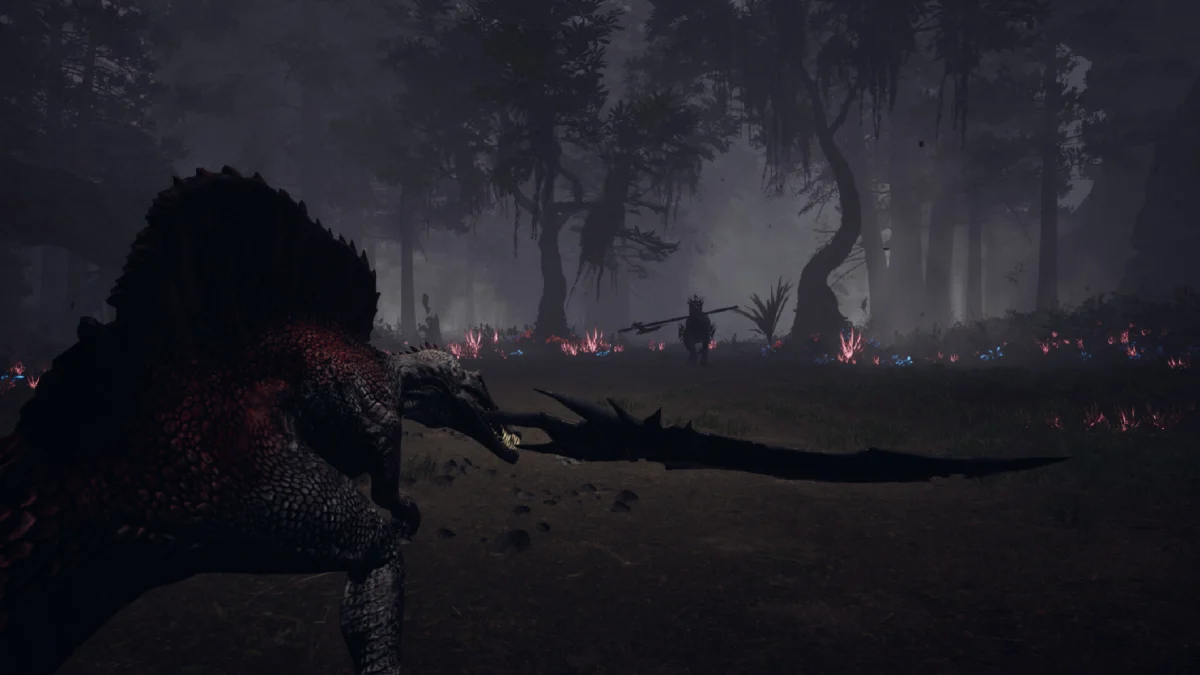
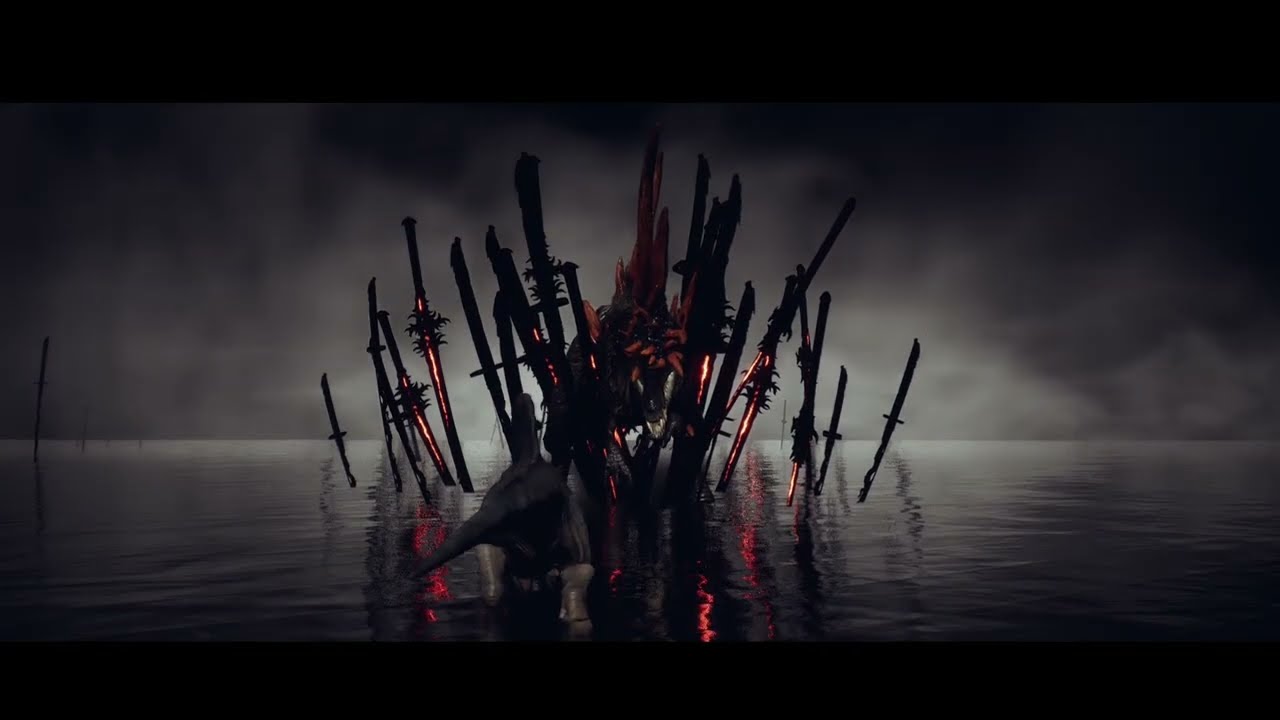
At its heart, Dinoblade places the player in control of a young, agile Spinosaurus. In a world where evolutionary biology has taken a sharp, cinematic turn, these creatures are not merely scavengers or predators; they are warriors. The game’s central hook revolves around the use of "colossal Great Swords" and other heavy weaponry, which the dinosaurs wield with astonishing dexterity, primarily by clamping their jaws around the hilts.
The gameplay loop centers on high-stakes, skill-based combat. Players must master dodge-rolling, heavy attacks, and—perhaps most importantly—the defensive mechanics that have defined the genre for a decade. The developers have promised a deep combat system that forces players to learn the attack patterns of their rivals, which include Tyrannosaurs armed with battleaxes, halberds, and even other, smaller dinosaurs used as improvised blunt-force instruments.
Chronology of Development: From Concept to Viral Phenomenon
The journey of Dinoblade from a niche indie pitch to a Steam darling has been remarkably swift. While the game was shrouded in relative mystery during its early prototyping phase, the marketing strategy shifted into high gear earlier this year.
- Early 2024: Team Spino LLC began teasing snippets of the combat system, showcasing the fluidity of the Spinosaurus rig. The initial clips went viral on social media, proving that the concept of "dinosaurs with swords" held an immediate, visceral appeal.
- May 2024: The studio officially opened the Steam store page. The response was immediate, with the community pushing the game toward the top of the "Most Wishlisted" charts.
- June 2024: A public demo was released, allowing players to experience the combat mechanics firsthand. The demo received critical praise for its surprisingly tight controls and the sheer novelty of its animation work.
- July 2024: With over half a million wishlists under its belt, Team Spino announced the final release date for July 23, solidifying the game’s status as one of the summer’s most anticipated indie launches.
Supporting Data: A Market Shift Toward Niche Soulslikes
The success of Dinoblade is emblematic of a broader trend within the PC gaming market. As the soulslike genre matures, players have grown weary of the standard "dark fantasy knight" aesthetic. Data from the Steam wishlist metrics suggests that audiences are increasingly seeking "mechanical novelty"—games that pair complex, challenging systems with unconventional settings.
With 500,000 wishlists, Dinoblade is punching well above its weight class for an indie title. This level of interest typically signals a "sleeper hit" that has the potential to generate significant revenue upon launch. Furthermore, the game’s presence on YouTube and TikTok—driven by the absurdity of the trailer content—has created a self-sustaining marketing loop that traditional, big-budget AAA games often struggle to replicate.
Official Responses and Developer Vision
In an official statement accompanying the final release trailer, the developers at Team Spino LLC emphasized that the goal was never to create a paleontology simulator. "We wanted to capture the feeling of those childhood daydreams," a spokesperson noted. "Every child has imagined a T-Rex with a weapon, but we wanted to build a world where that vision is treated with the same mechanical respect as a serious action RPG."
The team has been transparent about the technical hurdles of the project. Animating a quadrupedal dinosaur (or a semi-aquatic Spinosaurus) to perform precise parries and swings required a complete overhaul of standard character rigs. The studio has focused heavily on "animation weight"—ensuring that when a massive, sword-wielding creature moves, the player feels the momentum of the beast.
Implications: The Future of "Genre-Bending" Action
The implications of Dinoblade’s success go beyond the game itself. It suggests that the "soulslike" label is becoming less about a specific dark fantasy setting and more about a set of mechanical pillars: stamina management, iframe-based dodging, and challenging boss encounters. By applying these pillars to an environment as visually distinct as the Mesozoic era, Team Spino has successfully carved out a new sub-genre.
Industry analysts are watching Dinoblade closely. If the game succeeds in delivering on its promise of polished combat, it could open the floodgates for a variety of "absurdist soulslikes." We may see a shift in the indie space where developers prioritize high-concept, "what if" scenarios to break through the noise of the crowded Steam marketplace.
The Final Boss: A Metaphor for Extinction
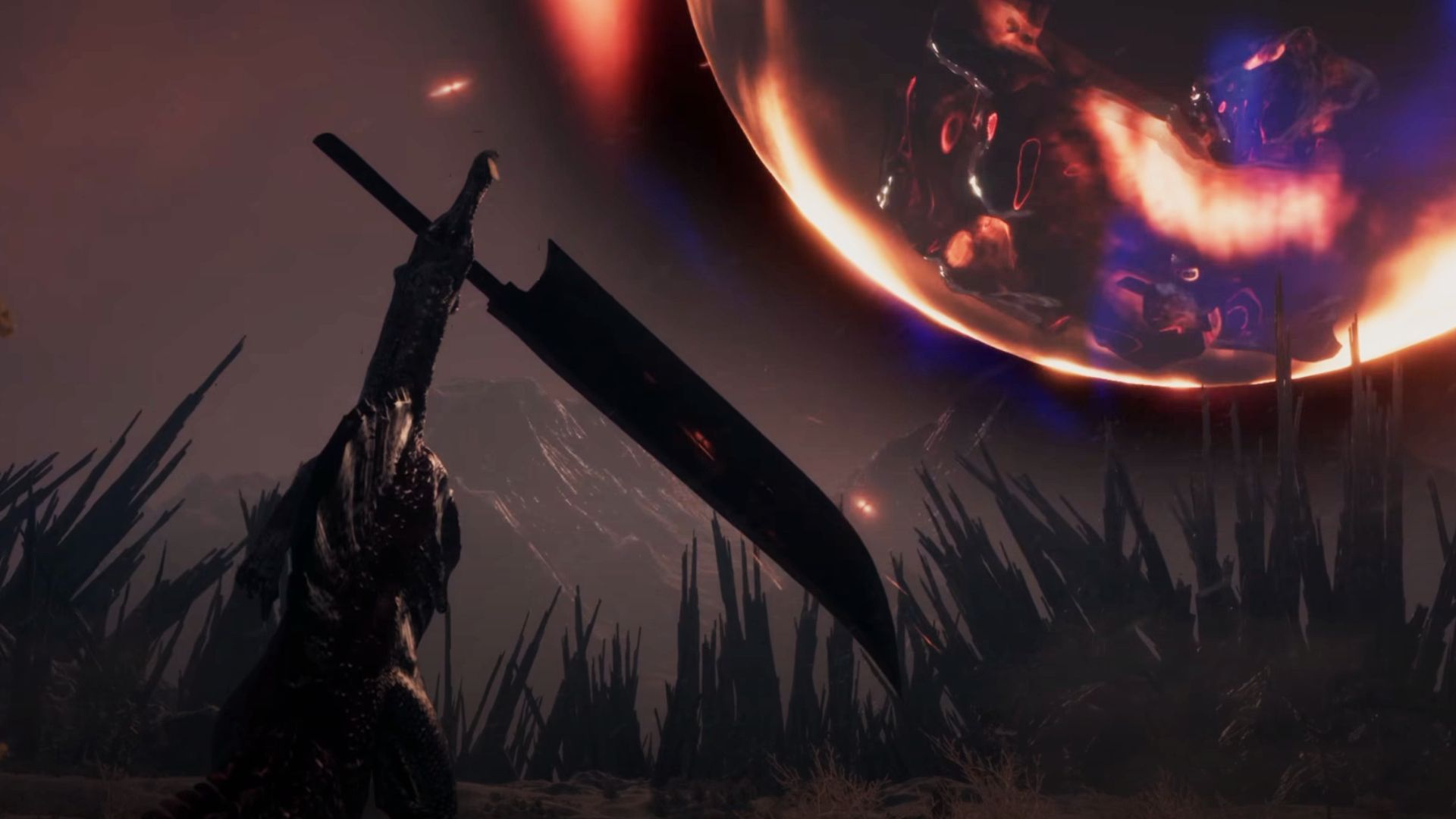
Perhaps the most compelling aspect of Dinoblade is its narrative framework. While the game features typical RPG elements, the overarching goal is a fight against the inevitable: the extinction-level meteor.
By framing the meteor as the ultimate boss encounter, the developers have elevated the game from a simple action title to a tragic, heroic epic. It forces the player to fight against a force that they know, historically, cannot be stopped. This creates a unique "doomed protagonist" dynamic that is rarely seen in action games. It asks the player to test their skills not just against rival predators, but against fate itself.
Conclusion: A Must-Play for the Bold
As we approach the July 23 launch, the excitement surrounding Dinoblade is palpable. Whether it is the humor of a dinosaur holding a claymore or the legitimate promise of a high-skill combat system, the game offers something that few other titles can: a fresh perspective on a well-worn genre.
For those who are still skeptical, the existing demo provides a clear window into the game’s mechanics. It is a rare example of a title that leans into its own absurdity while maintaining the mechanical rigor that genre veterans demand. If you have ever wanted to parry a meteor, or if you simply appreciate the sheer creativity of a team that decided a Spinosaurus with a greatsword was the next logical step in evolution, Dinoblade is an essential addition to your library.
In an industry that often takes itself too seriously, Dinoblade serves as a reminder that games are, first and foremost, a medium for imagination. And sometimes, that imagination involves giving an apex predator a very sharp, very large piece of steel and letting it loose in a world that never stood a chance.

