

In the vast, sprawling catalog of Sega’s Sonic the Hedgehog franchise—a series spanning over three decades, dozens of hardware generations, and a multitude of experimental gameplay shifts—identifying a single "definitive" experience is an exercise in futility for most fans. Yet, for Takashi Iizuka, the long-standing lead producer at Sonic Team and a cornerstone of the series’ development history, the choice is clear. Reflecting on a career defined by high-speed platforming, Iizuka recently identified the 2001 classic Sonic Adventure 2 as the most personally significant project in his tenure.
This revelation, shared in a candid interview with Famitsu, offers a rare glimpse into the internal culture of Sega during one of its most transformative eras. It also serves as a reminder of why Sonic Adventure 2 remains a cultural touchstone, serving as the blueprint for both modern fan-made tributes and the cinematic success of the Sonic the Hedgehog film franchise.
The Genesis of a Cult Classic: A Small Team, A Big Vision
To understand why Iizuka holds Sonic Adventure 2 in such high regard, one must look at the unique production conditions that birthed it. Following the release of the original Sonic Adventure—a massive, multi-faceted project that required the coordination of over 100 developers—Iizuka and his core team made a bold, unconventional move: they relocated to San Francisco to begin development on the sequel.
"Development on Sonic Adventure 2 started with just 11 people," Iizuka revealed.
At first glance, moving from a team of over a hundred to a skeleton crew of eleven in a foreign country sounds like a recipe for development hell. However, Iizuka recalls the experience with profound warmth. The constraints of the small team fostered a level of intimacy and creative synergy that larger, more bureaucratic corporate structures often stifle. In this new, isolated environment, the team was forced to lean on one another—not just professionally, but personally.
This tight-knit dynamic created a "flow state" for the development team. Freed from the overhead of managing a massive workforce, the 11 developers were able to iterate quickly, experiment with bold narrative choices (such as the introduction of Shadow the Hedgehog and the dual-hero/villain narrative paths), and refine the game’s core mechanics with a level of focus that remains evident to this day.
Chronology of Influence: From Dreamcast to Modern Cinema
The trajectory of Sonic Adventure 2 is not merely a story of a successful 2001 launch; it is the story of the game’s enduring DNA within the Sega ecosystem.
The Dreamcast Era (2001)
Sonic Adventure 2 served as the swan song for the Sega Dreamcast, a console that, despite its premature discontinuation, defined an era of Sega’s most creative software output. The game pushed the hardware to its absolute limit, featuring split-screen competitive modes, the complex Chao Garden pet-raising simulation, and a cinematic storytelling style that leaned heavily into anime tropes.
The Expansion of the Canon
The introduction of Shadow the Hedgehog and Rouge the Bat expanded the Sonic mythos from simple "good vs. evil" dynamics to a more nuanced exploration of identity and tragedy. This narrative maturity resonated with players, cementing Sonic Adventure 2 as the most narrative-driven entry in the series for years to come.
Cinematic Adaptation (2024–2025)
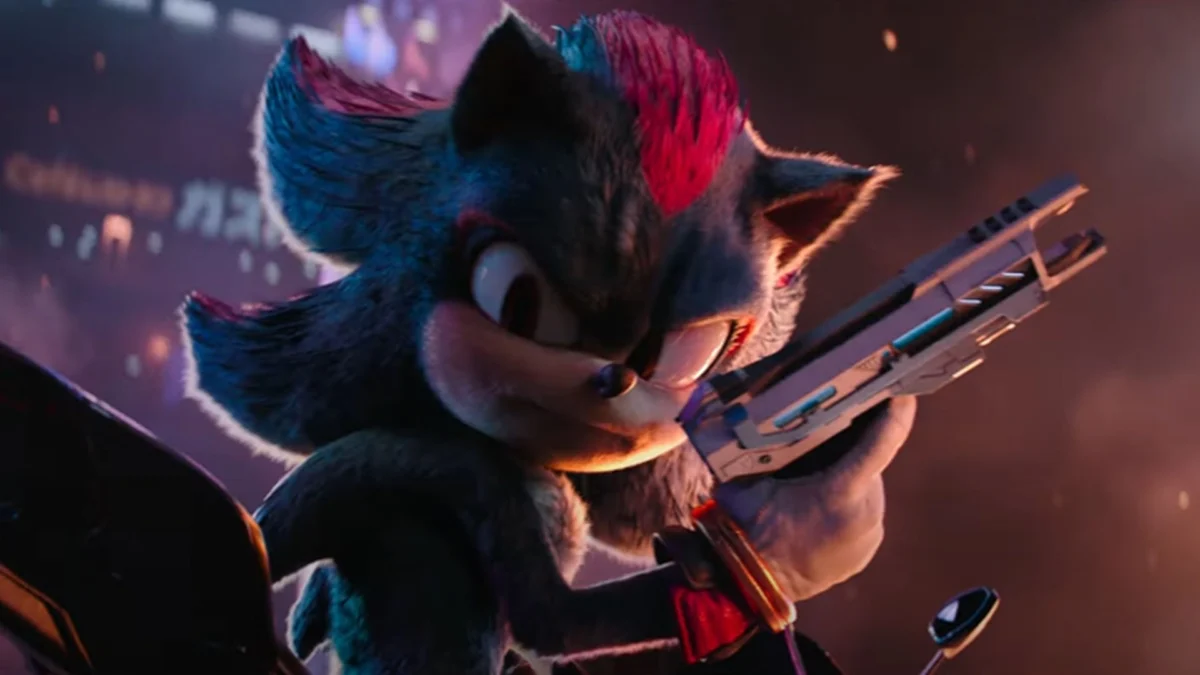
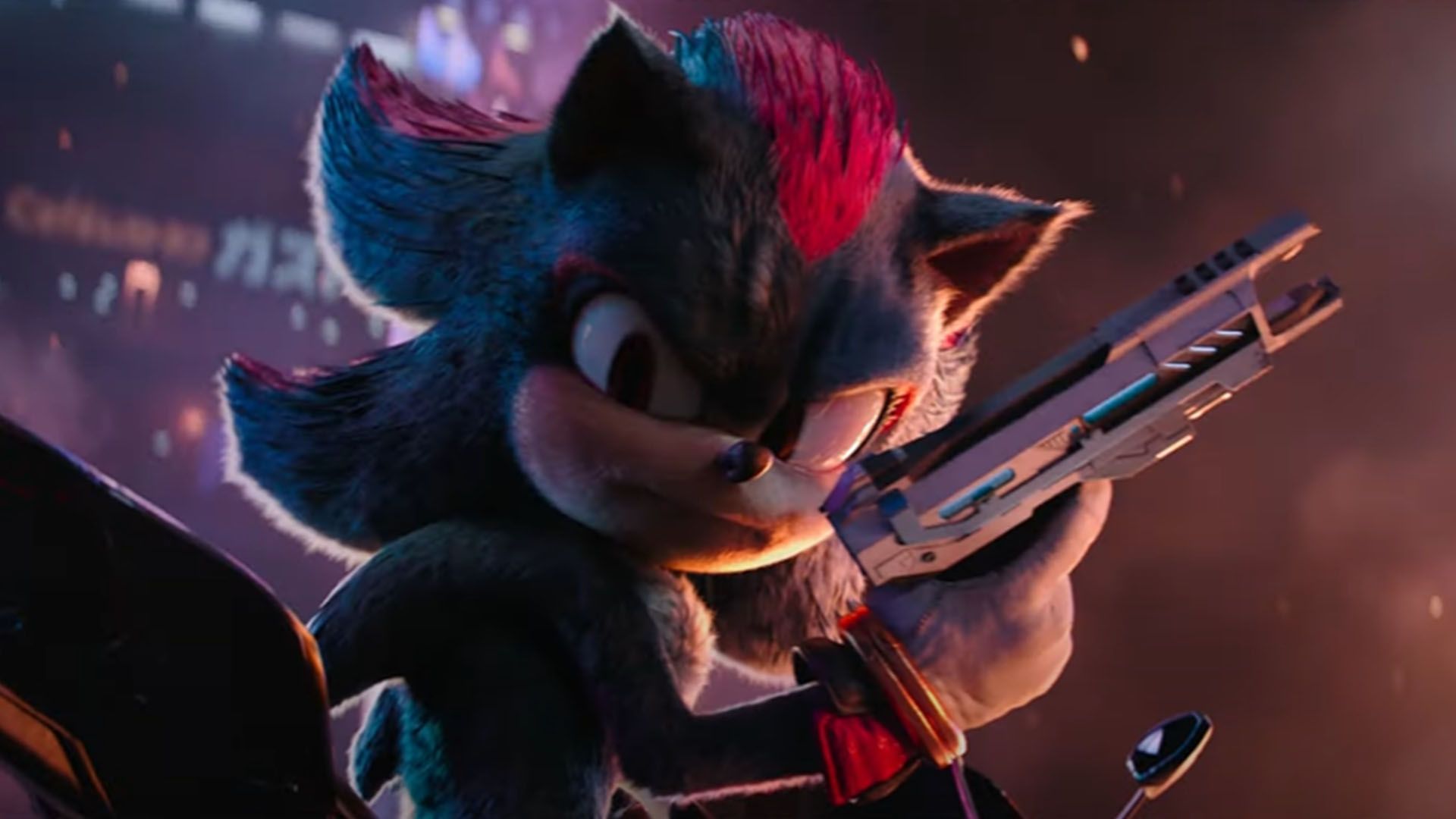
Perhaps the most definitive proof of the game’s lasting power is its role in the Paramount Sonic film series. When the third entry of the film franchise was announced, fans immediately recognized the thematic heavy lifting being done by Sonic Adventure 2. The introduction of Shadow—complete with his iconic dark aesthetic and anti-hero complexity—mirrors the 2001 source material, proving that the game’s core conflict remains the definitive version of the character’s struggle.
Supporting Data: Why It Still Matters
The legacy of Sonic Adventure 2 is not just anecdotal; it is backed by a sustained demand from the gaming community.
- Platform Longevity: Unlike many titles from the early 2000s, Sonic Adventure 2 has enjoyed a sustained digital life. It is currently available on Steam and remains playable on modern Xbox hardware via backward compatibility. Its availability has kept it in the hands of new generations of players, preventing the "abandonware" fate that has befallen other classic 3D platformers.
- Indie Resilience: The game’s influence is so pervasive that it has sparked a sub-genre of "Sonic-like" indie titles. Developers today are still attempting to replicate the specific "physics-based momentum" and "Chao-style" progression systems found in the 2001 classic.
- Critical Consistency: While some mechanics (such as the treasure-hunting stages) have drawn mixed reviews over the decades, the game’s soundtrack, boss encounters, and character introductions are consistently ranked at the top of fan polls and retrospective analyses.
The Economics of Remakes: A Producer’s Dilemma
During his conversation with Famitsu, Iizuka addressed a recurring question from the fanbase: Will we ever see a full-scale, ground-up remake of Sonic Adventure 2?
Iizuka’s response was characteristically pragmatic. While he expressed a genuine, personal desire to "magically remake every Sonic game," he tempered expectations by highlighting the harsh realities of modern game development. A faithful, modern remake of a game as complex as Sonic Adventure 2 would not be a simple "upscaled" port; it would require the same resources, labor, and time as developing a brand-new, original Sonic title.
In the eyes of Sega’s leadership, the opportunity cost of dedicating a team to a remake—rather than creating the next evolution of the series—is a significant hurdle. This highlights the difficult balancing act modern publishers face: how to honor a legacy while ensuring the brand remains forward-facing.
Implications: A Culture of Support and Creativity
The most poignant takeaway from Iizuka’s reflection is his emphasis on the human element. He explicitly credits the game’s high quality to the supportive, free-flowing environment of his small, 11-person team.
In an era where "crunch culture" and massive, bloated development teams have become the industry standard, Iizuka’s anecdote serves as a reminder that excellence in game design is often a byproduct of team morale. When developers feel supported—both in their technical work and their personal lives—the output is inherently more creative and cohesive.
Looking Forward
As Sega continues to navigate the future of the Sonic franchise, the lessons of Sonic Adventure 2 remain vital. Whether it is through the continued success of the film adaptations or the potential for future game remakes, the "Blue Blur" is clearly tethered to the creative risks taken in a small, 11-person office in San Francisco over two decades ago.
For fans, the fact that the head of Sonic Team still looks back on this specific project with such fondness is a validation of their own nostalgia. It confirms that the magic of Sonic Adventure 2 wasn’t just a coincidence of the era; it was the result of a specific, intentional, and heartfelt collaboration that continues to resonate today.
As Iizuka himself noted, he has "fond memories" of all his projects, but in the crowded landscape of platformers, Sonic Adventure 2 stands as the peak—a testament to what can be achieved when a small team is given the freedom to innovate. Whether a formal remake ever arrives or not, the game’s status as a masterpiece is already secure in the history books of the medium.

