

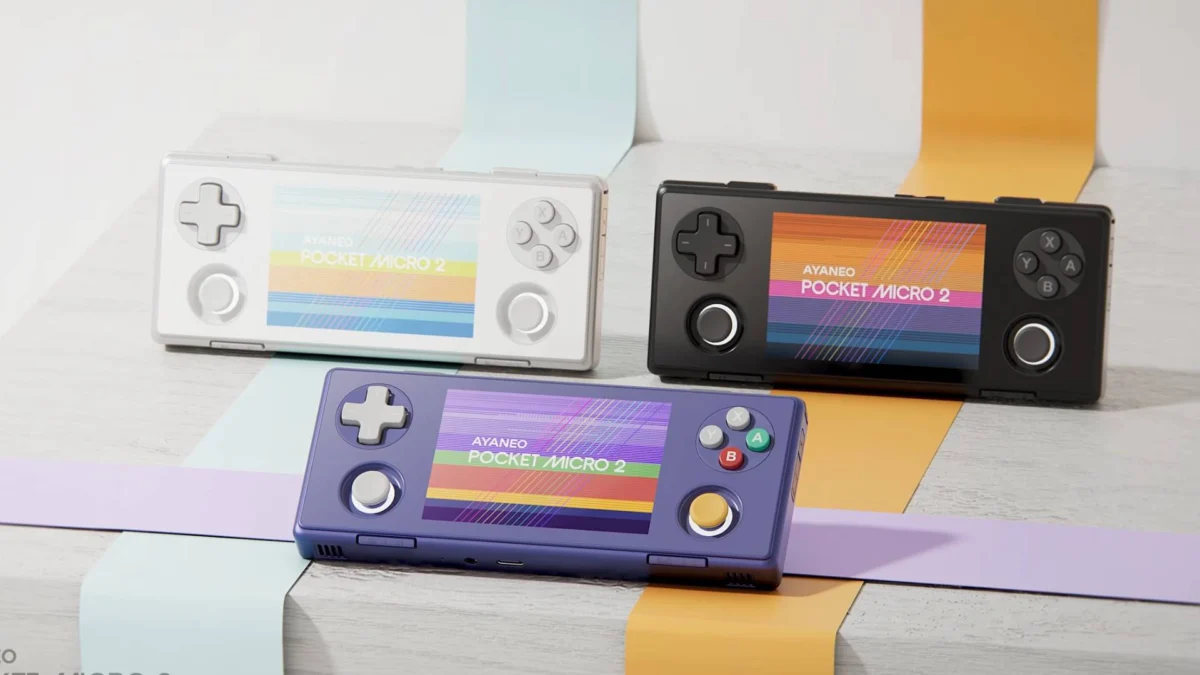
The landscape of retro gaming handhelds is currently experiencing a renaissance, fueled by a community that refuses to let the aesthetics of the early 2000s fade into obscurity. This Friday, during an official live-streamed presentation, Ayaneo pulled back the curtain on its latest offering: the Ayaneo Pocket Micro 2. While many in the community anticipated a radical reimagining of the company’s "candybar" form factor, the reality is a nuanced refinement that prioritizes internal muscle over external revolution.
For enthusiasts, the Pocket Micro 2 is a declaration that high-performance gaming does not necessarily require the bulky, grip-heavy chassis associated with modern PC handhelds like the Steam Deck. Instead, it doubles down on the Game Boy Micro-inspired silhouette, proving that even the smallest devices can pack a significant punch.
Main Facts: A Familiar Face with a New Heart
At a glance, the Ayaneo Pocket Micro 2 is almost indistinguishable from its predecessor. It retains the same 3.5-inch IPS display with a native 960×640 resolution, maintaining the crisp, pixel-perfect clarity that fans of the original appreciated. However, beneath the chassis, the device undergoes a total transformation.
The most critical upgrade is the implementation of a custom Snapdragon 865-class chipset, paired with an Adreno 650 GPU. Ayaneo claims this architecture provides a staggering 220% performance uplift compared to the MediaTek Helio G99 processor found in the original Pocket Micro. This performance jump is significant, as it effectively moves the device from a purely "retro-emulator" tier into a machine capable of handling more demanding Android titles and advanced emulation profiles that were previously stutter-prone.
To accommodate this increased power draw, the internal battery has been boosted to 3,950 mAh. While this represents a 52% increase in capacity, the jury remains out on whether the enhanced chipset will offset these gains, resulting in similar battery longevity to the first-generation device.
Chronology: From Concept to Consumer
The journey of the Pocket Micro series has been rapid. When the first Pocket Micro launched, it was marketed as a niche device for purists—those who valued portability and aesthetics above raw power. It was a love letter to Nintendo’s final GBA iteration, the Game Boy Micro, which had long been ignored by manufacturers in favor of larger, more ergonomic designs.
Following the positive, albeit niche, reception of the first model, Ayaneo began development on the sequel with a focus on "next-gen" performance. The product lifecycle was kept relatively tight, with the company utilizing its live-stream platform on Friday to announce not just the specs, but the immediate availability and pricing tiers for the device. This strategy reflects Ayaneo’s broader trend of rapid-fire releases, designed to keep their brand at the forefront of the crowded handheld market.
Supporting Data: Specs and Ergonomic Trade-offs
The technical specifications of the Pocket Micro 2 suggest a device that is well-positioned to compete with other high-end Android handhelds, such as those from Retroid or Anbernic.
Technical Specifications at a Glance:
- Chipset: Snapdragon 865-class with Adreno 650 GPU.
- Display: 3.5-inch IPS, 960×640 resolution.
- Battery: 3,950 mAh.
- Audio: Integrated 3.5mm headphone jack.
- Storage/RAM Tiers:
- 6GB RAM / 128GB Storage (Base)
- 8GB RAM / 256GB Storage (Premium)
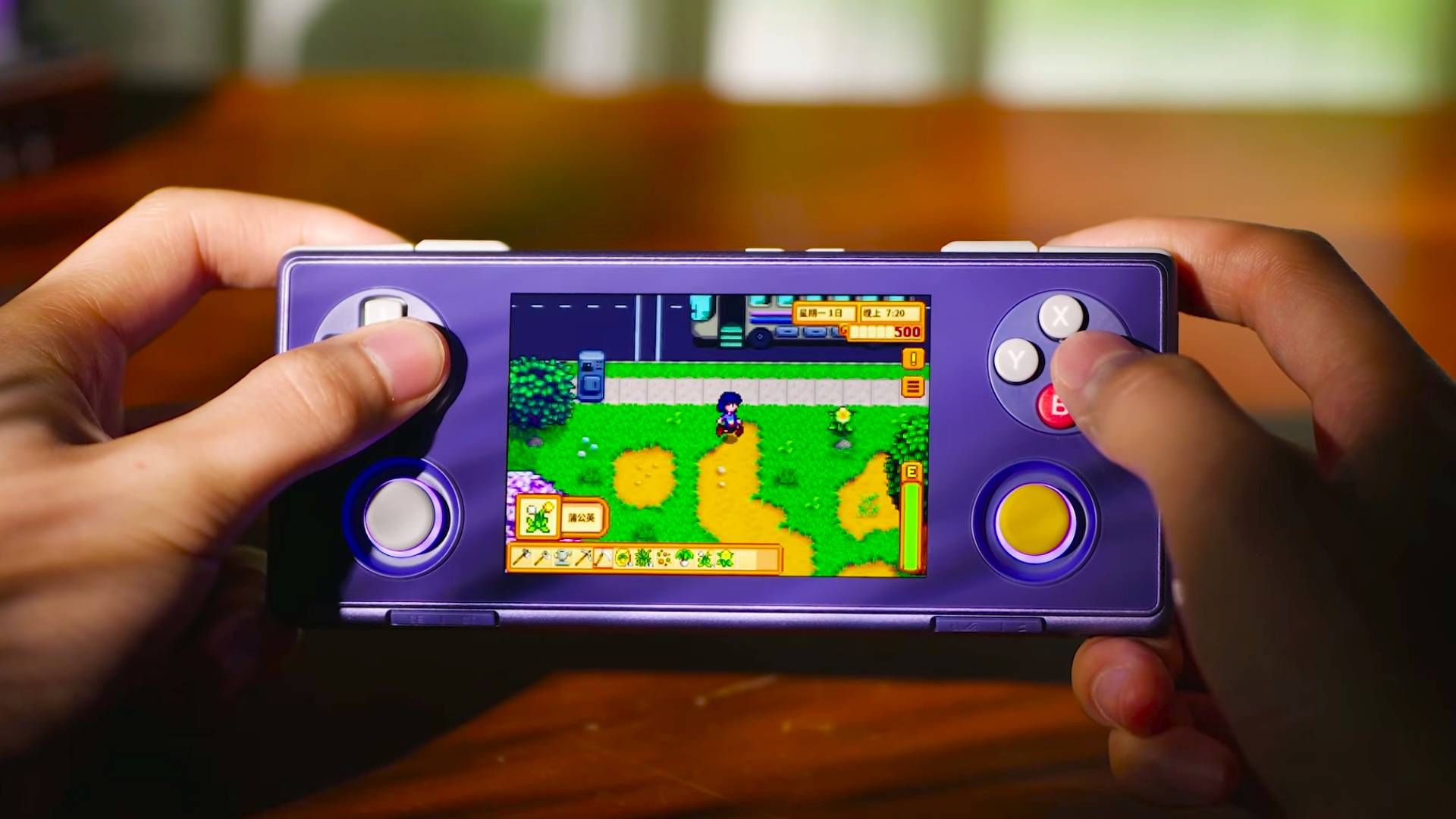
Despite the internal improvements, the hardware design remains a point of contention. The decision to use recessed TMR (Tunneling Magnetoresistance) thumbsticks is a double-edged sword. While these sticks are essential for maintaining the device’s slim, pocketable profile, they often sacrifice the tactile comfort found on larger, protruding sticks. Users familiar with the Ayaneo Flip DS have expressed concerns regarding the precision and comfort of these recessed controls, noting that for long-term gaming sessions, the "angular rectangle" design can become fatiguing.
Ergonomically, the device remains a "candybar," which is objectively less comfortable than devices featuring integrated grips. However, as an homage to the mid-2000s, the design fulfills its niche perfectly, trading long-term ergonomic comfort for pure portability.
The Audio Advantage: A Nod to the Audiophile
One of the most welcome, yet understated, inclusions in the Pocket Micro 2 is the addition of a 3.5mm headphone jack. In an era where many manufacturers are stripping away analog ports in favor of wireless connectivity, Ayaneo’s choice is a strategic win.
With the recent resurgence of Android-powered digital audio players (DAPs), the Pocket Micro 2 serves a dual purpose. For enthusiasts who appreciate high-fidelity audio, the device acts as a portable entertainment hub, potentially rivaling dedicated DAPs in its ability to manage high-resolution music libraries alongside a massive catalog of retro games.
Official Responses and Market Positioning
Ayaneo has positioned the Pocket Micro 2 as a "Next-Gen Powerhouse." During the reveal, the company emphasized that this is not intended to replace the larger, more powerful x86-based Windows handhelds in their lineup, but rather to dominate the "retro premium" segment.
Pricing is a central pillar of this strategy. The base model, starting at $239 with an early-bird $30 discount, is clearly targeting the enthusiast who already owns a larger device but wants something smaller for travel. The Stardust Purple variant, which carries a premium price point of $309 (before the discount), is a clear nod to the nostalgia-fueled GameCube aesthetic, suggesting that Ayaneo is leaning heavily into the emotional connection gamers have with their hardware.
The company has acknowledged the "early bird" pricing structure as standard for their ecosystem. By incentivizing early adopters, they ensure that the first batches of hardware move quickly, creating a buzz on social media and gaming forums that sustains interest throughout the product’s life cycle.
Implications: The Future of the "Micro" Trend
The arrival of the Pocket Micro 2 raises several questions about the future of the handheld market.
1. The Death of the "Grip" Obsession?
For years, the industry has trended toward larger, more ergonomic devices that mirror the experience of a standard console controller. The Pocket Micro 2 challenges this by proving that there is a vibrant, vocal market for devices that prioritize the ability to be carried in a jeans pocket. This could force other manufacturers to re-evaluate their portfolios to include more ultra-portable options.
2. The Android Emulation Ceiling
With the power of the Snapdragon 865-class chip, this device is likely the ceiling for what can be comfortably emulated on a 3.5-inch screen. Pushing for more power would likely result in heat dissipation issues in such a compact chassis. The implication here is that we may see a plateau in performance for the "Micro" form factor, with future iterations focusing on display technology (like OLED) or build materials rather than raw processing speed.
3. The "Retro" as a Lifestyle Product
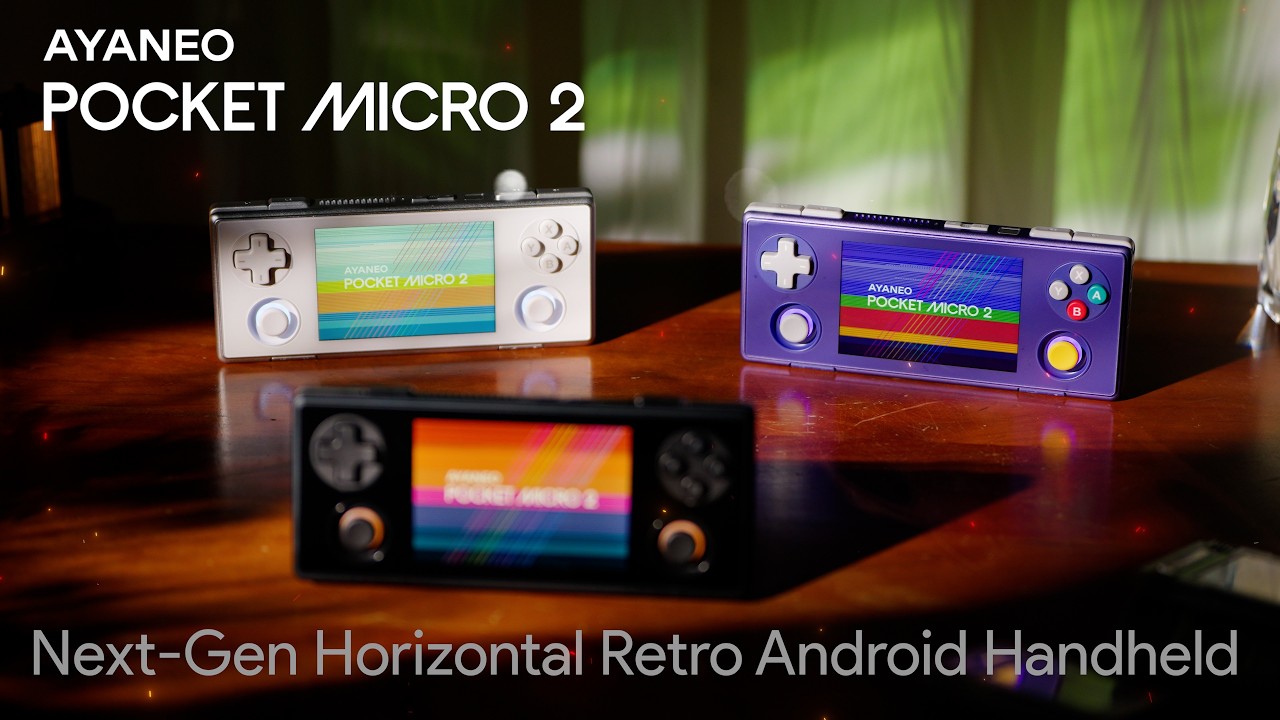
Ayaneo’s focus on aesthetics—offering colors like Stardust Purple—confirms that these devices are no longer just tools for emulation; they are lifestyle accessories. The Pocket Micro 2 is as much about the look and feel of the device as it is about the games it plays. This shift suggests that the market is maturing from "functional emulation boxes" to "curated hardware experiences."
Conclusion: Is it Worth the Investment?
The Ayaneo Pocket Micro 2 is a specialized device for a specific type of gamer. It is not designed to replace your primary gaming rig, nor is it intended for high-intensity, competitive multiplayer gaming. It is a refined, high-performance tool for the collector, the commuter, and the purist who finds joy in the tactile satisfaction of a well-built piece of hardware.
While the ergonomic limitations of the candybar form factor persist, the internal upgrades, the inclusion of the 3.5mm jack, and the stunning aesthetic options make it a compelling proposition. For those looking to bridge the gap between 2000s-era nostalgia and modern Android gaming performance, the Pocket Micro 2 is perhaps the most refined iteration of the concept currently available. As the device moves from its initial launch phase into the hands of the public, the true test will be how it holds up to the rigors of daily use—but for now, it stands as a testament to Ayaneo’s commitment to the "small but mighty" philosophy.

