

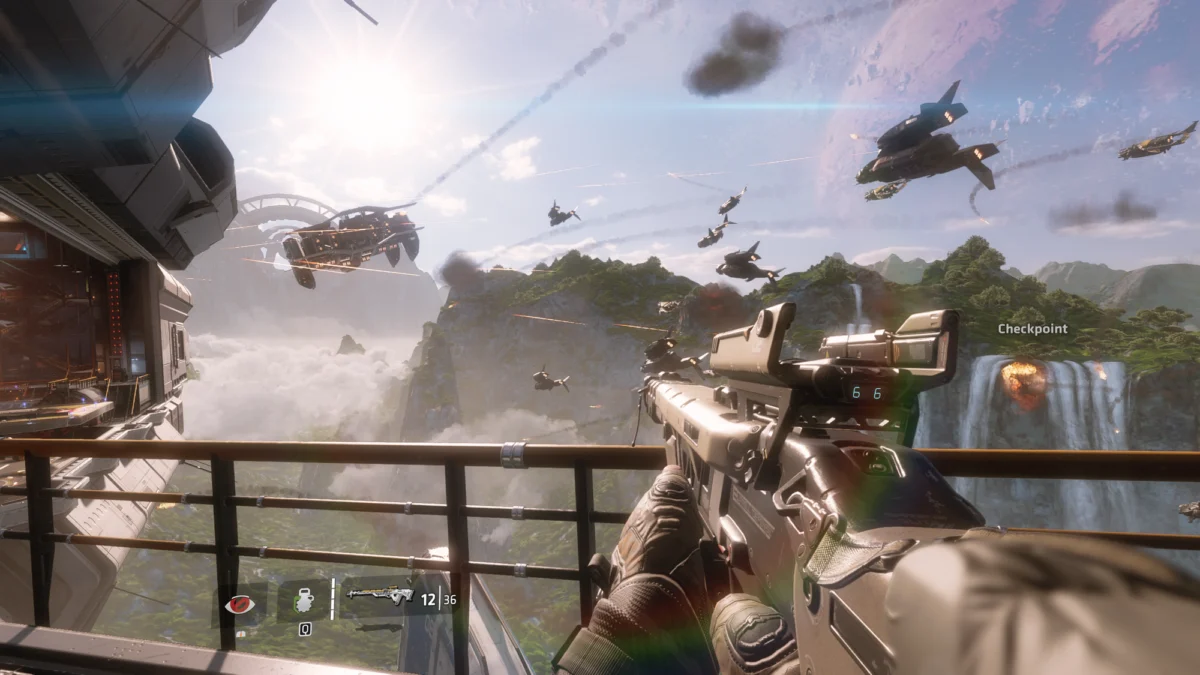
Virtual reality (VR) modding has long been a double-edged sword for enthusiasts. On one hand, passionate independent developers have single-handedly breathed new life into flat-screen masterpieces, transforming legendary titles into immersive first-person playgrounds. On the other hand, the barrier to entry has historically been exceptionally high.
Gamers are frequently forced to navigate a labyrinthine process of file manipulation, complex dependency chains, manual directory placements, and endless troubleshooting threads on Reddit and Discord.
Enter modder CircuitLord and their newly released Titanfall 2 VR mod. While the critical consensus is that the mod itself delivers an astonishingly polished execution of Respawn Entertainment’s classic sci-fi shooter, the true technological leap forward isn’t just inside the game—it is the frictionless, turnkey installer that gets you there. This single tool points the way toward a more accessible future for the entire PC VR ecosystem.
Main Facts: What Makes the Titanfall 2 VR Mod a Masterclass in Polish?
For years, community-driven VR mods have launched in rough, "early access" states. They often suffer from debilitating performance issues, broken camera perspectives, buggy tracking, and missing UI elements. Over the summer, a wave of hastily constructed, "vibe-coded" VR mods flooded the scene, often delivering sub-standard experiences that barely functioned.
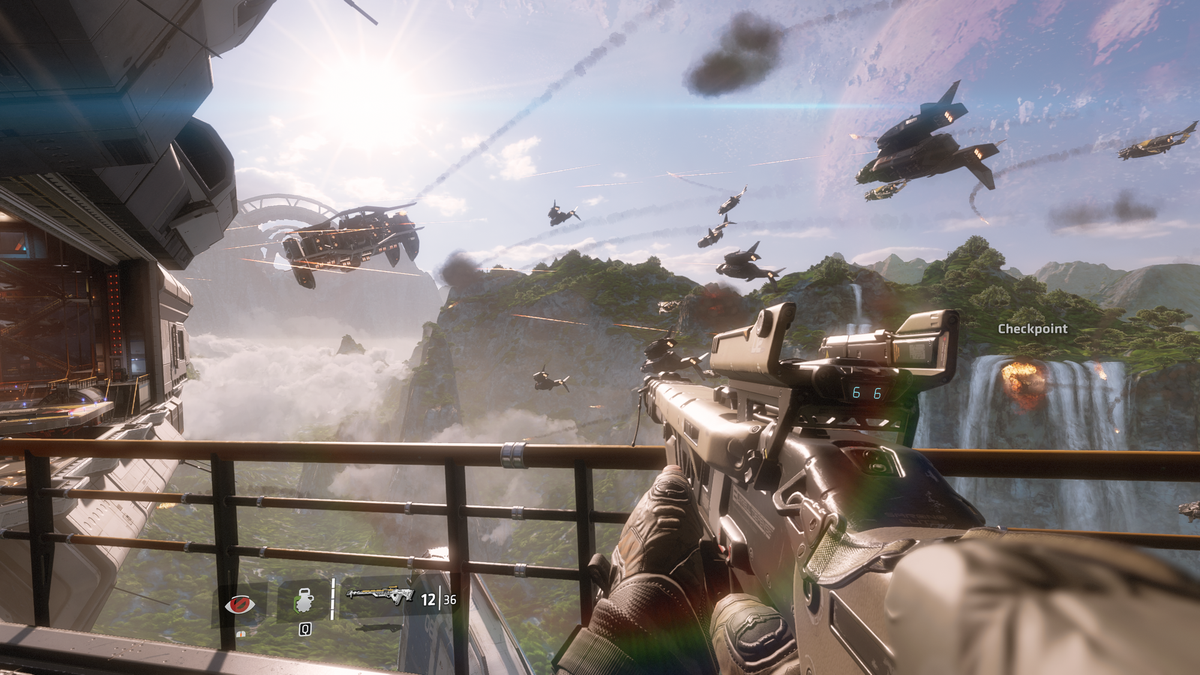
The Titanfall 2 VR mod shatters that convention. Out of the gate, it functions like a commercially finished product.
- Seamless Integration: Unlike traditional injection methods that require players to hunt down and install separate profiles—such as the Universal Unreal Engine VR Injector (UEVR)—CircuitLord’s creation is built specifically for the title, ensuring tight system integration.
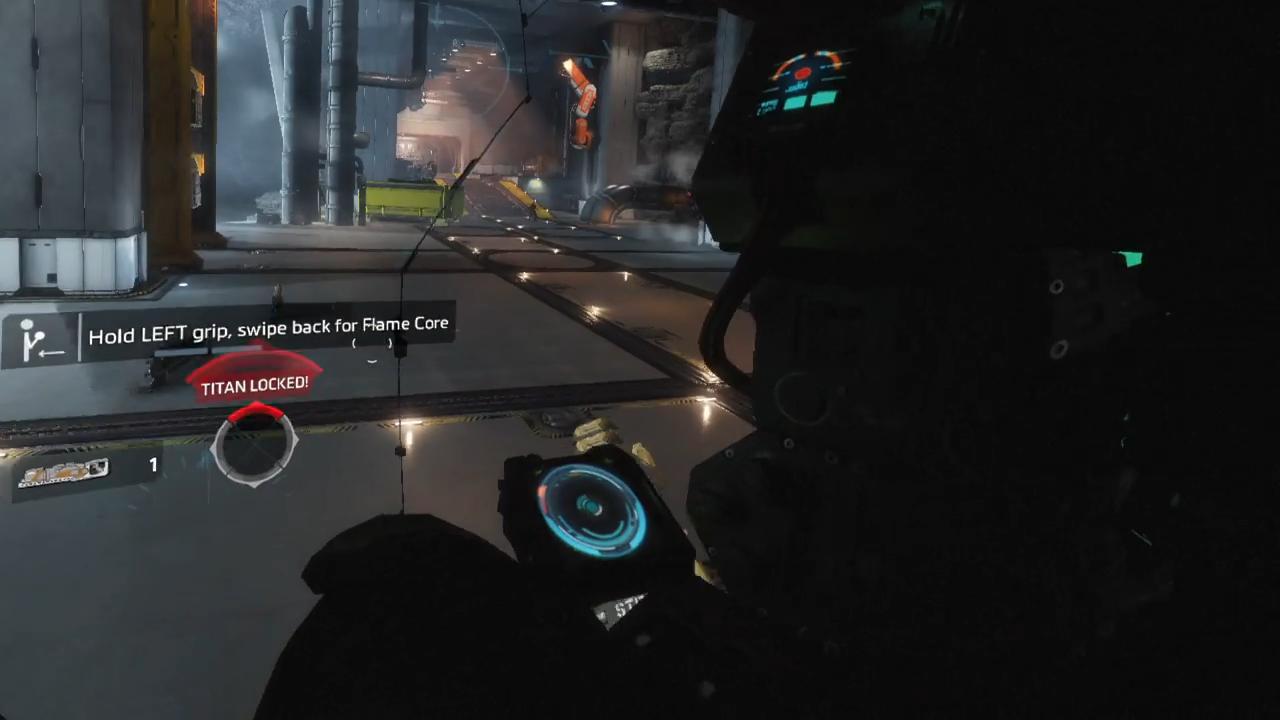
- Native-Feeling UI: In-game UI prompts dynamically adapt to motion controllers rather than displaying standard flat-screen button prompts (like LB, RB, or thumbstick clicks).
- Motion Sickness Mitigations: Recognizing that high-speed wall-running and mech combat can easily induce nausea, the mod includes thoughtful toggles. Players can choose to render cinematic cutscenes in full VR (complete with authentic, adrenaline-fueled camera movement) or safely view them on a virtual 2D cinema panel to mitigate motion sickness.
- The Turnkey Installer: The crown jewel of the release is its dedicated installer, which completely bypasses manual file wrangling. After downloading, a streamlined three-step verification process configures the game files automatically. With SteamVR running, users simply click play, and the game launches directly into virtual reality.
Chronology: The Evolution of VR Modding Friction
Understanding the significance of CircuitLord’s release requires looking back at how PC VR modding has evolved over the past decade.
Phase 1: The Pioneer Era (2016–2019)
When modern consumer VR hardware first emerged, modding was limited to basic stereoscopic injectors or official, developer-backed VR ports (such as Skyrim VR or Fallout 4 VR). Setting things up usually meant editing configuration files (.ini), adjusting hex values, and dealing with severe performance overhead.
Phase 2: The Script Hook and Injection Boom (2020–2023)
As modders grew bolder, complex tools like LukeRoss’s REAL VR mods and flat-to-VR conversions for titles like Outer Wilds and Risk of Rain 2 gained massive followings. However, setup remained tedious. Players had to download specific version-matched DLL files, drop them into precise game directories, and tweak graphics settings blindly inside headset displays.
Phase 3: The UEVR Revolution (2024–2025)
The release of Praydog’s Universal Unreal Engine VR Injector was a monumental technical achievement, allowing virtually any Unreal Engine 4 or 5 game to run in VR. Yet, it introduced a new layer of friction: profile hunting. To get proper motion controls and stable first-person camera perspectives, users had to scour community databases for community-made profiles, testing multiple options until they found one that worked.
Phase 4: The Turnkey Era (Late 2025–Present)
With CircuitLord’s Titanfall 2 installer—alongside similar accessibility-focused hubs like modder MrSurvivor’s unified installation tool—the modding community is shifting away from technical gatekeeping. The emphasis is no longer just on making a game run in VR, but on how effortlessly the user can start playing.
Supporting Data: Addressing the Core Pain Points of XR Adoption
For as long as virtual reality has existed in the consumer market, hardware manufacturers and industry analysts have debated what the medium "needs" to achieve mainstream adoption. The hardware wish list is well-established:
- Lighter, more ergonomically balanced headsets.
- Higher pixels-per-degree (PPD) densities to eliminate screen-door effects.
- Expanded fields of view (FOV).
- Brighter, higher-refresh-rate micro-OLED and LCD panels.
- Lower price points for casual consumers.
While hardware improvements are vital, they all attempt to solve a single overarching problem: friction.
Friction is the cumulative resistance a user faces between deciding to play a game and actually experiencing it. In traditional flat-screen gaming, friction is nearly non-existent (click install on Steam, press play). In VR, hardware weight, cable management, software boundary setup, and—most importantly—mod troubleshooting have created massive barriers.
Community infrastructure has historically stepped in to pick up the slack. Entire Discord servers, subdomains, and subreddits exist solely to troubleshoot mod installation errors. While these communities are remarkably welcoming and helpful, their sheer existence proves that software is currently too difficult for the average consumer. Tools like CircuitLord’s installer directly attack this friction, proving that PC VR content can be delivered with console-like simplicity.
Official Responses and Community Reactions
The response from the VR gaming community has been overwhelmingly positive, highlighting a collective fatigue with convoluted mod setups.
Prominent content creators, speedrunners, and PC VR veterans have praised the project not only for its technical execution within Titanfall 2’s campaign—allowing players to experience the iconic bond between pilot and titan, Jack Cooper and BT-7274, in breathtaking first-person spatial immersion—but specifically for lowering the bar for entry.
"Modding has historically been the exclusive domain of tinkerers," noted software accessibility advocates within the community. "When you require a player to rename files, handle directory paths, and source external configuration profiles, you immediately alienate 90% of your potential audience. CircuitLord understands that convenience and accessibility matter just as much as raw technical wizardry."
Furthermore, developers of complementary community tools have echoed these sentiments, pointing out that automated installers and unified mod hubs (such as MrSurvivor’s installation suite) represent the future of indie-driven platform expansion.
Implications: What This Means for the Future of VR Modding
The release of the Titanfall 2 VR mod and its accompanying turnkey installer carries profound implications for the future of spatial computing and PC gaming.
1. A New Standard for Mod Developers
Moving forward, modders who want their work to achieve widespread adoption will likely need to prioritize user experience (UX) alongside technical performance. A brilliant mod locked behind an installation process that requires a computer science background will inevitably reach a fraction of the audience it deserves. Automated installers, clean graphical user interfaces, and one-click update mechanisms are set to become the gold standard.
2. Revitalizing Back Catalogs Without Official Ports
As major game publishers become increasingly risk-averse, multi-million-dollar AAA VR ports are becoming rarer. The community is left to shoulder the burden of bringing flat-screen masterpieces into VR. By smoothing out the technical bumps, tools like CircuitLord’s installer make it commercially viable (in terms of community engagement) to treat classic titles like modern, accessible VR releases.
3. Broadening the Demographic
Accessibility in XR technology is often discussed strictly in terms of hardware accommodations (such as seated play options, one-handed control schemes, or colorblind modes). However, software accessibility is equally critical. If casual players can install and run complex mods as easily as downloading an app on a smartphone, the potential market for PC VR software expands exponentially.
Conclusion
Titanfall 2 was already widely celebrated as one of the finest single-player shooter campaigns ever created. Thanks to CircuitLord, it is now an exceptional virtual reality experience.
However, the true legacy of this release may not just be wall-running through Typhoon or piloting a massive vanguard-class Titan in full scale. It is the realization that VR modding can—and should—just work.
For those eager to dive back into the Frontier, CircuitLord’s installer is available now (with compatibility extending to their work on Big Walk as well via their official GitHub repository). As the community continues to refine these installation pipelines, the barrier between traditional gaming and virtual reality grows thinner by the day.

