


When Dragon’s Dogma 2 launched in early 2024, it arrived as a titan of the action RPG genre—a sprawling, chaotic, and unapologetically cruel masterpiece that captured the hearts of fans through its tactile combat and deep emergent gameplay. Yet, for all its mechanical brilliance, the game’s debut was marred by a self-inflicted wound that rippled through the industry: a suite of seemingly unnecessary, confusing, and ultimately "bad optics" microtransactions.
Two years after that turbulent launch, Capcom has finally announced it is closing the book on this chapter. Starting June 25, the digital storefronts for Dragon’s Dogma 2 will undergo a significant pruning, removing the majority of the paid downloadable content (DLC) items that ignited a firestorm of controversy among the player base.
The Catalyst: A Launch Marred by Misunderstanding
To understand why this removal matters, one must revisit the atmosphere of the game’s release. Upon its arrival, Dragon’s Dogma 2 was greeted with critical acclaim for its design, but the Steam user reviews told a different story. The game was "hazed" by the community, dropping to a "mostly negative" rating within days. The culprit was not the game’s performance or its design, but rather a list of microtransactions that appeared on storefronts simultaneously with the game’s release.
Items like Portcrystals, Wakestones, and character editing books—the "Art of Metamorphosis"—were suddenly available for real-world currency. To the casual observer or the prospective buyer, this suggested a game balanced around "pay-to-win" mechanics, implying that players would need to open their wallets to circumvent artificial difficulty or tedious grinds.
In reality, the situation was far more nuanced. As became apparent to anyone who played for more than a few hours, these items were never intended to be "premium" advantages. They were readily available in-game through standard progression, exploration, and modest in-game currency costs. The presence of these items in the storefront was, in the eyes of many, an act of sheer corporate ineptitude rather than predatory design. It was a failure of optics that painted a masterpiece in the colors of a cheap mobile game.
Chronology of a Controversy
The timeline of the Dragon’s Dogma 2 controversy is a case study in how modern gaming communications can sour a product’s reception:
- March 2024 (Launch Window): Dragon’s Dogma 2 is released. Almost immediately, the community notices the DLC store page. The perception of "pay-to-win" explodes across social media, Reddit, and Steam forums.
- Late March 2024: Capcom issues a statement acknowledging the feedback, clarifying that the items were obtainable in-game, and promising updates to address technical performance issues and quality-of-life concerns.
- Mid-2024 to 2025: The game receives consistent updates, ironing out frame rate issues and addressing many of the gameplay grievances players had. The microtransactions remain, though they fade into the background as players realize their lack of necessity.
- June 2025: Capcom announces the official retirement of the Deluxe Edition DLC bundles and the individual microtransaction items, marking the end of the two-year period of friction.
Deconstructing the "Pay-to-Win" Fallacy
The central irony of the Dragon’s Dogma 2 microtransaction debacle is that the items in question were fundamentally antithetical to the game’s core philosophy. Dragon’s Dogma 2 is a game about the journey, the struggle, and the organic discovery of the world.
For instance, the "Art of Metamorphosis" book—the item that allows players to change their appearance—was the most heavily criticized. Critics felt it was a "paywall" for character customization. However, in the game’s world, this book could be purchased for a nominal sum of 500 Rift Crystals, a currency earned simply by having your Pawn interact with other players. It was a common, low-tier item. By placing it in the storefront, Capcom made a mundane, mid-game convenience look like a malicious limitation.
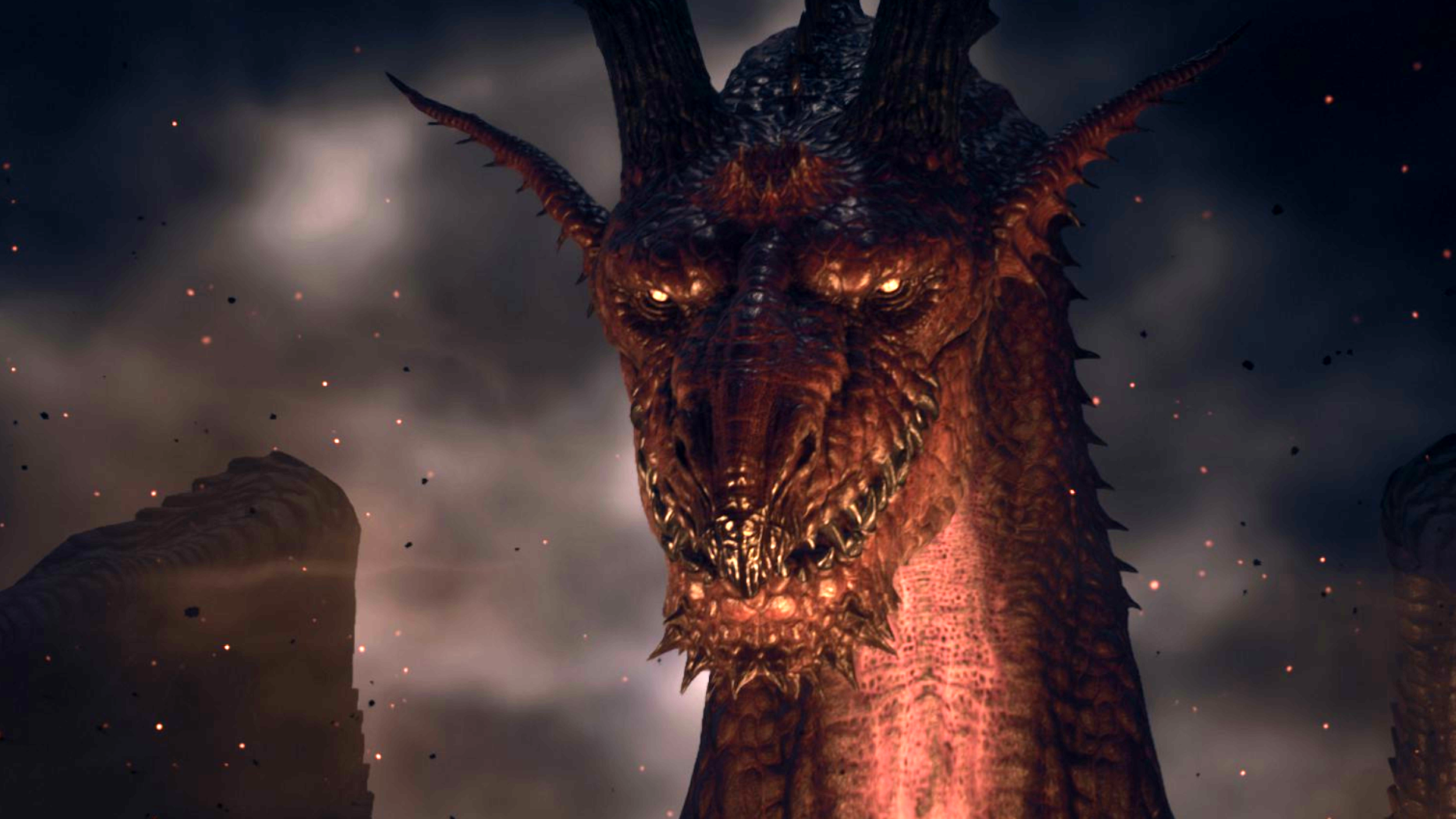
Similarly, the camping kits were available at almost every general store in the game world. Charging real money for these items was essentially akin to selling "health potions" in a game where the shops are overflowing with them. The decision was not just "bad optics"; it was a baffling business strategy that undermined the game’s internal economy and insulted the intelligence of the player base.
Official Responses and Strategic Pivot
Capcom’s decision to remove these items via the official Dragon’s Dogma X (formerly Twitter) account was brief and to the point. The company noted that the Deluxe Edition and various individual DLCs would no longer be available for purchase after June 25.
While Capcom has not explicitly stated that this is a "mea culpa" or an admission of guilt regarding the 2024 launch, the move speaks volumes. It suggests a pivot toward protecting the long-term legacy of the game. Dragon’s Dogma 2 is a title that will likely have a long tail of sales and player engagement; by removing the "whiff" of microtransactions, Capcom is effectively cleaning up the storefront to ensure that new players are not dissuaded by the outdated, negative stigma that defined the game’s launch.
The only items remaining will be those that represent genuine cosmetic additions or specific digital extras associated with the Deluxe Edition. The functional, gameplay-altering items—the ones that caused the initial headache—are being excised entirely.
Implications for the Industry
The Dragon’s Dogma 2 saga serves as a permanent cautionary tale for publishers. In an era where players are hyper-sensitive to monetization, "optics" are as important as "mechanics."
- The Transparency Gap: Publishers must be more transparent about why certain items are in the store. If an item is easily found in the game, labeling it as "DLC" creates a psychological barrier for the player.
- The Cost of "Easy Money": The revenue generated from these microtransactions—which were largely unnecessary for the player—was likely negligible compared to the brand damage caused by the initial "mostly negative" review score. The "cost" of these microtransactions was the loss of public trust and a fractured launch narrative that took months to heal.
- Better Late Than Never: Capcom’s decision to remove these items years later is a rare instance of a developer acknowledging that a past strategy no longer serves the product. While it does not erase the frustration of 2024, it shows a commitment to the game’s longevity.
A Future Unburdened
For fans of the series, the news that these items are being retired is a welcome final step in the game’s maturation. Dragon’s Dogma 2 has always been a brilliant, uncompromising RPG. It was a game about falling off a cliff, being picked up by a griffon, and having your Pawn make a sarcastic comment about your weight. It was never meant to be a service game, and it was never meant to be a place for microtransactions.
As of June 25, the store will finally reflect the game’s true nature. The ghosts of the 2024 launch will be put to rest, and the focus can finally return to what truly matters: the thrill of the hunt, the beauty of the world, and the joy of the journey. For Capcom, it is a lesson learned—one that hopefully ensures the next grand adventure in the Dragon’s Dogma series is judged solely on the quality of its world and the strength of its steel.

