

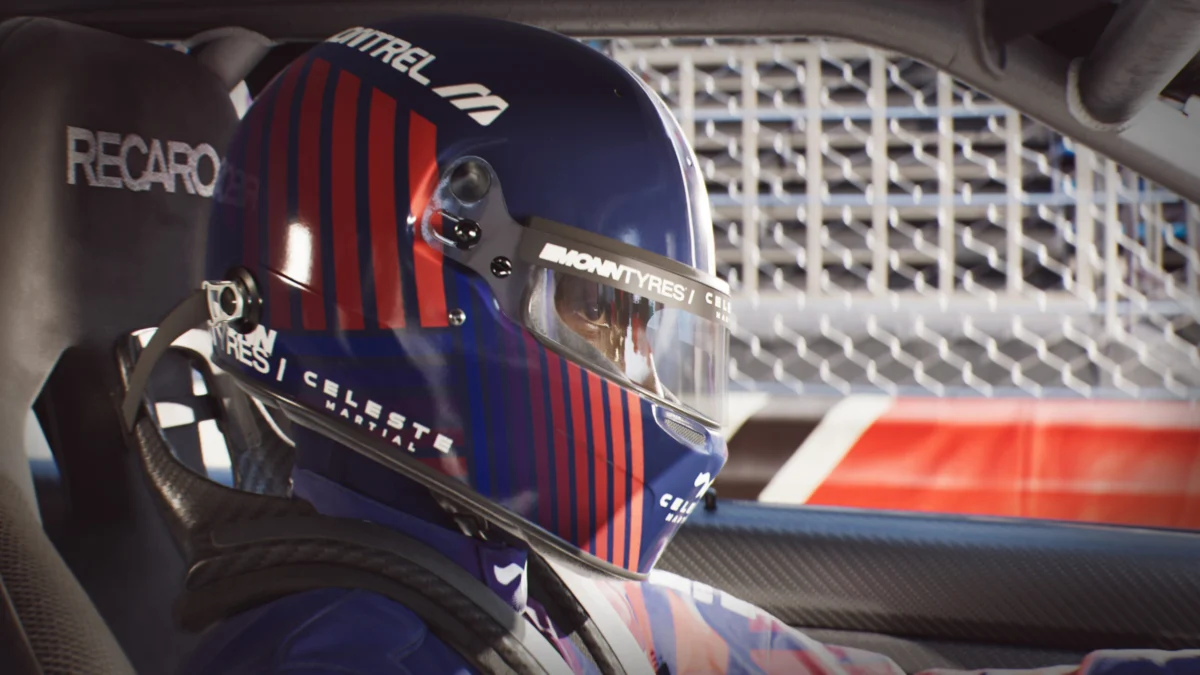
For a generation of gamers who cut their teeth on the neon-soaked streets of Need for Speed or the physics-defying chaos of Burnout, the landscape of modern driving games feels increasingly unrecognizable. The era of the pick-up-and-play arcade racer—defined by rubber-band AI, nitro-boosted drifting, and a controller that cost less than a lunch—is fading into the rearview mirror. In its place, a more serious, hardware-intensive, and technically demanding discipline has taken the lead: sim racing.
This transition is not merely a shift in consumer taste; it is a fundamental transformation of what it means to be a "racing gamer." As the industry pivots toward hyper-realistic physics engines and high-fidelity peripherals, we find ourselves at a crossroads where the accessibility of the past is being traded for the authenticity of the future.
The Evolution of the Virtual Track: A Chronology
The transformation from "video game" to "racing simulation" has been a gradual, decades-long process.
- The 90s/00s Golden Age: Racing games were defined by variety. Titles like Midnight Club, FlatOut, Twisted Metal, and Driver dominated living rooms. These games prioritized spectacle, character, and fun over mechanical accuracy.
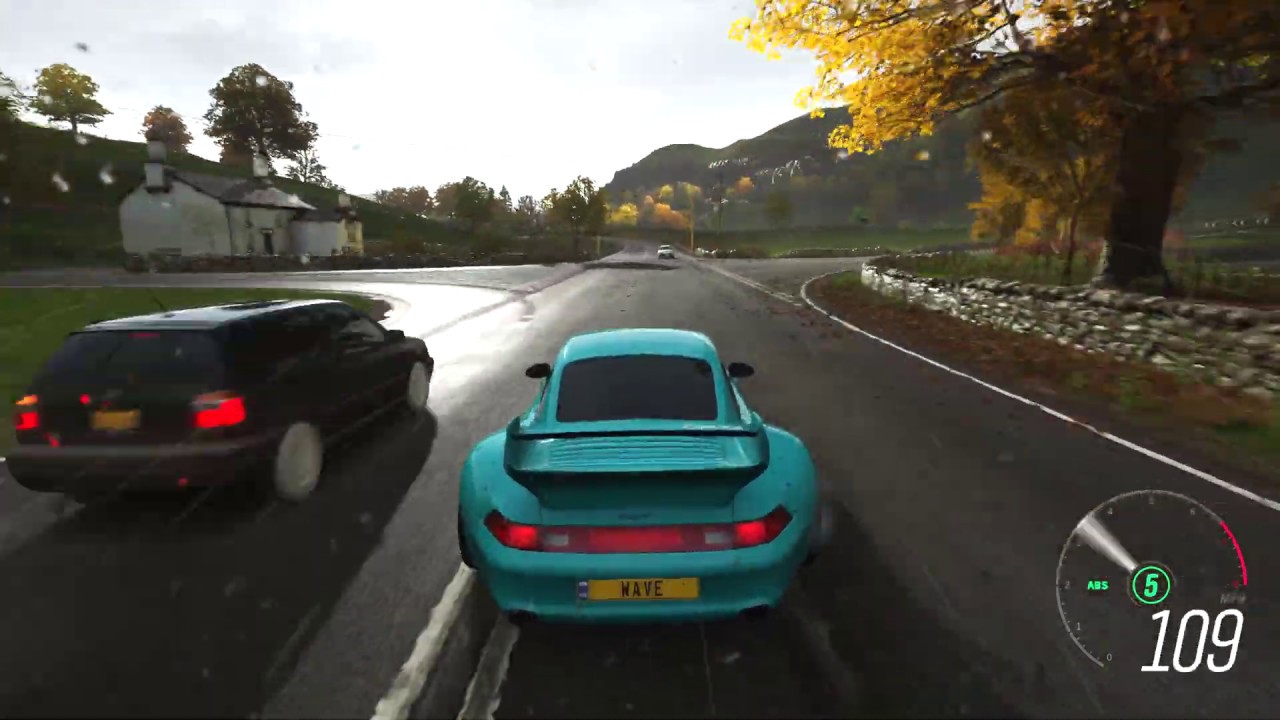
- The Rise of the Simcade: By the 2010s, the "simcade" genre—represented by the Forza Horizon and Gran Turismo series—began to bridge the gap. These games offered polished, realistic-looking cars while keeping handling accessible enough for a standard gamepad.
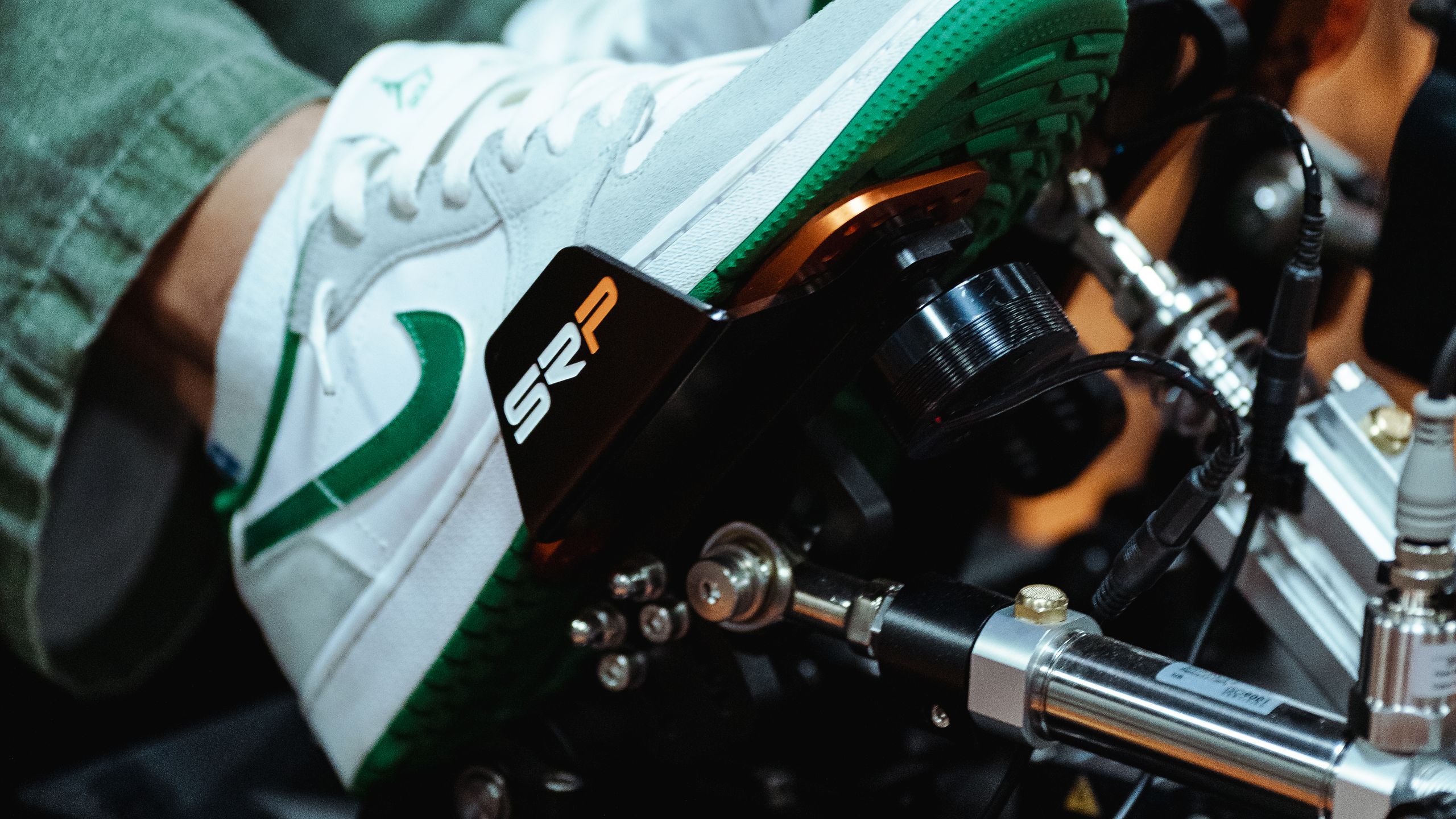
- The Pandemic Catalyst: The COVID-19 pandemic acted as a massive accelerator. With real-world sports shuttered and millions confined to their homes, the sim racing industry saw an explosion in interest. Hardware manufacturers like Fanatec, Thrustmaster, and Moza began seeing record-breaking demand for direct-drive wheels, haptic seats, and dedicated rigs.
- The Modern Pro-Am Era (2020–2026): We have now entered an era where the line between "gamer" and "professional driver" is effectively blurred. Influencers like Jimmy Broadbent and Super GT have successfully migrated from bedroom simulators to professional GT4 and endurance racing, signaling that the virtual rig is no longer just a toy—it is a training tool.
Data Points: The Shift in Player Behavior
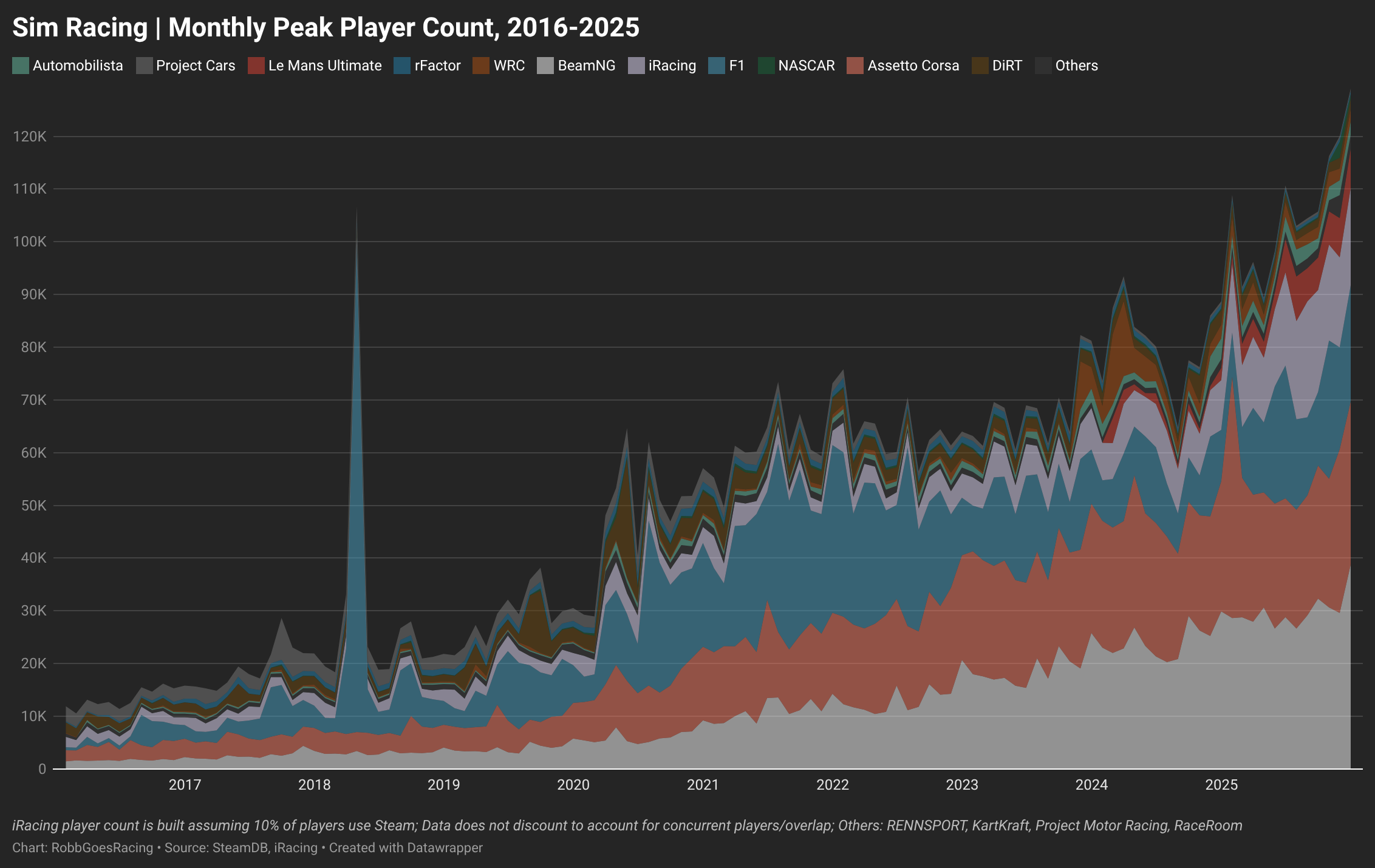
The statistics paint a compelling picture. Over the last decade, sim racing player counts have surged by over 1,000%. While mainstream arcade titles struggle to maintain cultural relevance, niche simulation titles like iRacing, Assetto Corsa, and rFactor 2 have cultivated intensely loyal, high-spending fanbases.
However, the raw numbers tell a dual story. While the Assetto Corsa franchise has surpassed 20 million players, it still trails the cumulative historical sales of arcade giants like Need for Speed. Yet, the "arc" of the industry is clear: arcade racing is shrinking, while sim racing is expanding. This suggests that while there are fewer racing titles being released today, those that exist demand significantly more time, money, and dedication from their players.
The Hardware Barrier: Is Simulation "Inaccessible"?
A central tension in the current racing game market is the cost of entry. As the author, who purchased an entry-level $300 Thrustmaster T150 RS during the pandemic, discovered: a "casual" rig is often a compromise. While entry-level wheels provide a taste of force feedback, the "true" experience—the one promised by high-end haptic seats and motion platforms—requires an investment that can easily exceed $2,000 to $5,000.
This creates a paradox. While arcade games were designed to be inclusive, accessible, and cheap, modern sim racing has become a "yuppie" activity. We see this in the proliferation of premium sim racing lounges in major global cities, where the activity is marketed less as a video game and more as a high-end social experience, comparable to go-karting or visiting a nightclub.
Official Perspectives: The Industry’s View
At the 2026 SimRacing Expo, industry leaders offered insights into why this transition is occurring. Mark Puc, a representative from Fanatec, suggests that the growth of sim racing is inextricably linked to the meteoric rise of real-world motorsport, spurred by the global phenomenon of Netflix’s Drive to Survive.
"The correlation between sim racing and real racing is very analog, so one supports the other," Puc noted. "Right now, there’s a lot of people starting sim racing that are going to end up racing real cars."
This perspective recontextualizes the high cost of a sim rig. If a $2,000 setup is viewed not as a "video game console" but as a "substitute for a $15 million Formula 1 car" or even a track-day modified Mazda Miata, the expense suddenly makes sense. The industry is no longer selling software; it is selling the closest possible approximation of a professional motorsport career.
The Decline of Car Culture and the Rise of Motorsports
Why is this happening now, even as Gen Z shows a documented decline in driver’s license possession and traditional car ownership? The answer may lie in the changing nature of cultural engagement.
As real-world car culture faces scrutiny due to environmental concerns and urban density, the spectacle of motorsport has become more accessible. While major sports leagues hide behind byzantine, expensive broadcast packages, F1 and IndyCar have worked to maintain a level of accessibility that keeps them in the public eye.
The decline of arcade racing games might not be an "industry failure" but rather a mirror of a broader societal shift. We are moving away from the "everyman" car culture of the 20th century—where a teenager’s first dream was a beat-up sedan—and toward a world where, if you want to drive, you either do it in a highly controlled, professional environment, or you simulate it with absolute, uncompromising precision.
Implications: Where Do We Go From Here?
The implications for the gaming industry are profound. We are likely to see the "arcade" racing genre continue to contract, pushed into smaller, indie-developed spaces, while "sim" racing becomes the standard-bearer for the genre.
For the average gamer who once enjoyed a mindless hour of Burnout, this transition can feel like an exclusionary gatekeeping of the hobby. But for the enthusiast, the future is bright. The barriers between the digital and physical worlds are dissolving. Whether you are a casual player looking to relive the glory days of the PS2 era, or an aspiring racer looking to make the leap to the Nürburgring, the digital asphalt remains one of the most exciting places to test your limits.
Ultimately, the simulation revolution is not just about replacing the $10 MadCatz controller; it is about redefining our relationship with speed, precision, and the machine itself. Whether that is a loss or a gain depends on whether you were looking for a game to play on a Friday night, or a sport to dedicate your life to.

