

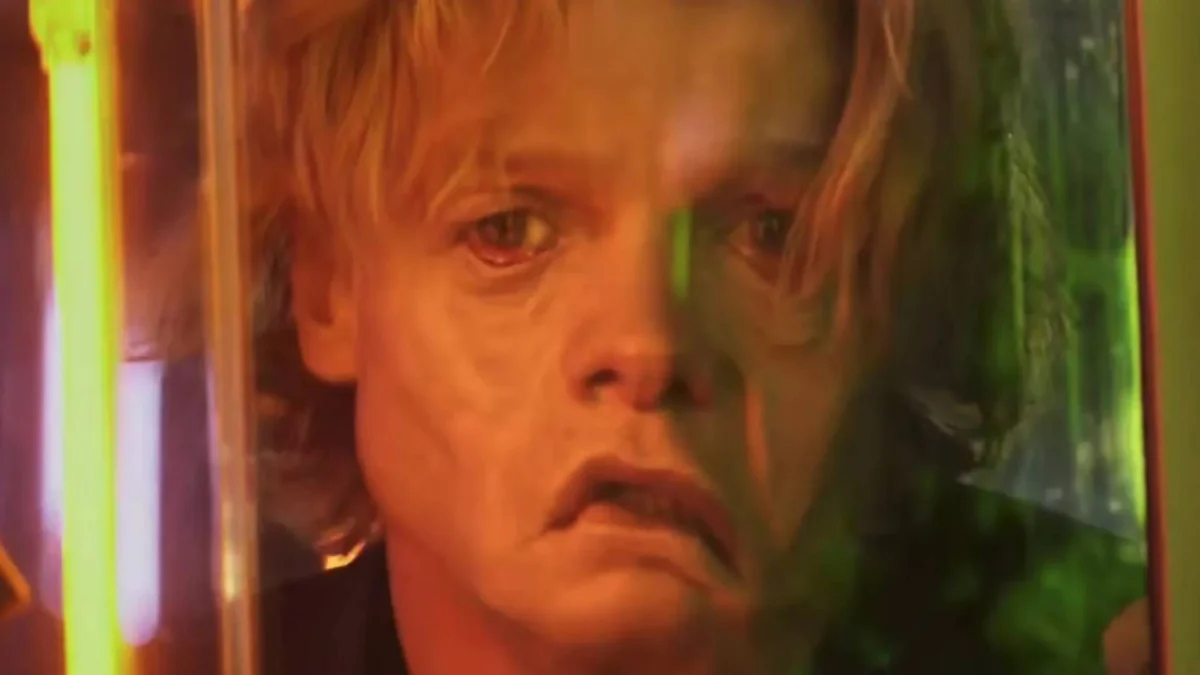
In an era where comic book universes are increasingly defined by their sprawling interconnectedness, DC Studios has provided a definitive answer to a question that has been circulating among fans since the debut of Creature Commandos. DC co-CEO Peter Safran has officially confirmed that the version of Clayface seen in the animated Creature Commandos series is, in fact, the same entity that will terrify audiences in the upcoming, R-rated live-action body-horror film.
This confirmation serves as a pivotal moment for the burgeoning DC Universe (DCU), bridging the gap between its animated entries and its high-stakes live-action cinematic slate. As the studio continues to map out a cohesive narrative tapestry under the leadership of Safran and James Gunn, the integration of a character as visually complex and psychologically layered as Clayface signals a bold, genre-bending future for the franchise.
The Official Confirmation: Connecting the Dots
The confirmation arrived via Entertainment Weekly, where Safran laid to rest months of fan speculation. For those who had been parsing through frames of Creature Commandos and theorizing about the potential for crossover, the news is a welcome validation of the studio’s commitment to a singular, shared continuity.
“Yes, it is the same Clayface,” Safran stated, addressing the long-standing mystery. He further clarified the timeline, noting that the events depicted in the upcoming live-action Clayface feature film actually predate the occurrences seen in Creature Commandos. This revelation is critical for understanding the character’s trajectory within the DCU, establishing that the "goopy nightmare" viewers witnessed in animation is the culmination of a history that begins in the grit and gore of his standalone horror origin story.
This announcement follows a subtle, social-media-based confirmation earlier this year, when James Gunn engaged with a fan theory on Threads. By liking a post that correctly hypothesized the link between the two iterations, Gunn gave the internet’s detective community the green light to prepare for a multi-platform character arc.
A Chronological Breakdown: From Screen to Screen
Understanding the DCU’s timeline is becoming an increasingly essential skill for fans. By placing the live-action film before the events of Creature Commandos, DC Studios is effectively creating a "prequel-to-present" narrative structure for the character.
The Origins of Matt Hagen
It is no coincidence that the DCU’s Clayface feels like a modern evolution of the classic villain. The creative team has confirmed that the character is indeed Matt Hagen—the iconic actor-turned-criminal whose tragic transformation into a malleable, clay-like monstrosity became a staple of Batman: The Animated Series.
In the DCU, Hagen is being portrayed by Tom Rhys Harries, an actor tasked with bringing the necessary gravitas and pathos to a character who is, quite literally, losing his shape. The choice to anchor the character in the Matt Hagen persona ensures a sense of continuity with the character’s legacy while allowing the new horror-focused film to explore the visceral, body-horror implications of his condition in a way that previous iterations never could.
The Narrative Bridge
While Creature Commandos serves as an animated chapter in the DCU canon, the live-action Clayface film will function as a tonal shift. Directed by James Watkins—known for his mastery of tension in Eden Lake—and written by the acclaimed Mike Flanagan, the film is poised to redefine how audiences perceive the villain. By establishing that this specific version of Hagen eventually joins the ranks of the characters featured in Creature Commandos, DC is signaling that the DCU will not be afraid to move its villains and heroes between different genres and formats.
The Aesthetic and Narrative Implications
The decision to utilize a body-horror lens for the live-action Clayface film is a significant stylistic departure for DC, but one that aligns with the studio’s broader goals of stylistic diversity.
Genre Fluidity
Many fans initially assumed that a character as dark and twisted as Clayface would find a natural home within the Elseworlds corner of the DC brand, specifically alongside Robert Pattinson’s The Batman. However, the official word is that this iteration of Clayface belongs to the main DCU. This creates an interesting dichotomy: the DCU will now feature a character grounded in high-concept horror, living alongside more traditional superhero fare.
This inclusion proves that the DCU is not a monolith. By allowing filmmakers like Flanagan and Watkins to inject their specific sensibilities into the DCU, Safran and Gunn are creating a cinematic environment where a gritty, R-rated horror story about a man melting into clay can coexist with the broader, more expansive superhero adventures of the Justice League and their peers.
The Legacy of the "Fleshy Mess"
The visual design of Clayface in Creature Commandos was praised for its fidelity to the classic look of the character while embracing modern, fluid animation techniques. By bringing that same visual language into the live-action realm, the production team faces the challenge of rendering a character that is constantly shifting, stretching, and reforming. This is not just a triumph of digital effects; it is a narrative choice that forces the audience to confront the physical reality of Hagen’s suffering.
Supporting Data: Understanding the DCU Landscape
To fully appreciate the weight of this confirmation, one must understand the structure of the current DC landscape.
- The Main DCU: This is the primary, interconnected narrative space where projects like Creature Commandos, the upcoming Superman film, and the live-action Clayface reside.
- The Elseworlds: A separate designation for projects that exist outside the main continuity, such as Matt Reeves’ The Batman saga and the Joker films.
By keeping Clayface in the main DCU, the studio has made a strategic bet that audiences are sophisticated enough to handle tone-shifting content. They aren’t sequestering their darker characters to the Elseworlds label; they are integrating them into the heart of their shared universe. This suggests that the DCU will be a place where the "creature" aspect of its lore is just as important as the "hero" aspect.
Looking Ahead: The Future of the DCU
As we approach the October 23 theatrical release of Clayface, anticipation is reaching a fever pitch. The involvement of Mike Flanagan—a director and writer who has effectively reinvented the horror genre with series like The Haunting of Hill House and Midnight Mass—suggests that this will not be a standard "villain-of-the-week" story. Instead, we can expect a deep, character-driven exploration of identity, loss, and the horrific cost of power.
The fact that this story is linked to the wider DCU via Creature Commandos suggests that Clayface’s arc is far from over. Whether he will appear as an antagonist to the heroes of the DCU or as a reluctant anti-hero, his presence ensures that the cinematic landscape will remain unpredictable.
For fans who have already binged Creature Commandos on Max, the upcoming film will provide the necessary context to understand exactly how Matt Hagen went from a desperate actor to a global threat. It is a masterclass in modern franchise building: using multiple platforms to layer a character’s history and depth before they ever step onto the silver screen.
In conclusion, the confirmation that Clayface is a singular entity spanning both animation and live-action is a testament to the ambition of DC Studios. By honoring the character’s roots while pushing the boundaries of what a superhero-adjacent film can look like, DC is setting the stage for a new, exciting chapter in comic book cinema. October 23 will not just be the release of a horror movie; it will be a cornerstone moment in the history of the DCU.

