

In a sobering reflection of the volatility currently gripping the video game industry, Hasbro has announced a $56 million non-cash impairment charge in its second-quarter financial report. This significant financial adjustment stems from the abrupt cancellation of several internal game projects that were slated for release in 2028 and beyond.
The move marks a stark departure from the company’s bullish, high-spending outlook of just two years ago. As Hasbro navigates the complex landscape of interactive entertainment, the "non-cash impairment"—essentially a recognition that the anticipated value of these development assets has evaporated—serves as a clear signal that the company is retreating from its aggressive, wide-reaching expansion into the digital space.
A Chronology of Ambition and Retrenchment
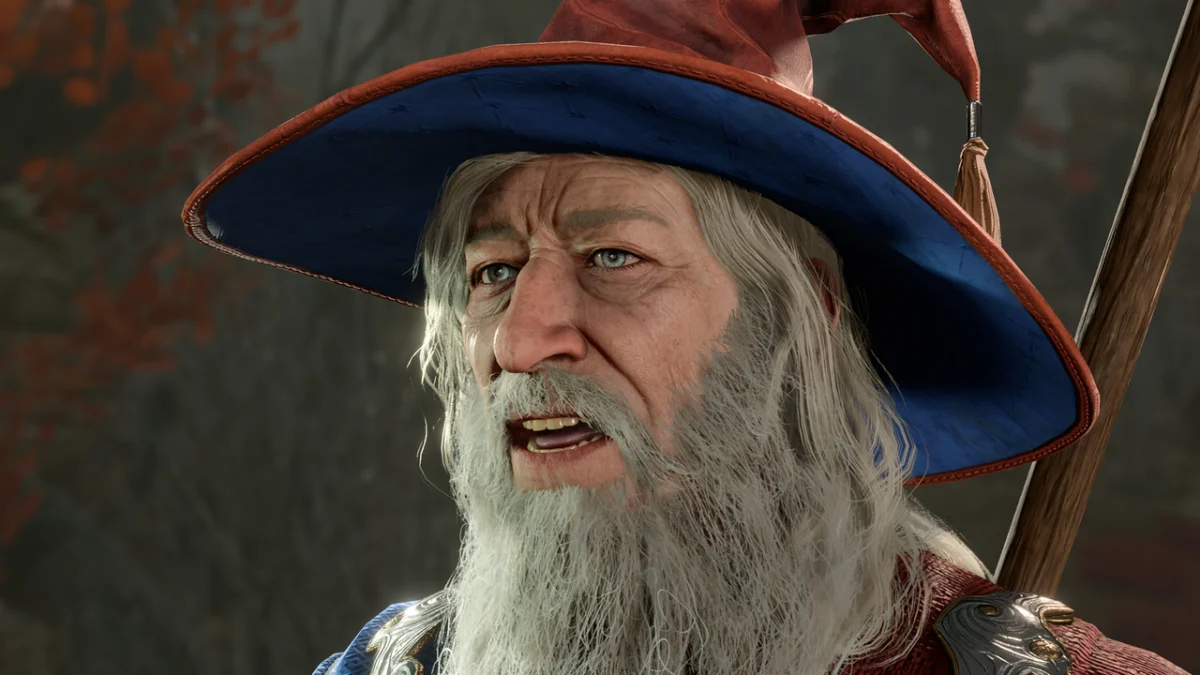
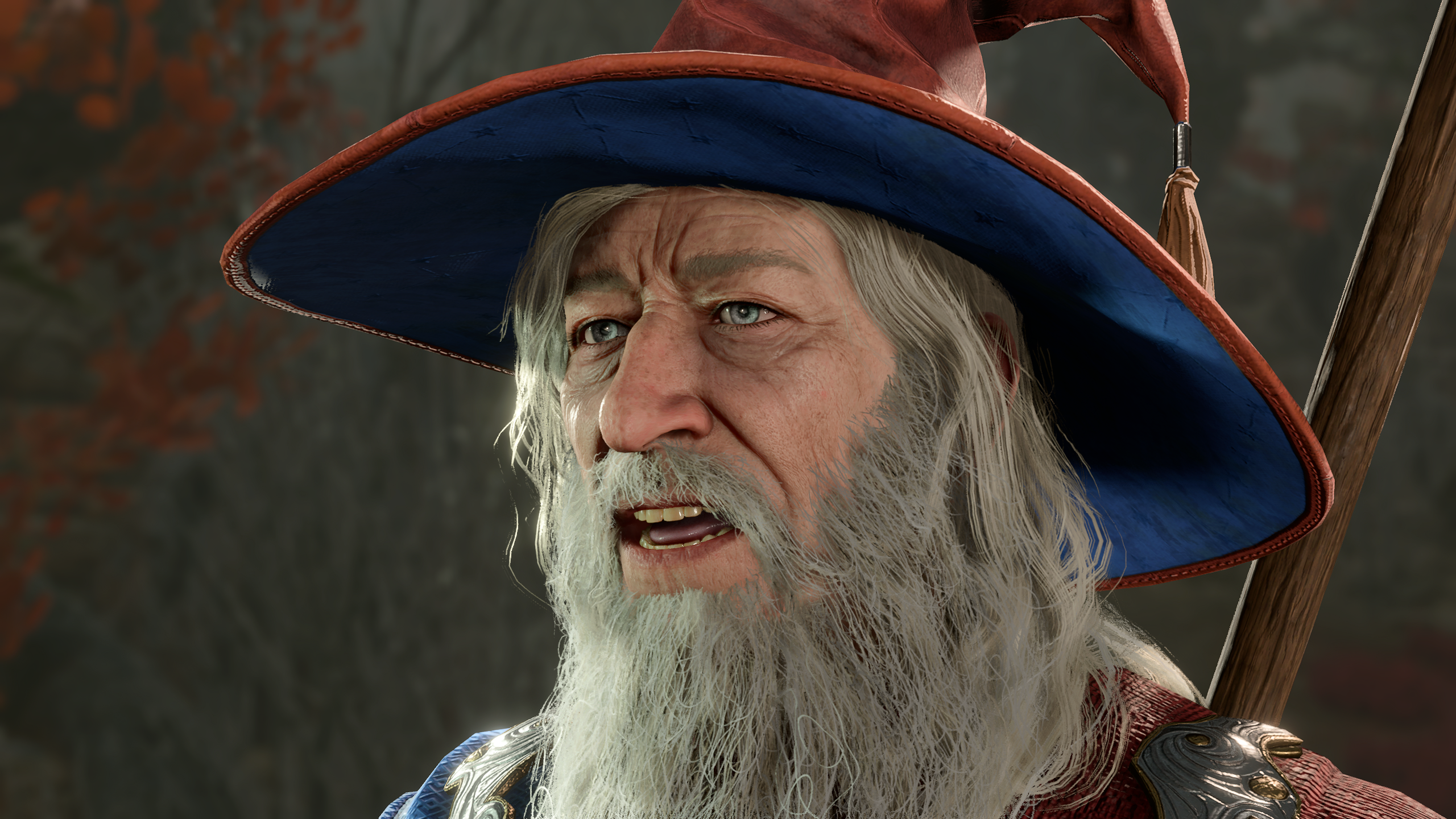
To understand the weight of this $56 million write-down, one must look at the meteoric rise and subsequent cooling of Hasbro’s digital aspirations. Following the record-breaking success of Larian Studios’ Baldur’s Gate 3—a title that proved the massive, untapped market for high-fidelity, well-executed Dungeons & Dragons adaptations—Hasbro appeared ready to transform from a toy-first company into a digital gaming powerhouse.
The Billion-Dollar Bet
By 2022, Hasbro’s subsidiary, Wizards of the Coast, had initiated a massive scaling effort. With half a dozen studios under its umbrella, the company signaled that it was pouring over $1 billion into game development. At the time, Dan Ayoub, Hasbro’s head of digital product development, described video games as an "integral part" of the company’s strategy for the next 100 years. The message was clear: Hasbro wanted to move beyond licensed products and become a Tier-1 publisher in its own right.
The Rough Road to Reality
However, the path to becoming a gaming giant proved treacherous. The "billion-dollar strategy" quickly hit systemic snags. A high-budget G.I. Joe project, announced with much fanfare in 2021, became a symbol of the company’s internal instability. Reports of its cancellation circulated throughout the industry, though Hasbro has maintained a cryptic stance, stating that the development team is "evaluating the path forward."
Further damage to the company’s reputation occurred earlier this year when a highly anticipated D&D project from Giant Skull—a studio founded by Jedi: Fallen Order director Stig Asmussen—was unceremoniously cancelled. These failures, coupled with the company’s inability to capitalize on the massive momentum of Baldur’s Gate 3 with a timely follow-up or expansion, have led industry analysts to question whether Hasbro’s management truly understands the nuances of the interactive software market.
Supporting Data: Understanding the Impairment
In financial terms, a $56 million non-cash impairment is not an immediate cash loss in the traditional sense, but rather a downward adjustment of an asset’s book value. As noted by industry observers following the recent, larger-scale $766 million impairment recorded by Sony regarding Bungie, these charges occur when a company realizes that the project currently in development will not generate the revenue originally projected.
For Hasbro, this charge is a direct admission that the "high-conviction" titles they planned for the latter half of the decade no longer fit within the company’s revised, more conservative fiscal reality. By removing these projects from their balance sheets, Hasbro is essentially clearing the deck to focus capital on safer, more established intellectual properties.
Official Responses: CEO Chris Cocks on the "Digital Future"
During the company’s most recent earnings call, CEO Chris Cocks addressed the shift in strategy with a pragmatism that bordered on cold, mirroring the recent industry-wide trend of mass layoffs and studio closures seen at major players like Xbox.
"Over the last several quarters, we have reviewed our portfolio and updated our plans for Hasbro’s digital future," Cocks explained. "That work included cancelling several games scheduled for release in 2028 and beyond and recording a $56 million non-cash write-down this quarter for related capitalized costs."
Cocks emphasized that the company’s future digital strategy would be "straightforward." The plan, according to the CEO, involves:
- Focusing on "Clear Upside": Investing heavily in franchises where Hasbro has a "strong right to win," specifically citing Magic: The Gathering and Dungeons & Dragons.
- Operational Efficiency: Reducing the total digital spend by at least 25% annually by 2028.
- Regional Optimization: Moving development tasks to lower-cost regions and leveraging "more mature tools" to streamline the production process.
While "more mature tools" is often industry shorthand for generative AI integration, Cocks notably did not explicitly commit to AI in this context. However, his well-documented enthusiasm for the technology—and the company’s recent controversy regarding the potential use of child actors’ voices for AI training—suggests that Hasbro is looking to technology as a lever to reduce human capital costs in the years to come.
The Implications: A Strategic Pivot or a Lack of Vision?
The implications of Hasbro’s retreat are profound for both the gaming industry and the company’s loyal fan base. By narrowing its focus, Hasbro is attempting to mitigate risk, but it is also potentially stifling the innovation that made Baldur’s Gate 3 a cultural phenomenon.
The "Fumbling the Bag" Narrative
The most significant criticism leveled at Hasbro is its apparent inability to manage its IP. As critics have noted, the company has spent the better part of a decade "fumbling the bag" regarding its most valuable assets. While Magic: The Gathering continues to perform well in the digital space via MTG Arena, the lack of a cohesive, long-term roadmap for D&D in the video game sector remains a glaring deficiency.
The Shift Toward "High-Conviction" Titles
Hasbro is now pivoting toward what Cocks calls "high-conviction" titles. While this is sound financial advice in a post-pandemic market defined by shrinking venture capital and rising development costs, it carries the risk of homogeneity. By chasing only the largest, safest bets, Hasbro may find itself struggling to attract the creative talent necessary to innovate. The departure of high-profile developers and the closure of promising studios suggest that the best minds in the industry may be hesitant to partner with a company that views their labor as "lower conviction projects" to be liquidated at the first sign of fiscal tightening.
Looking Toward 2026
Hasbro has designated 2026 as its "peak year for digital investment," with the success of titles like Exodus—the sci-fi RPG from Archetype Entertainment—likely to serve as the litmus test for the company’s new strategy. If these titles fail to meet the high expectations set by leadership, the $56 million write-down could be merely the beginning of a larger contraction.
In conclusion, Hasbro’s recent financial report is a microcosm of a larger, painful correction occurring across the video game industry. The era of "unlimited growth" and "billion-dollar bets" is being replaced by a focus on austerity, regional outsourcing, and a cautious, brand-centric approach to development. Whether this strategy will lead to a more stable future for the custodian of Dungeons & Dragons or a further erosion of its creative footprint remains to be seen. For now, the company is betting that less is more—a gamble that, in the high-stakes world of modern gaming, is every bit as risky as the one they abandoned.

