

Every week, the landscape of the creator industry shifts beneath our feet. From virtual idols monitoring our cardiovascular health to the blurring lines between professional sports and livestreamed commentary, the "creator-first" economy is no longer just a segment of the media market—it is the market. In this edition, we break down the latest trends, corporate maneuvers, and the bizarre cultural pivots defining the creator landscape as we move through the second half of 2026.
1. The Virtual Frontier: Miku and the Med-Tech Integration
The Main Facts
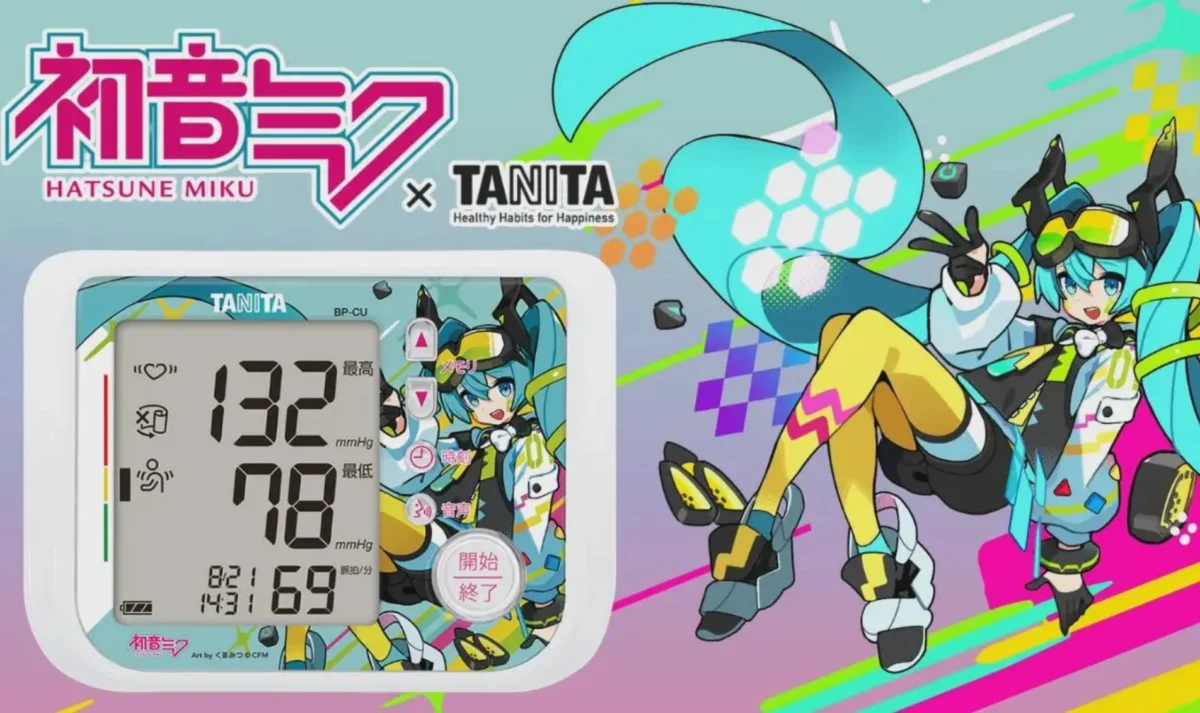
In a move that signals the deepening of parasocial relationships, virtual superstar Hatsune Miku has officially entered the healthcare sector. Partnering with a leading Japanese medical technology firm, the vocaloid has been integrated into a new line of blood pressure monitors.
Implications
This is not merely a branding exercise; it represents a functional integration of "personality-driven" UI/UX. Users with hypertension can now receive health updates delivered in the voice and persona of Miku. While critics point to the ethical nuances of relying on a virtual idol for medical data, the device highlights a growing trend: the commodification of digital companionship. In an era where consumers are increasingly isolated, companies are betting that familiar digital faces can drive better health adherence than traditional, clinical interfaces.
2. Chronology of Content: From Speedruns to Screenplays
Summer Games Done Quick (SGDQ) 2026
The gaming community’s philanthropic juggernaut, Summer Games Done Quick, concluded its 2026 run with a staggering $2.4 million raised for Doctors Without Borders. The event remains the gold standard for how creator-led communities can mobilize resources. By combining high-stakes speedrunning spectacle with clear charitable incentives, SGDQ continues to prove that gaming is a potent force for global social good.
Kane Parsons and the Democratization of Hollywood
In a significant win for the "YouTube-to-Hollywood" pipeline, director Kane Parsons (known to his millions of fans as KanePixels) recently completed the director’s cut of his 2026 horror blockbuster, The Backrooms. Remarkably, Parsons completed the entire edit on his personal laptop in under two weeks.
- The Significance: Studio executives are taking note. Parsons’ efficiency highlights a shift in production culture where the "creator mindset"—characterized by rapid iteration, self-sufficiency, and lean editing workflows—is becoming a competitive advantage in traditional film production.
3. The Biz: Print’s Renaissance and the Startup Pivot
TLDR News: The Print Paradox
While many legacy publishers struggle to find digital footing, TLDR News has done the inverse: they took a YouTube-based news brand and successfully launched a print magazine. The result? A 28% year-over-year revenue increase.
- Supporting Data: The magazine has evolved from a supplementary product into one of the company’s leading income streams. This serves as a vital lesson for the industry: digital-first creators should not shy away from physical media if it provides a tangible, high-value experience that reinforces their core brand identity.
From Reality TV to Tech Founders
Survivor season 48 winner Kyle Fraser and fellow contestant Kamila Karthigesu are proving that the skills needed to survive a remote island are surprisingly applicable to the startup world. The pair have launched Paprclip, a social media platform designed to facilitate collaborative projects between partners.
- Implications: The "body doubling" focus of the app—an productivity method involving working alongside someone else—addresses the growing remote-work isolation. By leveraging their reality TV personal brands, Fraser and Karthigesu are navigating the transition from "influencer" to "founder" with a clear utility-based product.
4. Branded Content: The Evolution of the NIL Era
Colin and Samir: The Automotive Journey
Creator duo Colin and Samir have embarked on a high-profile partnership with Lexus for their new series, Colin and Samir Start Over. The project, which chronicles their journey to rebuild after the Los Angeles wildfires, represents a new tier of branded content. It is not an advertisement; it is a long-form documentary series funded by a luxury automaker, signaling that brands are finally trusting creators with their own storytelling voices rather than forcing rigid ad scripts.
Livvy Dunne and the NIL Gold Rush
The Name, Image, and Likeness (NIL) landscape continues to mature. Livvy Dunne, a powerhouse in collegiate sports marketing, has teamed up with the snack brand Junkless to find the next "NIL Queen." The contest, judged by Dunne, is a masterclass in community funneling. By using an established creator to vet and crown a new generation of collegiate talent, the brand is effectively building a micro-influencer network with a built-in seal of approval.
5. Agency Dealings: Professionalization of the Creator Class
Amaury Guichon’s UTA Signing
The "nefarious chocolate guy," Amaury Guichon, has signed with UTA (United Talent Agency). This move underscores a wider trend: hyper-specialized creators are moving toward institutional representation to scale their businesses. Whether it’s massive chocolate sculptures or tech tutorials, the agency model is shifting from "talent management" to "business architecture."
Currents Management’s Strategic Expansion
Currents Management is doubling down on regional hubs, expanding into Nashville and Toronto. By hiring industry veterans like Ryan Linden and promoting Emma Clarke to lead the Nashville office, Currents is betting on the idea that the creator economy is no longer centralized in Los Angeles or New York. Nashville, in particular, has become a hotbed for creators pivoting into music and lifestyle content.
6. The Internet is a Strange Place: When Streams Have Consequences
The Jaylen Brown Twitch Controversy
The intersection of professional sports and creator culture hit a breaking point this week when NBA star Jaylen Brown was traded by the Boston Celtics. Reports indicate that his unfiltered commentary and spiraling discussions on Twitch streams played a tangible role in the front office’s decision to move him.
- The Lesson: Athletes, like all public figures, are learning the hard way that "the internet is forever." When your streaming personality conflicts with the professional requirements of your career, the fallout is rarely contained to the comment section.
Cultural Revisionism: TikTok in Literature
In a bizarre act of cultural updating, newer editions of the Pretty Little Liars books are replacing 2000s-era references (like Fear Factor) with mentions of TikTok.
- Implications: This raises a fundamental question about the longevity of pop culture. Are we creating a "living text" that stays relevant to Gen Z, or are we erasing the historical context that defined the original work? As creators continue to shape the zeitgeist, we must ask if our obsession with current trends is coming at the expense of cultural legacy.
The Rise of the "Constan-teens"
Finally, social media has taken an unexpected turn toward the historical. A trend involving the early Church Fathers and their hand gestures in art has exploded on TikTok. It serves as a reminder that the algorithm is unpredictable; it doesn’t care if you are a chocolatier, a basketball player, or a 4th-century theologian—if you have "swag," you have a platform.
Conclusion: The Creator Economy’s Next Act
As we look toward the remainder of 2026, the patterns are clear:
- Efficiency is King: Whether it’s Kane Parsons editing on a laptop or TLDR News printing a magazine, creators are finding that the fastest, most agile path to market is often the most successful.
- Platform Diversification: The "Jaylen Brown" effect serves as a cautionary tale: your digital output is an extension of your professional brand, and it is being watched by stakeholders who are not your fans.
- Institutional Integration: From Amaury Guichon’s agency signing to Lexus-funded documentaries, the walls between "amateur creator" and "professional media entity" have effectively crumbled.
The creator economy is no longer in its infancy. It is now the primary engine of global culture, and for those who can navigate the risks, the rewards have never been higher. As we move into next week, keep an eye on how these nascent trends—like the integration of AI-driven virtual idols in healthcare—begin to scale into the mainstream, changing not just how we consume media, but how we live our daily lives.

