

Each week, the creator industry evolves at a breakneck pace, shifting from viral trends and grassroots movements to major corporate acquisitions and intense political scrutiny. This week’s dispatch covers the intersection of charity, pop culture, the shifting landscape of traditional media, and the bizarre corners of the internet that continue to define modern discourse.
I. Main Facts: The Pulse of the Creator Industry
The creator economy is currently defined by a "maturation phase." We are moving away from the era of experimental content and into a period of institutional legitimacy. This week, we saw Tiltify formalize the recognition of philanthropic creators through its new "Creator Impact Honors," a move that signals the industry’s desire to quantify and celebrate social good. Simultaneously, the lines between traditional media and digital-native content have blurred further: Drunk History is migrating to YouTube, the Paul brothers are entering the boardroom at ESPN, and creators like Spencer Lackey are being fast-tracked into the Hollywood horror pipeline.
However, the industry also faced moments of collective mourning, notably the passing of internet-famous golden retriever Tucker Budzyn. His death serves as a poignant reminder of the parasocial connections that form the bedrock of the creator-fan relationship—a bond that brands are increasingly desperate to monetize through retail partnerships and digital integration.
II. Chronology: A Week in Review
- Monday: Tiltify announces its inaugural Creator Impact Honors, featuring a jury of industry heavyweights, including the powerhouse creator MatPat.
- Tuesday: Reports confirm the passing of Tucker Budzyn, sparking an outpouring of grief across TikTok and Instagram.
- Wednesday: Conservative creators intensify their public critique of TikTok, alleging a systemic liberal bias, while the U.K. government continues its push to prioritize public broadcasters on social algorithms.
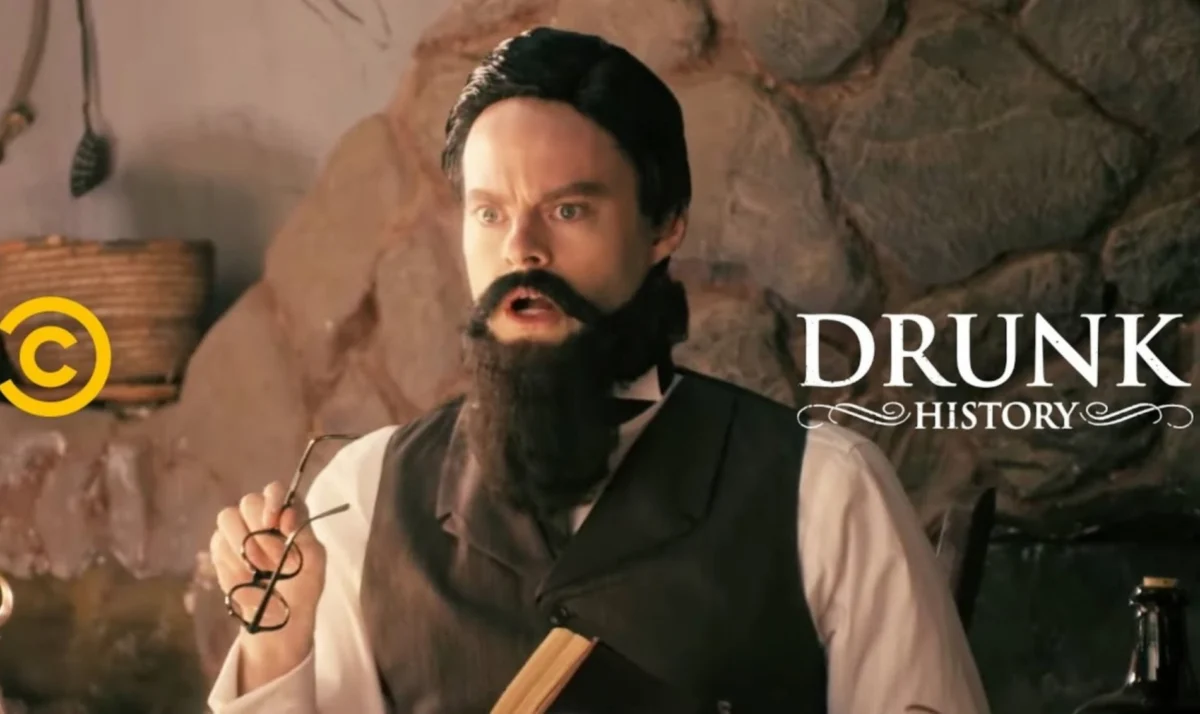
- Thursday: The Drunk History franchise announces a return to its roots, launching a three-episode special exclusively on the Comedy Central YouTube channel.
- Friday: "The Rizzler" inks a major deal with Bonkers Toys, signaling the rapid transition of short-form meme stars into physical retail staples.
- Saturday: Dominic Chianese, the 95-year-old Sopranos icon, premieres his new podcast, Dominic & Junior, proving that the creator age gap is widening in both directions.
III. Supporting Data: The Business of Influence
The creator economy is no longer just about views; it is about the "pipeline." Several data points this week highlight where the money is moving:
- The Horror Pipeline: The success of Backrooms and Obsession has proven that low-budget, high-concept horror originating on YouTube is a viable box office commodity. The signing of Spencer Lackey to a Neon/Blumhouse deal for his project Lust suggests that studios are now proactively scouting for creators with pre-established, loyal fanbases.
- Retail Integration: The "merch-to-retail" model has hit a new milestone. Following the success of MrBeast’s Feastables and the "Virginity Rocks" phenomenon, creators like D’Aydrian Harding are finding success in brick-and-mortar giants like Spencer’s. The data suggests that Gen Z and Gen Alpha consumers prioritize "community identity" (wearing a creator’s slogan) over traditional fashion brands.
- Platform Diversification: The inclusion of artist bbno$ as an avatar in Subway Surfers is a masterclass in modern music marketing. By embedding himself in a game that serves as the visual backdrop for millions of hours of TikTok content, he is effectively creating a perpetual ad for his personal brand.
IV. Official Responses and Industry Discourse
The Politics of the "Creator Class"
The role of creators in the political arena has never been more contentious. Representative Alexandra Ocasio-Cortez (AOC) publicly questioned the congressional obsession with streamer Hasan Piker, labeling the focus on individual influencers as a distraction from substantive governance. Conversely, conservative groups continue to target Section 230, arguing that the protection of platforms allows for the unchecked suppression of right-wing viewpoints.
Meanwhile, the geopolitical stage has entered the chat. Donald Trump recently criticized the United Kingdom’s plan to favor public broadcasters like the BBC on platforms like YouTube, labeling it "extraterritorial censorship." YouTube’s apparent alignment with this critique suggests that the platform is wary of government-mandated algorithmic shifts that could disrupt its global business model.
Charity as a Metric
Tiltify’s move to remove itself from the deliberation process of its new "Creator Impact Honors" is a strategic attempt to maintain neutrality. By appointing independent jurors—most notably MatPat—Tiltify is positioning itself as an infrastructure provider rather than a content gatekeeper. This response is critical to maintaining trust within the creator community, which has historically been skeptical of platform-driven awards.
V. Implications: Where Does the Industry Go From Here?
The events of this week highlight three major shifts that will shape the remainder of 2026 and beyond:
1. The Death of the "Digital-Only" Barrier
Traditional media is effectively cannibalizing the creator space. When Drunk History returns to YouTube, it is an acknowledgment that the "TV audience" no longer exists; there is only the "content audience." Expect to see more major networks shuttering cable slots in favor of "YouTube-first" distribution strategies.
2. The Professionalization of Meme Culture
The deal with "The Rizzler" and Bonkers Toys proves that "Gen Alpha" culture is moving from screen to shelf faster than ever. What was once a fleeting joke on a vertical feed is now a SKU in a national toy store. This rapid monetization of "rizz" and viral slang implies that brands are willing to bet on the shelf-life of a meme, even if the cultural context changes in a matter of months.
3. The Generational Expansion
For years, the creator economy was defined by youth. However, with 95-year-old Dominic Chianese launching a podcast, we are seeing the "democratization of the microphone." Older generations are recognizing that the barrier to entry for content creation—once thought to be a hurdle for the tech-illiterate—has been lowered to the point of near-zero friction.
4. The Horror of Monetization
The YouTube-to-Hollywood pipeline shows no signs of slowing down, but it does carry inherent risks. As studios like Blumhouse continue to pluck creators from the internet, the quality of these transitions will determine whether this is a sustainable trend or a "dot-com bubble" for horror content. If Lust fails, we may see a cooling off in studio investment; if it succeeds, we are looking at a fundamental shift in how casting and directing talent is sourced in the 21st century.
Conclusion: The New Normal
The creator industry is no longer an "alternative" to traditional business; it is the infrastructure upon which modern culture is built. Whether it is a 95-year-old actor finding a new audience on Spotify, or a snack brand attempting to define the "Halloween capital" of the U.S., the strategies are uniform: capture attention, maintain community, and monetize the connection.
As we look toward the final quarter of the year, the focus will likely remain on the tension between platform regulation and creator independence. With elections looming and antitrust legislation pending, the creator industry is bracing for a period of regulatory turbulence that may redefine the very definitions of "influencer" and "broadcaster" for the next decade.
Stay tuned—the feed is moving faster than ever.

