

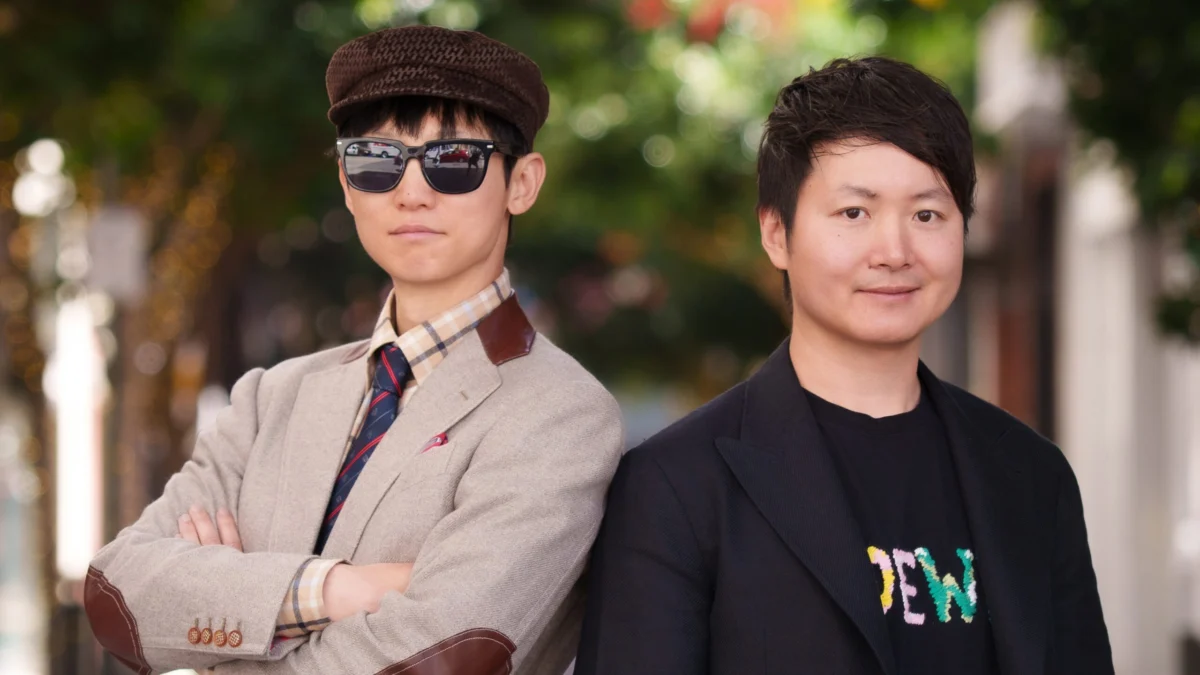
In an industry often polarized between the rigid structures of corporate publishing and the precarious nature of venture capital, a new player has emerged with a mandate to rewrite the rulebook. Denmu, an investment firm launched in 2025, has unveiled its initial $50 million fund with a clear, if ambitious, goal: to move beyond traditional equity-based models and provide a more nuanced, creator-centric framework for funding video games.
Founded by Ryan You and Michael Fan—both veterans of the industry with backgrounds at firms like Galaxy Interactive—Denmu represents a shift toward what its founders call a "glocal" approach. By operating as a bridge between Eastern and Western markets, the firm seeks to nurture the "auteurs" of the next generation, prioritizing creative vision over the checkbox-driven development cycles that have historically hampered innovation in AAA spaces.
The Genesis of Denmu: A New Model for Gaming Finance
The origins of Denmu—the name derived from the Japanese for "electric dreams"—lie in the founders’ shared frustration with the status quo. You and Fan observed that the traditional binary of publisher advances versus equity-based venture capital often failed to account for the unique lifecycle and cultural value of modern video games.
"A lot of the model is right, but games are pretty simple compared to other very capital-intensive industries," You explains. "It’s basically equity from investors and advances from publishers. We tried to see if there was a way to provide a more scaled and efficient way to bring capital to video games and support the games we want."
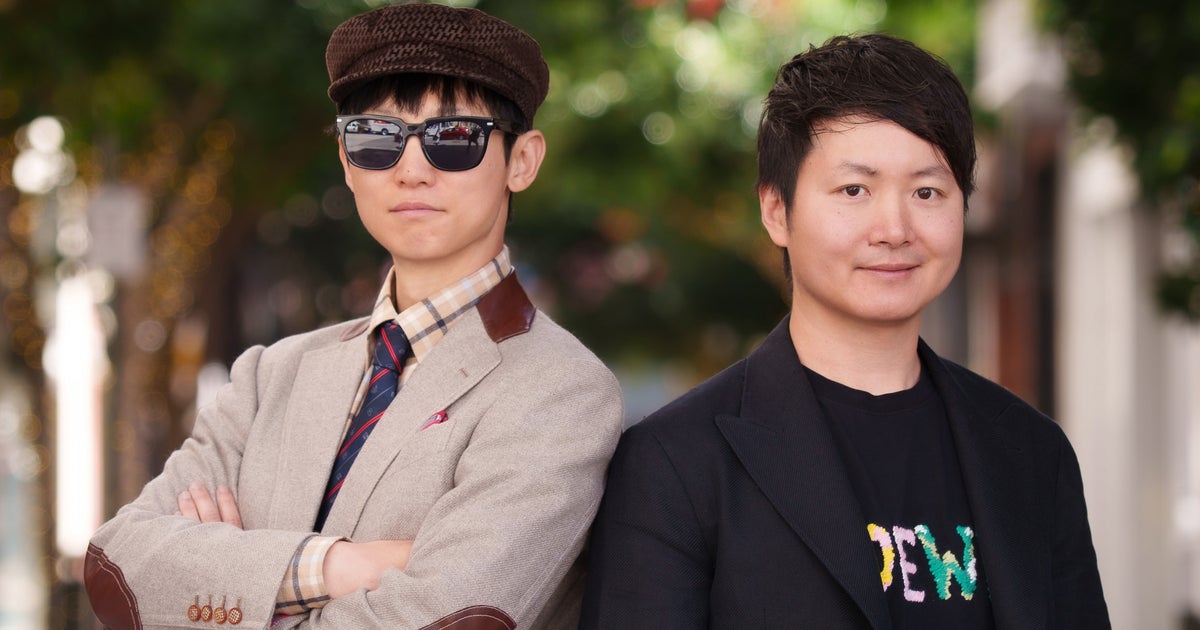
The duo posits that while equity and advances serve specific segments of the market well, they act as a straitjacket for projects that prioritize artistic integrity or experimental mechanics. By stepping in with a more flexible, long-term partnership model, Denmu hopes to act as a catalyst for projects that might otherwise be deemed "too risky" by traditional boardrooms.
Defining the Modern Auteur
Central to Denmu’s investment thesis is the concept of the "auteur." For Michael Fan, the term has been unfairly relegated to a status of celebrity worship—a holdover from the early-2000s era of "rockstar" game designers like Hideo Kojima or Peter Molyneux. Fan argues that the true meaning of an auteur is rooted in the French tradition of the politique des auteurs: the idea that a creative work should be an unfiltered reflection of its maker.
"The idea back then was, why should they make movies based on what the corporate studios want? Why should they make movies by checking boxes from the marketing guys?" Fan says. "The movie should be a reflection of the artist, of the people who made it. This is what some video games should be—a reflection of the human."
However, Fan is quick to clarify that this is rarely a solitary endeavor. He points to Denmu’s partnership with Too Kyo Games on The Hundred Line: The Last Defense Academy as a prime example. While the studio was founded by industry luminaries like Kazutaka Kodaka, the project is a collaborative effort involving a range of voices, including Zero Escape creator Kotaro Uchikoshi. For Denmu, identifying an auteur is not about finding a mascot; it is about identifying a team whose collaborative creative process possesses a distinct, cohesive vision.

Chronology of Operations and Strategy
Since its inception in 2025, Denmu has moved rapidly to establish a diverse portfolio. Their operational strategy is characterized by "co-financing," where Denmu acts as one of several stakeholders in a project. This approach allows the firm to participate in larger, AAA-scale productions—some with budgets ranging from $50 million to $100 million—without bearing the full weight of the financial risk.
Notable Milestones and Investments:
- 2025: Official launch of Denmu with a $50 million initial fund.
- Early Portfolio Expansion: The firm secures partnerships for The Hundred Line: Last Defense Academy, Blue Protocol: Star Resonance, Bleach: Soul Resonance, Labyrinth of the Demon King, MotorSlice, and Silly Polybeast.
- Strategic Growth: The firm establishes its "East-West bridge," facilitating marketing and production support for studios looking to cross over into international markets, particularly China and the West.
Denmu’s investment scale typically ranges from $1 million to $5 million for smaller titles, with occasional forays into larger projects. The firm remains tight-lipped about the commercial performance of these titles, though they note that early limited partner investors have already begun "doubling down" on their commitment to the firm, citing strong performance metrics.
The ‘Glocal’ Philosophy: Cultural Synthesis
Perhaps the most unique facet of Denmu is its deliberate focus on the cultural nuances of game development. Born in China, raised in France, and having spent the bulk of their careers in the United States, You and Fan are uniquely positioned to navigate the friction between these gaming powerhouses.
"It’s not global, it’s not local, it’s glocal," says Fan. "That’s a global understanding of local nuances."

This philosophy is particularly evident in their interest in the Chinese market. Rather than looking to China for low-cost labor or accelerated development speeds, Denmu is interested in the "creative energy" of a generation that has witnessed unprecedented societal shifts. Fan notes that the rapid modernization of China—moving from a bicycle-heavy society to an EV-dominated one in mere decades—will inevitably influence the next generation of creators.
"My question is, what games are they going to make that are going to be so wild and original that we have never seen them before?" Fan muses.
Implications for the Broader Industry
Denmu’s arrival comes at a time of contraction in the gaming investment sector. With many traditional venture capital firms exiting the space due to the volatility of the industry, Denmu is positioning itself as a vital alternative link between stagnant capital and hungry developers.
The Future Roadmap:
- Scaling the Prototype: You describes the initial $50 million fund as a "prototype." The firm intends to develop a significantly larger capital pool within the next five years.
- Customized Solutions: The goal is to move toward a model where every project receives a bespoke financing package, acting as a "one-stop shop" for developers at any stage of their journey.
- Filling the Vacuum: By bridging the gap between passive capital and active creative development, Denmu hopes to keep the industry’s "creative pipeline" flowing during periods of economic instability.
Official Stance and Future Outlook
The firm is under no illusions about the scale of the challenge. Both founders acknowledge that $50 million is a drop in the ocean of the multi-billion-dollar global gaming industry. However, they view their work as a proof-of-concept that will demonstrate to other capital sources—those who grew up playing games and want to reinvest in the medium—how to deploy funds effectively without stifling the creative soul of the product.

"Our goal down the road is to provide an alternative link between capital and the games industry, which is very much needed," You notes. "We pass on a lot of deals not because we don’t like them, it just doesn’t fit with our narrow model… the future plan is to develop a different model solution to meet different needs."
As the industry grapples with the fallout of corporate consolidation and the need for fresh, original content, Denmu’s experiment in "auteuristic" financing arrives as a potential lifeline. By aligning their capital with the long-term vision of creators rather than the short-term requirements of quarterly earnings, You and Fan are attempting to ensure that the "electric dreams" of developers become the lasting, culturally significant memories of tomorrow’s players.
For now, the team remains focused on the granular work of production and partnership, content in the knowledge that they are fostering a new generation of creators. "If we can keep doing this," says Fan, "I’ll be super happy."

