

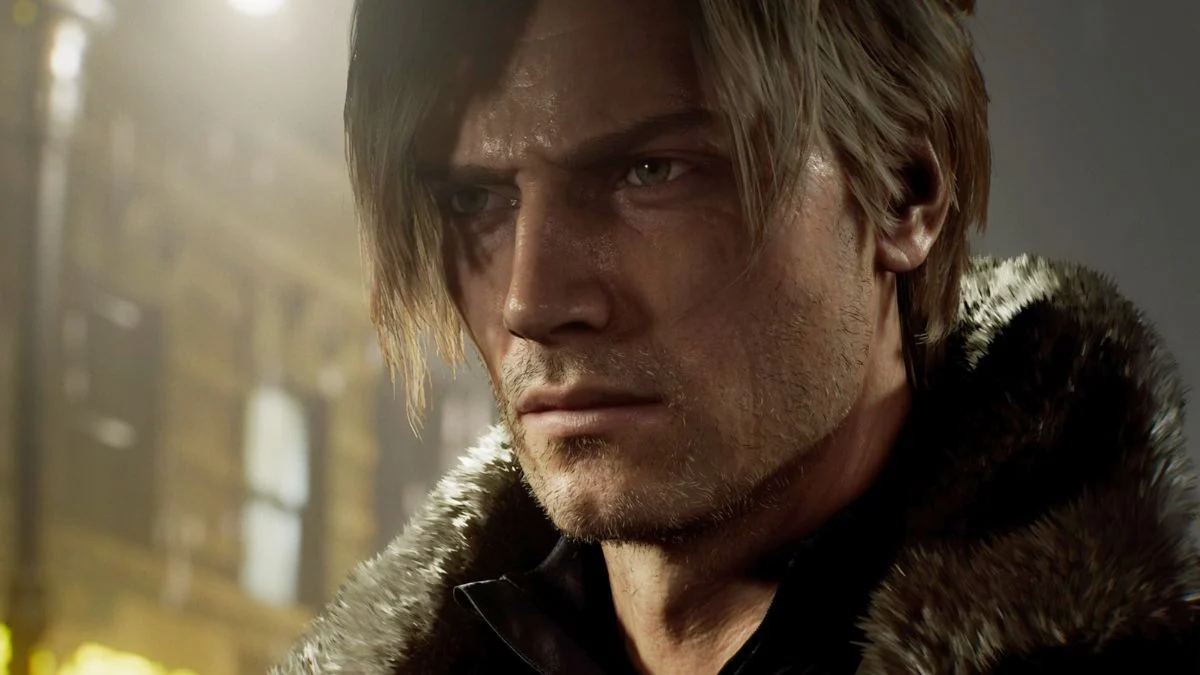
TOKYO — For nearly three decades, Capcom’s Resident Evil franchise has stood as the undisputed titan of the survival horror genre. Through shifting perspectives, evolving gameplay mechanics, and a sprawling, multi-generational narrative, the series has constantly reinvented itself. However, in recent years, the franchise has operated along two distinct, parallel tracks: the cutting-edge numbered entries pushing the modern timeline forward, and the critically acclaimed remake series meticulously modernizing the classic past.
Now, according to a recent revelation from veteran Resident Evil producer Jun Takeuchi, these two parallel tracks may not remain separate forever. Speaking in a candid Japanese print interview, Takeuchi revealed that Capcom is actively conceptualizing ways to bridge the gap between the nostalgic remakes and the contemporary numbered entries. If realized, this long-requested crossover would unify the franchise’s fractured timelines into a singular, cohesive narrative universe, setting the stage for one of the most ambitious crossover events in video game history.
Main Facts
The core revelation centers on the long-term trajectory of Capcom’s dual-track development strategy for Resident Evil.
- The Dual-Track Strategy: Capcom currently develops Resident Evil under two primary banners. Numbered titles—such as Resident Evil 7: Biohazard and Resident Evil Village—drive the contemporary ongoing story forward with new protagonists and modern threats. Simultaneously, the remake series reimagines legacy titles with modern graphics, controls, and narrative depth.
- The Eventual Collision: Producer Jun Takeuchi confirmed that as the remake series marches forward chronologically, it will inevitably catch up to the modern era of the numbered titles. Capcom is already designing the structural and narrative mechanisms to facilitate this convergence.
- Foreshadowing and Setup: According to Takeuchi, subtle world-building efforts have been underway for years. Modern titles have deliberately reintroduced classic lore elements—such as references to the Umbrella Corporation and Lord Ozwell E. Spencer in Resident Evil Village, alongside the haunting return of Raccoon City motifs in Resident Evil: Requiem—to lay the groundwork for this massive narrative convergence.
- Upcoming Slate: While Takeuchi remained tight-lipped regarding unannounced numbered titles, Capcom’s immediate future is anchored by the highly anticipated Resident Evil Veronica remake, officially slated for a 2027 release. This project revives the fan-favorite 2000 Dreamcast classic, Resident Evil – Code: Veronica.
Chronology of the Franchise: How the Timelines Diverged and Converged
To understand the magnitude of Takeuchi’s statements, it is necessary to examine the chronological evolution of the Resident Evil universe and how Capcom’s development strategy split the franchise into two distinct eras.
The Classic Foundation (1996–2009)
The franchise began in 1996 with Shinji Mikami’s original Resident Evil, establishing the survival horror template through fixed camera angles and resource management. Over the next decade, sequels expanded the lore, culminating in Resident Evil 4 (2005), which revolutionized third-person action gaming, and Resident Evil 5 (2009) and Resident Evil 6 (2012), which leaned heavily into global bioterrorism plots and blockbuster action.
The Shift to First-Person and Modern Horrors (2017–2021)
Fearing the franchise had strayed too far from its survival horror roots, Capcom dramatically shifted gears with Resident Evil 7: Biohazard (2017). Adopting a first-person perspective and introducing a new protagonist, Ethan Winters, the game revitalized the series. This trajectory continued with Resident Evil Village (2021), which further explored deep lore connections to the series’ origins while keeping the immediate focus on Winters’ harrowing plight.
The Remake Renaissance (2019–Present)
Parallel to the Ethan Winters saga, Capcom launched a modern remake initiative with Resident Evil 2 (2019), followed by Resident Evil 3 (2020) and the widely celebrated Resident Evil 4 remake (2023). These titles did not merely apply a fresh coat of paint; they recontextualized classic events, polished character arcs, and modernized gameplay mechanics, creating a booming secondary timeline that fans consumed with ravenous appetite.
Now, with Resident Evil: Requiem touching upon legacy locations and Resident Evil Veronica locked in for 2027, the gap between the past and the present is narrowing rapidly.
Supporting Data and Evidence
While Takeuchi’s comments provide the macro-level vision, fans and industry analysts have spent years cataloging the micro-level clues left inside recent releases. Capcom’s meticulous planning is evident across several recent titles:
| Game Title | Release Year | Key Narrative Elements / Setup for Crossover |
|---|---|---|
| Resident Evil 7: Biohazard | 2017 | Reintroduced classic bio-weapons concepts and featured a cameo by Chris Redfield under the controversial Blue Umbrella banner, bridging old legends with new players. |
| Resident Evil Village | 2021 | Deepened the lore by explicitly referencing Ozwell E. Spencer, the Umbrella Corporation’s origins, and the connections between Mother Miranda and the Umbrella symbol. |
| Resident Evil 4 Remake | 2023 | Modernized key characters like Luis Sera and Krauser, updating their backstories to fit seamlessly into a more cohesive, modern canon framework. |
| Resident Evil: Requiem | TBD | Features the evocative return of Raccoon City imagery, serving as a thematic bridge between the horrific legacy of the Arklay Mountains disaster and contemporary threats. |
| Resident Evil Veronica | 2027 (Scheduled) | The next major narrative anchor in the remake timeline, focusing on Claire and Chris Redfield’s pursuit of Umbrella, crucial for setting up later chronological events. |
These interconnected narrative threads demonstrate that Capcom’s storytelling is no longer happening in a vacuum. Every Easter egg, lore drop, and legacy character appearance in recent years has served a dual purpose: enriching the immediate game while building structural scaffolding for the eventual timeline collision.
Official Responses and Industry Reception
The reaction from the global gaming community to Takeuchi’s interview—initially spotted by observant fans and translated from Japanese publications via outlets like GamesRadar—has been overwhelmingly enthusiastic.
Social media platforms, particularly X (formerly Twitter) and dedicated Reddit communities like r/residentevil, lit up with speculation following the translation of Takeuchi’s remarks. The concept of the remake timeline eventually breaking out of its historical confines to intersect with the modern era opens up staggering possibilities for character reunions and narrative resolutions.
However, Capcom has maintained a measured and disciplined public relations stance. Company representatives have consistently avoided confirming whether the remake treatment will eventually extend to Resident Evil 5 and Resident Evil 6. While fans frequently clamor for modernized iterations of Chris Redfield and Sheva Alomar’s African campaign or Leon S. Kennedy’s global adventures in RE6, Capcom has opted to focus public attention strictly on the near-term horizon—most notably the 2027 launch of Resident Evil Veronica.
Industry insiders note that Capcom’s cautious approach prevents over-promising while maintaining narrative flexibility. By keeping their long-term roadmap adaptable, the development team can gauge fan reception, technological advancements, and creative inspirations as they design the connective tissue between the two eras.
Implications for the Future of Survival Horror
The prospect of a unified Resident Evil universe carries profound implications for the franchise, its developers, and its audience.
Narrative Resolution for Legacy Characters
Characters introduced in the classic era—such as Leon S. Kennedy, Jill Valentine, Claire Redfield, and Ada Wong—have aged differently across the distinct timelines. A successful crossover could provide definitive narrative closure or fresh dynamic arcs for these iconic heroes, allowing them to interact with newer figures introduced in the post-Ethan Winters era.
Technological and Design Convergence
As video game hardware evolves into the PlayStation 5 Pro and Xbox Series X/S generation, the technical gap between remakes and numbered entries naturally dissolves. Both tracks are now built upon the powerhouse RE Engine, ensuring a consistent visual fidelity, physics model, and atmospheric tone. This technical parity makes a seamless crossover far more feasible than it would have been a decade ago.
The Shape of Future Entries
Following Resident Evil Veronica in 2027, Capcom will stand at a critical crossroads. Will the studio continue mining deeper cuts from the archives, or will the remake series finally pull abreast of the modern timeline? If Takeuchi’s vision holds true, the next decade of Resident Evil will not just be a retrospective journey into nostalgia, but a grand unification where the ghosts of Raccoon City finally confront the horrors of the modern world.
As Capcom continues to refine its craft and guard its secrets closely, one thing remains certain: the nightmare that began in a modest mansion outside Raccoon City in 1996 is far from over, and its sprawling tendrils are drawing closer together than ever before.

