

By: Gaming Industry Desk
Published: October 2024
Main Facts
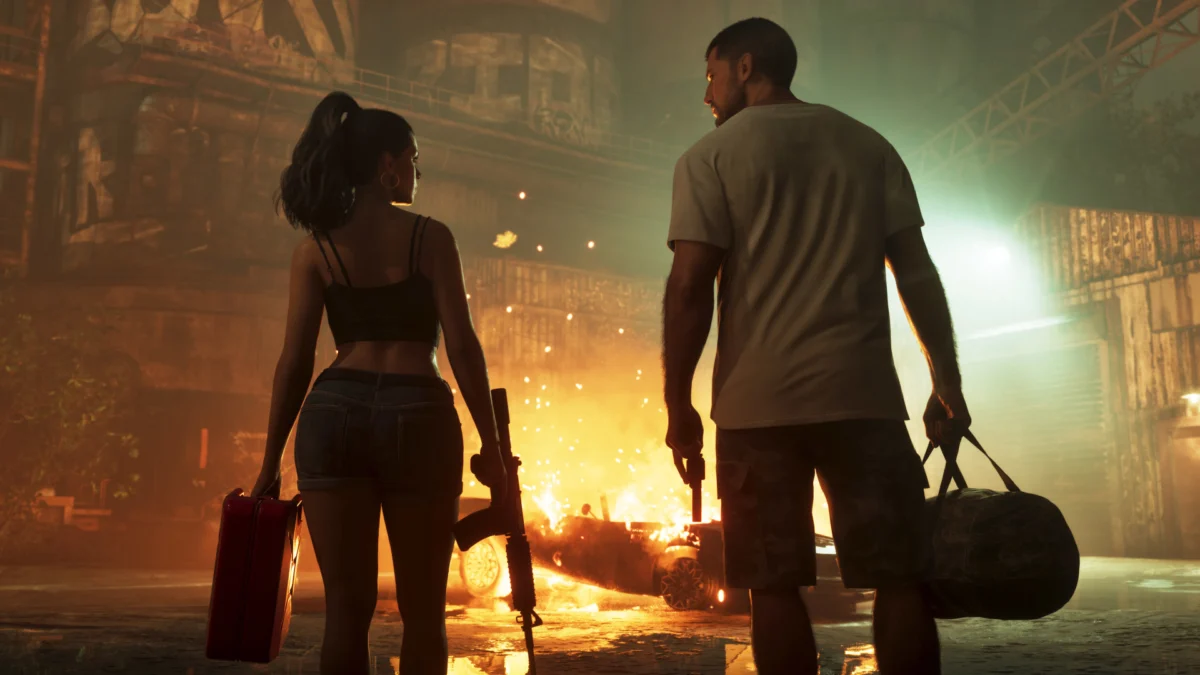
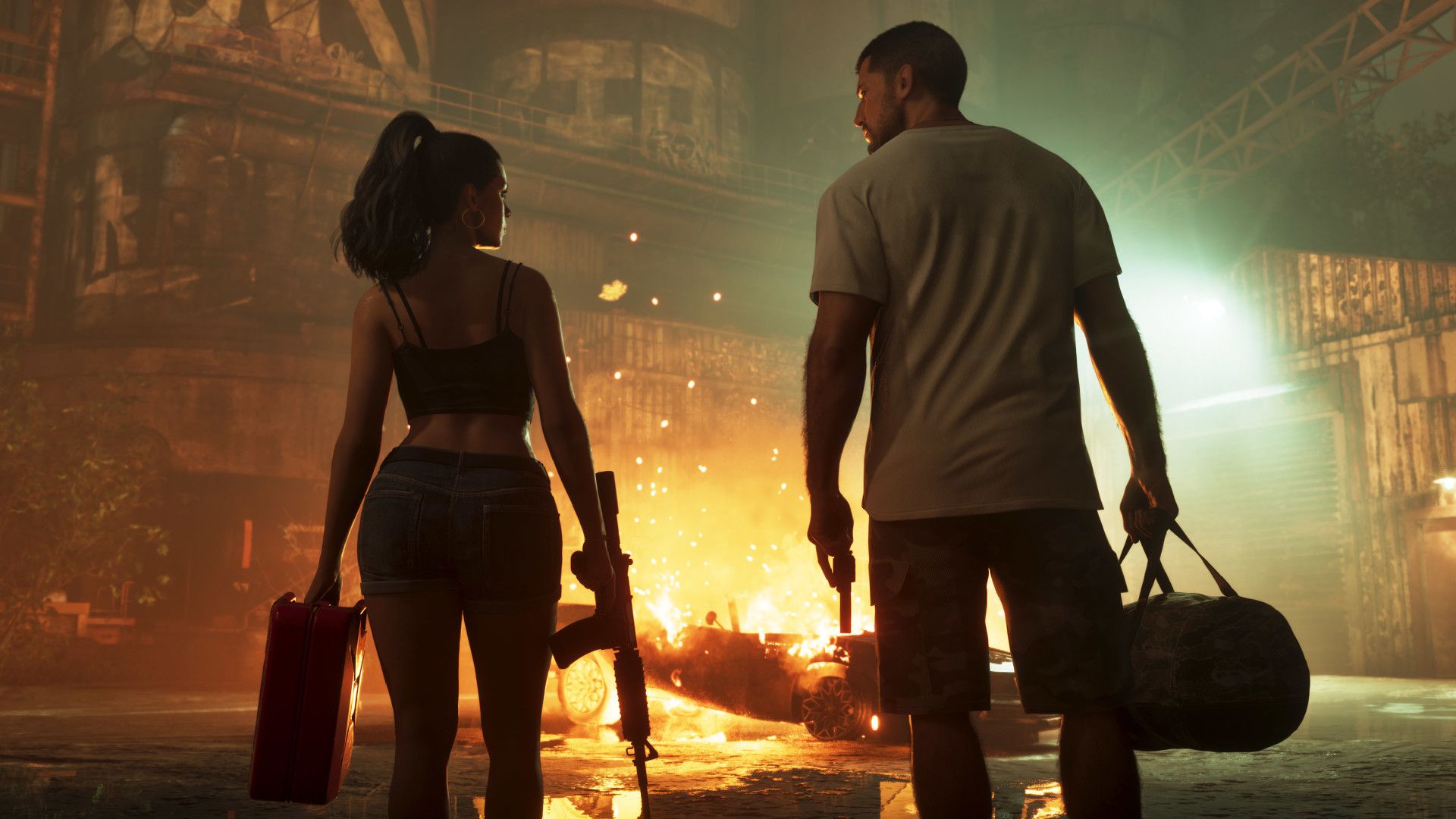
As the gaming industry holds its breath for the release of Grand Theft Auto 6, Rockstar Games has begun pulling back the curtain on the creative philosophy driving its next monumental project. In a revealing new interview with French cultural outlet TroisCouleurs, Rockstar North co-studio head Rob Nelson outlined the studio’s ambitious narrative goals for the upcoming title’s dual protagonists, Jason and Lucia.
At the core of Rockstar’s strategy is a deliberate pivot toward deep emotional resonance—a direct inheritance from Red Dead Redemption 2 and its universally acclaimed protagonist, Arthur Morgan. Rather than relying solely on the satirical chaos, explosive set-pieces, and cynical humor that defined past entries in the franchise, GTA 6 aims to capture the quiet, character-driven intimacy that made Arthur’s journey one of the most enduring stories in video game history.
By scaling back from Grand Theft Auto 5’s sprawling three-protagonist structure to a more focused romantic and criminal duo, Rockstar hopes to foster genuine player empathy, raising the narrative stakes higher than ever before.
Chronology: The Evolution of Rockstar’s Storytelling
To understand the weight of what Rockstar is attempting with Jason and Lucia, it is necessary to examine how the studio’s narrative techniques have evolved over the past two decades:
- The 3D Era (2001–2004): Games like GTA III, Vice City, and San Andreas revolutionized open-world gaming. Protagonists like Claude, Tommy Vercetti, and Carl Johnson were iconic and endlessly quotable, yet their character arcs primarily served as vehicles for rise-and-fall crime sagas driven by cinematic tropes rather than profound psychological depth.
- The HD Era Beginnings (2008–2010): With GTA IV’s Niko Bellic and Red Dead Redemption’s John Marston, Rockstar began experimenting with tragedy, moral gray areas, and the consequences of a life of crime. Niko’s cynicism and John’s desperate quest for redemption laid the groundwork for more complex character writing.
- The Ensemble Experiment (2013): Grand Theft Auto 5 introduced a tripartite protagonist system: Michael, Franklin, and Trevor. While mechanically innovative, allowing players to swap between characters on the fly, the relationship between the three men was strained, transactional, and occasionally volatile. They tolerated one another out of necessity rather than deep mutual affection.
- The Masterpiece of Empathy (2018): Red Dead Redemption 2 arrived to redefine open-world storytelling. Arthur Morgan became a watershed moment for the medium. His internal conflicts, vulnerability, quiet moments of introspection, and ultimate redemption forged an unprecedented emotional bond with players.
- The Next Frontier (Present): Rockstar is now applying the lessons learned from Arthur Morgan’s journey to the modern-day neon-soaked streets of Leonida in GTA 6, utilizing a dynamic duo whose relationship forms the emotional beating heart of the game.
Supporting Data and Creative Vision
The challenge of following up a generational masterpiece like Red Dead Redemption 2 cannot be overstated. Arthur Morgan set an exceptionally high bar for character writing in interactive entertainment, leaving many fans and critics to wonder if a contemporary crime simulator could ever match that level of raw humanity.
According to Rob Nelson, the development team at Rockstar North faced this exact creative pressure head-on. Rather than running away from the shadow of Arthur Morgan, they chose to deconstruct what made him work and transplant those foundational pillars into a modern setting.
"We wanted to take the depth that we were able to add into the world of Red Dead Redemption 2 and the ability to interact with the world in a much more significant way, but then also this sort of emotional connection that people end up having with Arthur," Nelson explained in his interview with TroisCouleurs.
A crucial element of this approach is the decision to return to a dual-protagonist setup—though with a vastly different dynamic than GTA 5. While Michael, Franklin, and Trevor often felt like distinct narrative silos operating within the same city, Jason and Lucia are deeply intertwined, sharing a Bonnie-and-Clyde dynamic that necessitates a baseline of genuine intimacy.
Rockstar’s preview footage highlights this difference through mundane, quiet interactions. In contrast to GTA 5, where characters were rarely seen sharing domestic spaces unless forced by a mission trigger, GTA 6 showcases Jason and Lucia preparing for outings together, sharing quiet glances, and exhibiting a physical and emotional vulnerability that redefines the player’s perception of them.
Official Responses and Insights from Rockstar Leadership
Rockstar has been uncharacteristically transparent about the developmental milestones and creative philosophies guiding GTA 6. Beyond Nelson’s insights into character intimacy, studio leadership has emphasized that every design choice—from musical curation to pacing—serves a grander narrative purpose.
Reflecting on the rollout of the game’s marketing, Rockstar executives noted that when the record-shattering first trailer dropped, the game wasn’t even "fully formed." However, the intentional choice of Tom Petty’s "Love Is a Long Road" as the trailer’s backing track acted as a definitive mission statement. It signaled that beneath the satire, the high-speed chases, and the viral-ready social media parodies of modern Florida, GTA 6 is fundamentally a story about connection, loyalty, and the friction of human relationships under pressure.
Nelson emphasized that these quieter, domestic beats are not filler; they are foundational tools designed to make the high-octane violence and cinematic set-pieces carry real weight. He pointed to specific cinematic sequences shown internally, such as a moment where Lucia is violently thrown down a flight of stairs, followed immediately by a perspective shift to Jason.
"When you see her get thrown down the stairs and then you switch to him, and you can’t hear her, it’s the feeling of concern," Nelson noted.
By building genuine affection and dependency between the two leads, Rockstar is weaponizing the player’s empathy. The stakes are no longer just about escaping the police or securing a massive payout; they are about keeping someone you care about alive in a hostile world.
Implications for the Industry and the GTA Franchise
The strategic pivot toward emotional intimacy in GTA 6 carries profound implications for both Rockstar Games and the broader video game industry.
1. Redefining the Open-World Sandbox
For decades, open-world crime games have encouraged mindless destruction and systemic chaos. While GTA 6 will undoubtedly retain the chaotic sandbox freedom that fans expect, anchoring that freedom to characters who genuinely care about each other introduces a fascinating dissonance. Players may find themselves thinking twice about reckless behavior if it threatens the delicate emotional equilibrium between Jason and Lucia.
2. Setting a New Standard for Co-Protagonists
Co-op and multi-character mechanics in single-player games have historically struggled to create compelling interpersonal drama without feeling gimmicky. If Rockstar successfully executes a deeply emotional, interdependent relationship between two playable leads, it will provide a masterclass for narrative designers across the industry, proving that complex romance and partnerships can work effectively within a high-octane action framework.
3. The Legacy of Arthur Morgan Lives On
Ultimately, the greatest implication of Rockstar’s current creative direction is that Red Dead Redemption 2 was not an isolated artistic peak, but a permanent evolution of the company’s ethos. Rockstar is signaling that they no longer wish to rely solely on cynical satire and shock value. Instead, they want players to feel—to mourn, to worry, and to love the people on the screen just as deeply as they did the rugged, TB-afflicted outlaw of the vanishing American frontier.
As the release window draws closer, all eyes will remain locked on Rockstar North. If Jason and Lucia can capture even a fraction of the emotional lightning in a bottle that Arthur Morgan achieved, Grand Theft Auto 6 will transcend its status as a commercial juggernaut and cement itself as a defining artistic milestone of modern interactive media.

