

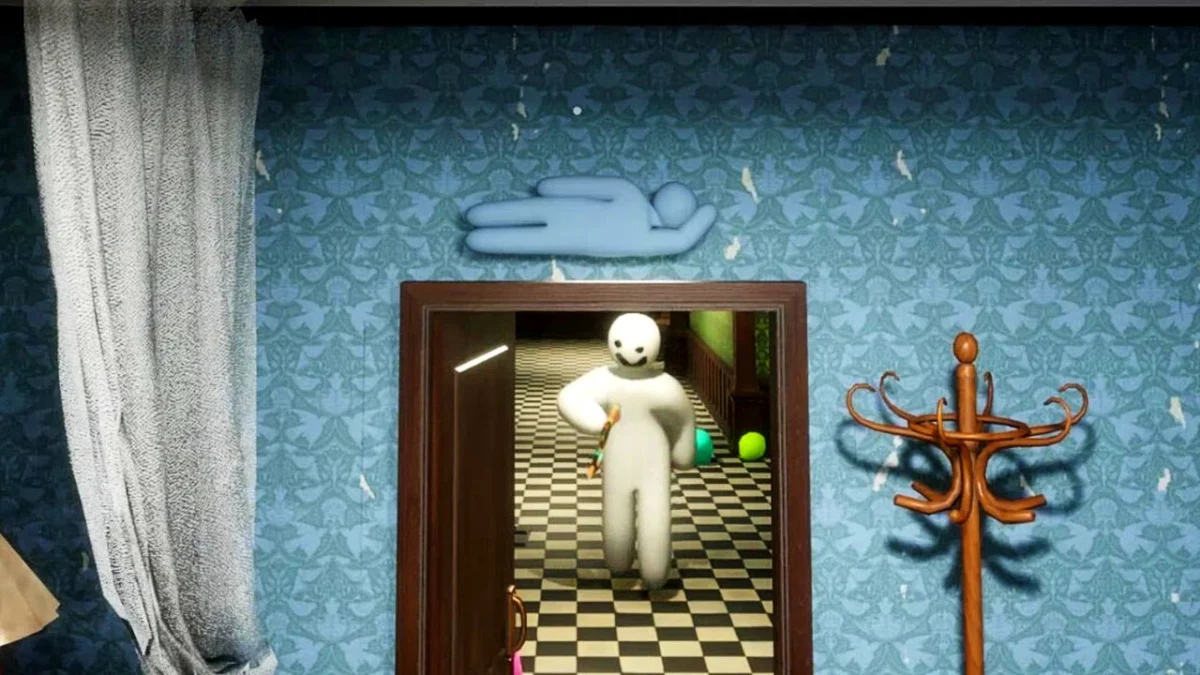
The global video game industry, often dominated by billion-dollar conglomerates and multi-year AAA development cycles, has been blindsided by a digital phenomenon that few saw coming. Meccha Chameleon, a minimalist multiplayer hide-and-seek title developed by a skeleton crew, has officially crossed the 15-million-unit sales threshold in less than four weeks. This milestone does more than just secure the game’s financial future; it cements Meccha Chameleon as both the fastest-selling and highest-selling title of the year to date, outperforming some of the most anticipated blockbusters in modern gaming history.
In an era where marketing budgets often rival development costs, the meteoric rise of Meccha Chameleon serves as a potent reminder of the power of emergent gameplay and social media virality. As the game continues to dominate Steam charts and social media feeds, industry analysts are beginning to dissect how a project of this scale managed to eclipse the commercial performance of titans like Resident Evil Requiem, Forza Horizon 6, and Crimson Desert.
The Core Mechanics: Why Simplicity Captured the Global Imagination
At its heart, Meccha Chameleon is an evolution of the "Prop Hunt" genre—a staple of the modding community for decades—refined into a polished, stand-alone experience. The premise is deceptively simple, which is perhaps its greatest strength. Players are divided into two teams: Hiders and Seekers.
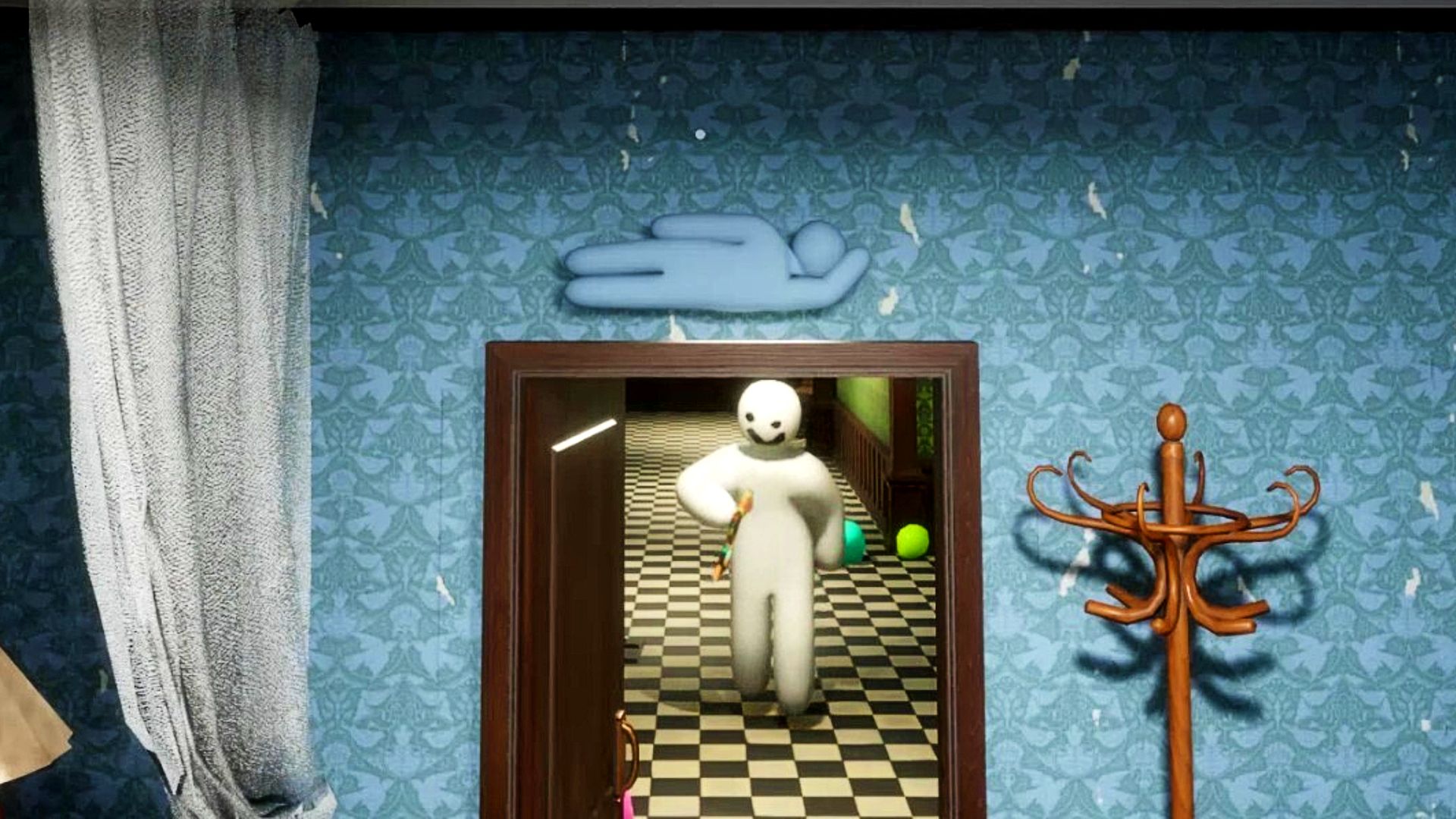
The Hiders begin each round as featureless, all-white avatars. Their objective is to find a vantage point within a densely packed environment and "paint" their bodies to match the textures and colors of the background. This creates a high-stakes game of visual camouflage where a player might attempt to blend into a brick wall, a pile of crates, or even a cluttered kitchen counter.
The Seekers, conversely, are armed and tasked with identifying these disguised players. The tension of the game arises from the "shoot first, ask questions later" mentality; Seekers must be discerning, as shooting inanimate objects often carries penalties or reveals their position. The game’s viral appeal is frequently rooted in its moments of absurdity—a Seeker frantically gunning down a suspicious roll of toilet paper or a stack of books, only to realize the Hider was actually disguised as the ceiling fan above them.
This "vaguely silly" nature, as described by early adopters, has made the game a goldmine for content creators. Short-form video platforms like TikTok and YouTube Shorts have been flooded with clips of improbable escapes and hilarious seeker blunders, providing the game with a level of organic marketing that money cannot buy.
A Chronology of a Viral Outbreak
The trajectory of Meccha Chameleon’s success is a study in exponential growth. Unlike many indie titles that rely on a "slow burn" of community building, this game exploded almost immediately upon its release on Steam.
- Week 1: The Spark: Upon launch, the game benefited from immediate pickup by high-profile streamers. Its low price point and "easy to watch, easy to play" nature led to an initial surge of several hundred thousand copies.
- Week 2: The Seven-Million Milestone: By the end of the second week, the developers announced they had cleared seven million units. This was the moment the industry took notice. The developers celebrated this milestone by teasing a Japan-themed map, signaling to the player base that long-term support was a priority.
- Week 4: The 15-Million Record: Less than a month after its debut, the game doubled its already staggering numbers. Reaching 15 million copies in under 30 days places Meccha Chameleon in a rarified atmosphere, comparable to the launch windows of franchises like Grand Theft Auto or Call of Duty.
Supporting Data: David vs. the AAA Goliaths
To understand the scale of this achievement, one must look at the competitive landscape of the current year. Daniel Ahmad, a prominent video game analyst at Niko Partners, highlighted that Meccha Chameleon has effectively "sucked the air out of the room" for other major releases.
According to market data, the game has outsold:
- Resident Evil Requiem: Despite being part of a legendary horror franchise with a massive built-in audience.
- Forza Horizon 6: A technical showcase for hardware that usually dominates the racing genre.
- Crimson Desert: A high-budget open-world epic that had been years in the making.
Ahmad notes that the game’s "affordable price tag" is a significant factor. While AAA titles are increasingly pushing toward the $70 USD mark, Meccha Chameleon occupies a "budget-friendly" tier that encourages impulse purchases. However, price alone does not explain 15 million sales; the game’s success is a combination of accessibility, low system requirements, and a gameplay loop that rewards repeat sessions.
Furthermore, the technical stability of the game has been a surprise to many. Often, when a two-person development team experiences a "viral hit," the sudden influx of millions of players crashes servers and reveals game-breaking bugs that the small team cannot fix fast enough. Meccha Chameleon has defied this trend. The developers have been praised for their consistent updates, bug fixes, and ability to scale their infrastructure to meet the unprecedented demand.
Official Responses and Future Roadmap
The developers have maintained a humble yet proactive stance throughout this whirlwind. In a recent short blog post on Steam, the team expressed their gratitude to the community.
"Thanks a million! Get ready for a new collaboration with a famous Japanese star next week," the developers wrote.
This announcement of a high-profile collaboration suggests that the revenue generated from the initial 15 million sales is already being reinvested into the game’s ecosystem. Partnering with a "famous Japanese star" indicates an intent to solidify the game’s presence in the Asian market, which is a critical territory for long-term multiplayer sustainability. While the identity of the star remains under wraps, speculation among the community ranges from popular VTubers to mainstream cultural icons, any of whom would further propel the game’s visibility.
Implications for the Gaming Industry
The success of Meccha Chameleon is not an isolated event; it is the latest and perhaps most dramatic example of a shifting tide in the gaming industry. There are several key implications that studios and publishers are now forced to consider:
1. The Death of the Traditional Marketing Funnel
For decades, the path to a multi-million-seller involved cinematic trailers, E3 presentations, and massive billboard campaigns. Meccha Chameleon proves that a game can reach the top of the charts almost exclusively through "algorithm-friendly" design. If a game is "clip-able"—meaning it produces short, entertaining, and understandable moments—the players will handle the marketing themselves.
2. The Value of "Mechanical Novelty" over "Graphical Fidelity"
While Crimson Desert and Forza focus on hyper-realistic textures and ray-tracing, Meccha Chameleon focuses on a single, unique mechanic: the painting system. This suggests that a large segment of the gaming public is starving for new ways to interact with digital worlds, rather than just more realistic versions of interactions they have had for twenty years.
3. The "Indie-as-a-Service" Model
The ability of two developers to maintain a game with 15 million users challenges the notion that "Live Service" games require thousands of employees. By keeping the scope manageable and the updates focused on community feedback, small teams can compete with—and beat—the biggest studios in the world in terms of player retention and engagement.
4. The Rise of "Low-Stakes" Social Gaming
The "Hide-and-Seek" nature of the game taps into a primal form of play that is low-stress compared to the high-intensity environments of "Battle Royale" games like Warzone or Apex Legends. This "cozy-competitive" niche is expanding, attracting players who want social interaction without the toxic atmosphere often found in more "hardcore" shooters.
Conclusion: A New Benchmark
As Meccha Chameleon enters its second month, the question is no longer whether it is a success, but how high its ceiling actually is. With 15 million copies sold and a major collaboration on the horizon, the game is well-positioned to become a permanent fixture in the multiplayer landscape.
For the two developers behind the project, the journey from a "vaguely silly" indie project to the year’s biggest hit is a testament to the unpredictable, meritocratic nature of the modern Steam marketplace. For the rest of the industry, it is a wake-up call. In a world of chameleons, the most dangerous thing you can be is predictable. Meccha Chameleon was anything but, and the world has rewarded it with a record-breaking debut that will be studied for years to come.

