

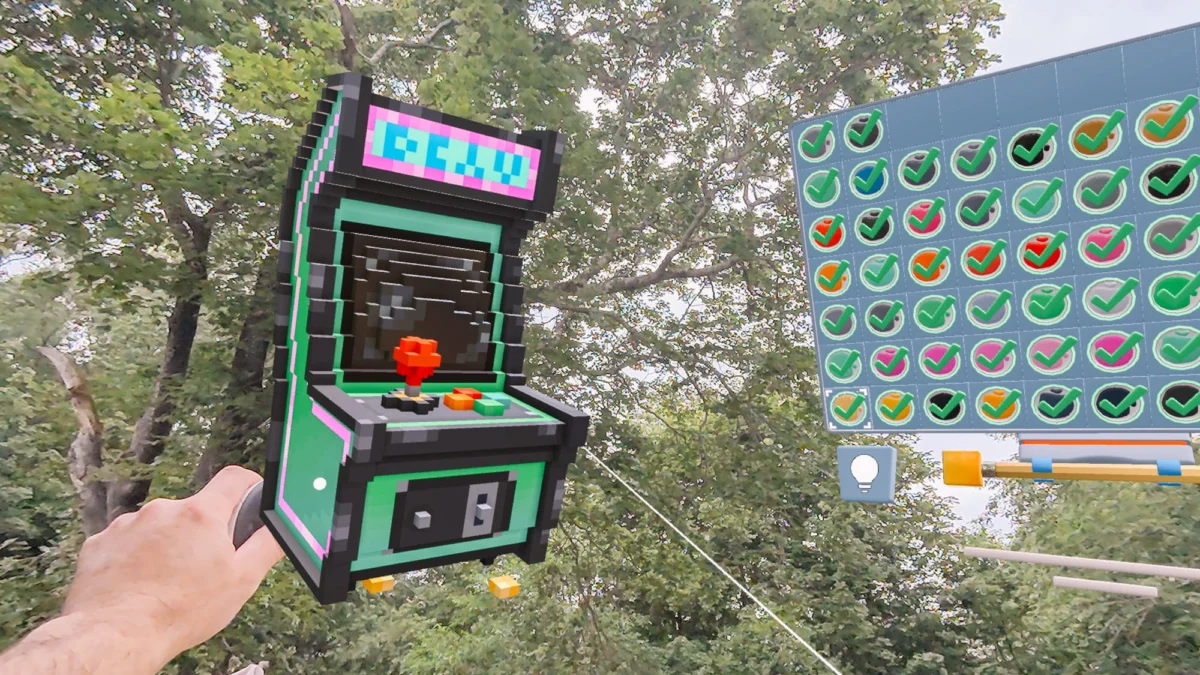
In an era where virtual reality (VR) and mixed reality (MR) are frequently defined by high-octane shooters, grueling fitness simulations, and competitive multiplayer arenas, Color-A-Cube arrives as a quiet, meditative antithesis. Developed and published by AlterEyes, this voxel-based, color-by-number experience prioritizes the slowing of one’s heart rate over the climbing of a leaderboard. Recently hitting its 1.0 milestone, the game offers a masterclass in how simple, tactile interactions can ground users in both virtual and physical environments.
Main Facts: A Digital Sanctuary
Color-A-Cube is, at its core, a digital coloring book brought into the third dimension. Players are presented with intricate voxel models—sculptures composed of individual, numbered cubes—and tasked with filling them with their corresponding colors. The experience is designed to be low-stakes and high-comfort, functioning as an ideal "wind-down" activity after a taxing day.
- Developer/Publisher: AlterEyes
- Platforms: Meta Quest, PICO
- Release Date: June 18, 2026
- Price: $7.99 (includes a free trial)
- Content Model: Over 100 base models at launch, with weekly free content drops and monthly paid DLC packs.
The game’s accessibility is its greatest asset. By removing the pressure of time limits or performance metrics, AlterEyes has created a space where the process—the act of painting—is the reward.
A Chronology of Development
The journey to the 1.0 release of Color-A-Cube was defined by a steady, iterative refinement process during its Early Access phase.
- Initial Concept Phase (Late 2025): AlterEyes identified a gap in the VR market for "cozy" creative titles. The goal was to bridge the gap between traditional mobile coloring apps and the immersive potential of spatial computing.
- Early Access Launch (Early 2026): The game entered the public sphere, allowing for community feedback regarding control schemes and UI ergonomics. During this period, the developers focused heavily on perfecting the haptic feedback and the "feel" of the painting interaction.
- Version 1.0 Release (June 18, 2026): The full launch marked the culmination of these efforts, introducing a polished control scheme, a massive library of over 100 models, and a robust, sustainable pipeline for future content.
Supporting Data: The Anatomy of the Experience
To understand why Color-A-Cube feels so satisfying, one must look at its technical execution. The game utilizes a dual-hand control scheme that mimics the natural behavior of handling a physical object.
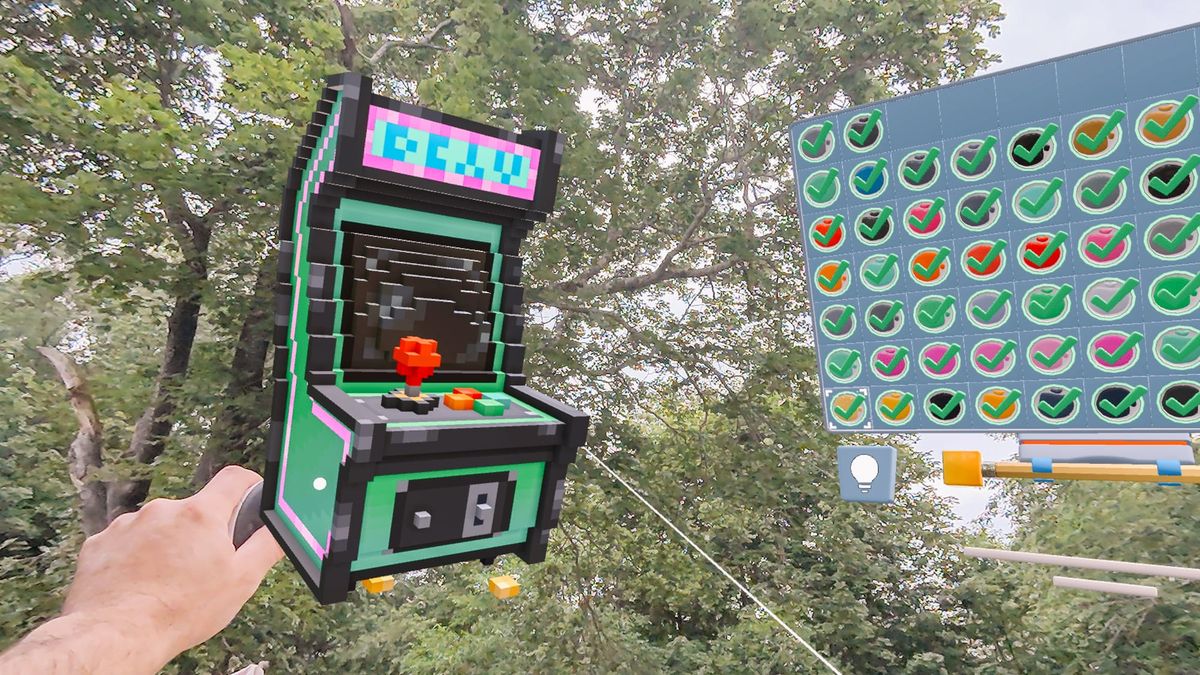
The Mechanics of Flow
The dominant hand serves as the brush, while the non-dominant hand acts as the "canvas handler." This division of labor allows for intuitive manipulation:
- Rotation: Users can rotate the voxel model on both the X and Y axes using the thumbstick, or by physically grabbing the model with their non-dominant hand.
- Spatial Awareness: By using both hands, players can "pinch-to-zoom," effectively resizing the model to reach obscured corners or to admire the finer details of the voxel artistry.
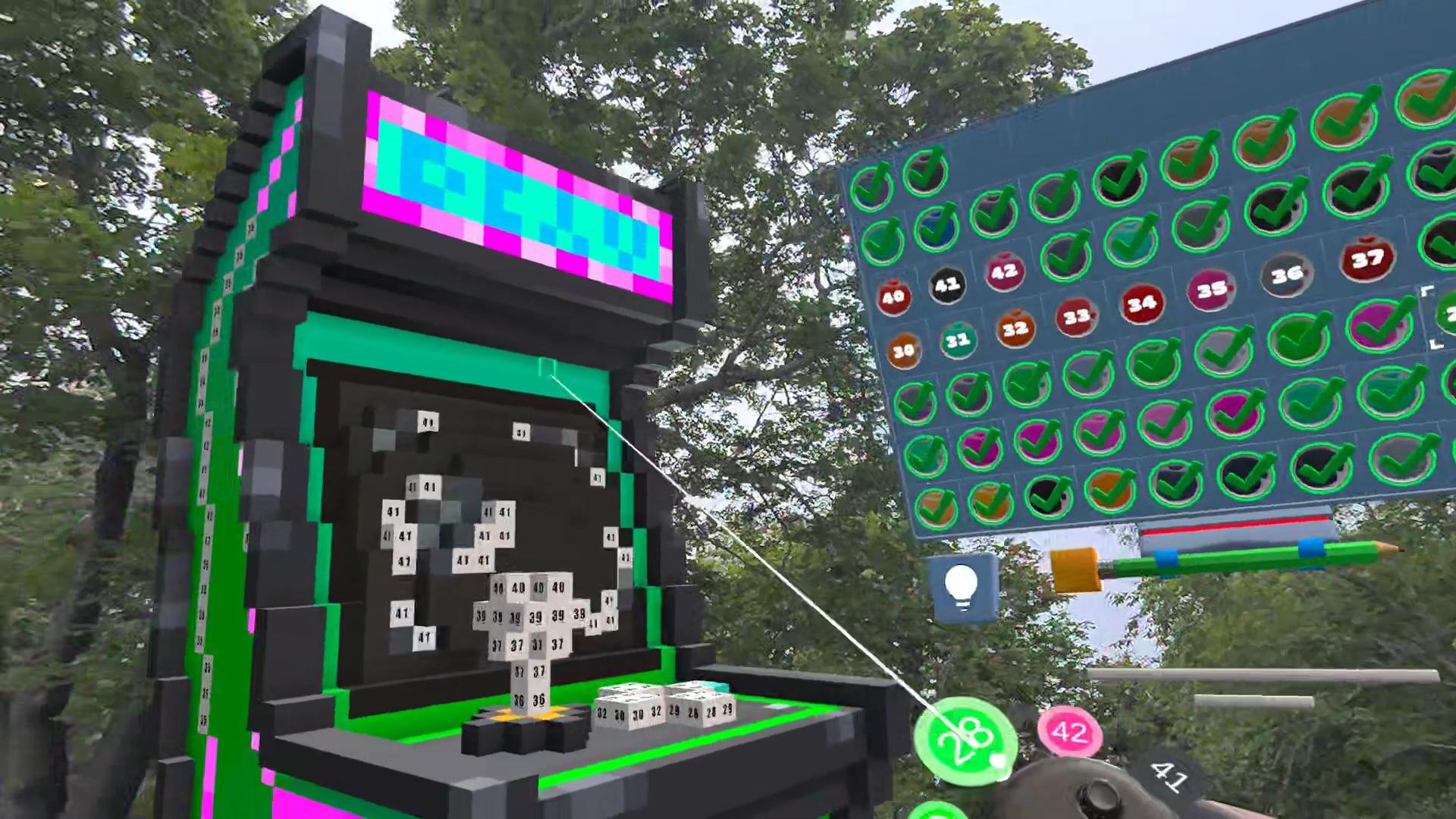
- Progression Feedback: A subtle, glowing progress ring on the player’s hand provides immediate, non-intrusive feedback on how much of a specific color remains. Once a color set is exhausted, the brush automatically switches to the next, maintaining a seamless, uninterrupted flow state.
Content Diversity
The breadth of the model library is arguably the game’s strongest retention tool. As of the 1.0 release, the variety is vast:
- Biological: Animals, fossils, and "living fossils."
- Cultural: Architecture, historical artifacts, and pop-culture-inspired characters.
- Abstract: Aliens, monsters, and surrealist toy designs.
- Technical: Vehicles, gadgets, and complex mechanical assemblies.
This variety ensures that the game acts as a permanent fixture on a user’s device, rather than a title finished in a single weekend.
Official Perspectives: The Philosophy of AlterEyes
In statements surrounding the 1.0 launch, the team at AlterEyes emphasized that Color-A-Cube was never intended to be a "game" in the traditional, competitive sense. The design philosophy was centered on "spatial wellness."
"We wanted the technology to become invisible," an AlterEyes representative noted. "In Mixed Reality, the best experience is one where you don’t feel like you’re wearing a headset. You’re just sitting in your living room, painting a digital sculpture that exists right there on your coffee table."
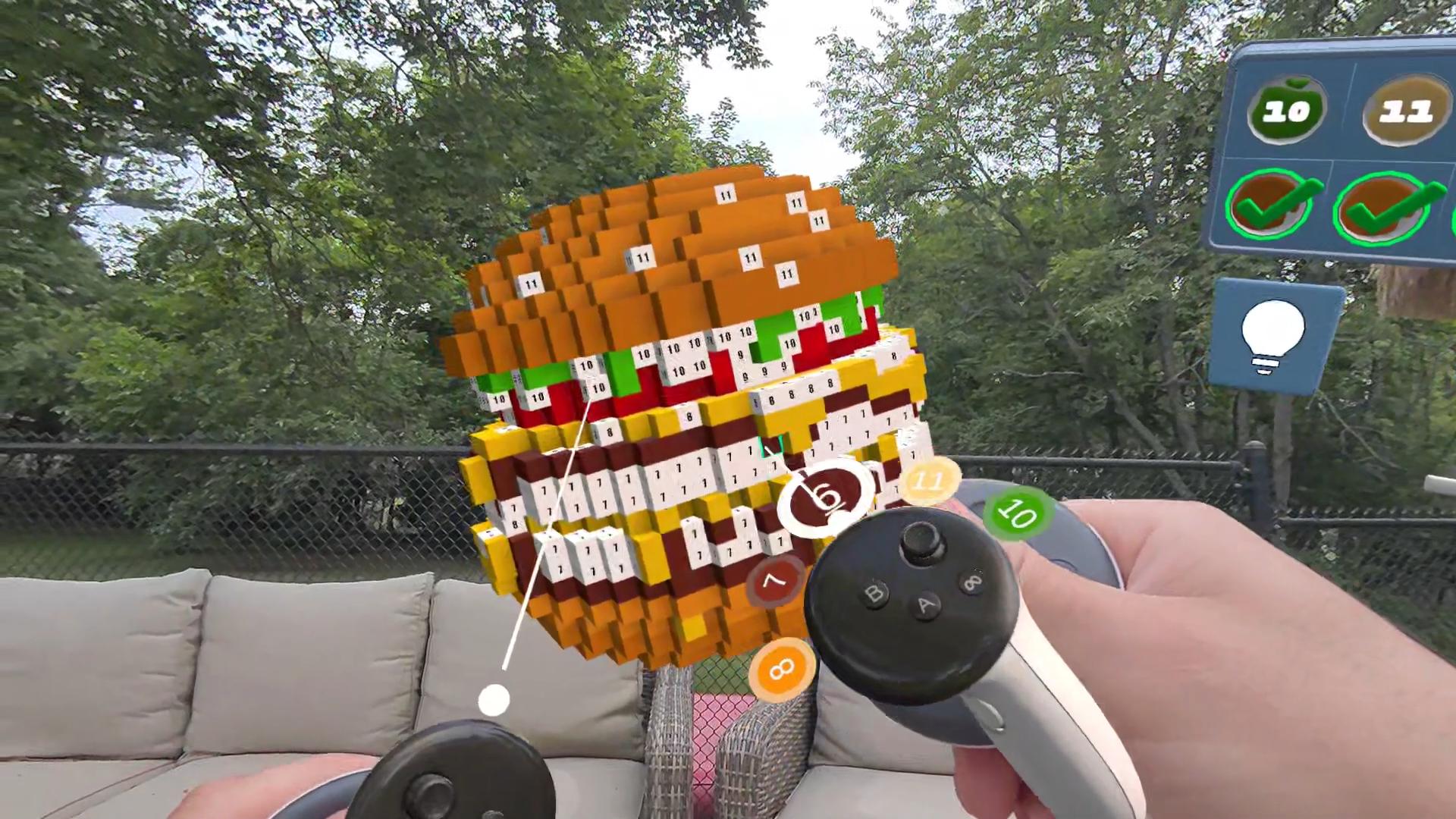
This commitment to the "invisible UI" is why the game’s hints and progress markers are so understated. By avoiding heavy, opaque menus and intrusive HUDs, the developer allows the player to remain mentally present in their actual physical space, reducing the "disconnect" often associated with VR gaming.
Implications for the VR/MR Industry
The success of Color-A-Cube serves as a significant indicator of the maturation of the VR/MR market.
The Shift Toward "Cozy Gaming"
For years, the VR industry was obsessed with "immersion through adrenaline." Developers sought to trick the brain into believing it was in a high-stakes environment (e.g., horror, combat, racing). Color-A-Cube represents the "Cozy Gaming" movement—a sector that has seen massive success on PCs and consoles (like Stardew Valley or Animal Crossing) and is now finding its footing in spatial computing.
The Power of Simple Execution
The industry is currently grappling with how to make MR feel "essential." Color-A-Cube suggests that the answer isn’t always complex AR integration or high-fidelity graphics. Instead, it is the simple, honest utility of a digital object in physical space. When a player paints a voxel burger on their actual kitchen table, they aren’t looking for a high-octane plot; they are looking for a moment of quiet focus.
Future Sustainability
The implementation of the "Color Pass" and the promise of weekly updates indicate that AlterEyes is treating the game as a service, but a gentle one. By avoiding predatory monetization and focusing on a consistent, predictable stream of content, they are fostering a loyal community of "digital artists" rather than temporary players.
Final Thoughts: A Necessary Pause
Color-A-Cube is not a game that will redefine the medium of virtual reality. It does not push the boundaries of graphical fidelity or narrative depth. However, it succeeds in a way that many more ambitious titles fail: it knows exactly what it is.
It is a digital companion for the end of the day. It is a tool for focus. It is a testament to the fact that, in a world of infinite, high-speed digital noise, sometimes the most profound experience you can have in a headset is the simple, rhythmic, and deeply satisfying act of painting a tiny, digital cube.
As the market continues to expand, titles like Color-A-Cube will become increasingly important. They provide the necessary balance to the high-intensity experiences, reminding both developers and players that while VR is a powerful tool for excitement, it is also a powerful tool for peace. If you find yourself needing a brief escape—or simply a way to make your desk feel a little more magical—Color-A-Cube is an essential addition to your library. It is, quite simply, very good, very quiet, and exactly what we need right now.

