

In the fast-paced world of consumer electronics, the line between visionary innovation and hardware hubris is often razor-thin. Snap Inc., the parent company of the ubiquitous social messaging app Snapchat, has long positioned itself as a pioneer in the augmented reality (AR) space. However, its latest foray into wearable hardware—simply dubbed "Specs"—has ignited a firestorm of skepticism, market anxiety, and critical debate. With a staggering price tag of $2,195, these AR glasses represent one of the most audacious attempts to bring computing off the smartphone and into the user’s immediate field of vision. Yet, as the product hits the public stage, questions regarding its ergonomics, battery life, and market viability loom large.
The Core Proposition: What Are the New Specs?
At its core, the new Specs device is an all-in-one AR wearable designed to eliminate the "neck-down" posture inherent in smartphone usage. Unlike many competitors that rely on a tethered connection to a smartphone or a bulky external "compute puck," Snap’s device is fully self-contained.
The device promises a transformative visual experience. Snap claims the lenses are calibrated to simulate a 24-inch desktop monitor for productivity tasks, or, alternatively, a 115-inch home cinema screen when the user is engaged in media consumption. The ambition is clear: Snap wants to turn the world around the user into an interactive, digital-first workspace.
To achieve this, the frames are packed with serious internal hardware. Specifically, the device utilizes a dual-Snapdragon processor architecture. One chip is dedicated exclusively to computer vision, while the second manages the rendering of Snap’s signature "Lenses." This configuration aims to provide high-fidelity hand tracking, minimal latency, and responsive interactions. Snap reports a motion-to-photon latency of just 7 milliseconds—a metric verified through rigorous robotic testing—designed to ensure that digital objects feel "anchored" to the physical environment without the jarring lag that plagues lesser AR hardware.
A Chronology of the Launch
The road to the current iteration of Specs has been a long and winding one for Snap.
- Early Experiments (2016-2020): Snap first entered the hardware market with the original Spectacles, which were primarily focused on capturing first-person video for social sharing. While a novelty, they lacked true AR capabilities.
- The Pivot to AR (2021-2023): Snap shifted its focus toward internal development of Lenses and AR infrastructure, slowly moving from simple camera peripherals to more complex optical systems.
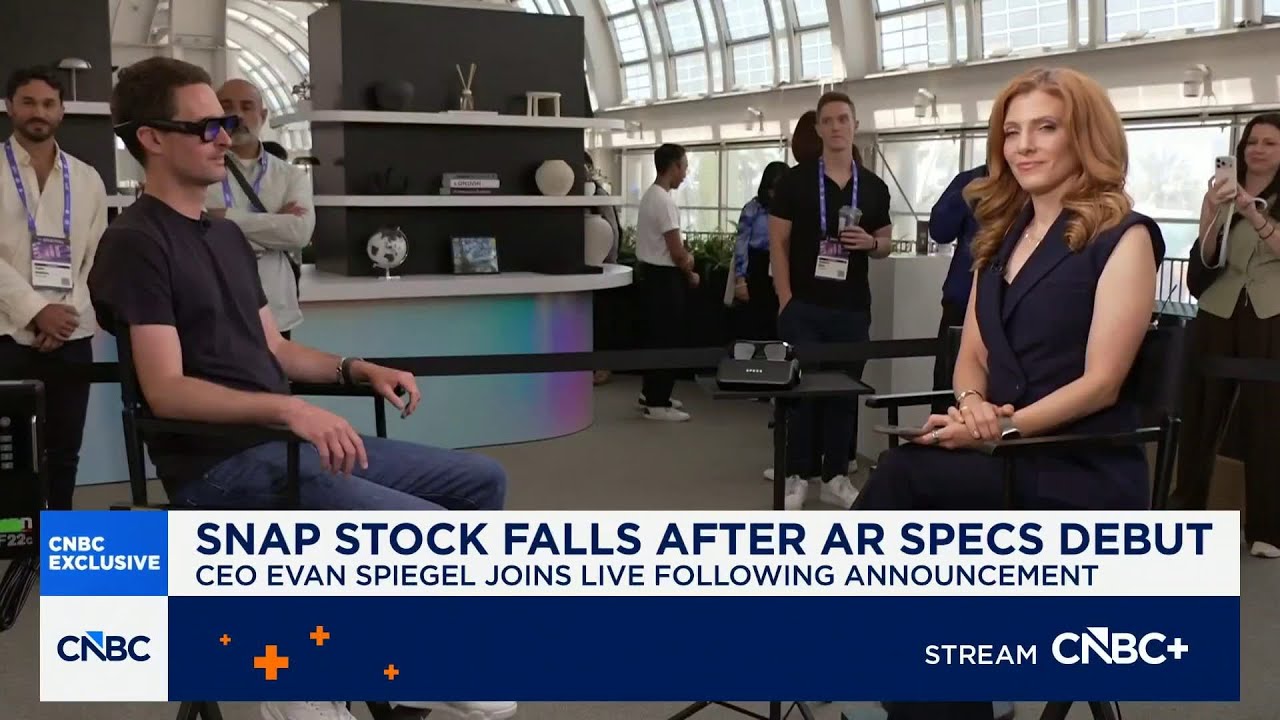
- The Reveal (June 16, 2026): Snap officially unveiled the latest generation of Specs. CEO Evan Spiegel touted the glasses as a "new opportunity to bring computing to the world around you."
- Market Reaction (Mid-June 2026): Following the announcement, Snap’s stock began a downward trajectory, marking six consecutive sessions of losses. Investors expressed concern over the high price point and the niche appeal of the device, leading to a noticeable dip in shareholder confidence.
The Ergonomics and Aesthetic Dilemma
While the internal specifications are undeniably impressive, the physical implementation has become the subject of intense scrutiny. The primary challenge of cramming high-end processors, sensors, and battery cells into a wearable frame is thermal management. To keep the device from overheating during intensive AR operations, the frame has been built with significant bulk.
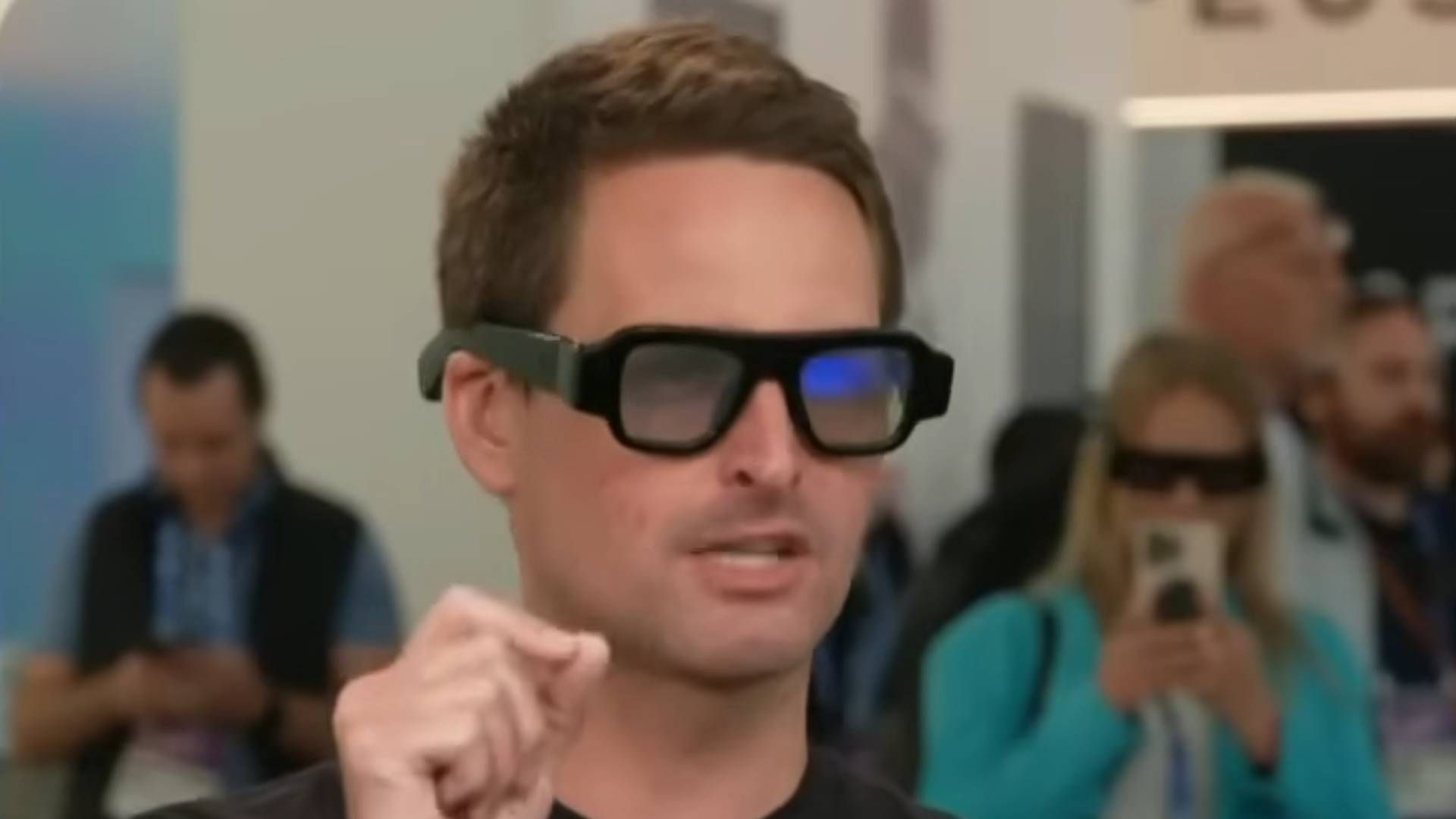
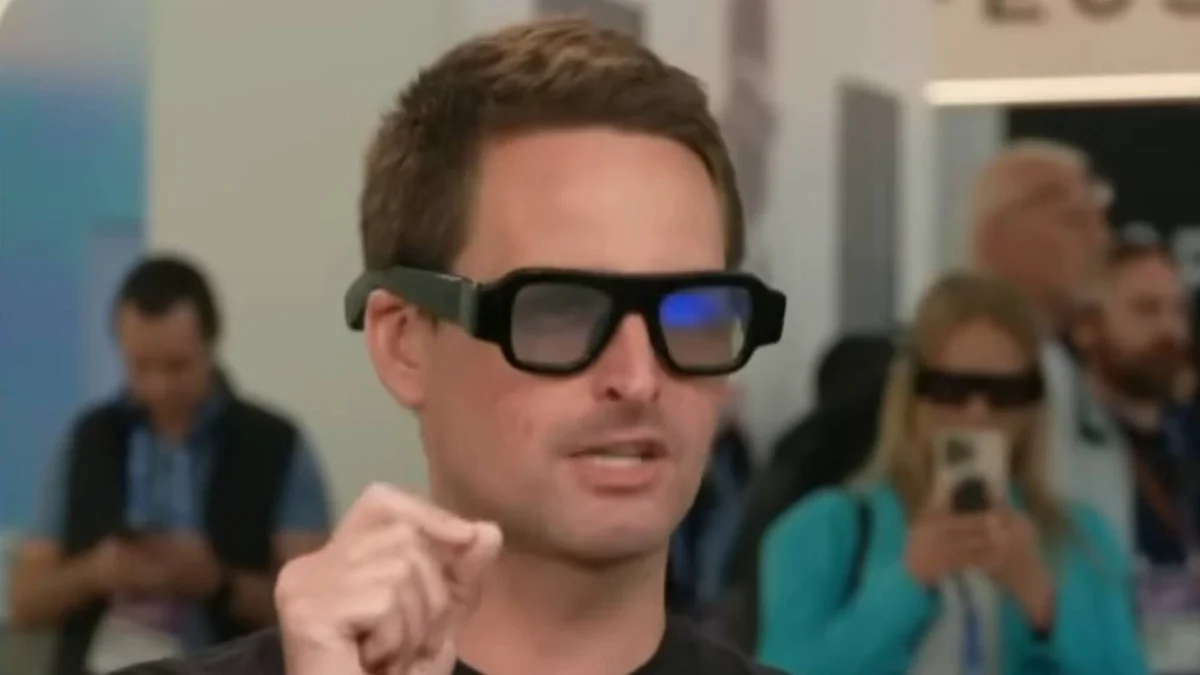
This has resulted in a design that critics describe as "chunky" and "dorky." During a high-profile interview on CNBC, CEO Evan Spiegel defended the device as "highly wearable." However, viewers were quick to point out that the glasses appeared physically cumbersome, visibly pressing into the sides of the CEO’s head and ears. This disconnect between the marketing promise of a sleek, futuristic interface and the reality of a heavy, uncomfortable wearable has become a significant hurdle for the company’s brand image.
Battery Performance: A Limiting Factor
A recurring issue for wearable technology is the power density of batteries. Snap’s Specs struggle in this department, offering a modest four hours of "mixed use." This usage window covers the basics—audio and video playback, AR Lenses, AI assistance, and Bluetooth notifications—but it is a far cry from the "all-day" battery life users have come to expect from modern smartphones or even standard smartwatches.
To mitigate this, Snap includes a proprietary charging case capable of providing four additional full charges. While this extends the total usable time to roughly 20 hours, it requires the user to carry a case and pause to recharge periodically. In a world where consumers prioritize convenience, the need to "top off" one’s glasses every few hours remains a substantial barrier to mass-market adoption.
Implications for the AR Industry
The reception of Snap’s Specs serves as a bellwether for the wider augmented reality industry. The industry is currently divided into two camps: those who believe in tethered, lightweight glasses that rely on a phone’s power, and those, like Snap, who believe the future lies in the untethered, all-in-one experience.
1. The High Cost of Entry
At $2,195, Specs is priced firmly in the "prosumer" or enterprise category. This price point effectively excludes the casual Snapchat user, positioning the device instead as a tool for early adopters and developers. This strategy mirrors the initial rollout of many disruptive technologies, but it poses a risk: if the user base remains small, the developer ecosystem necessary to create compelling AR content will not materialize.
2. The "Form Factor" Hurdle
Snap’s struggles highlight a fundamental law of physics in hardware design: miniaturization is expensive and thermally inefficient. If a company as experienced as Snap cannot create a comfortable, lightweight pair of AR glasses, it suggests that the industry is still years away from achieving the "holy grail" of an AR device that looks and feels like standard prescription eyewear.
3. Market Sentiment and Financial Stability
The six-day slide in Snap’s stock price following the announcement suggests that the market is currently unwilling to subsidize "moonshot" hardware projects that do not show an immediate path to profitability. For Snap, which relies heavily on ad revenue from its app, the Specs project is a major financial risk that threatens to distract from its core business if it fails to gain traction.
Official Stance and Future Outlook
Snap maintains that the current version of Specs is a "foundational step" toward a future where computing is integrated seamlessly into daily life. By controlling both the hardware and the software, Snap argues it can create a more cohesive and responsive AR environment than companies relying on third-party integration.
However, the company faces an uphill battle. To succeed, Snap must not only improve the battery life and ergonomics of future iterations but also build a compelling "killer app" that justifies the price. AR currently lacks a definitive use case that transcends novelty. While Snap is betting that its Lenses and AI-driven interfaces will eventually become indispensable, the current market reaction suggests that consumers and investors are not yet convinced.
Ultimately, Snap’s new Specs serve as a stark reminder that in the tech world, the vision for the future often hits the hard wall of current technical constraints. Whether these glasses become the catalyst for an AR revolution or a cautionary tale about the limits of wearable ambition remains to be seen. For now, the world is watching—and, in the case of the CEO’s ears, wincing just a little bit.

