

Main Facts: The Debate Surrounding Quentin Beck’s Endgame
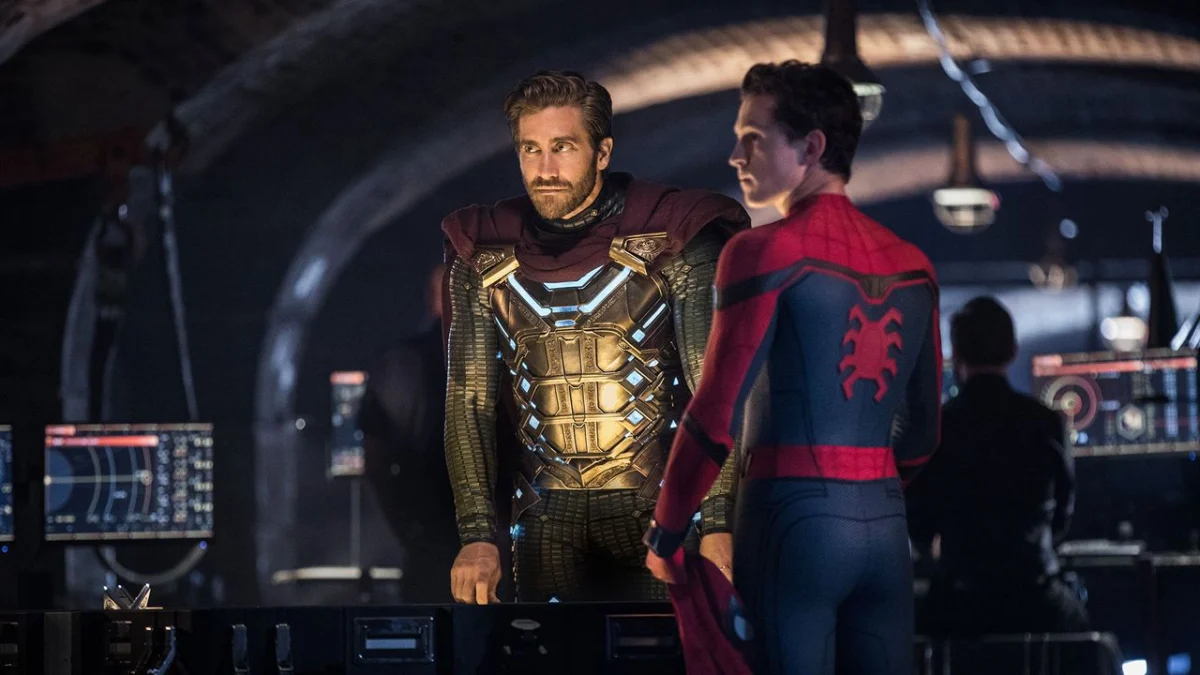
As the Marvel Cinematic Universe (MCU) prepares for the next chapter in Peter Parker’s journey with the upcoming Spider-Man 4 (reportedly titled Spider-Man: Brand New Day), the fandom has returned to a lingering question from the franchise’s past. The discourse centers on Quentin Beck, known as Mysterio, the primary antagonist of 2019’s Spider-Man: Far From Home. While Beck’s plan to masquerade as a multiversal savior was nearly flawless in its execution, a burgeoning debate on platforms like Reddit has highlighted a significant logical hurdle: what was Mysterio’s plan for an actual crisis?
The core of the controversy lies in the disparity between Beck’s manufactured threats and the reality of a post-Blip universe. In Far From Home, Beck utilizes a sophisticated network of Stark Industries drones and holographic BARF (Binocular Augmented Retro-Fixing) technology to simulate "The Elementals"—monstrous beings supposedly from another dimension. By "defeating" these illusions, Beck positioned himself as the successor to Iron Man. However, critics and fans alike point out that Beck was essentially a man in a motion-capture suit. Should a genuine threat—such as an invading alien armada or a rogue sorcerer—have emerged, Mysterio would have found himself in a precarious position, forced to defend a world he had no actual power to protect.
Chronology: From Disgruntled Employee to Global "Hero"
To understand the weight of this debate, one must look at the timeline of Quentin Beck’s rise and fall within the MCU.
The Stark Industries Fallout
The genesis of Mysterio predates the events of Far From Home. Quentin Beck was a brilliant holographic specialist at Stark Industries who developed the BARF technology (first seen in Captain America: Civil War). When Tony Stark dubbed the technology "BARF" and eventually fired Beck for his "unstable" nature, a seed of resentment was planted. Beck assembled a team of similarly disgruntled ex-Stark employees, including William Ginter Riva, to reclaim what they believed was their rightful legacy.
The Post-Endgame Vacuum
Following the death of Tony Stark in Avengers: Endgame, the world was left searching for a new protector. In mid-2024, Beck capitalized on this grief. He staged attacks across Europe—in Ixtenco, Venice, and Prague—using drone-generated illusions. By pretending to be a warrior from Earth-833, he gained the trust of Nick Fury (later revealed to be the Skrull Talos) and Peter Parker.
The London Incident and Death
The climax of Beck’s plan occurred in London, where he intended to stage an "Avengers-level threat" by merging the Elementals into a single "Elemental Fusion." His goal was to use the E.D.I.T.H. (Even Dead, I’m The Hero) tactical satellite system to create a spectacle so grand it would cement his status forever. However, Peter Parker’s "Peter Tingle" (Spider-Sense) allowed him to see through the illusions. In the ensuing confrontation, Beck was accidentally struck by one of his own drones and succumbed to his injuries—but not before recording a doctored video that framed Spider-Man for the attack and revealed his secret identity.
Supporting Data: The Arsenal of an Illusionist
The debate regarding Mysterio’s efficacy against "real" threats often overlooks the sheer destructive power of the technology he commanded. While Beck himself lacked superpowers, his assets were far from "fake."
The E.D.I.T.H. System
The E.D.I.T.H. glasses granted Beck access to a global tactical intelligence and weaponized drone network. These drones were equipped with:
- High-Yield Explosives: Capable of leveling buildings and causing mass casualties.
- Sonic Cannons and Machine Guns: Providing actual kinetic lethality that complemented the visual illusions.
- Cloaking Technology: Allowing the drones to remain invisible while projecting holograms or firing weapons.
The "Doctor Strange" Defense
One prevailing theory in the fan community suggests that Beck never intended to fight a real villain. Several fans argue that Beck’s backstory—being from another universe—provided a perfect "exit strategy." Had a real threat like Galactus or a rogue Eternal appeared, Beck could have claimed his "multiversal portal" was reopening and simply disappeared, leaving the world’s actual heroes to deal with the fallout.
Tactical Versatility
Other supporters of Beck’s viability point out that he was a master tactician. In his final battle with Spider-Man, he used psychological warfare, disorientation, and overwhelming fire support. While he might not have been able to punch a hole through a Chitauri leviathan, his ability to manipulate the battlefield’s perception would make him a formidable support asset for any military force, provided he wasn’t the one being punched.
Official Responses and Creative Intent
While Marvel Studios executives and directors have not directly participated in the recent Reddit threads, past interviews with the creative team behind Far From Home shed light on the character’s design.
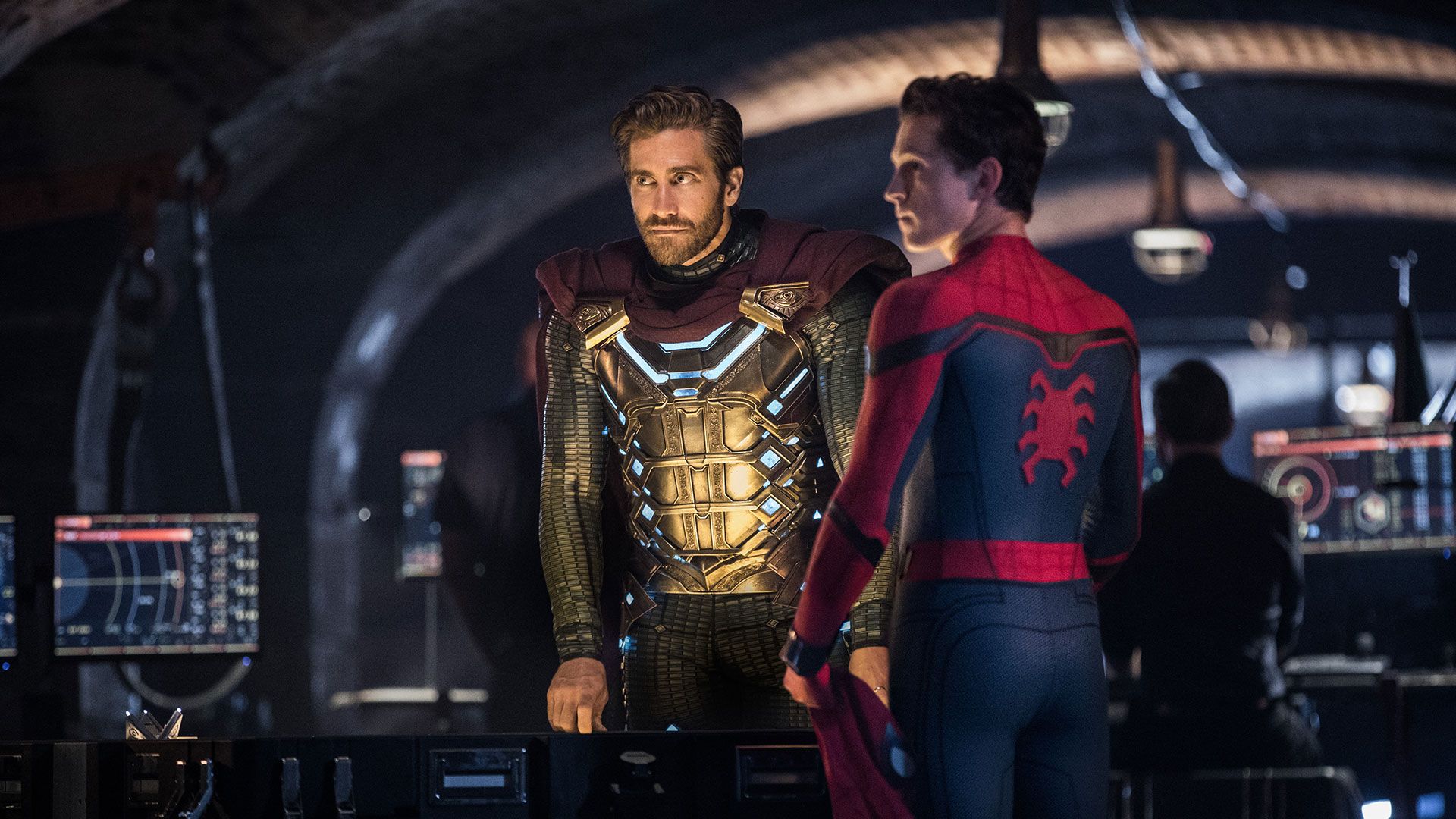
Director Jon Watts has frequently described Mysterio as the ultimate villain for the "fake news" era. The intention was never to create a villain who could trade blows with Thor, but rather a villain who could defeat the world’s perception of reality. "Mysterio is a character who uses the tools of filmmaking to create a false narrative," Watts noted in a 2019 press junket. "In a world where people don’t know what to believe, that’s more dangerous than a guy with super-strength."
The writers, Chris McKenna and Erik Sommers, echoed this sentiment, stating that Beck’s power came from his ability to exploit Peter’s vulnerability and the world’s collective trauma. From a narrative standpoint, Mysterio’s "weakness" against real threats is actually his greatest strength as a character; it highlights the hubris of a man who believes that managing optics is the same as managing safety.
Implications: The Legacy of Mysterio in ‘Brand New Day’
The ongoing fascination with Mysterio’s plan has significant implications for the future of the MCU, particularly as we approach the July 31 release of the next Spider-Man installment.
The "Post-Truth" MCU
Mysterio’s success in framing Peter Parker has fundamentally changed the stakes for the web-slinger. Even in death, Beck won. He stripped Peter of his anonymity and forced him into the events of Spider-Man: No Way Home. The "Mysterio Was Right" movement seen in subsequent films suggests that a large portion of the public still believes Beck was the hero. This cultural divide is likely to play a role in Brand New Day, where Peter must navigate a world that has forgotten his identity but may still harbor distrust for masked vigilantes.
The Evolution of Villains
Mysterio’s legacy also sets a high bar for the "so far unseen foe" in the upcoming film. After facing a villain who could rewrite reality through technology, the next antagonist will likely need to challenge Peter on a different level—perhaps a more grounded, physical threat that cannot be solved simply by "seeing through the lie." Rumors suggest villains ranging from Mr. Negative to a more comic-accurate Kingpin, both of whom offer a stark contrast to Beck’s holographic theatrics.
The Multiverse Precedent
Interestingly, Beck’s fake multiverse story served as a narrative "troll" by Marvel Studios, only for the real multiverse to break open shortly after. The fan debate reinforces the idea that Beck was a man ahead of his time; he understood the concept of the multiverse before the world was ready for it, even if he was lying about his origins.
Conclusion: The Ultimate Con Artist
Ultimately, the question of what Mysterio would do against a "real" threat misses the point of his character. Quentin Beck was never an aspiring Avenger; he was a con artist on a global scale. His plan was not to save the world, but to be seen saving the world. Whether he would have died in his first encounter with a real supervillain or successfully faked his death to retire on a private island is secondary to the damage he already inflicted.
As Spider-Man moves into a "Brand New Day," the ghost of Mysterio lingers—a reminder that in the MCU, the greatest threats aren’t always the ones that can knock down a building, but the ones that can make you believe the building was never there in the first place. For Peter Parker, the lesson of Mysterio is a permanent one: trust your instincts, because the world is rarely what it appears to be.

