

The gaming industry’s most predictable seasonal ritual has officially arrived, bringing with it both jubilation and collective fiscal dread. Valve Corporation has launched the Steam Autumn Sale for 2026, opening the digital floodgates to thousands of deep discounts across virtually every genre imaginable. For PC gamers worldwide, the mid-autumn event marks the traditional start of the heavy holiday shopping season—a week-long window where wishlists are systematically cleared, backlogs grow to impossible proportions, and credit cards take a severe beating.
Running for a brisk, high-stakes duration of just one week, the 2026 Autumn Sale will conclude sharply on October 8. Alongside the sweeping price reductions, the event brings back familiar community features, including themed stickers, profile customization items in the ever-popular Steam Points Shop, and official promotional art that sets the cozy, autumn-themed aesthetic for storefront browsers. Yet, beyond the aesthetic updates and cosmetic rewards, the core driver of the event remains entirely financial: the sheer scale of the markdowns.
Main Facts: Navigating the 2026 Autumn Sale Landscape
True to form, Valve’s seasonal blowout has cast a massive net, featuring price cuts on titles ranging from triple-A blockbusters to micro-budget indie gems. However, the sheer volume of participating software has created a uniquely overwhelming browsing experience for users.
- Event Window: The Steam Autumn Sale runs for one week, officially wrapping up on October 8, 2026.
- The Under-$5 Market: Analytical tracking platforms, most notably SteamDB, indicate that upwards of 2,000 games have plummeted to $5 or less.
- Platform Traffic Strains: The sheer weight of traffic hitting database trackers and the Steam storefront has caused temporary queue delays and minor data discrepancies between native Steam searches and third-party aggregators.
- Storefront Mechanics: Alongside direct price cuts, users can earn loyalty points through purchases to spend on animated stickers, avatars, and profile backgrounds in the Steam Points Shop.
For budget-conscious consumers, the under-$5 category represents the most fertile ground for bargain hunting. Navigating this massive sub-market, however, requires more than casual scrolling.
Chronology of the Sale Launch and Community Scramble
The deployment of the 2026 Autumn Sale followed Valve’s standard, highly anticipated operational blueprint, though the opening hours were not without digital turbulence.
Pre-Launch Anticipation and Rumors
Weeks prior to the official go-live date, data miners and community forecasters accurately predicted the late-September/early-October scheduling window. Promotional banners and developer asset leaks trickled onto social media platforms, building momentum for the seasonal transition.
Hour Zero: The Storefront Squeeze
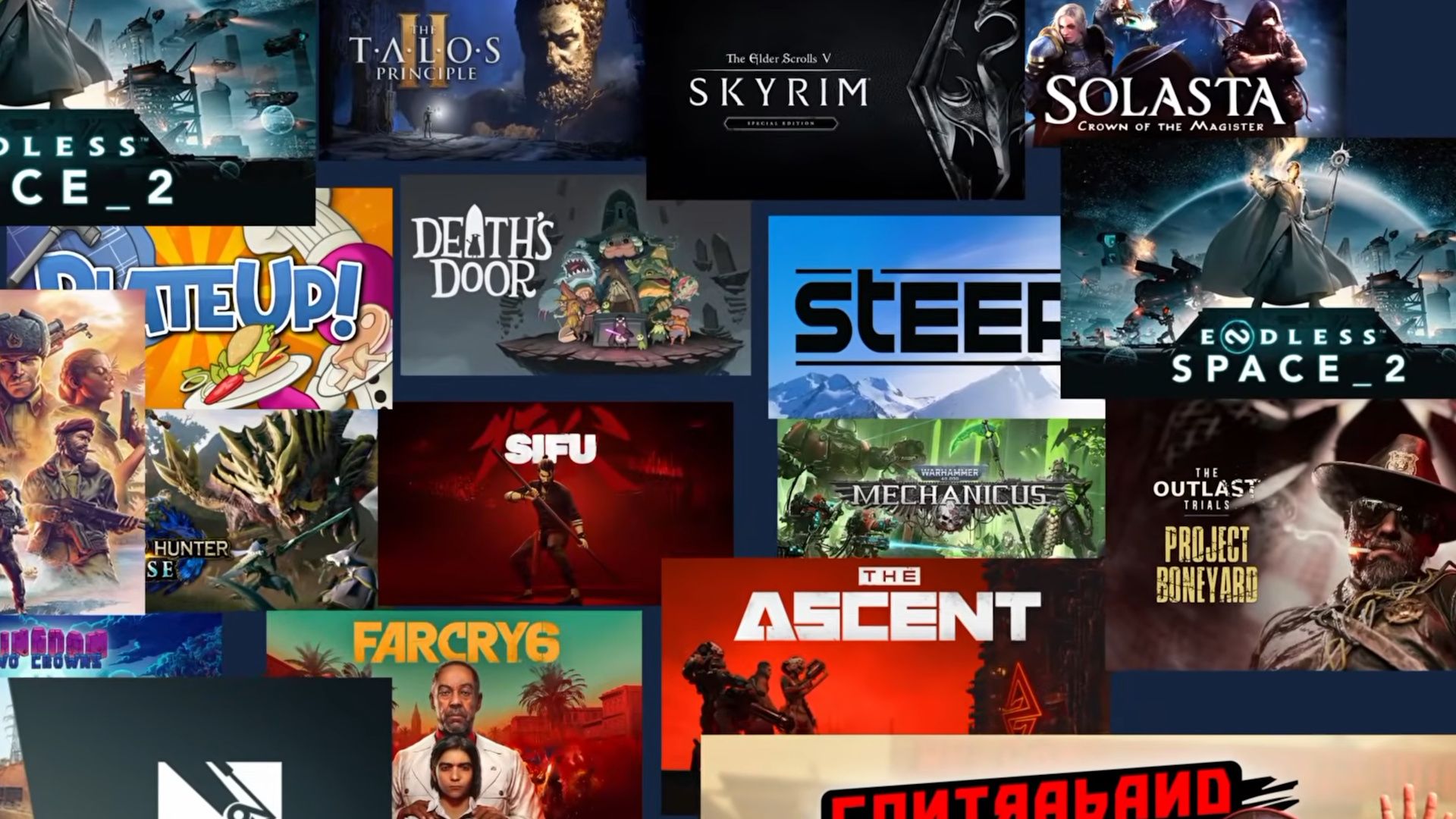
At the exact moment the sale went live, millions of concurrent users flooded the Steam client. This sudden spike in traffic immediately overwhelmed third-party infrastructure. SteamDB—an essential independent tracking utility relied upon by millions of PC gamers—experienced severe latency and queue delays as it attempted to index the pricing data of tens of thousands of titles simultaneously.
The Initial Tally Discrepancy
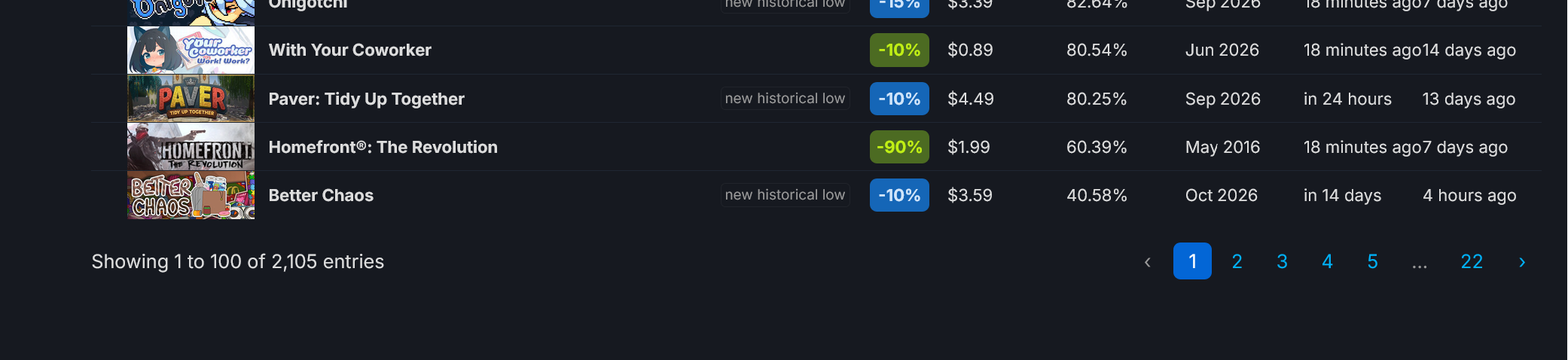
In the chaotic opening hours, conflicting data emerged regarding the true depth of the sale. SteamDB reported approximately 2,105 distinct titles discounted to $5 or less. Concurrently, native searches directly within the Steam client utilizing internal price filters yielded a more conservative tally of 1,243 titles meeting the same strict budgetary threshold. Industry analysts attribute this discrepancy to Valve’s localized caching algorithms and differing stringency filters between official platform search tools and external databases.
The Race for Curated Selections
As the initial server congestion stabilized, the community shift moved rapidly from brute-force browsing to curated recommendations. Veteran journalists and community tastemakers immediately began compiling "hidden gem" lists and budget roundups to help bewildered shoppers filter out low-tier shovelware from genuine masterpieces.
Supporting Data: Sifting Through Two Thousand Bargains
With more than 2,000 games priced at or below the cost of a gourmet coffee, the challenge for the modern consumer is no longer finding a deal—it is filtering through the digital noise. The vast expanse of the Steam marketplace means that volume does not automatically equate to quality.
Utilizing Third-Party Tools Effectively
For shoppers attempting to maximize their purchasing power, external utilities like SteamDB have become indispensable. By utilizing the platform’s advanced filter suites, users can rapidly isolate games based on specific criteria:
- Hard Price Caps: Setting maximum thresholds (such as $5 or $10) instantly eliminates out-of-reach titles.
- User Review Scores: Filtering by positive review percentages (e.g., "Very Positive" or "Overwhelmingly Positive") weeds out poorly optimized ports and abandoned Early Access projects.
- Release Windows and Genres: Narrowing parameters by specific release years or niche tags prevents buyers from drowning in a sea of outdated asset flips.
The Native Steam Filtering Experience
While native Steam search tools provide a slightly lower initial count of sub-$5 titles due to more restrictive indexing, they offer the distinct advantage of seamless integration. Direct wishlisting, instant cart additions, and real-time library ownership checks ensure that users do not accidentally purchase duplicate content or titles already locked within family-sharing parameters.
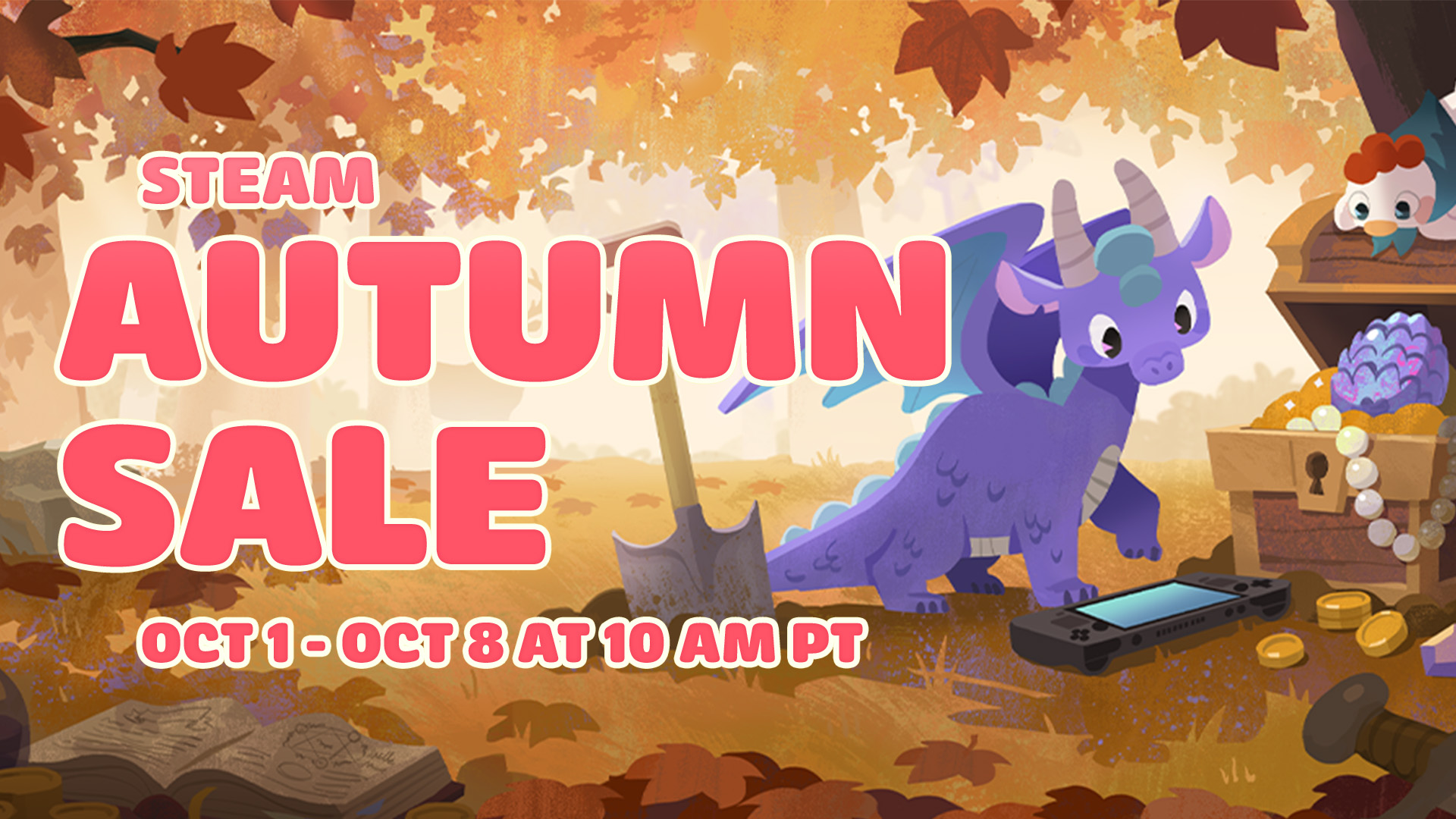
Despite these tools, the sheer paradox of choice often leads to "analysis paralysis," prompting the community to rely heavily on expert curation. Historically, editorial roundups—such as PC Gamer’s legendary seasonal features cataloging dozens of absolute must-play titles under $5—serve as vital lighthouses for consumers navigating the storm. Industry watchers are already looking toward veteran critics to deliver curated breakdowns before the one-week clock runs out, though buyers are advised to avoid deep-dive nostalgic tangents into dense, century-old PC classics unless they possess infinite free time.
Official Responses and Industry Context
Valve Corporation has maintained its traditional, understated public posture regarding the launch of the Autumn Sale. Eschewing flashy press conferences or elaborate promotional streams, the company relies entirely on the organic momentum of its ecosystem, the trailer distribution network, and the Pavlovian response of its massive user base.
In promotional materials released alongside the sale, Valve highlighted the diversity of the participating catalog, emphasizing that independent developers, mid-tier publishers, and major global studios alike are utilizing the seasonal event to boost player concurrency and community engagement.
Behind closed doors, industry analysts note that autumn sales have evolved far beyond simple inventory clearance. For publishers, aggressive discounting acts as a crucial funnel for live-service monetization, downloadable content (DLC) sales, and franchise awareness. A consumer who purchases an acclaimed single-player RPG for $5 during the Autumn Sale is statistically significantly more likely to purchase its sequel at full price or invest in ongoing microtransactions down the line.
Furthermore, platform holders like Valve benefit from maintaining high daily active user (DAU) metrics during shoulder months between the sluggish summer period and the hyper-competitive winter holidays. The Steam Points Shop integration further reinforces platform loyalty, tying monetary expenditure directly into permanent profile personalization features that users display with pride across community hubs and discussion forums.
Implications: Financial Strain and the Backlog Paradox
While the arrival of the Steam Autumn Sale is celebrated as a high-holiday for digital enthusiasts, it carries profound psychological and financial implications that are frequently discussed within gaming culture.
The "Seasonal Trauma" on Personal Finances
The colloquial reference to "Valve-powered seasonal trauma" is rooted in very real consumer behavior phenomena. The frictionless nature of digital storefronts—combined with aggressive psychological marketing, countdown timers, and deeply discounted price points—fosters impulse purchasing on a massive scale. Gamers frequently find themselves acquiring dozens of titles they never intend to play immediately, driven purely by the fear of missing out on a perceived value proposition.
The Infinite Backlog Phenomenon
This dynamic directly contributes to the compounding of the infamous "Steam Backlog." As thousands of titles drop below the psychological $5 threshold, users accumulate digital libraries numbering in the hundreds or even thousands of games. Industry critics often point out the irony of modern PC gaming: consumers who once saved allowances for months to buy a single full-priced cartridge now own vast digital empires of unplayed masterpieces, paralyzed by the sheer volume of choice.
Impact on Independent Developers
For indie studios, the Autumn Sale represents a double-edged sword. On one hand, participation in major seasonal events provides unprecedented visibility, lifting obscure titles out of obscurity and driving vital revenue streams. On the other hand, the race-to-the-bottom pricing model heavily devalues games in the minds of consumers, many of whom have been conditioned by platforms like Steam and Epic Games to wait for deep discounts rather than supporting developers at launch price.
Looking Ahead to the Winter Finale
As the clock ticks down toward the October 8 conclusion of the Autumn Sale, savvy consumers are reminded to exercise restraint—or at least strategic prioritization. Those who manage to resist the siren song of the sub-$5 bargain bins can take solace in the knowledge that this event is merely the opening salvo. The much larger, universally feared Steam Winter Sale looms on the horizon, promising even greater discounts, trading cards, and another round of wallet rehabilitation.

